


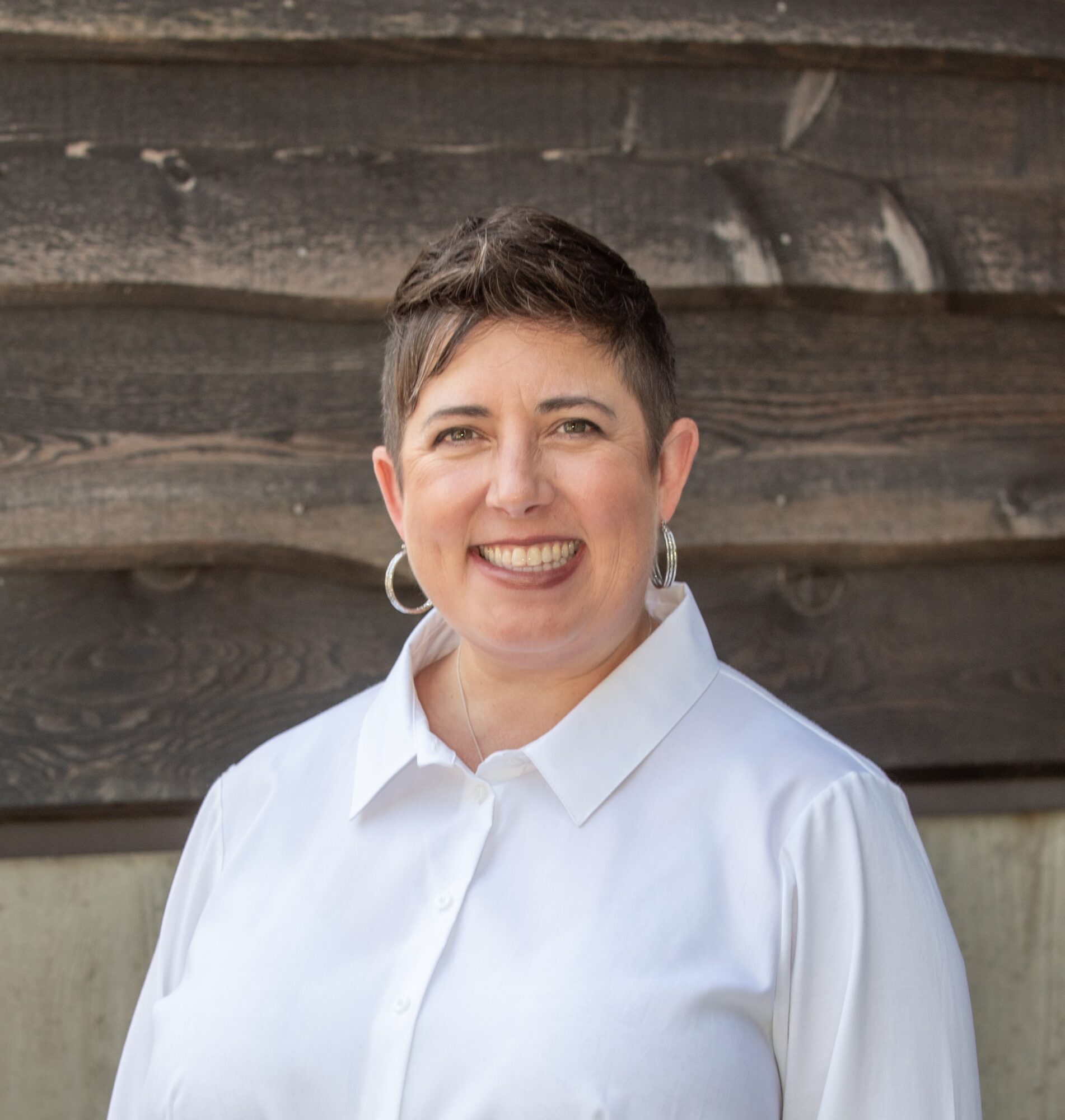
Today we’d like to introduce you to Samantha Swaim.
Hi Samantha, so excited to have you on the platform. So before we get into questions about your work-life, maybe you can bring our readers up to speed on your story and how you got to where you are today?
My journey into fundraising started in an unexpected place—theatre and television production. I learned early on that magic happens when you can feel the energy shift in a room, when an audience moves from passive observers to active participants in something bigger than themselves. That understanding became the foundation for everything I do.
I started what became Swaim Strategies in 2004 as a side project while producing events. I kept noticing a need and realized I had a talent for filling it. What began as helping organizations with their galas evolved into something deeper when I started exploring the neuroscience behind giving and the models that drive people to take action. I was discovering these profound connections between storytelling, human behavior, and generosity which became our expertise for helping nonprofits build movements.
We officially founded Swaim Strategies in 2004, with a spirit of collaborative dreaming about possibility for our nonprofit clients.
Over the past two decades, I’ve worked internationally with organizations, and I kept seeing the same pattern: nonprofits would copy successful fundraising events but miss the heart of what made them work. They were replicating mechanics without understanding the human connection beneath them. They had the template, but not the story.
Then came COVID-19, which should have ended our events-based business. But we saw it coming and pivoted before lockdowns were even announced, partnering with tech and production companies to figure out how virtual events could work. We took everything we knew—the neuroscience of connection, the fundraising models, our television production history—and applied it to a completely different medium. That pivot expanded our reach globally and clarified our mission: if we couldn’t be in every ballroom, we could educate everyone who needed to be.
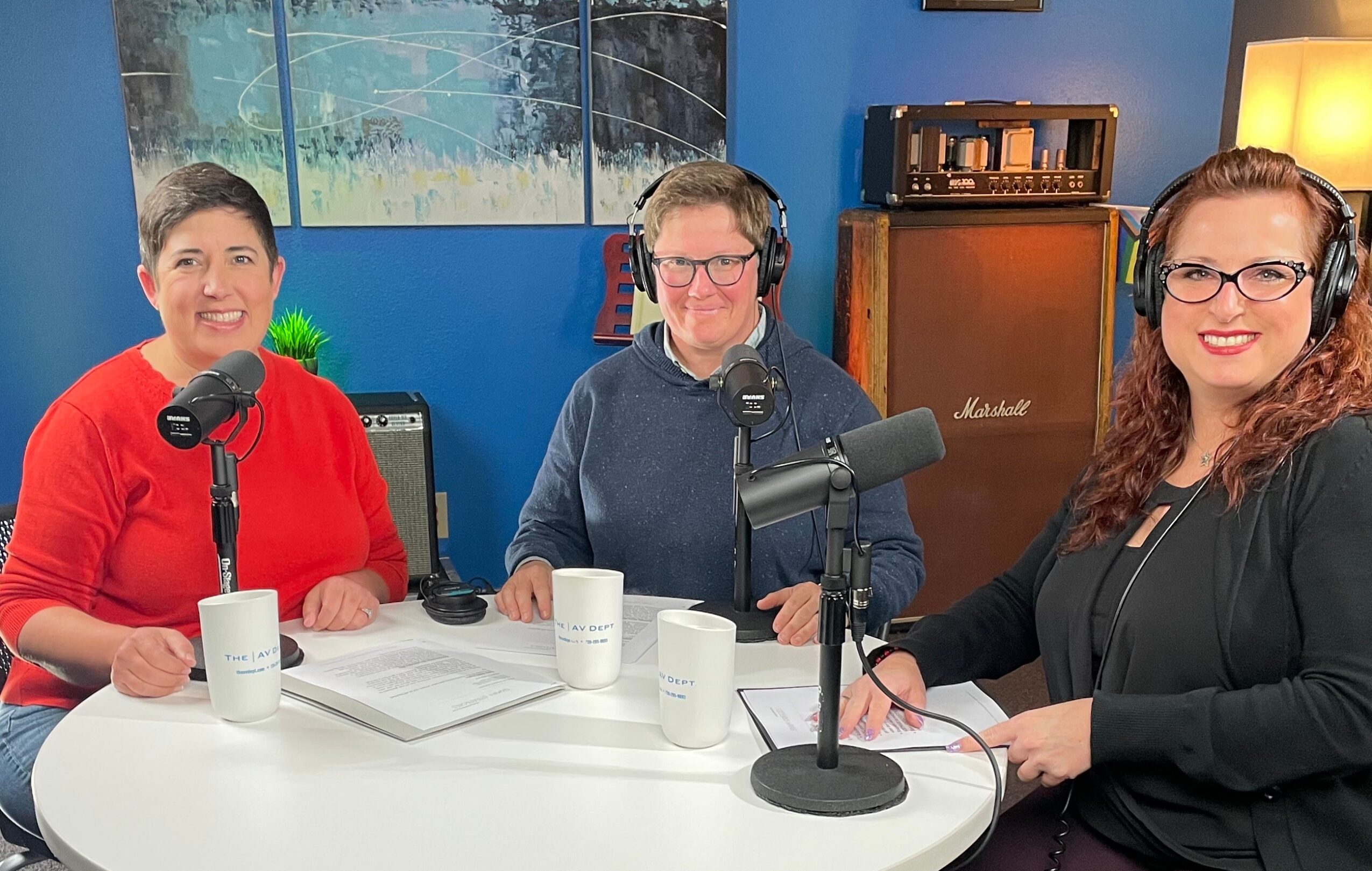
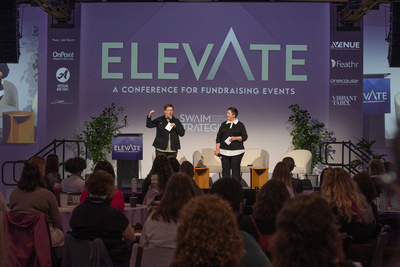
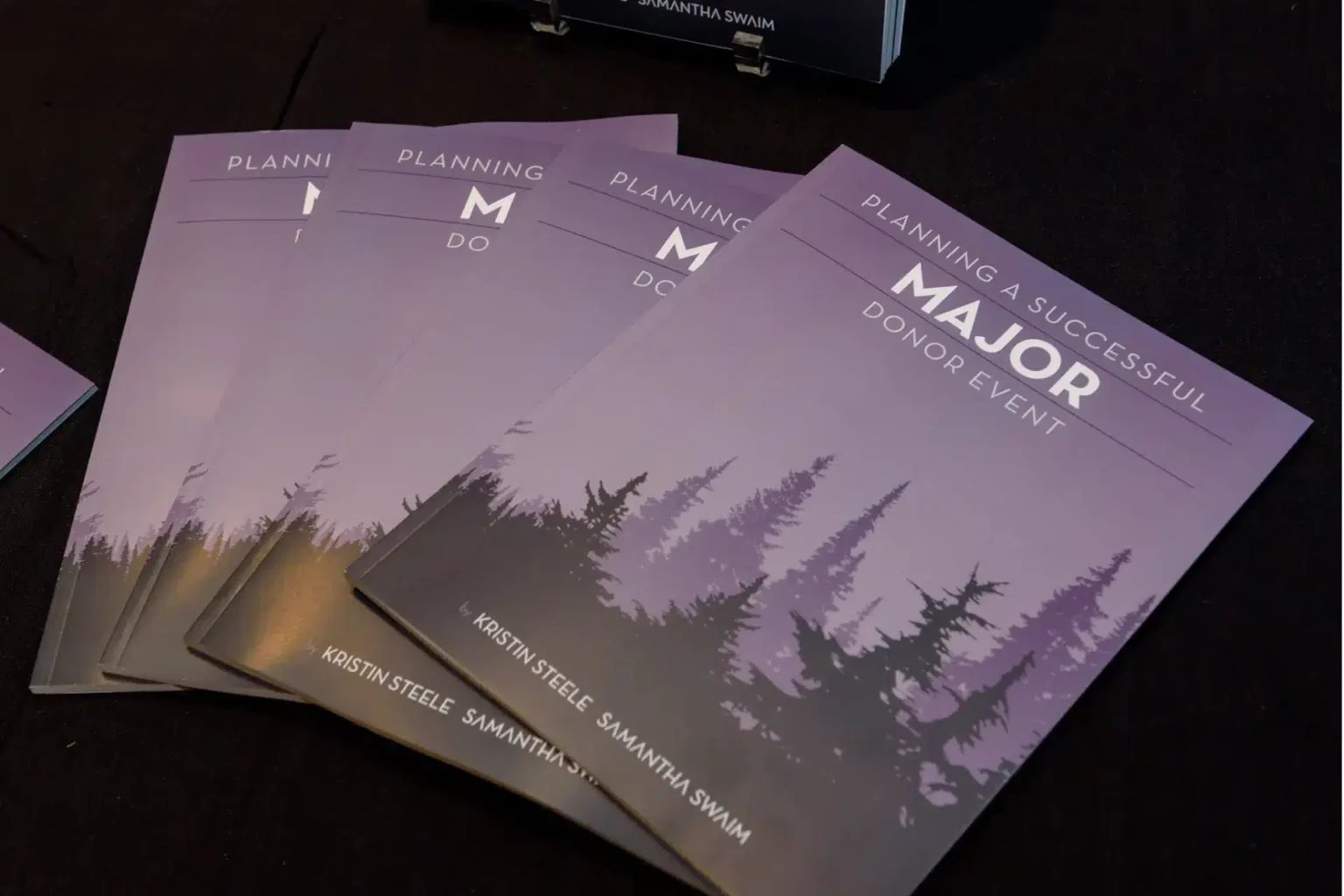
Today, that looks like the annual Elevate Conference, The Fundraising Elevator podcast with co-founder Kristin Steele, educational resources, and our book “Planning a Successful Major Donor Event.” Our production work continues through The Fundraising Event Co., where our team still stands beside organizations in ballrooms across the country. At the core of it all is this belief: every successful fundraising event has a story worth telling and a community worth building. That’s what drives me—helping organizations create those moments where authentic connection becomes the catalyst for extraordinary change.
I’m sure it wasn’t obstacle-free, but would you say the journey has been fairly smooth so far?
One of our biggest struggles has been around systems and replication. Early on, I could see patterns in what made events successful—the neuroscience, the storytelling structures, the moments that moved people to give. But translating that intuition into systems that our staff could replicate and become experts in? That was incredibly difficult. So much of what we do relies on reading a room, understanding human dynamics, sensing when to push and when to pause. How do you systematize instinct? How do you create a framework that captures the art without losing the heart?
We spent years working on this—developing tools, creating templates, refining our processes—always trying to find that balance between structure and spontaneity. It meant countless iterations, failed attempts, and slowly building resources that could actually serve people beyond our own hands-on work.
Growing and training staff brought its own set of challenges. Finding people who understood that events aren’t just logistics—they’re human experiences—required a different kind of hiring process. We needed team members who could hold both the spreadsheet and the story, who understood that a timeline matters but so does the emotional arc of an evening. Training someone to produce an event is one thing. Training them to create moments that build movements? That’s something else entirely. It required us to articulate things we’d been doing instinctively and to trust that others could carry our mission forward in their own way.
And then came COVID-19, which forced the most intense transformation we’ve ever experienced. We had to take everything we knew about in-person connection—the energy of a room, the collective experience, those unscripted moments when something magical happens—and translate it to screens. We were essentially rebuilding our entire expertise in real-time while organizations desperately needed solutions.
The transition to virtual wasn’t just about learning new technology. It was about understanding how human connection works differently through a screen. How do you create intimacy when everyone’s in their own homes? How do you build momentum when people can leave with a single click? How do you replicate that feeling of being part of something bigger when everyone’s physically isolated?
We had to experiment constantly, often during live events with real stakes. Some things worked brilliantly. Others fell flat. But we kept learning, kept adapting, and kept sharing what we discovered with the sector.
Then, just as we’d mastered virtual, we had to pivot again to hybrid—which turned out to be even more complex. Now we were serving two audiences simultaneously, trying to create equity of experience between people in the room and people at home. It required entirely new ways of thinking about production, engagement, and storytelling.
Each of these challenges pushed us to evolve in ways we wouldn’t have chosen, but that ultimately made us better at what we do. The systems we developed out of necessity became the educational resources we share today. The staff we trained became incredible thought partners. And the pivot to virtual and hybrid expanded our understanding of what’s possible when it comes to bringing people together for a cause.
The struggles weren’t smooth, but they were meaningful. And they taught us that sometimes the hardest moments are exactly where the most important growth happens.
Appreciate you sharing that. What should we know about Swaim Strategies?
Swaim Strategies partners with nonprofits to transform fundraising events from transactions into movements. We’re strategists, thought-partners, storytellers, and advocates who believe in the power of bringing people together.
What We Do:
We help organizations use events as tools to build relationships and raise support—everything from galas and auctions to conferences and virtual gatherings. But we’re not just event planners. We understand the neuroscience behind giving and the storytelling structures that move people to action. We create those pivotal moments where authentic connection becomes the catalyst for extraordinary generosity.
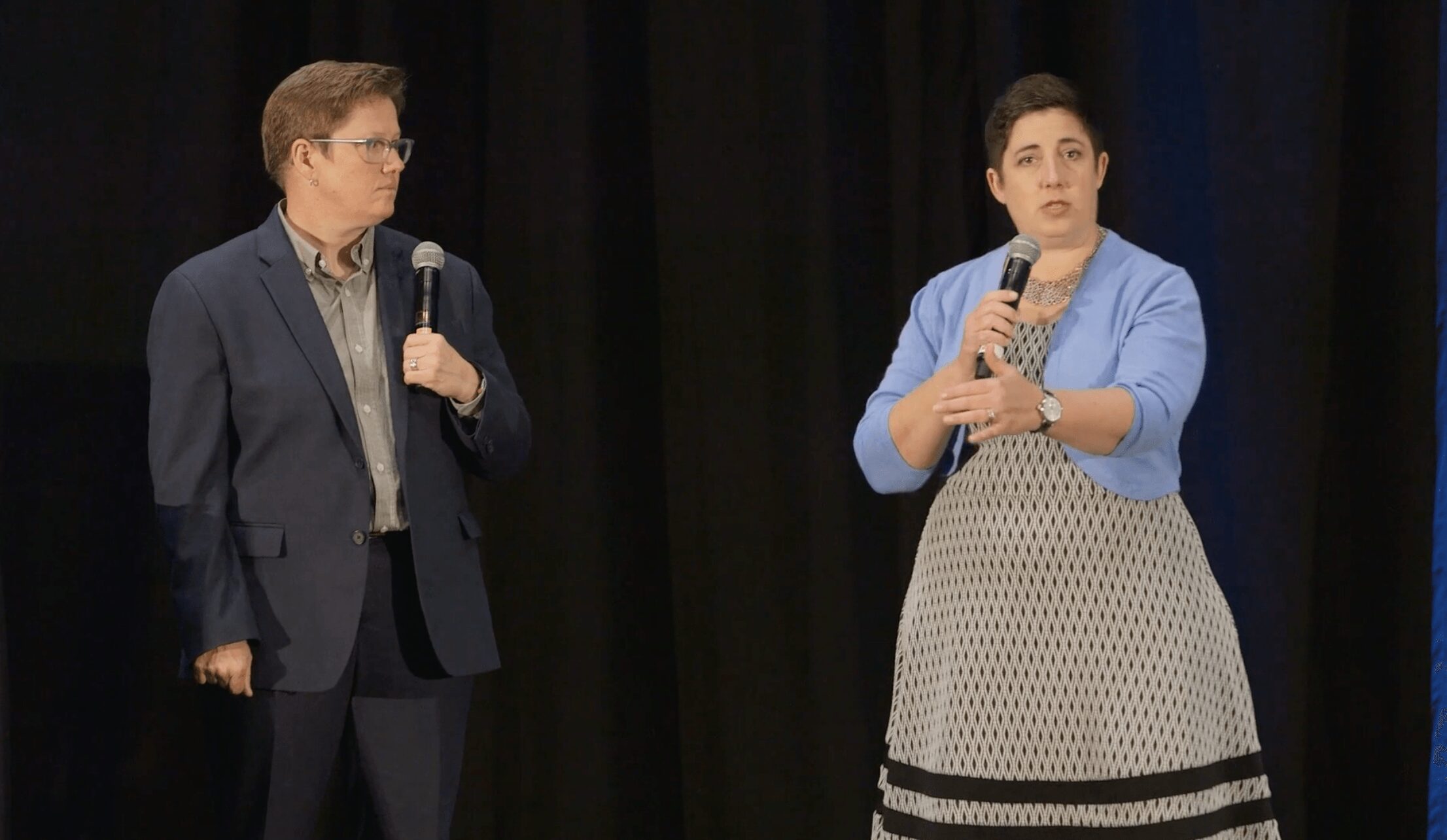
Our work happens in two ways: hands-on event production through The Fundraising Event Co., and education—sharing tools and strategies through training, consulting, and our annual Elevate Conference.
What I’m Most Proud Of:
Swaim Strategies has become synonymous with education and empowerment, not just execution. The Elevate Conference, our podcast The Fundraising Elevator with my co-founder Kristin Steele, and our book “Planning a Successful Major Donor Event” are all about changing how the sector thinks about gatherings and building a community of practitioners who support each other.
We’re also a state-certified Women Business Enterprise and Nationally Certified LGBT Business Enterprise. We bring lived experience to conversations about creating events where everyone feels they belong.
What You Should Know:
We work with organizations at every stage—from first-time events to refining established galas. We offer everything from emergency support to strategic planning, team training, and complete event production. But we’re not here to impose a formula. We help you understand the principles of human connection so you can create events that are authentically yours.
We’re allies to nonprofits and advocates for your missions. We believe your hard work can build communities where people don’t just give—they truly belong. We’re not just helping you plan an event. We’re helping you create the moments where your community remembers why they fell in love with your mission in the first place.
Where we are in life is often partly because of others. Who/what else deserves credit for how your story turned out?
This work has never been about just me—it’s always been about the people who’ve stood beside me and believed in what we were building together.
My Business Partners:
Kristin Steele and Mary Elizabeth are the heart of everything Swaim Strategies has become. Kristin and Mary Elizabeth didn’t just listen—they learned alongside me, asked questions that helped me clarify my thinking, and worked with me to shape those half-formed concepts into actual systems we could share with others.
What makes our partnership extraordinary is the reciprocal nature of it. We’ve built this shared responsibility where we help each other dream.
Kristin brings her background in writing and teaching, along with over 25 years as a nonprofit advocate. She believes, as I do, that the very human act of storytelling makes change possible. Together, we co-host The Fundraising Elevator podcast and co-authored “Planning a Successful Major Donor Event.” She’s been my thought partner in translating complex concepts into accessible tools that actually serve people.
Mary Elizabeth’s contributions have been foundational to our growth and sustainability. She is the systems expert in the mix and has allowed us our growth. The three of us have built not just one but two thriving businesses that are making real impact in the sector.
That foundation of really hearing each other has shaped not just our business, but how we approach our work with clients. We know firsthand that when someone feels genuinely heard, it unlocks something powerful. Because of this partnership and this commitment to truly listening, we’ve been able to create something that’s bigger than any of us individually.
Our Vendor Partners and Collaborators:
Events don’t happen because of one company or one brilliant idea. They happen because of incredible collaborators who bring their own expertise and magic to the table.
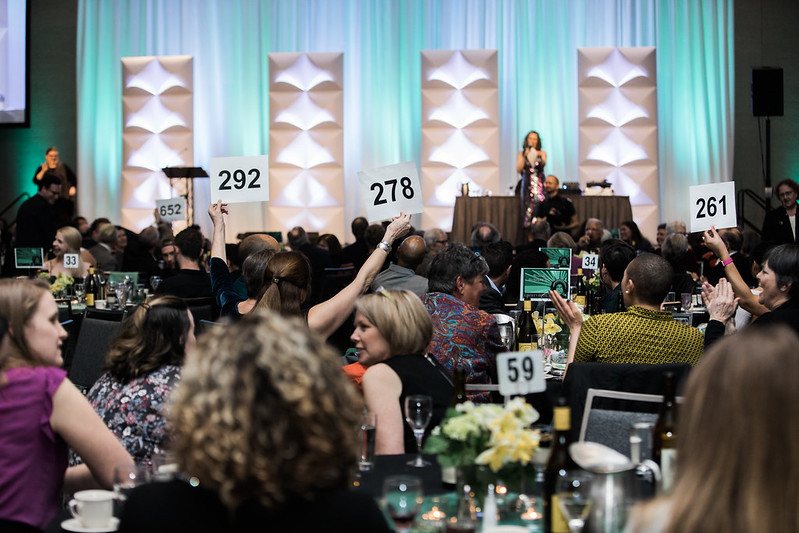
Our vendor partners aren’t just service providers—they’re true collaborators who make the impossible possible. The audiovisual teams who understand that technology isn’t just about sound and lights, it’s about creating atmosphere and emotional resonance. The auctioneers who know how to read a room and pace a paddle raise so that generosity builds on itself. The caterers who understand that food is part of the story we’re telling. The data teams who ensure that every detail is tracked so we can learn and improve.
These partnerships are built on trust and mutual respect. We know that when we bring a vendor partner into a project, they’re not just completing a task—they’re contributing their expertise to something meaningful. They’re helping create those moments where communities come together and movements are born.
I’m deeply grateful for these collaborators who show up with excellence, creativity, and a genuine commitment to the missions we serve. They make our work possible, and more importantly, they make it better. The events we produce aren’t successful because of Swaim Strategies alone—they’re successful because of the incredible ecosystem of partners who believe in doing this work with integrity and heart.
Pricing:
- Podcast – The Fundraising Elevator – Free
- Elevate Conference In Person – 750
- Elevate Conference Virtual – 200
- Hourly Consulting – 350
Contact Info:
- Website: https://swaimstrategies.com/
- Instagram: https://www.instagram.com/swaimstrategies/
- Facebook: https://www.facebook.com/swaimstrategies
- LinkedIn: https://linkedin.com/company/swaim-strategies/
- Youtube: https://www.youtube.com/@TheFundraisingElevator