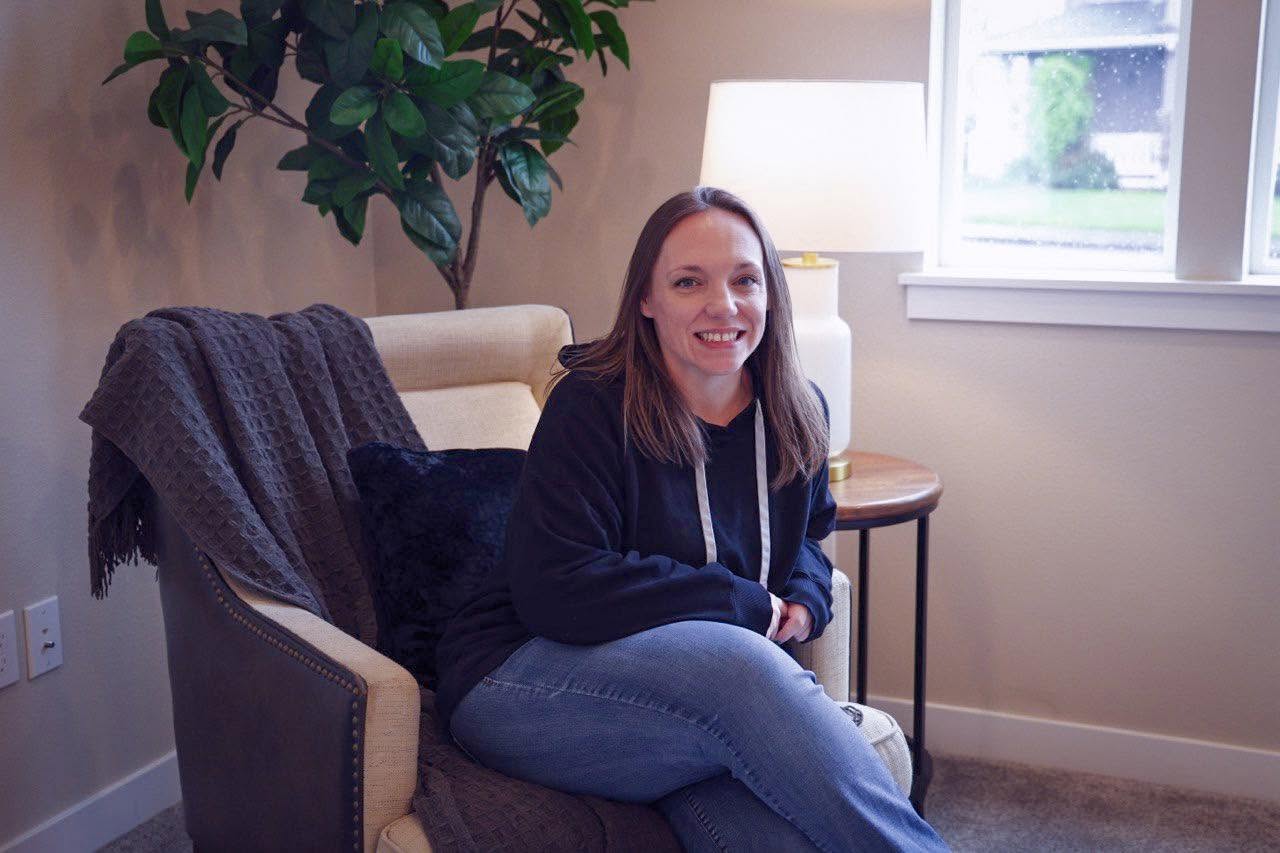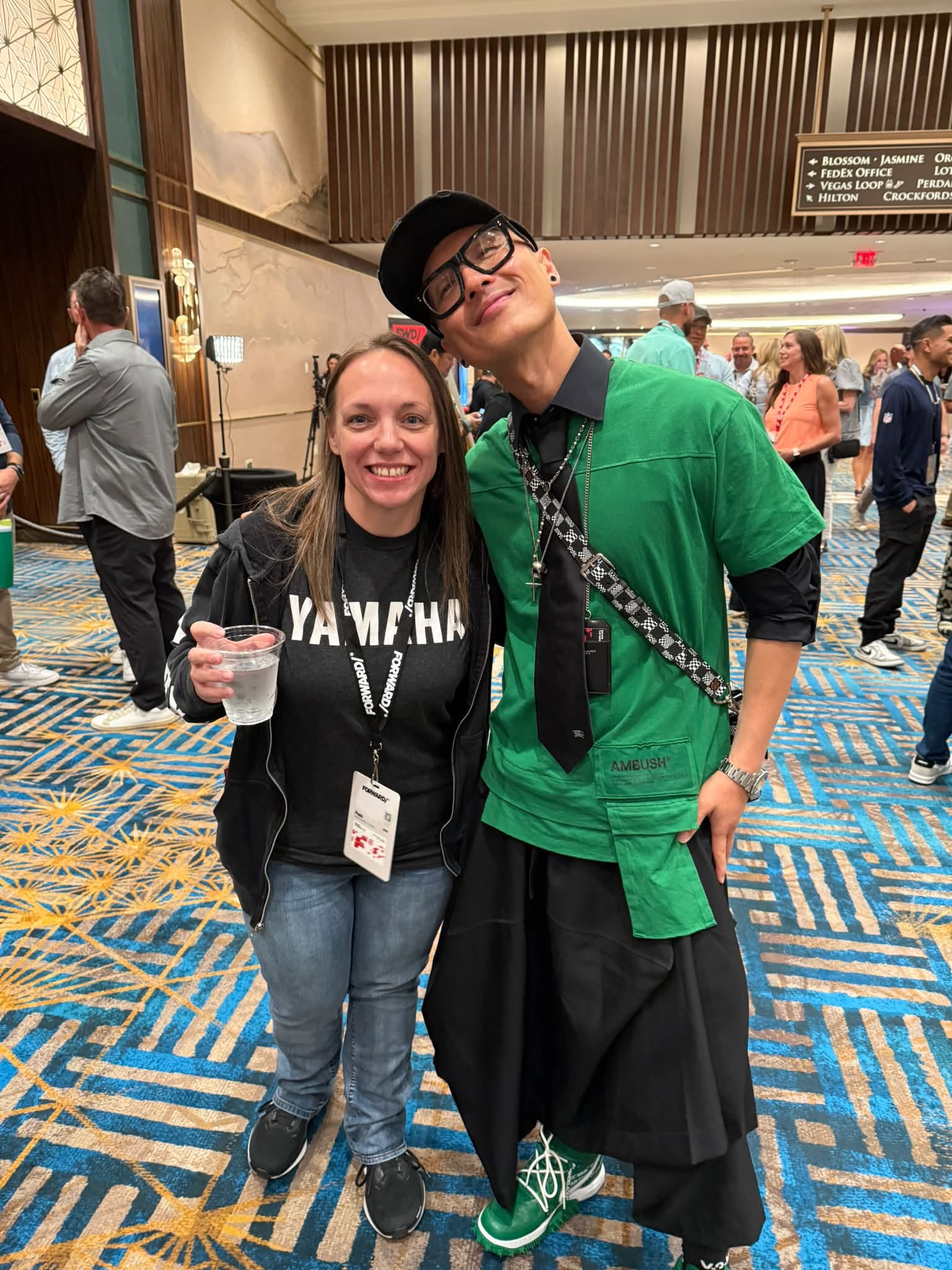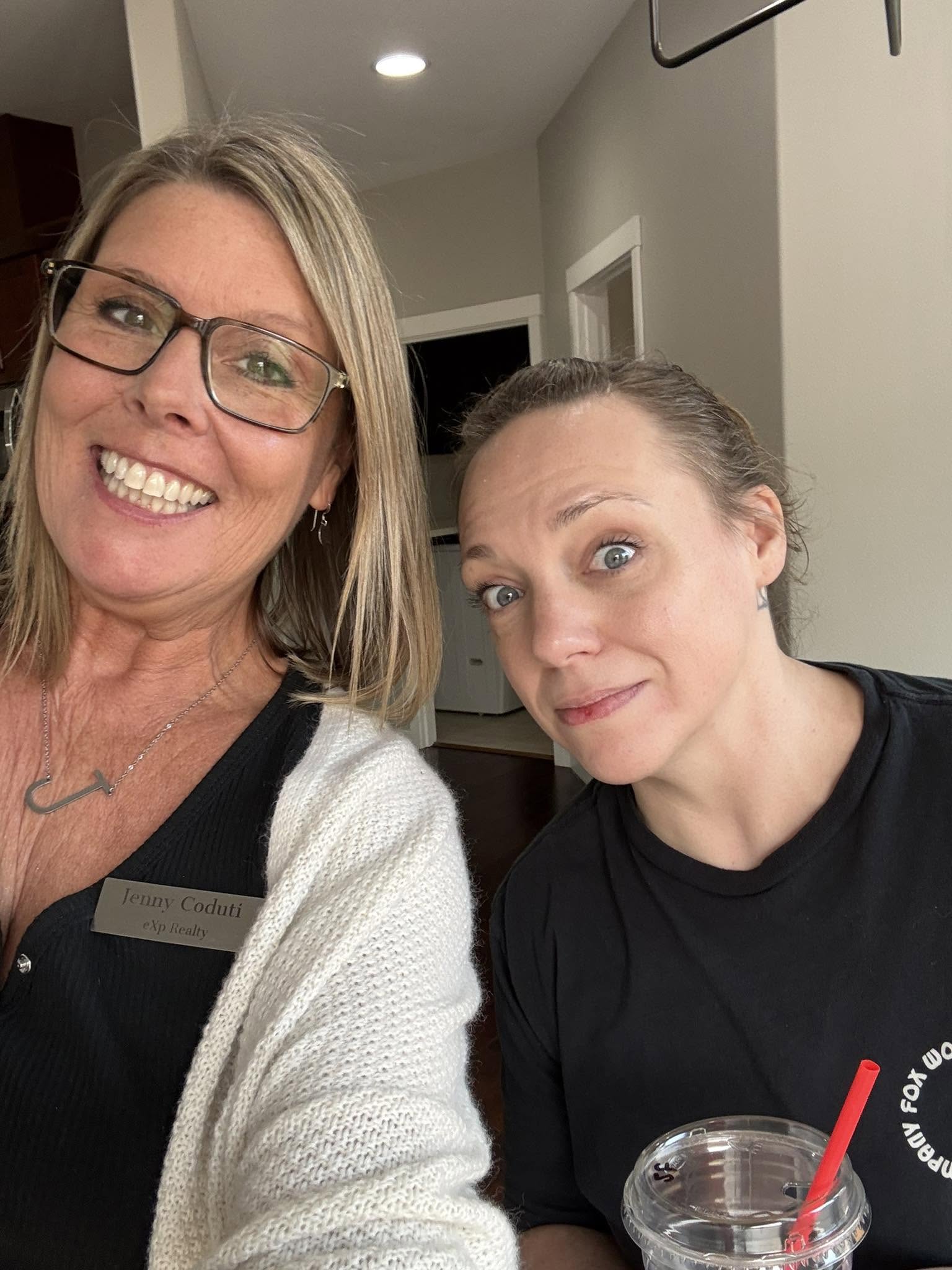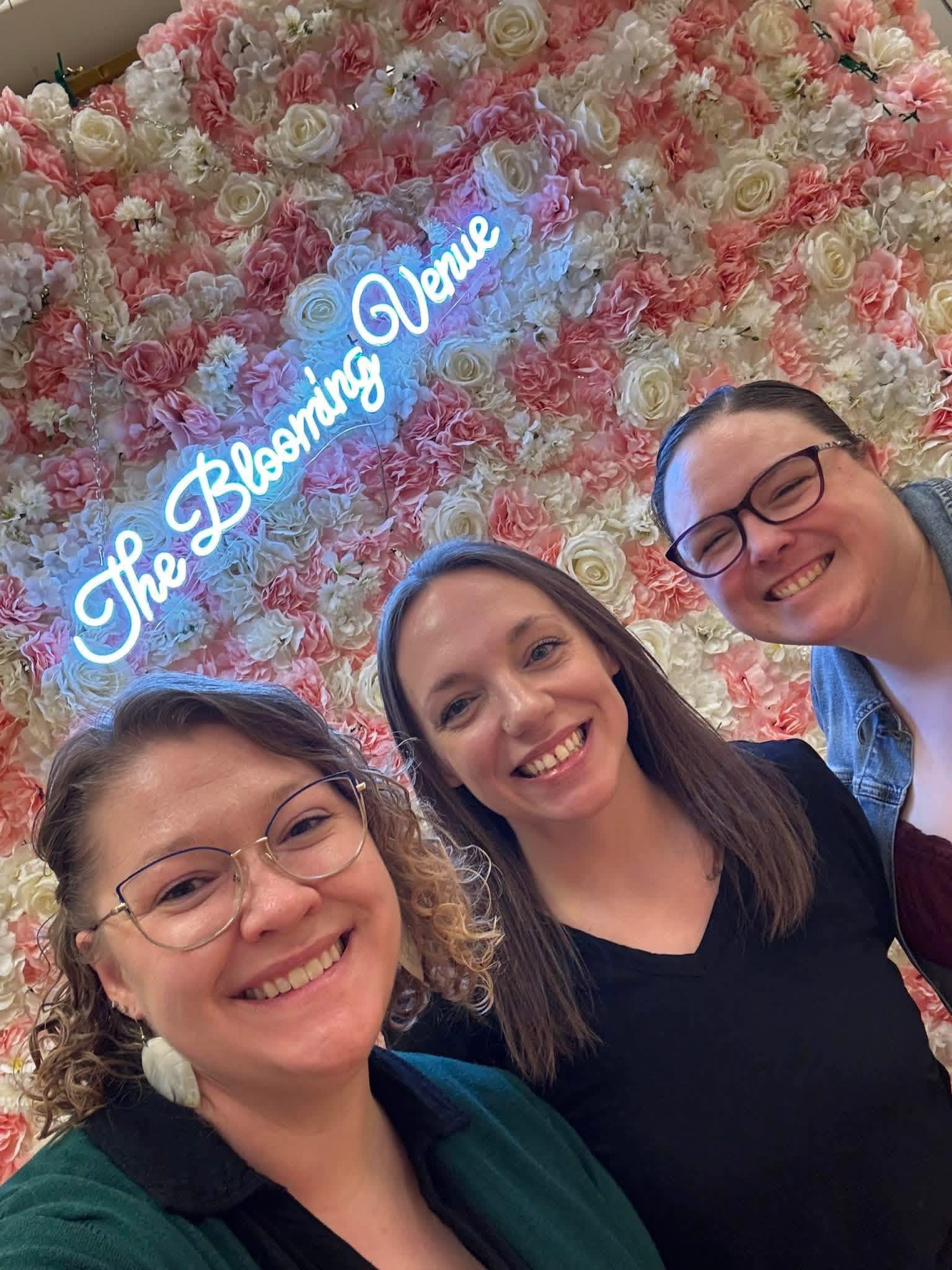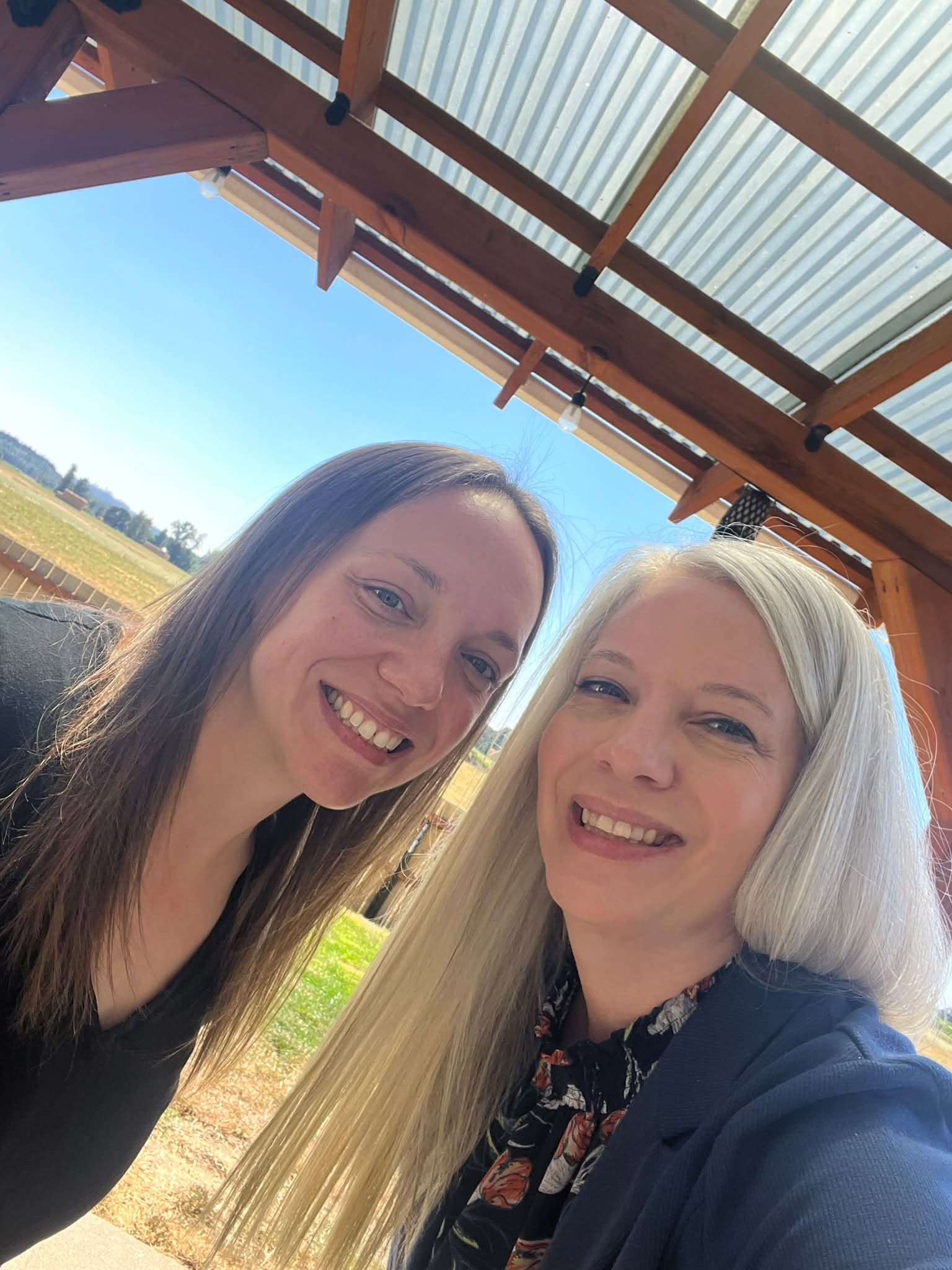



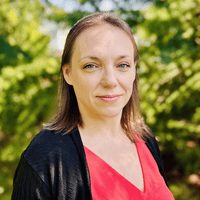
Today we’d like to introduce you to Ila Thody.
Hi Ila, can you start by introducing yourself? We’d love to learn more about how you got to where you are today?
I got my start in banking at 15, working as a teller at U.S. Bank. Looking back, I have no idea why they hired me. I’m not sure I would trust a 15-year-old with that job. I can only assume it was the old-lady green suit with shoulder pads I wore to the interview. No actual teenager would have voluntarily dressed like that.
That job was my introduction to the financial world. I worked there during high school before leaving to focus on school activities. After graduating and having my son at 19, I knew I needed a stable job with benefits, so I returned to banking as a teller.
From there, I taught myself how to open accounts and eventually moved into a new-accounts position. I became the go-to person for business accounts and IRAs, and that was the first time people started telling me I should consider lending. I wanted absolutely nothing to do with it. I liked operations—the systems, details, problem-solving and making sure everything ran the way it should.
I became an assistant branch manager, overseeing branch operations and beginning to coach employees. I was being considered for a regional operations coordinator position when the bank went through a merger and eliminated both that position and my existing role.
That brought me to Salem and another operations-heavy position at a much larger bank. It wasn’t the right environment for me, so I applied for a banker position at a local credit union. About three-quarters of the way through the interview, I discovered that it was actually a lending-heavy role. I had successfully avoided lending for years, but I wanted out of my current bank badly enough that I agreed to try it—temporarily, I assumed, until I found something else.
Then, lo and behold, I loved lending.
More importantly, I was good at it. I became a senior lender and later a branch manager, while also becoming heavily involved in training and employee development. Eventually, I created a new position for myself as a Sales and Service Coach.
That role required me to wear a lot of hats. I coached tellers, bankers, lenders and branch managers, and I helped members of the executive team become better coaches for their own employees. I created and facilitated training curriculum, and eventually trained other trainers because there simply wasn’t enough of me to go around. I also worked on market expansion and became a certified financial counselor.
I loved the work, but eventually felt I had reached a ceiling.
Around that time, I was offered a finance manager position at Power Motorsports. I initially declined it because, as a single mom with two kids, leaving a stable career for a commission-only position sounded both ridiculous and terrifying.
A few days later, my mom passed away unexpectedly.
Moments like that have a way of changing how you look at safety, security and time. I was devastated, and I needed something in my life to change. I called them back and accepted the position.
I spent four years at Power Motorsports, where I broke records and had my first real experience working on commission. I was successful, but the pace was relentless. The volume made it difficult to build meaningful relationships, the hours were intense, and even on my days off, I was answering my phone or going into work.
At the same time, my son was preparing to leave for college. He had always helped tremendously with my daughter, who was about to enter middle school, and I knew that with him leaving, she would need more of my time and attention.
Beyond that, the job no longer felt rewarding in the way I wanted it to. I was helping people finance exciting purchases, but I wanted to be part of something deeper and more meaningful, something like buying a home.
A friend connected me with someone he had gone to school with who worked at Synergy One Lending. After speaking with him, I had a strong feeling that this was where I was supposed to go next.
I spent the entire month of July 2025 studying for the licensing exam, passed it at the end of the month, and joined Synergy One Lending that September.
Now, nearly a year into the mortgage industry, I’m combining everything I’ve learned throughout my career: lending, financial counseling, coaching, education, relationship-building and problem-solving. In hindsight, it feels less like I changed careers and more like every role I had was preparing me for this one.
Can you talk to us a bit about the challenges and lessons you’ve learned along the way. Looking back would you say it’s been easy or smooth in retrospect?
No, not even close.
I didn’t go to college, so I couldn’t simply walk into many of the positions I wanted. I had to work my way up and prove I could do the job before anyone was willing to give me the title.
For a long time, I assumed I would stay in banking forever, not necessarily because it was my dream, but because it was all I knew. Moving forward required a tremendous amount of self-teaching. Most of the organizations I worked for didn’t have formal training programs for the roles I wanted, so I opened the manuals, studied the guidelines and taught myself how to do the work.
Moving to Power Motorsports brought an entirely different challenge. It was a male-dominated industry that had always employed male finance managers, and I knew absolutely nothing about motorsports. I couldn’t have told you the difference between most of the products when I started. Understandably, some of the salespeople were hesitant about me.
I was also coming from an operational background and stepping into a company driven primarily by sales. Their approach was often to make the sale and frantically fix the operational problems afterward. I began changing how things were done, which made those first few months pretty rough. Eventually, though, the team saw that strong operations didn’t interfere with sales, it protected their deals and their commissions. Once they recognized that I also knew how to sell, the resistance turned into respect.
Losing my mom during that transition was an enormous turning point in my life. She was my biggest cheerleader, the person who believed I could do anything, often before I believed it myself. Having to make such a significant change without her was incredibly difficult.
Now, building a mortgage business from the ground up has presented a new kind of challenge. I know the experience and skills I bring to the table, but to some real estate agents, I’m still simply “new,” despite having more than two decades of experience in banking, lending and finance.
Once again, I’m in a position where I have to prove myself. This time, I’m not only learning a new side of the industry, but I’m also responsible for finding my own clients and building an entire business around the work.
It has been humbling, frustrating and incredibly demanding. But I’ve spent my entire career teaching myself, adapting and earning my place in rooms I wasn’t automatically invited into.
At this point, I’m simply too stubborn to let a difficult road stop me.
As you know, we’re big fans of Synergy One Lending. For our readers who might not be as familiar what can you tell them about the brand?
I’m a mortgage loan officer with Synergy One Lending, but I don’t want to build the kind of mortgage business where I post interest rates, hand out “dream home” graphics and wait for people to magically appear ready to buy.
That isn’t how real life works.
Most people don’t wake up one morning with perfect credit, a pile of cash and a complete understanding of mortgage guidelines. They have questions. They have debt. Their income may be complicated. They may be recovering from something, starting over or convinced they can’t buy because Google, or someone’s cousin’s realtor’s lender, told them they couldn’t.
That is where I come in.
I have more than 25 years of experience in banking, lending, financial counseling, coaching and education. I know how to read the numbers, but I also know the numbers rarely tell the entire story. I look at what is happening now, what could be changed and what options people may not know exist.
Sometimes the answer is a traditional mortgage. Sometimes it is a less-common loan program or a completely different way of structuring the purchase. Sometimes it is a plan that takes six months, a year or even longer. And sometimes I have to tell someone that buying a house right now would be a terrible idea.
I’m not going to force a mortgage into someone’s life just because I can get it approved.
A big part of my brand is challenging the assumptions people make about homeownership. Buyers often disqualify themselves before they ever speak with a lender. They assume they need perfect credit, 20% down or two uninterrupted years in the exact same job. They think one financial mistake means they’re permanently out of the game. Usually, they are working with a mix of outdated advice, half-truths and information that was never specific to their situation in the first place.
I want people to bring me the messy version, the real numbers, the uncomfortable questions and the parts they think make their situation impossible. That is much more useful than pretending everything is perfect.
I’m also direct. I explain what something will actually cost, where the risk is and what tradeoffs come with each option. I don’t believe “technically approved” automatically means “financially comfortable.” If the payment is going to make someone miserable every month, we need to talk about that. If waiting could put them in a substantially better position, I’ll say that too. I would rather lose a loan than help someone make a decision I don’t believe is good for them.
Where I’m probably most rebellious is in how I approach relationships. The mortgage industry teaches lenders to chase transactions. I’m more interested in building something people can actually trust.
That means I work with buyers long before they are ready. I stay in contact instead of discarding them because they aren’t an immediate commission check. When a real estate agent refers someone to me, that client remains theirs. I help the buyer prepare, send them back to the agent when they are ready and communicate throughout the process so nobody is left wondering what is happening.
And once we are under contract, I’m tied to the outcome. I don’t disappear behind a portal or assume someone else will handle the problem. I communicate, troubleshoot and keep things moving. I’ve even helped complete repairs needed for an appraisal because standing around debating whose job it was wasn’t going to get my client into the house.
What I’m most proud of is that I’m building a brand that gives people permission to ask better questions and expect better answers. I don’t want to be known as the lender who had the flashiest marketing or shouted the loudest about rates.
I want to be known as the one who told the truth, found the possibilities other people missed and stayed when things got complicated.
What sort of changes are you expecting over the next 5-10 years?
Over the next five to ten years, I think technology will take over a significant portion of the mortgage process, and honestly, it should.
There are plenty of repetitive, administrative tasks that do not require a highly paid human being. Technology can collect documents, verify information, calculate scenarios, provide updates and identify missing pieces faster and more accurately than we can. Artificial intelligence will also change how buyers research homeownership, compare options and decide which professionals they want to work with.
What technology cannot replace is creative thinking, emotional intelligence and human judgment.
A computer can tell someone whether their loan meets a guideline. It cannot fully understand that they are buying a home after a divorce, preparing for an aging parent to move in or trying to create stability for their children. It can generate loan options, but it cannot always recognize the unconventional solution hiding inside a complicated situation or explain a difficult answer with empathy.
I think the mortgage professionals who operate primarily as application takers will struggle. If your entire value is collecting documents, quoting a rate and sending updates, technology is coming for your chair.
The professionals who remain valuable will be the ones who can interpret information, solve problems, challenge assumptions and help people make decisions when the “best” answer isn’t obvious. Technology should make us more efficient, but that efficiency should create more time for actual conversations, not simply allow us to process more people with less humanity.
The housing market itself will also require more creative thinking. I believe home prices will generally continue to increase over the next decade, although certainly not in a perfectly straight line. People continue to need homes regardless of what interest rates are doing.
I also don’t believe we should build our plans around mortgage rates returning to the extremely low levels we saw during the housing crisis and pandemic. Those rates were not normal; they were the result of extraordinary circumstances. Could rates come down? Absolutely. But waiting indefinitely for a specific rate, a dramatic price crash or the return of the 2020 housing market is not a financial plan. It is a bet on a hypothetical.
People cannot buy a home in 2020 today. They have to evaluate today’s market, today’s payment and today’s options.
Affordability will remain the industry’s biggest challenge. The conversation will need to move beyond interest rates because the rate is only one part of the payment. Home prices, property taxes, insurance and wages all affect whether a home is genuinely affordable. Even a dramatically lower rate does not solve the problem if prices and other ownership costs continue rising.
Because of that, I expect we’ll see more buyers considering options that were once treated as unconventional: multigenerational living, purchasing with family or friends, house hacking, accessory dwelling units, shared-equity programs and loan products designed for people whose income doesn’t fit neatly inside a traditional box.
The industry will have to stop assuming every successful homeowner follows the same path.
Ultimately, I believe the future of mortgage lending will be both more technological and more human. Machines will handle more of the process. The people will have to provide the perspective.
That is the part of the job I’m betting on.
Contact Info:
- Website: https://s1l.com/loanofficer/ila-thody/
- Instagram: https://www.instagram.com/ilathody/
- Facebook: https://www.facebook.com/ilathody87
- LinkedIn: https://www.linkedin.com/in/ila-thody/
- Youtube: https://www.youtube.com/@HomebuyerJourneys
- Yelp: https://biz.yelp.com/biz_info/RKZ2WRUgw3ouVS3pbBWhdA/