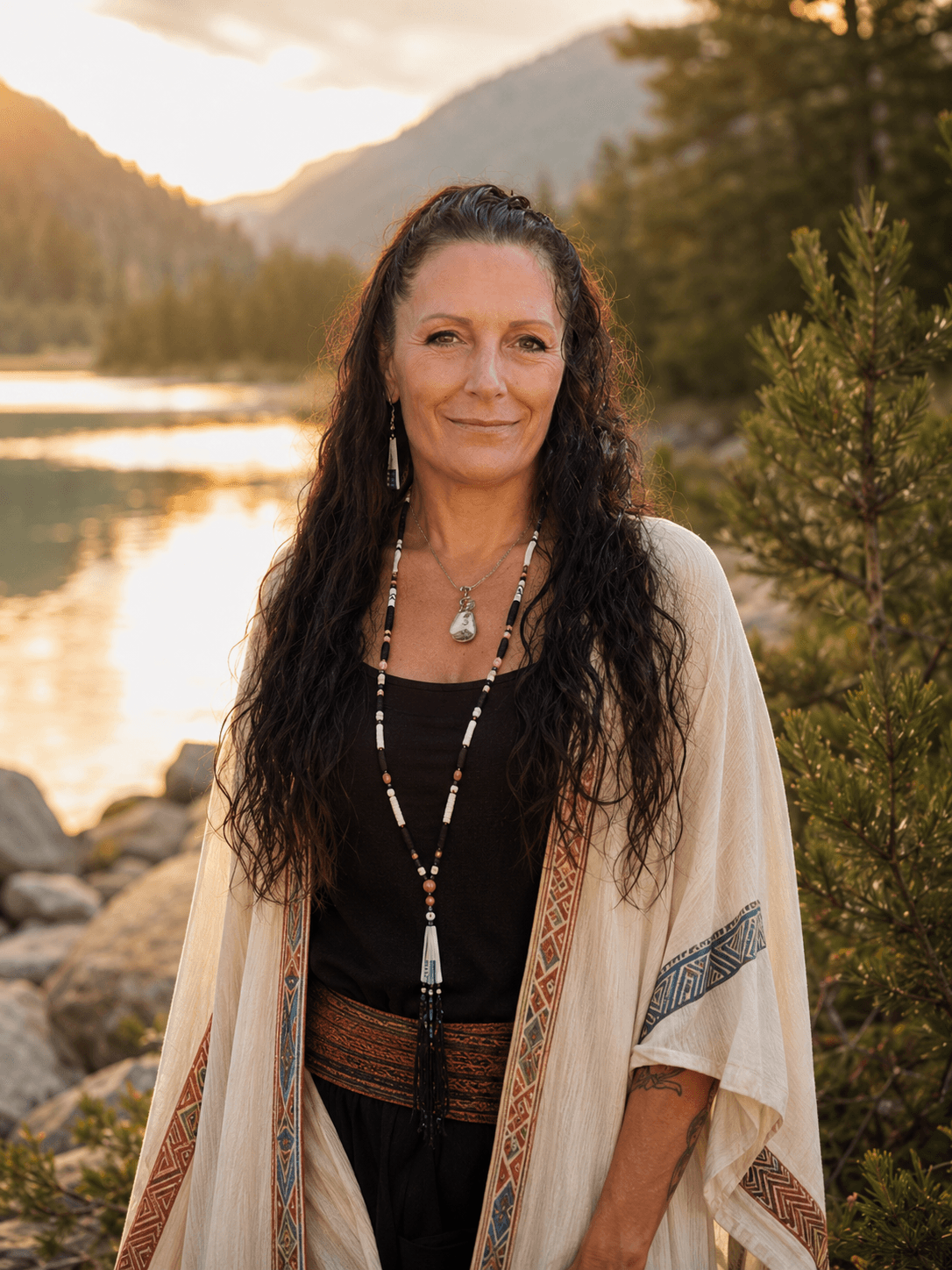



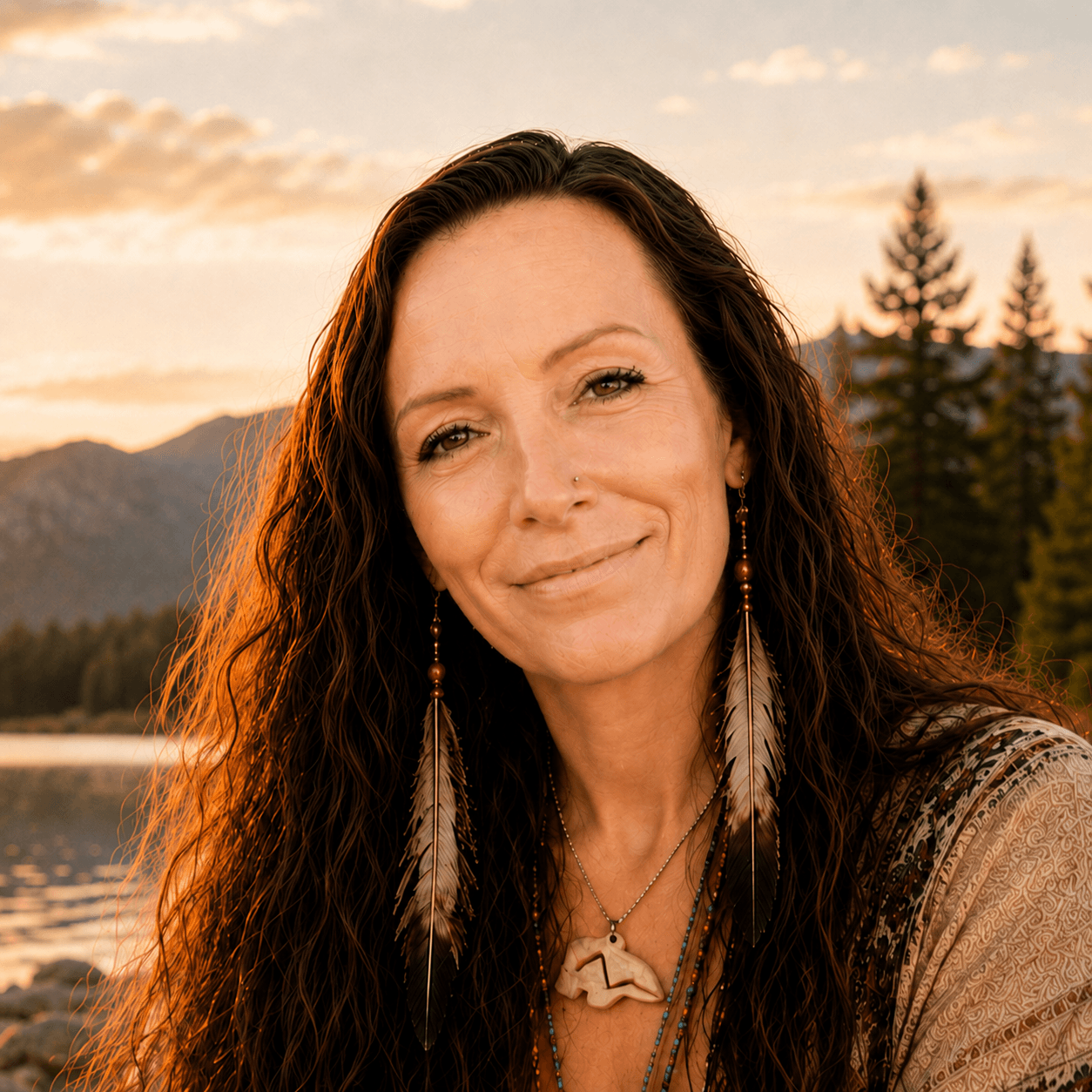
Today we’d like to introduce you to Renee Frye.
Hi Renee, thanks for sharing your story with us. To start, maybe you can tell our readers some of your backstory.
Sacred Sol began with my own addiction, trauma, and a life that had become painful enough that something had to change. I did not find this work because I was looking for a career. I found it because I was trying to save my own life.
Recovery was only the beginning. Once I stopped running from the pain, I wanted to understand it. Why had I become addicted? Why did certain patterns keep repeating? Why could I know better and still not do better? I began to understand that addiction was only one piece of a much larger story involving trauma, the nervous system, relationships, learned behaviors, and the ways we adapt to survive.
That search for answers eventually became my life’s work.
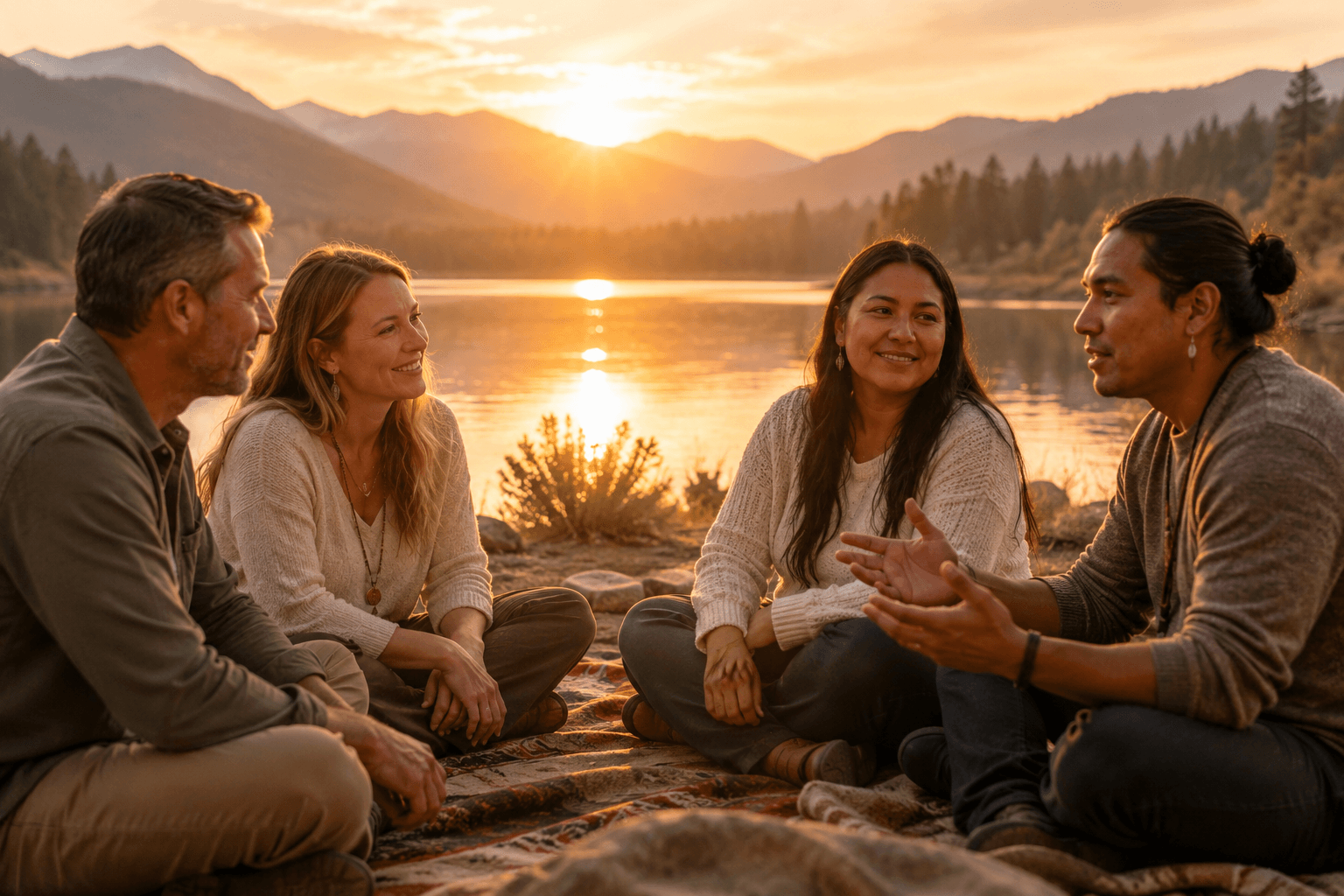
For more than 12 years, I have worked in behavioral health, addiction and recovery, trauma, corrections and reentry, youth programs, and community wellness. Along the way, I studied evidence-based approaches, holistic mind-body practices, and Indigenous ways of healing that recognize wellness as relational and connected to the whole person, family, culture, community, balance, and purpose.
The more people I worked with, the more I recognized something familiar. We are often very good at asking people what is wrong, but not nearly as good at helping them understand what happened, what they learned to do to survive, and what is still driving those patterns today.
That realization became Sacred Sol Healing Institute® and ultimately the Deconstructing Trauma™ Program.
What began as grassroots work has grown far beyond anything I originally imagined. Today, Sacred Sol brings together integrative behavioral health and trauma recovery, holistic and traditional healing, professional training and continuing education, and community-based programming. Deconstructing Trauma™ has grown into mental health and substance use program models, facilitator curricula, professional trainings, and public self-help resources. We are also developing Sacred Sol Behavioral Health, our outpatient mental health and substance use disorder program, while continuing culturally grounded community work alongside Traditional Ways Healing Collective.
But the heart of it is still simple.
I created what I needed when I was struggling.
I know what it feels like to believe your pain, addiction, or past has become your identity. I also know what can happen when you begin to understand your story differently and realize that what happened to you does not have to define what comes next.
My past is not something I hide from in this work. In many ways, it is where the work began.
I’m sure it wasn’t obstacle-free, but would you say the journey has been fairly smooth so far?
It has definitely not been a smooth road. Before I ever started building Sacred Sol, I had already spent years rebuilding my own life from addiction, trauma, loss, and survival. Recovery gave me a way forward, but it did not magically heal everything underneath it. I still had to face the pain, understand the patterns I had developed to survive, and learn how to live differently.
That process taught me early on that healing is rarely linear. Neither is building something meaningful.
Sacred Sol started small and grew one relationship, one program, and one opportunity at a time. I did not begin with major funding, a large team, or a clear roadmap. I had lived experience, education, a strong vision, and a willingness to keep learning. Along the way, there have been financial challenges, closed doors, changing partnerships, ideas that did not work, and plenty of moments when I had to rethink the direction I was going.
One of the biggest challenges has been building an approach that does not fit neatly into one traditional box. Behavioral health, addiction recovery, trauma work, holistic wellness, peer support, and traditional healing are often separated into different systems. I have always believed those pieces can be connected responsibly, so a large part of the journey has been learning how to bridge them while still maintaining strong professional, ethical, and evidence-informed standards.
Working in rural Southern Oregon brings its own challenges as well. We see significant behavioral health and recovery needs alongside workforce shortages, limited resources, transportation barriers, and gaps in access. At the same time, those realities have made collaboration and creativity essential.
Some of the things that once felt like setbacks ended up redirecting me toward better opportunities and a clearer vision. I think the biggest lesson has been learning not to confuse a difficult road with the wrong road.
Persistence has probably been one of the most important things I have carried from my own recovery into building Sacred Sol. I have learned how to adapt, keep moving, and continue creating even when the path looks nothing like I originally imagined.
We’ve been impressed with Sacred Sol Healing Institute, but for folks who might not be as familiar, what can you share with them about what you do and what sets you apart from others?
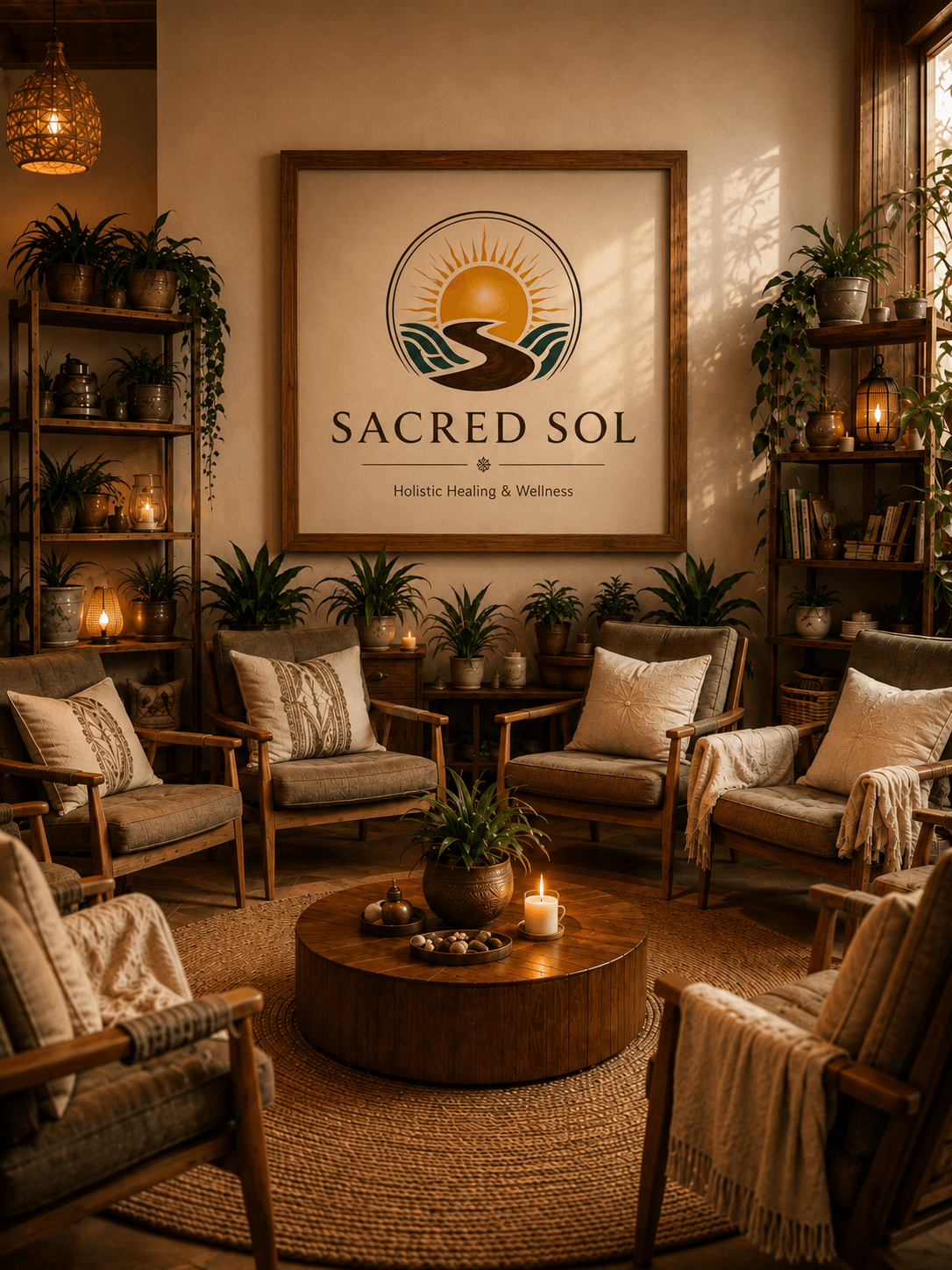
Sacred Sol Healing Institute® is an integrative behavioral health, trauma recovery, and wellness organization rooted in the belief that healing has to address the whole person.
What sets Sacred Sol apart is that we intentionally bring together areas that are often treated separately. Our work includes behavioral health and trauma recovery, holistic and traditional healing, professional training and continuing education, prevention, recovery support, and community-based programming. We blend evidence-informed practices with culturally grounded and mind-body approaches so people are not limited to one pathway for healing.
One of the things we are best known for is the Deconstructing Trauma™ Program, which I created after years of lived experience and direct work in behavioral health, addiction recovery, corrections, reentry, youth programs, and community settings. The program helps people understand the patterns underneath trauma, addiction, emotional reactivity, and survival responses, while also building practical skills for regulation, self-awareness, relationships, and long-term change.
Deconstructing Trauma™ now includes mental health and substance use program models, facilitator curricula, public self-help resources, and professional continuing education trainings. It is designed to be practical, adaptable, and usable across a wide range of settings.
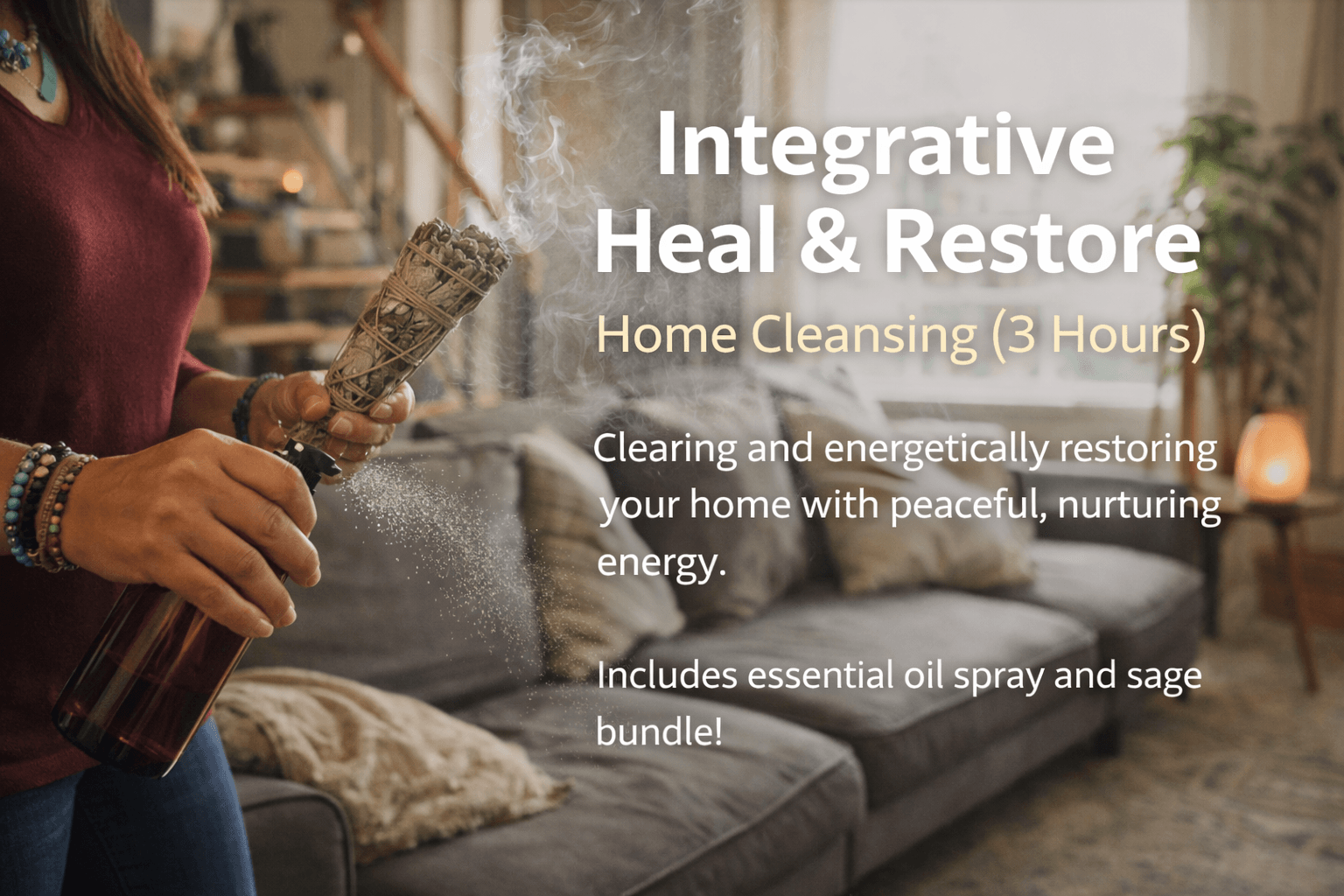
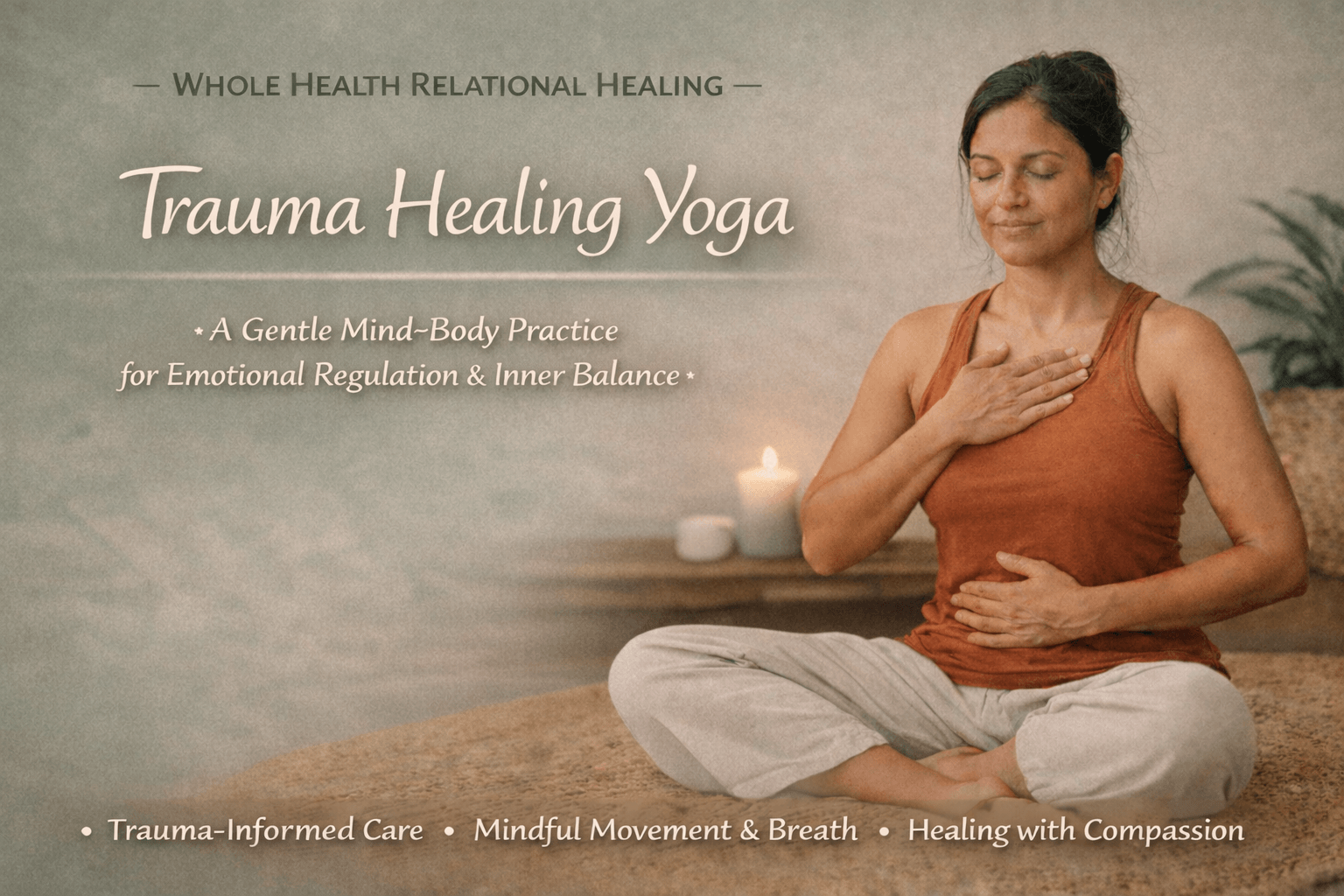
Sacred Sol has also grown into distinct but connected areas of service. Through Sacred Sol Healing Institute, we provide professional education, consultation, curriculum development, continuing education, and community programming. Through Sacred Sol Healing, we offer holistic and traditional healing approaches, mindfulness, movement, breathwork, wellness support, and other mind-body practices. We are also developing Sacred Sol Behavioral Health, our outpatient mental health and substance use disorder program.
What I am most proud of is that Sacred Sol has grown without losing the reason it started. We have become more structured, more professional, and more expansive, but the work is still deeply personal and community-centered.
I want readers to know that Sacred Sol is not built around the idea that one method works for everyone. We are building multiple pathways to healing that honor lived experience, culture, evidence, relationships, and the reality that meaningful change often happens when people are finally able to understand themselves in a different way.
Can you share something surprising about yourself?
Something that surprises people is how many different worlds have shaped the work I do today.
Most people know me as the founder of Sacred Sol, a behavioral health professional, trainer, and program developer. What they may not realize is how deeply my background also includes holistic and mind-body practices. I am a master-level yoga instructor and have spent years studying mindfulness, breathwork, meditation, energy-based practices, and the relationship between the body, nervous system, and emotional well-being.
At the same time, my professional work has taken me into addiction treatment, corrections and reentry, youth programs, Tribal communities, recovery settings, and professional education.
Those areas may seem very different, but to me they have always been connected. I have never been interested in looking at people through only one lens. I am interested in what helps people understand themselves, regulate, reconnect, and create lasting change.
That combination of lived experience, behavioral health, holistic practice, traditional healing, and professional education is really what shaped Sacred Sol into what it is today.
Contact Info:
- Website: https://sacredsolhealing.com
- Instagram: https://www.instagram.com/sacredsolhealinginstitute/
- Facebook: https://www.facebook.com/sacredsolhealinginstitute
- LinkedIn: https://www.linkedin.com/in/sacredsolhealing/
- Twitter: https://twitter.com/sacredsolhealin
- Youtube: https://www.youtube.com/@sacredsolhealinginstitute
- Yelp: https://www.yelp.com/biz/sacred-sol-healing-institute-klamath-falls-2