


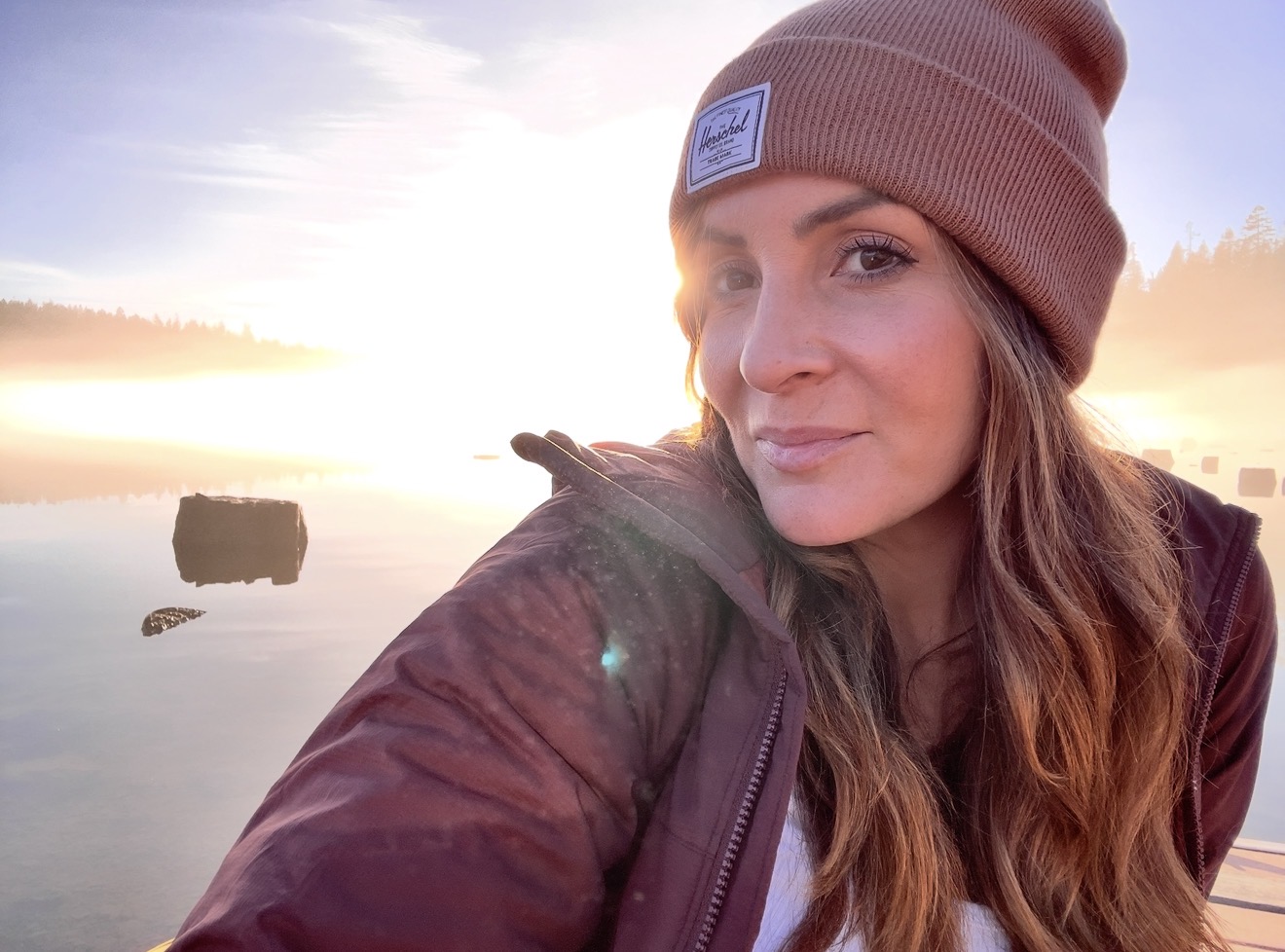
Today we’d like to introduce you to Darby Briar.
Hi Darby, thanks for joining us today. We’d love for you to start by introducing yourself.
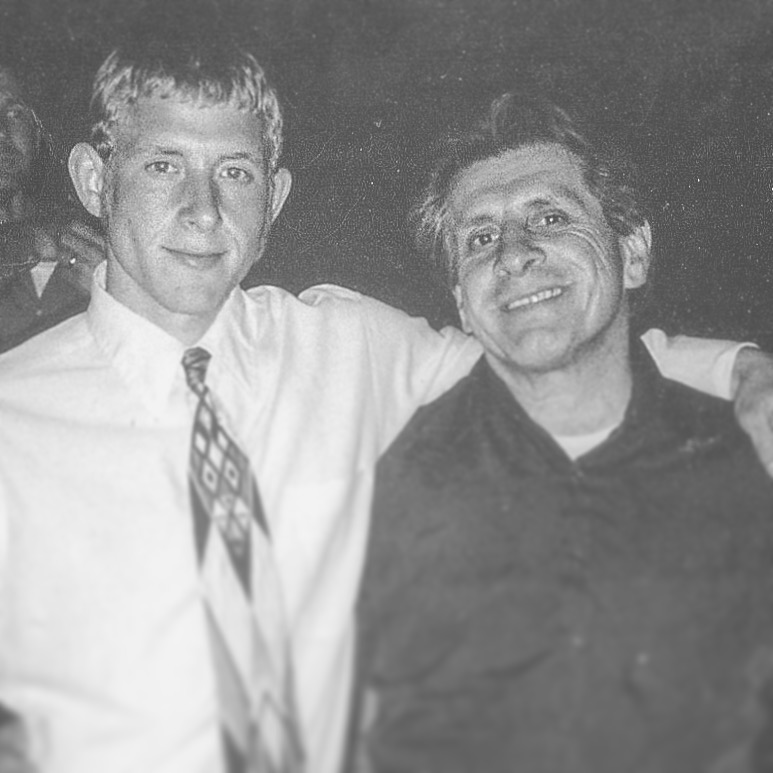
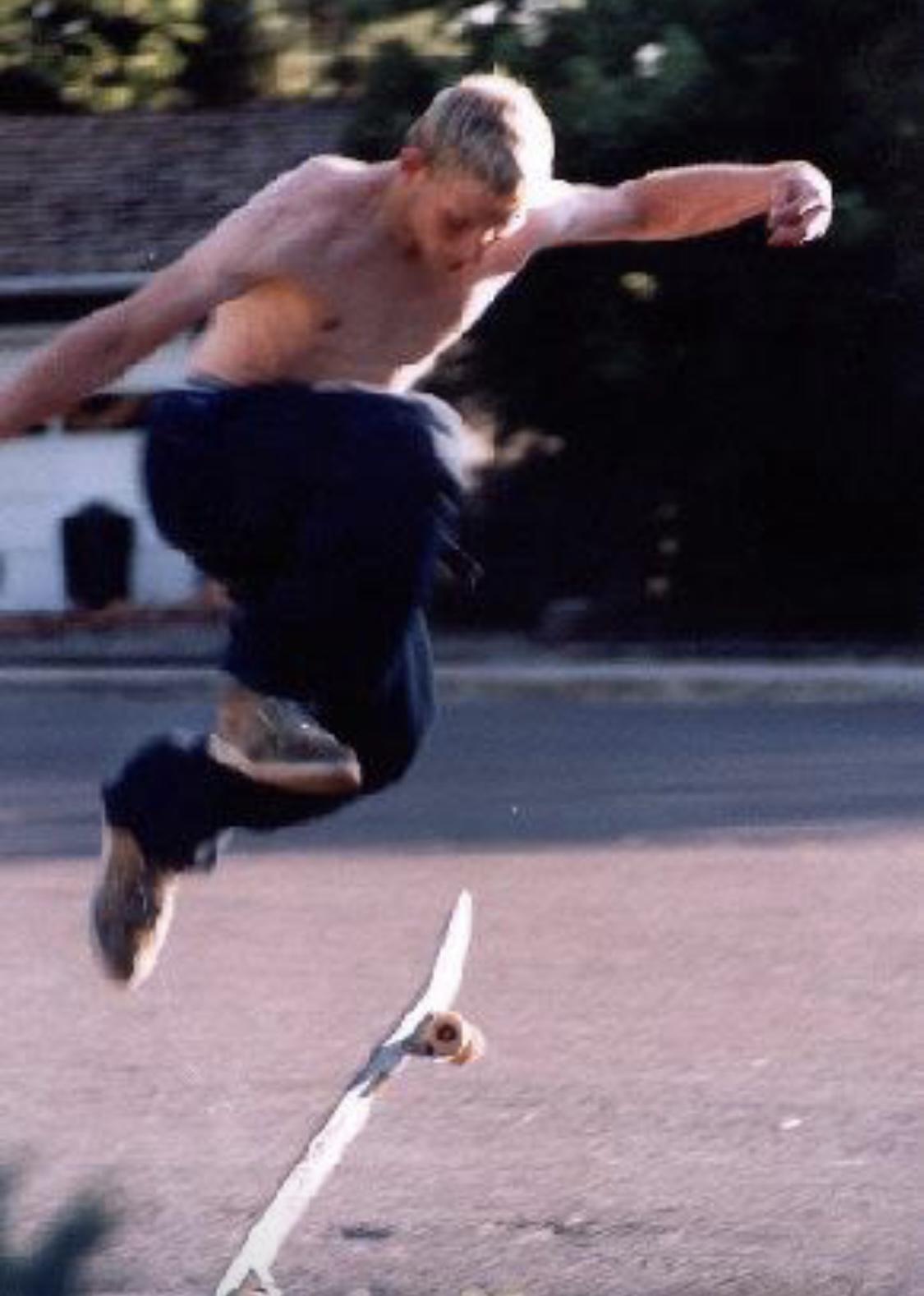
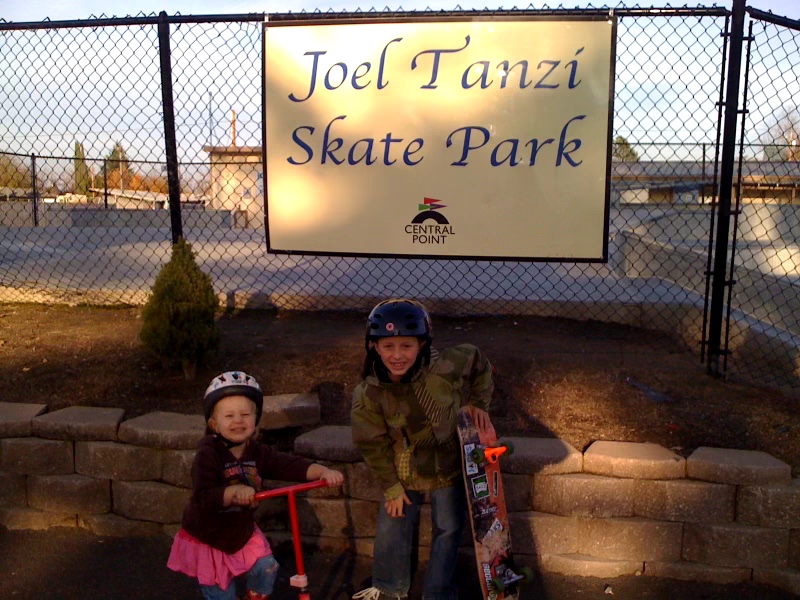
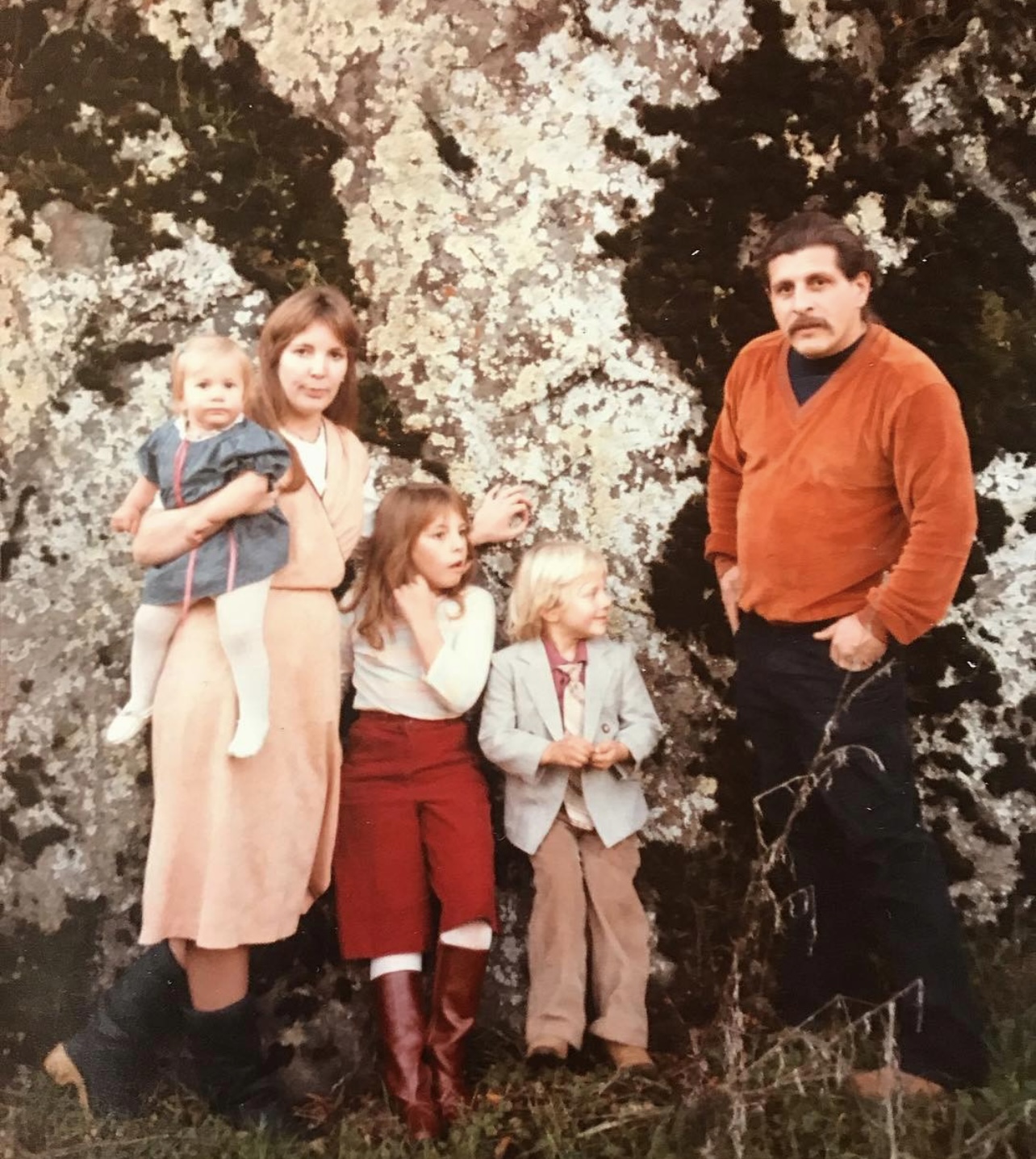
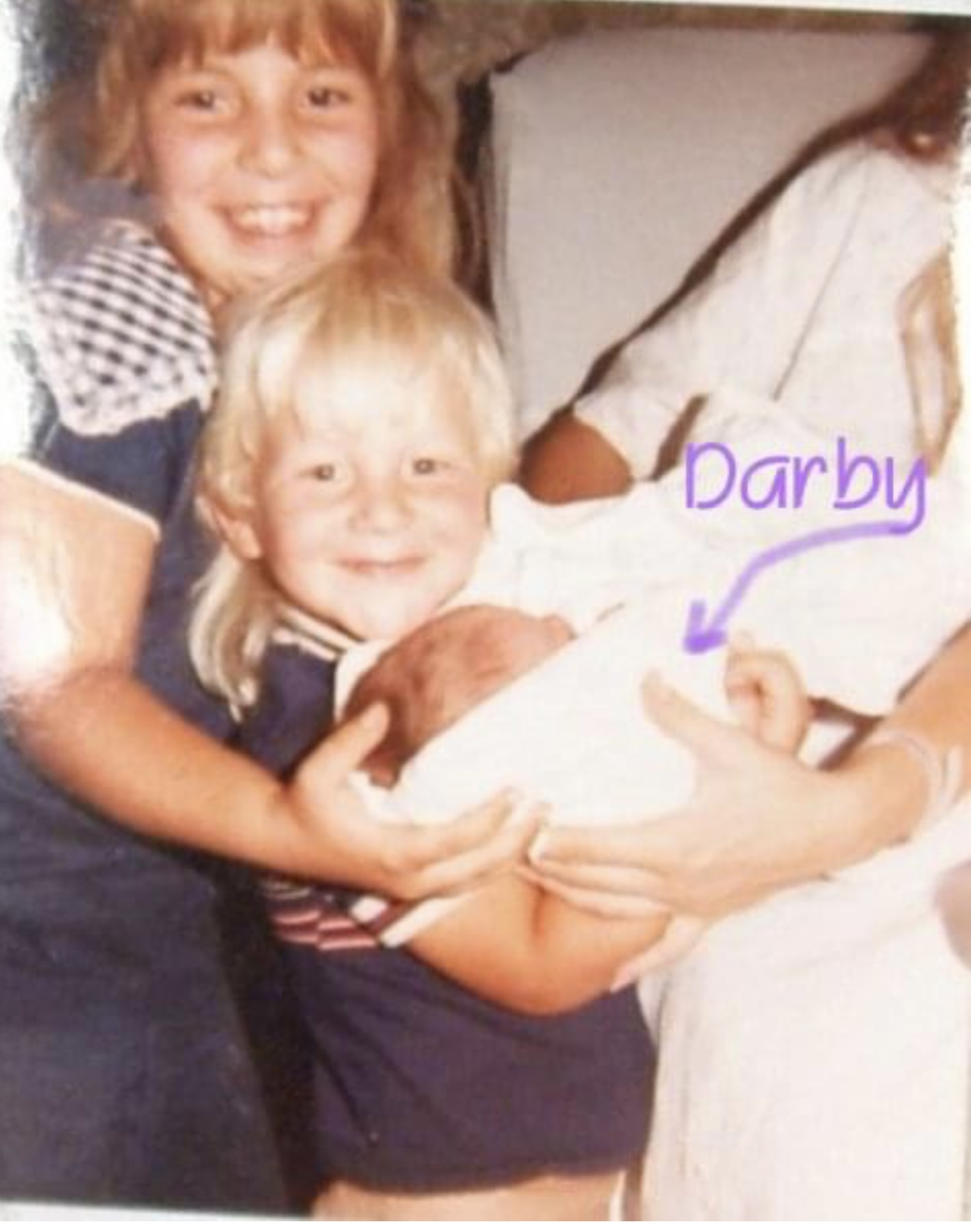
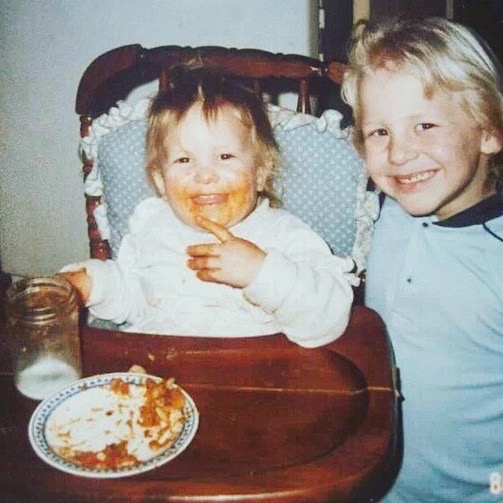
When I was 15 years old my brother died tragically in a car accident. Our family dog died with him. There are sounds and emotions from that day that have never left me. I watched my mother experience grief I didn’t yet have the words for. I had to call my dad and tell him his only son was dead. I can still remember the sound he made on the other end of the phone, the first time I have ever heard a man wail. His life was short, but he meant so much to so many people, they built and named the local skatepark after him.
Grief didn’t end when the funeral was over and the friends and family went home. It became something I carried into adulthood, relationships, motherhood, family struggles and the ordinary days of being human. Nearly 30 years later I still miss my big brother. I still work with the residue of loss.
Over the years, I found ways of meeting the residue ; alongside ways of not to.
Through meditation. Yoga. Prayer. Nature. Movement. Chinese medicine. Kundalini and many other holistic outlets. Eventually Yoga Nidra or also known as Non- Sleep Deep Rest came to my life, when it was time for me to become the teacher.
I see Yoga Nidra and Non-Sleep-Deep-Rest as one tool in a very large tool box and one I particularly loved due to how simple it is. Just close your eyes, listen, breathe and follow the guided voice. Choose a practitioner that feels comforting and safe. there are many free sessions on YouTube. This zero cost tool doesn’t need equipment, a membership or much of your time.
Neuroscientist Andrew Huberman helped popularize the term NSDR,or Non-Sleep Deep Rest, into the mainstream and has spoken extensively about practices such as Yoga Nidra and their relationship to Deep Rest, relaxation, stress, regulation, sleep, and learning capacity. I appreciate the connection between ancient practices and modern neuroscience! For me, the science doesn’t replace my spiritual and holistic practice. It offers us another language for understanding why something humans have practices for generations can be very very useful. And perhaps most importantly, it’s accessible. It’s something we can reach for when life gets hard, but also for the everyday stress that quietly accumulates.
You can lie down, listen, breathe, and begin practicing how to meet what happening inside you without immediately reacting to it. That’s really what my work is about. Lets not try to escape the difficult parts of being human, but develop enough regulation and awareness that we can meet with a little more neutral mind and choose what comes next rather than always responding from old pain.
I wish my brother could be here now, I wish he could see his little sister thriving, trying her best. raising her family, studying the nervous systems teaching others how to rest and trying to leave families with more tools than the generations before us had. I think in someways what I teach circles or leads back to that 15 year old girl and her brother. The grief is still there, but so is the love and both have shaped the teacher and being I have become.
Would you say it’s been a smooth road, and if not what are some of the biggest challenges you’ve faced along the way?
One of the biggest challenges has been getting comfortable being the teacher. Putting yourself out there, your voice, your art doesn’t always come naturally. and sometimes feel uncomfortable. But when I have a client or student who express their gratitude or share their deep rest experience, I remember why I do it. I believe my story, my trials and pain ultimately led me to become a more kind, compassionate being willing to help others. that’s a reward to me.
Alright, so let’s switch gears a bit and talk business. What should we know about your work?
Through the Briar Method, I teach Yoga Nidra and non-sleep deep rest and NSDR. What I love about this work is that you don’t have to be flexible, experienced in meditation or good at turning your brain of. You can Lie down, get comfortable, and let the voice guide you.
Yoga Nidra is a guided meditation rooted in the ancient yoga tradition, often translated as a yoga sleep. Rather than moving through poses, you move your attention through different parts of the body and breath, sensations and imagery. The intention is to remain aware as you settle into deep rest, although many drift into sleep, needing it. NSDR is an umbrella term popularized by neuroscientist Andrew Huberman for protocols that encourage deep rest and reset.
What intrigues me is that rest isn’t simply the absence of activity. Our level of alertness, breathing and bodily tension are connected to the nervous system. These practices give us a way to to explore those connections through experience.
What makes this work especially interesting to me is that researchers are beginning to measure what practionors have described for years. IN a 2025 randomized controlled trial involving 362 adults, regular Yoga Nidra practices associated with Lewer total salivary cortisol and healthier daily cortisol patterns, even with a practice as short as 11 minutes. An earlier randomized study of people with chronic insomnia also found sgnifigant reduction in salary cortisol following Yoga Nidra. In 2023 a pilot study publishes in PLOS ONE, beginners practicing twenty minutes of Yoga Nidra showed faster cognitive processing and improved accuracy on tasks involving visual learning, working memory and abstract thinking. Their measured night time sleep improved as well. The research is still developing, but I find ir fascinating that a practice only requiring a safe place to rest and listen, may support your nervous system, sleep, memory and our ability to learn.
I bring my training in Yoga Nidra together with my ongoing studies of neuroscience, teaching community classes, private sessions and recorded practices. My goal is to make rest approachable and accessible, especially for people who feel overwhelmed or may lack tools for emotional regulation. Yoga Nidra and NON- Sleep Deep Rest are just one tool we can add to the tool belt of emotional skills. You can explore it at no cost through guided recordings, without buying equipment or changing your beliefs. What I hope people discover is that they don’t have to be exhausted to deserve a moment of rest, or perhaps we are capable of carrying joy and sadness simultaneously.
https://pubmed.ncbi.nlm.nih.gov/34825538/?utm_source=chatgpt.com
https://journals.plos.org/plosone/article?id=10.1371%2Fjournal.pone.0294678&utm_source=chatgpt.com
https://pubmed.ncbi.nlm.nih.gov/40373021/
Where we are in life is often partly because of others. Who/what else deserves credit for how your story turned out?
Yoga Nidra is not a new wellness trend. Its roots reach back into ancient yogic and tantric traditions of India. The structured method I was trained in comes through the Bihar tradition and was developed and systematized for modern practice by Swami Satyananda Saraswati, founder of the Bihar School of Yoga. I believe it is important to honor the tradition and teachers who carried this knowledge forward, even as a modern neuroscience gives us a new language for understanding what can be occurring and happening to the brain and nervous system.
Contact Info:
- Website: https://thebriarmethod.com
- Instagram: https://www.instagram.com/darbybriar/
- LinkedIn: https://www.linkedin.com/in/darby-briar-21940556
- Youtube: https://www.youtube.com/@DarbyBriarNSDR