


Today we’d like to introduce you to Pam Pearce.
Pam, we appreciate you taking the time to share your story with us today. Where does your story begin?
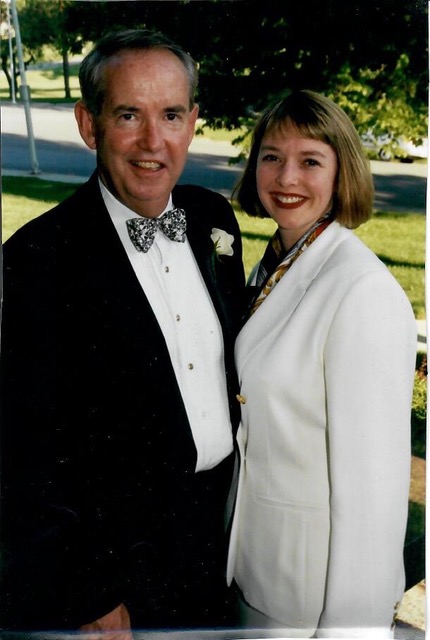
My story is one of redemption. I grew up in Lake Oswego, OR, in a family that, by all society’s standards, looked successful from the outside but was deeply affected by alcohol. When I graduated from high school, I was voted both “best dressed” and “biggest partier,” two titles that, looking back, say a lot about the difference between what people could see and what was really happening. My father was incredibly accomplished, yet he also had what we now know as alcohol use disorder, which slowly took so much from him. He died at 64.
I began using alcohol and other substances at a young age, believing what many of us were told: that experimenting was a rite of passage and I would eventually grow out of it. I didn’t. I found recovery in 1995, and what was once one of the most difficult parts of my life ultimately became the foundation for much of who I am and what I do today. Recovery gave me the opportunity to become a wife, mother, daughter, and friend in ways I don’t believe would have been possible otherwise.
I’ve been told many times over the years that my passion is contagious. My father used to say, “Pam has always gotten what Pam sets out to get.” When I believe something can be different, I have a hard time accepting that it can’t change. That passion, and perhaps stubborn determination, has become a defining thread throughout my life, both personally and professionally. It has taken me places I never planned to go and led me to work I never imagined doing.
Becoming a mother gave my recovery an even greater purpose. I have three children, and I wanted them to have information I never had: that family history and genetics matter; that starting substance use young increases risk; that recognizing a problem and asking for help is a strength; that recovery is real; and, most importantly, that substance use disorder is not an inevitable part of anyone’s story; it can be prevented.
That desire eventually led me to what has become my primary passion: preventing substance use disorders. I didn’t set out to run an organization or work in public policy. I simply started asking questions, learning, and talking openly about topics people often avoided. Eventually, I was given the opportunity to lead Community Living Above, a local substance use prevention coalition. Working alongside young people, families, schools, law enforcement, healthcare, and other community partners reshaped my understanding of prevention. It’s not simply about telling kids not to use substances. It’s about providing young people and families with accurate information, strengthening protective factors, changing unhealthy norms and environments, and equipping people with what they need to make informed decisions.
Along the way, another unexpected opportunity emerged. In 2016, I learned about Generation Found, a documentary about a recovery high school. I wondered what a recovery high school was and whether I might have needed one when I was young. I brought the documentary to Oregon, and what began as a small group asking, “Could we do this here?” grew into a much larger collaborative movement. On May 7, 2019, my father’s birthday, I sat on the grounds where I had first been introduced to substances and watched my alma mater, the Lake Oswego School District, vote to help establish Oregon’s first recovery high school.
That moment reinforced something I’ve carried with me into everything I’ve done since: just because something has always been a certain way doesn’t mean it has to stay that way.
Over time, my work moved further upstream. I began looking beyond what we could change within a single community and asked which systems, policies, and funding structures needed to change so prevention could happen across Oregon. That led me into statewide prevention and public policy work, including helping advance legislation that made primary prevention of youth substance use a priority in Oregon.
Looking back, none of these pieces feel separate. My family’s experience led me to recovery. Recovery led me to prevention. Prevention led me to community work, and community work led me to systems change.
At the center of it all remains the same motivation: I wanted my children to have the information and opportunities I didn’t have. Eventually, I realized that if I wanted the world to be different for my children, I had to help make it different for everyone else’s children, too. That continues to drive my work today, helping create a world where young people have the knowledge, support, and environments they need to thrive before substance use even begins.
I’m sure it wasn’t obstacle-free, but would you say the journey has been fairly smooth so far?
It definitely has not been a smooth road. But I also don’t think I would be doing the work I do today if it had been.
My earliest struggles were personal. I grew up in a family affected by alcohol use disorder and later developed my own substance use issues. My academic and emotional world in both high school and college was hindered by using substances. Ultimately, I got sober after college, which wasn’t part of the life I had envisioned for myself. I had to accept that the way I was living wasn’t working and that if I wanted a different life, I had to be willing to change. Recovery taught me to ask for help, be honest about things that are uncomfortable to talk about, and, most importantly, keep moving forward when the path isn’t clear.
Being in long-term recovery doesn’t mean life is without struggle. I’m still human, and there are ups and downs. Having substances removed helps prevent problems from becoming trouble, but stigma persists because there is still so little understanding of substance use disorders. I believe the stigma stems from the fear and uncertainty that arise when the disease is faced, and no one knows what to do. Then, when you meet someone in recovery, people don’t know how to act or what to say. For me, examples include people, places, and experiences I sometimes wish to be part of but choose not to because substances are central to them, or because I have to think differently about how I participate. After all these years, I still make decisions that protect my recovery. I’ve learned that taking care of myself isn’t about what I can’t do; it’s about protecting the life recovery has allowed me to have.
My recovery also affects the people I love in ways I don’t always see. My husband has spent our life together thinking through situations with me, including whether an environment feels safe, whether we should attend, or whether it might be better to say no. I’m sure there have been invitations, events, people, and situations he has declined or simply never shared with me because he was quietly protecting me and our life together. That’s one of the realities of substance use disorder that isn’t talked about enough: while one person may have the disease, the people who love them also experience and navigate it.
There is also a deeply personal side to this as a mother. My children have experienced the stigma that can come with having a parent with a substance use disorder, even though recovery is all they have ever known me in. I’ve tried to help them understand that knowing our family history doesn’t put them behind; in many ways, it puts them ahead. They have information about their own risk and choices that I didn’t have at their age.
But I also know there were hurdles that came with having a mother who was not only in recovery but also very public about it. I am sure there were times when they were known as the kids whose mom was in recovery and publicly shared that kids shouldn’t use drugs or alcohol. I wondered whether friends or their parents might feel nervous about coming to our house because they knew my story or didn’t understand what recovery meant. I am sure my children navigated situations they never even told me about. I knew that being open about my recovery, raising awareness of the importance of prevention, and opening a recovery high school in our city could affect them, so I did my best to address those things honestly rather than pretend they didn’t exist. I wanted them to understand that my recovery was never something they needed to hide or be ashamed of, while also recognizing that they had to live with a story they didn’t choose to make public.
Yet that can be complicated for them in another way. They receive a great deal of prevention information from me, but outside our home, they have grown up receiving much of the same limited information as their peers. Sometimes that means they question what I’m telling them, and as both a mother and someone who has lived through the consequences of lacking that information, I find that difficult. But it also reinforces why I do this work. I don’t believe parents should have to experience substance use disorder or become prevention experts themselves for their children to receive information that can help protect them.
Those personal lessons have followed me into my professional life.
Much of the work I’ve taken on has involved fixing what wasn’t working or creating what didn’t exist. When we began establishing Oregon’s first recovery high school, we lacked a clear roadmap. There were many reasons it could have failed. We had to bring people together, build trust, navigate systems, and keep asking people to believe that something different was possible. It took years, many people, and a willingness to hear “no” or “not yet” without interpreting them as “never.”
Prevention poses a different kind of challenge. One of the biggest struggles has been helping people understand what prevention is. Responding after substance use has already caused harm requires tremendous energy, and that work is necessary, but it can be much harder to generate the same urgency for preventing that harm in the first place. Prevention is successful when something doesn’t happen, which can make it difficult to see, explain, and prioritize.
I’ve also learned that systems change is slow. Competing priorities, limited resources, bureaucracy, politics, and deeply entrenched ways of doing things make it harder. Sometimes the hardest part is knowing we have information that could help young people today while watching how long it takes for systems to act on it. I’ve had to learn to work within those systems while staying willing to question them.
I have certainly made mistakes along the way. I didn’t enter this work as a prevention scientist, policymaker, or someone who understood how government worked. I came into it as a mother and a person in long-term recovery, someone who kept asking questions. I had to learn, often by sitting at tables where I didn’t know the terminology, the process, or sometimes even the acronyms. Instead of letting that stop me, I became comfortable saying, “I don’t understand. Please explain that to me.”
Ironically, not knowing how things were “supposed” to be done has sometimes been an advantage. I tend to ask why. Why do we do it this way? Who is responsible? Is it working? If it isn’t, why can’t we change it?
There have been disappointments, closed doors, and moments when I’ve wondered whether I was pushing too hard. But recovery taught me something I rely on constantly: you don’t have to know exactly how you’re going to get somewhere to take the next right step.
So no, the road hasn’t been smooth. But many of the obstacles have ultimately become part of the opportunity. They’ve made me more persistent, more willing to collaborate, more comfortable challenging the status quo, and even more convinced that meaningful change is possible.
Thanks for sharing that. So, maybe next you can tell us a bit more about your work?
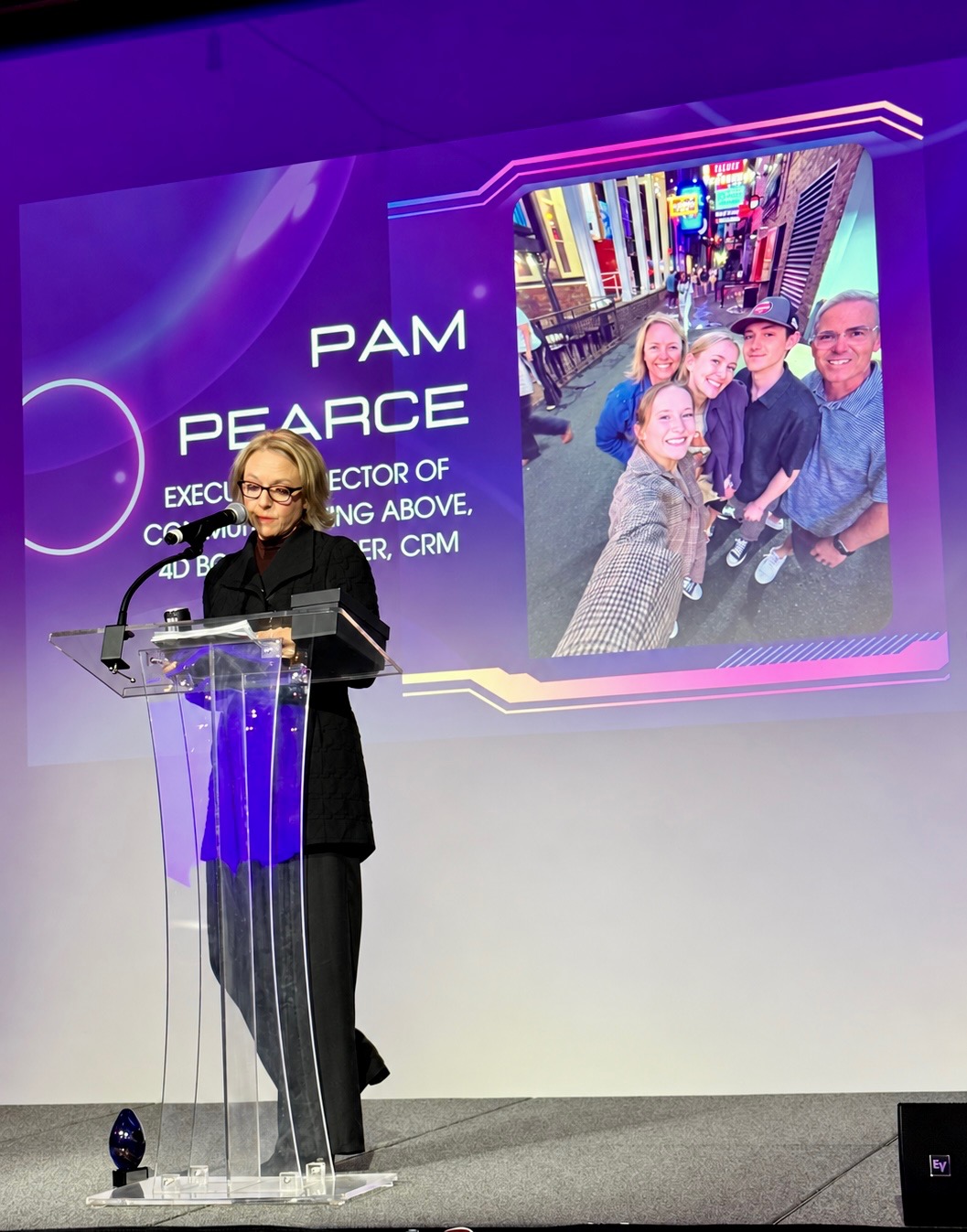
My work today focuses on primary prevention, which aims to prevent or delay youth substance use before problems arise. I serve as Executive Director of Community Living Above, a community prevention coalition and one of nine Oregon organizations funded by the Drug-Free Communities Grant. Increasingly, my work extends beyond a single organization or community to statewide prevention systems, policy, education, and advocacy.
I spend much of my time connecting people, ideas, and systems that do not always naturally align: young people and policymakers, prevention professionals and healthcare providers, community coalitions and state leaders, schools and law enforcement, and researchers and people with lived experience. Substance use is a complex issue, and meaningful change happens when we bring the right people to the table, provide them with good information, and ask, “What can we do differently?”
I’m probably known for being persistent, direct, action-oriented, and willing to ask questions others might not. I’m not particularly interested in doing something a certain way just because it has always been done that way. I want to know: Is it working? What does the evidence tell us? What’s missing? Who can help? And most importantly, what can we do differently if change is needed?
Outside of my professional work, I’m often the person people call when they or someone they love needs help related to substance use. I may not be the person who can provide that help directly, but chances are I know someone who can. Over the years, I’ve built relationships across prevention, treatment, recovery, healthcare, schools, law enforcement, and community organizations, and I value being able to connect people to the right person or resource.
One of my “gifts” is translating information about substance use and prevention into something people can understand and act on. Prevention science, public health systems, legislation, funding streams, and government structures can become complicated very quickly. But parents, young people, elected officials, and community members shouldn’t need advanced degrees to understand why prevention matters. I try to connect the science to people’s everyday lives and then translate that knowledge into action.
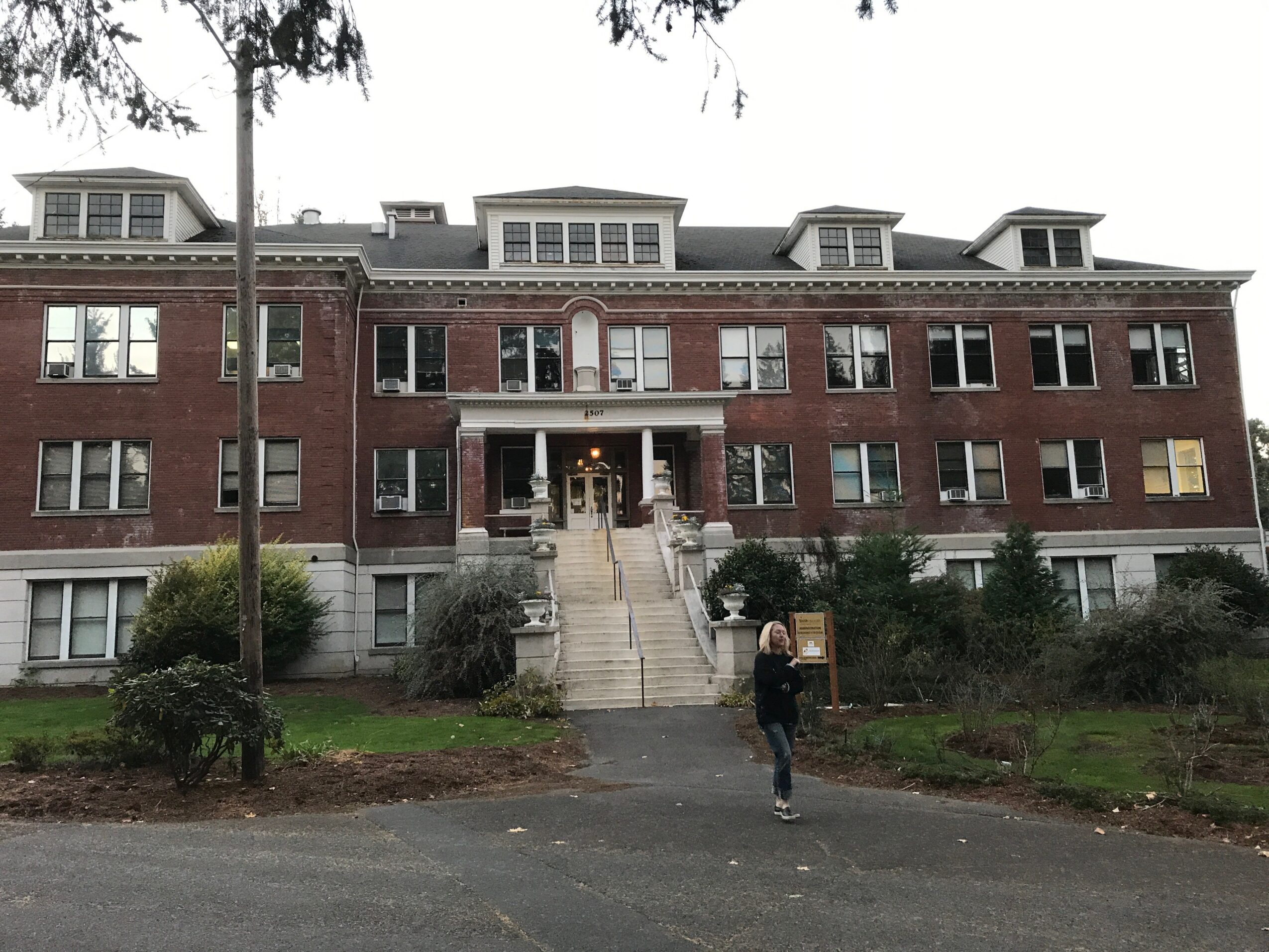
I’m especially proud of helping build what did not exist before, including Harmony Academy, Oregon’s first recovery high school. Being part of that collaborative effort changed what I believed was possible.
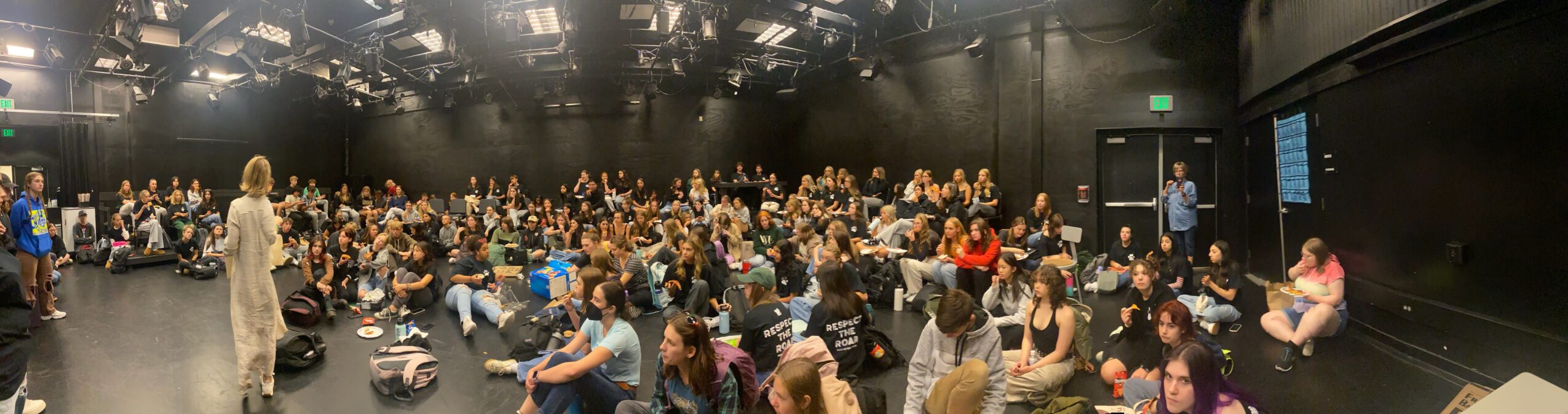
I’m equally proud of working with more than 1,000 young people through a substance use prevention club at West Linn High School. Giving young people accurate information, meaningful voice, and real opportunities to influence peers, schools, communities, and public policy has been one of the most rewarding parts of my work.
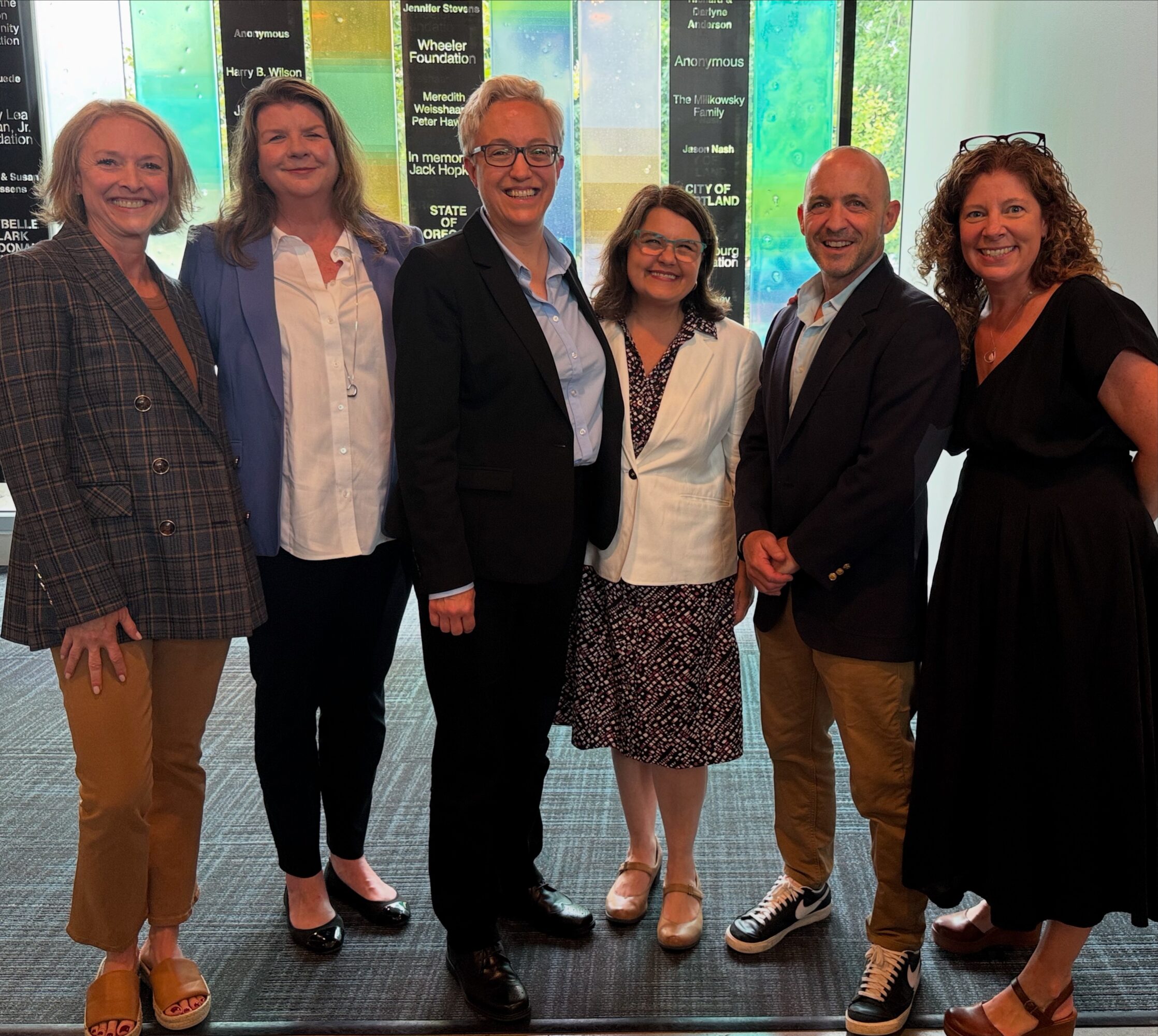
More recently, I helped advance Oregon’s approach to primary prevention at the state level, contributing to the passage of legislation that made youth substance use prevention a statewide priority. The governor chose it as one of four pieces of legislation to sign publicly. For me, that marks an evolution from protecting young people in one community to helping build a system that supports young people across Oregon.
I’m also proud to have helped bring to life an organization that supports prevention professionals statewide by creating stronger ways for people doing this work to connect, learn from one another, and strengthen the field collectively.
None of these accomplishments happened because of one person. One of the greatest gifts of this work has been watching people show up when an idea or need is presented to them. Whether it was establishing Oregon’s first recovery high school, building a community coalition, advancing prevention legislation, or strengthening the prevention workforce, each accomplishment has required people willing to contribute their expertise, relationships, and time, and to believe that something better was possible. I may be someone who gets an idea moving, but the people who step forward and build alongside me make change possible.
What sets me apart is that I do not fit neatly into one professional box. I bring lived experience in recovery, the perspective of a mother, years of coalition work, experience helping build a recovery school, and experience navigating legislation, public policy, and statewide systems. I can sit with a young person at a school one day and with legislators or state leaders another, and I see those conversations as part of the same work.
Because I do not work for a state agency or institution, I have the freedom to ask difficult questions, challenge systems, bring unlikely partners together, and advocate for change.
Ultimately, though, what I’m most proud of isn’t one organization, bill, award, or accomplishment. I’m proud that something that once caused tremendous pain in my life became something I could use to help create change for other people.
If I’m known for anything, I hope it is for believing change is possible and being willing to do the work, find the people, ask the questions, and stay at the table long enough to help make it happen.
Is there something surprising that you feel even people who know you might not know about?
Something that might surprise people is that, despite how public my work has become, I never set out to live a public life. I didn’t dream of speaking to audiences, testifying before legislators, working on public policy, or having my personal recovery story known to so many people. As a child, I was labeled shy and found expressing myself to be crippling. Most of what has happened is because I saw something that needed to change and couldn’t convince myself to stay quiet.
I deeply value my family, close friendships, humor, and the ordinary parts of life. My work can be very serious, but I don’t take myself nearly as seriously as people might assume. I love to laugh, and the people closest to me probably see a very different side of the person others see speaking at a podium or sitting in a policy meeting.
I also think people sometimes assume I’m fearless because I’m willing to speak up or walk into rooms where I may challenge the status quo. I’m not fearless, and I cry easily. I question myself, worry that I’ve said too much, wonder whether I’ve pushed too hard, and sometimes walk into a room with no idea how what I’m about to say will be received. I’ve just learned that being uncomfortable isn’t necessarily a reason not to do something.
Recovery taught me that. Some of the most important changes in my life began when I was willing to do something uncomfortable, knowing it was necessary. I suppose I’ve carried that lesson into everything else.
So perhaps the surprising thing is that the person people see doing this work isn’t someone who always knows what she’s doing or who isn’t afraid; she’s someone who has learned not to let those things determine whether she shows up.
Contact Info:
- Website: https://www.communitylivingabove.org
- Instagram: https://www.instagram.com/community_livingabove/
- Facebook: https://www.facebook.com/pfpearce/
- LinkedIn: https://www.linkedin.com/in/pamfpearce/
- Other: https://www.facebook.com/communitylivingabove