


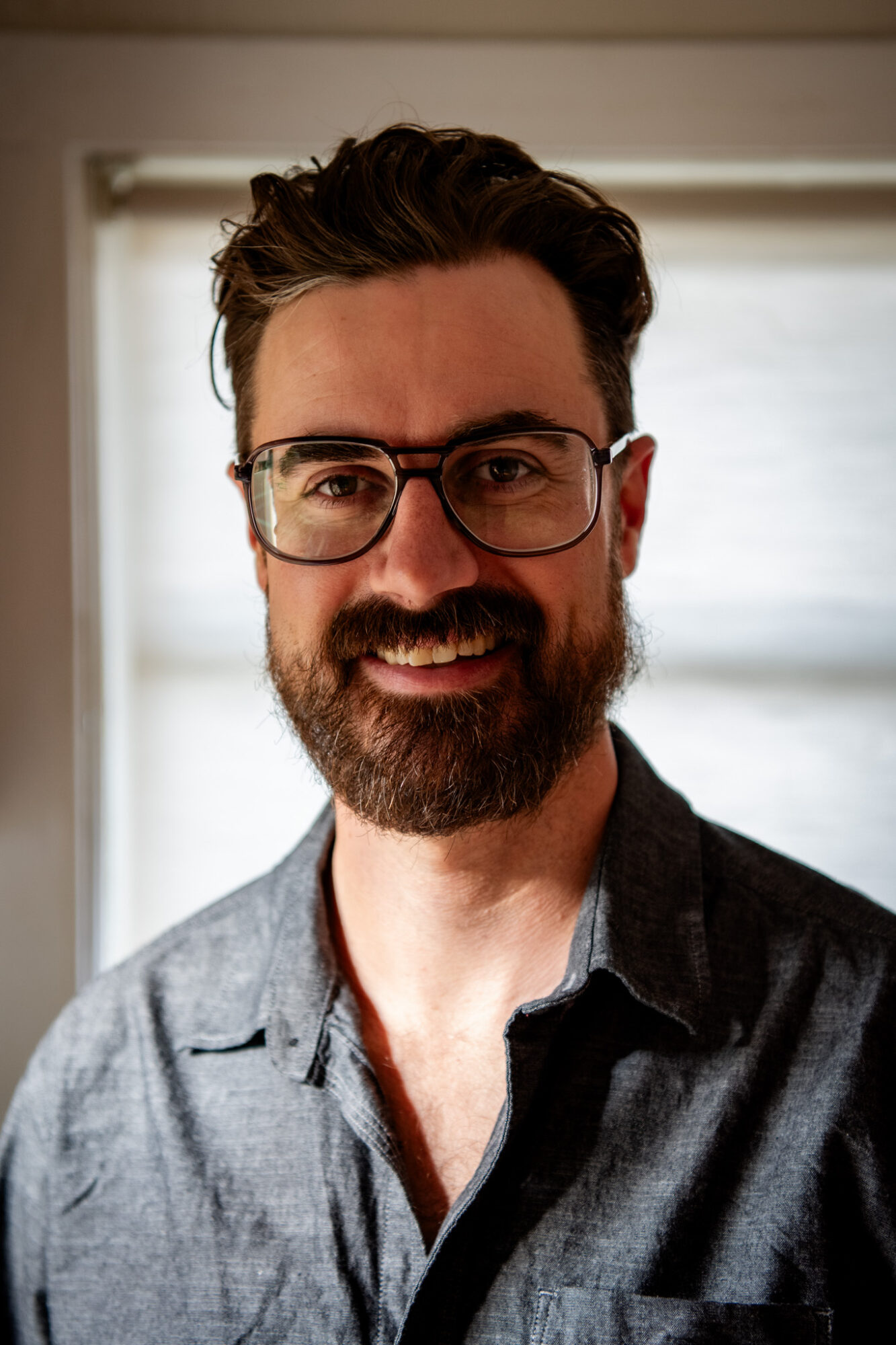
Today we’d like to introduce you to Phillip Farris.
Hi Phillip, thanks for joining us today. We’d love for you to start by introducing yourself.
I started Eugene Garden Coach because I kept seeing the same disconnect: people love their outdoor space, but they’ve been taught to think of it as something to control rather than work with. Somewhere along the way I realized the best landscapes aren’t the ones that get fought into submission every season — they’re the ones designed around what the site actually wants to do.
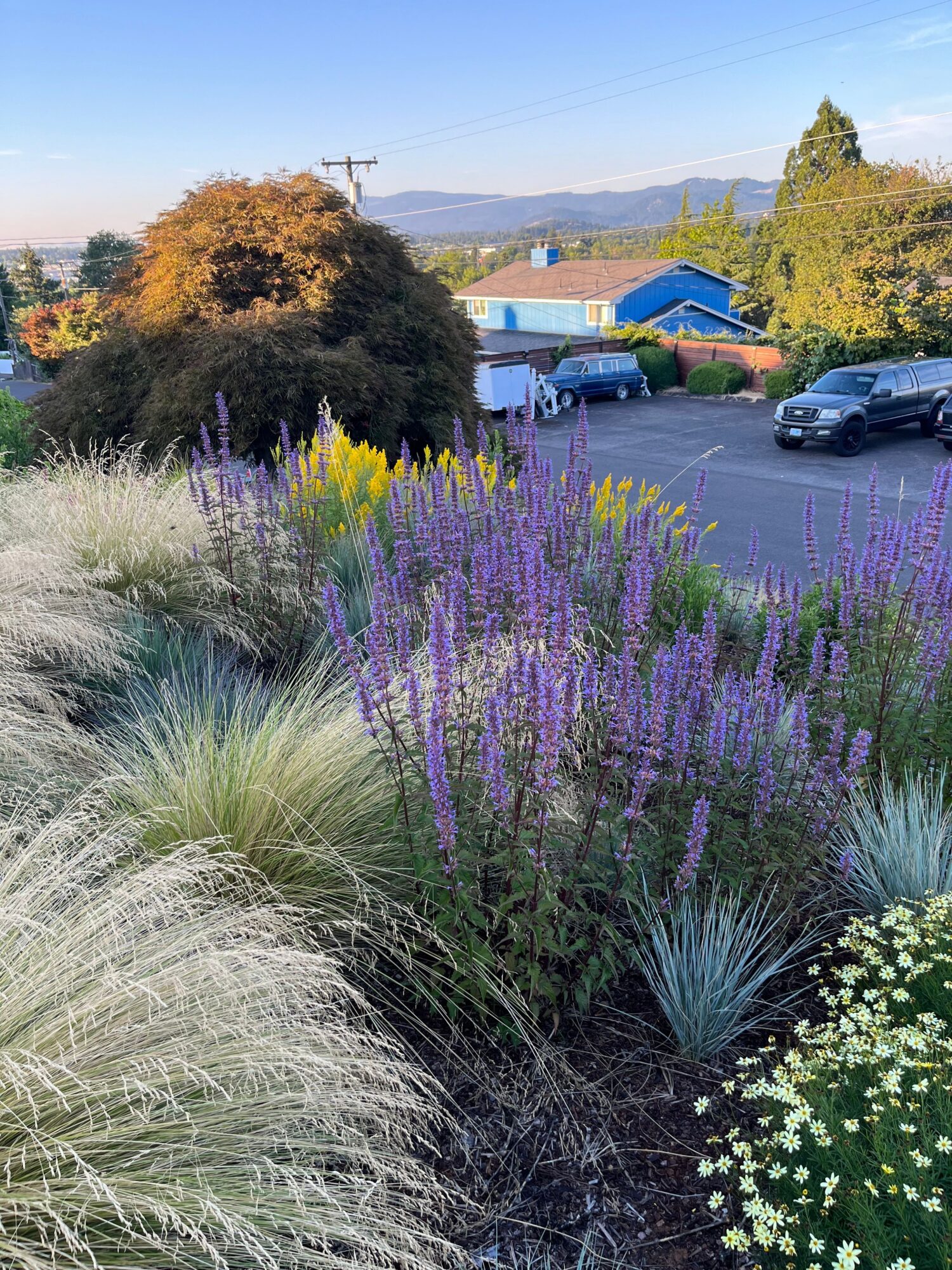
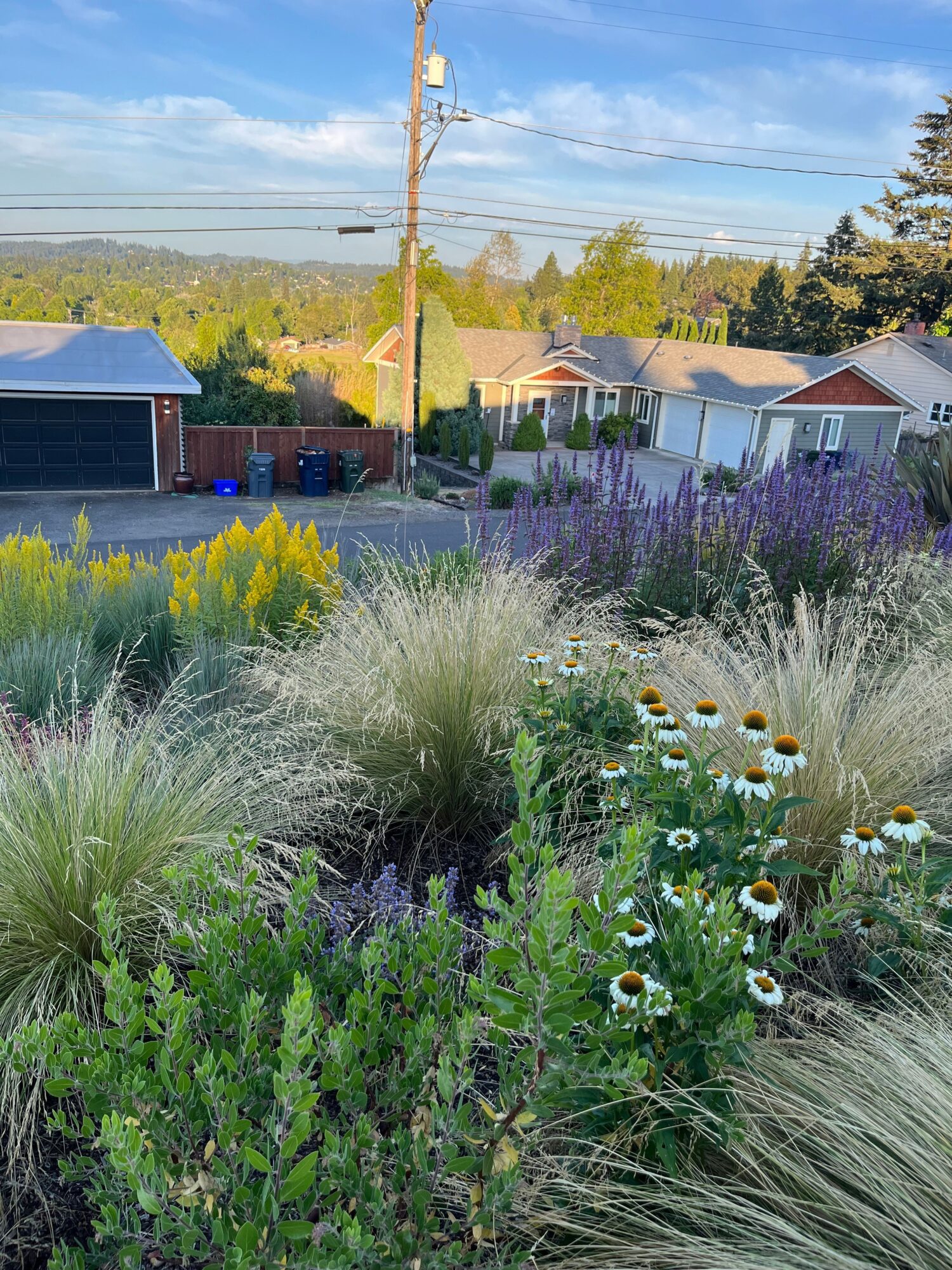
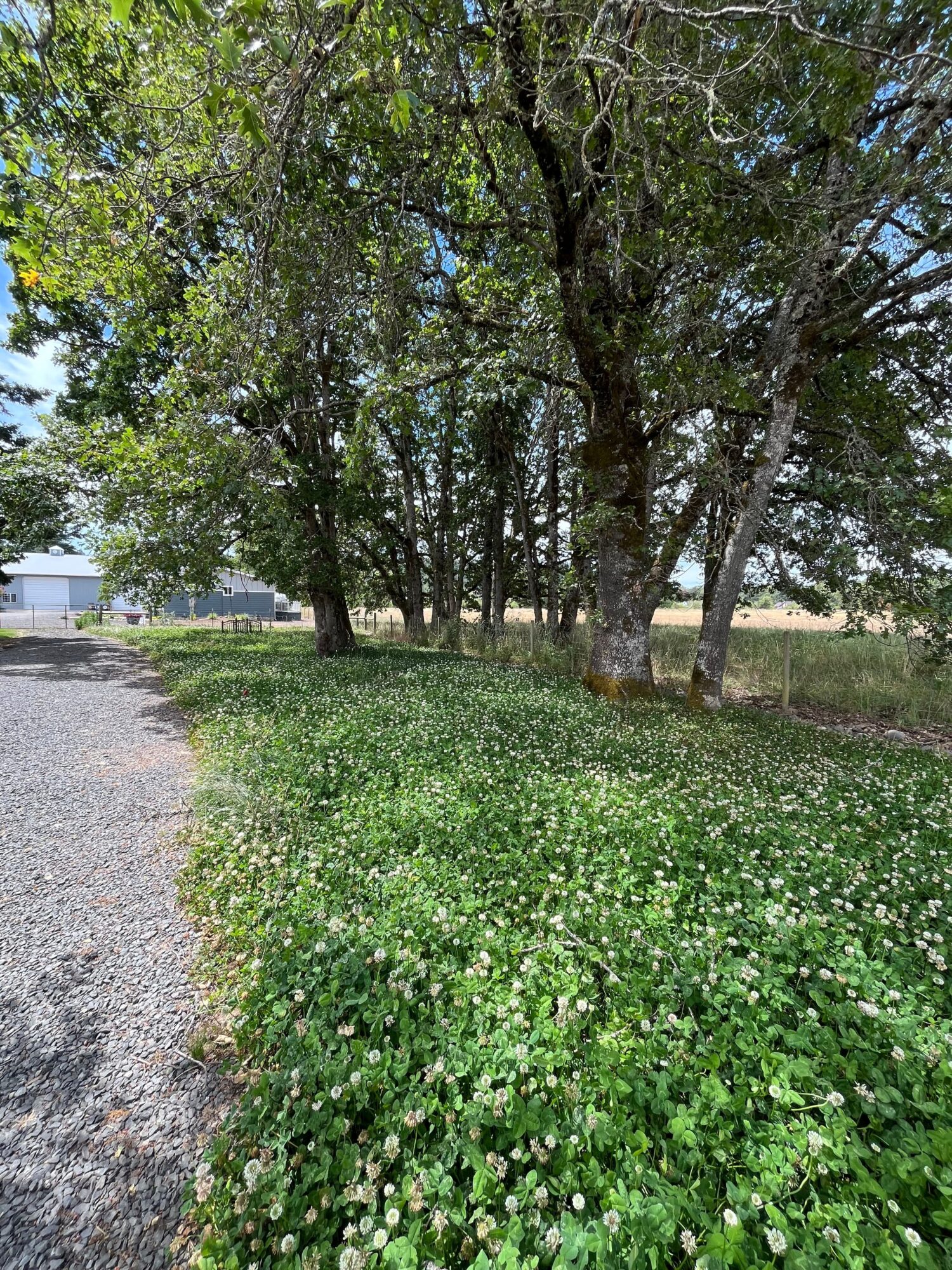
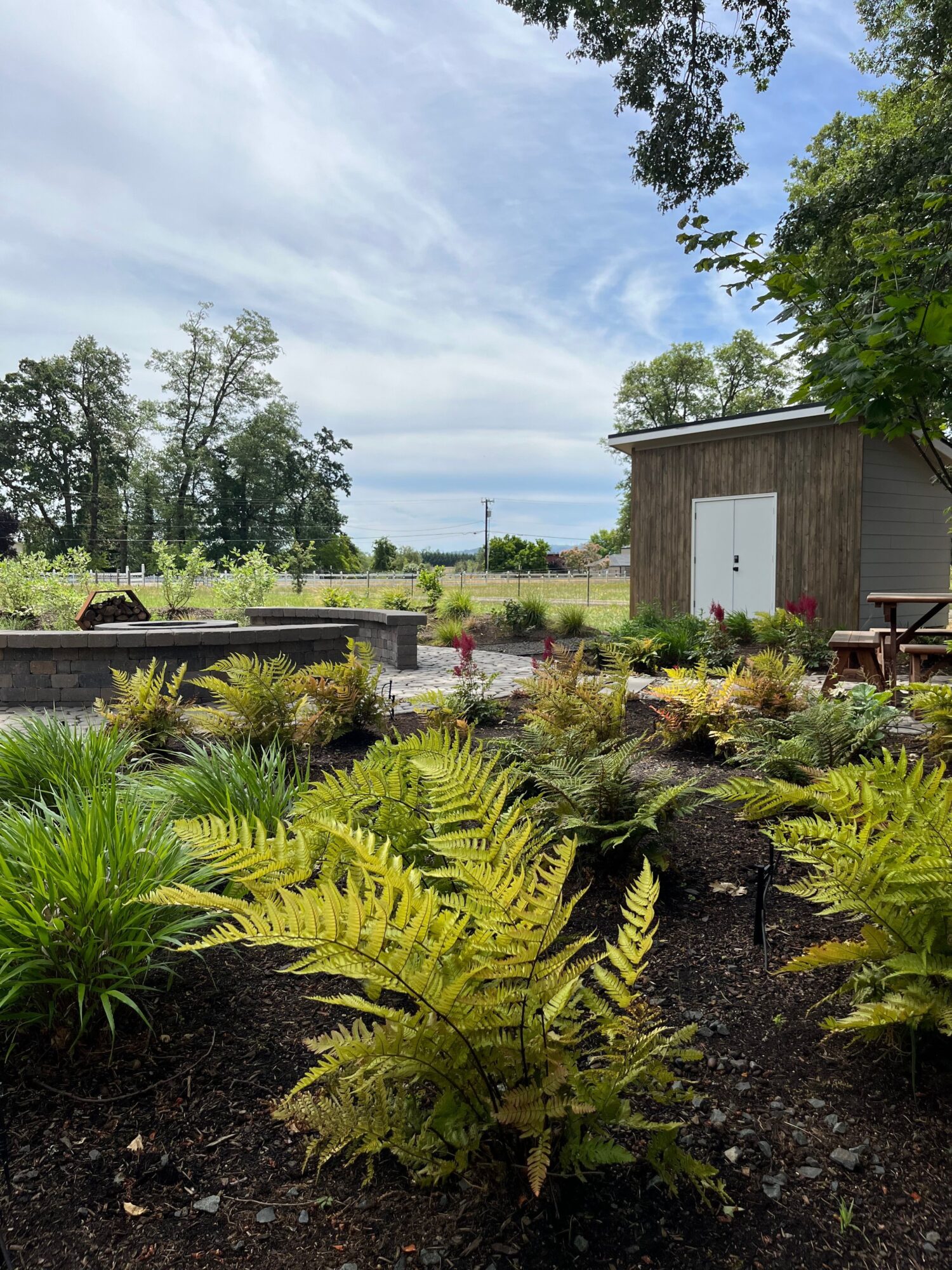
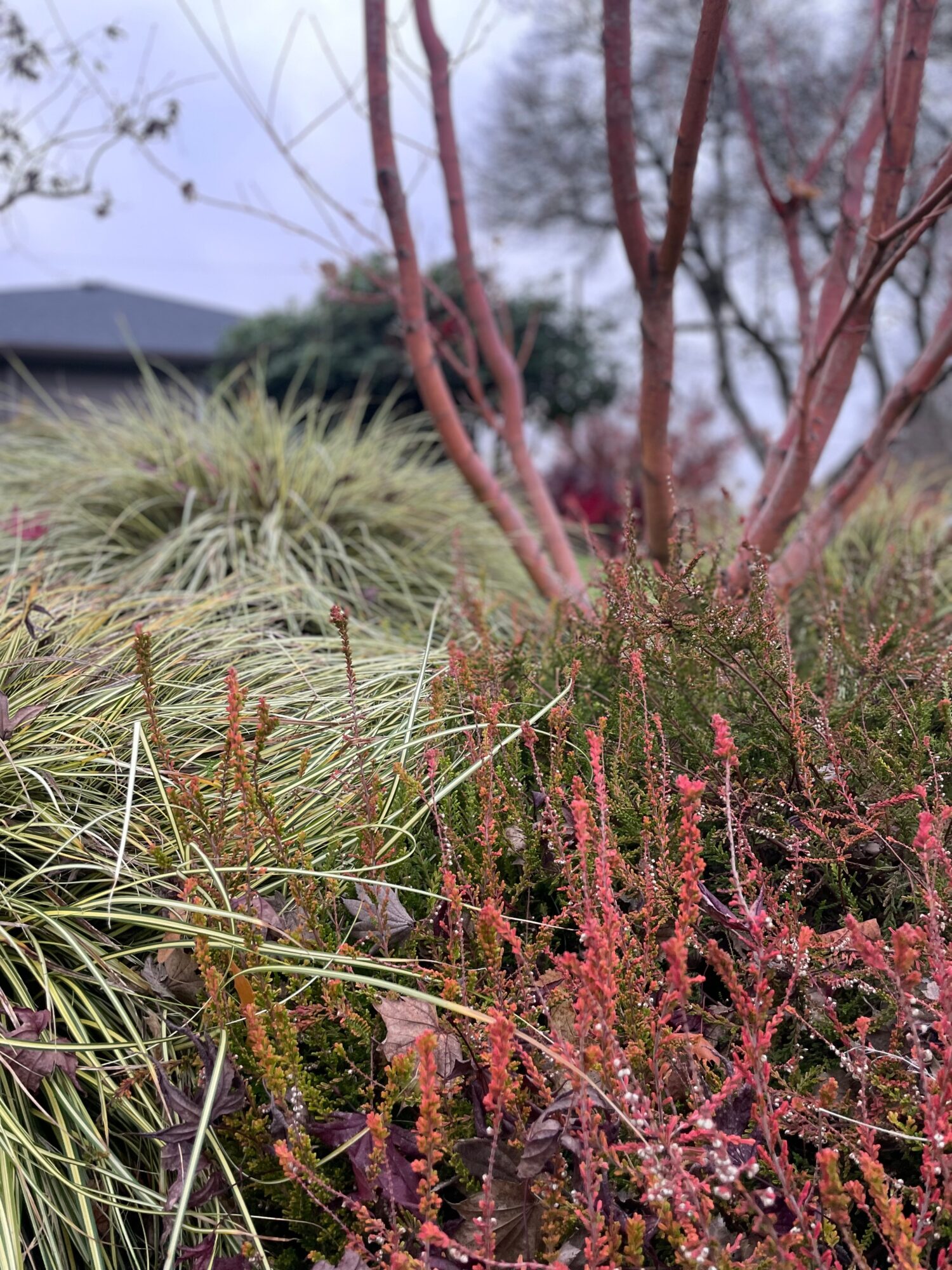
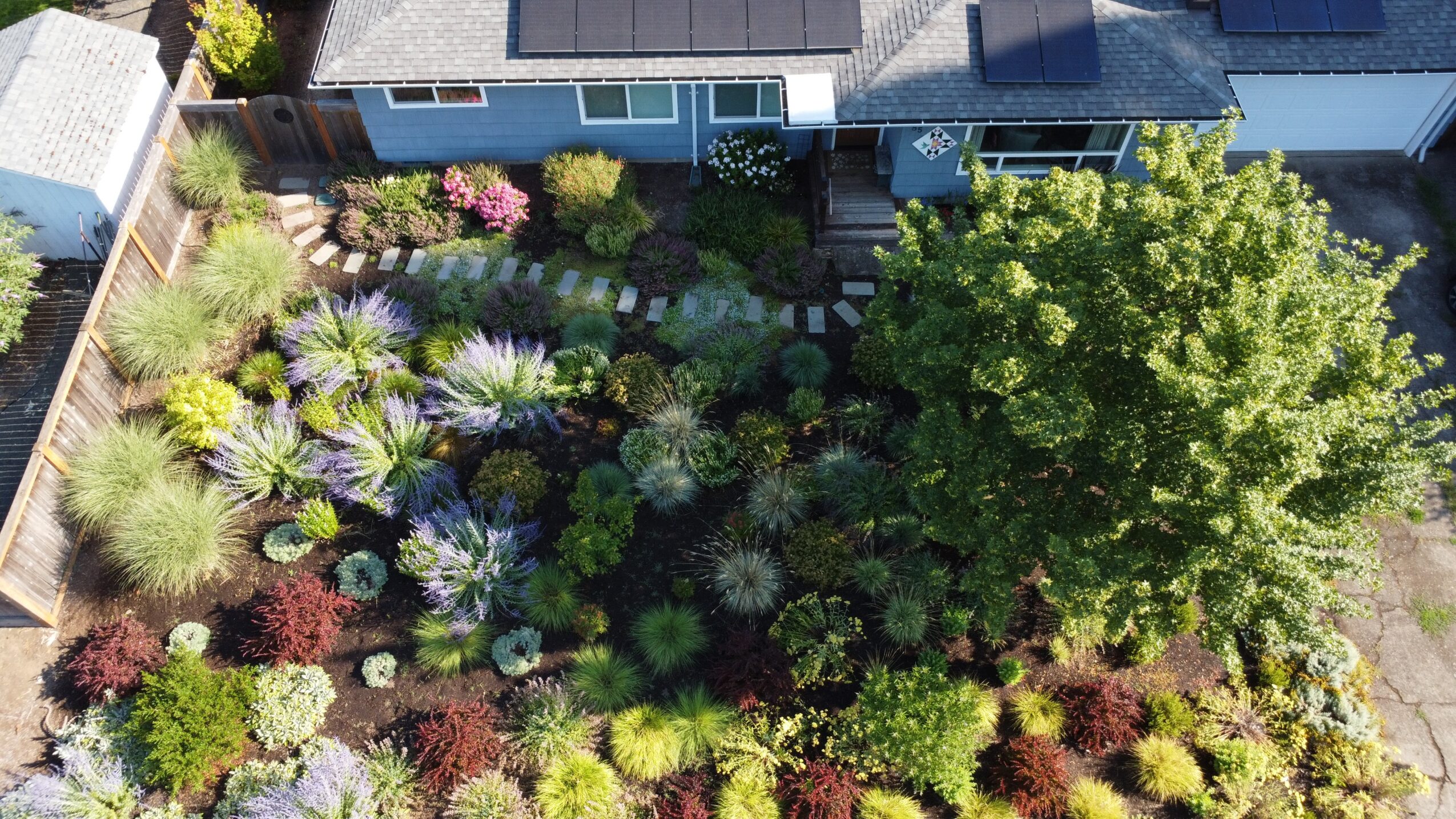
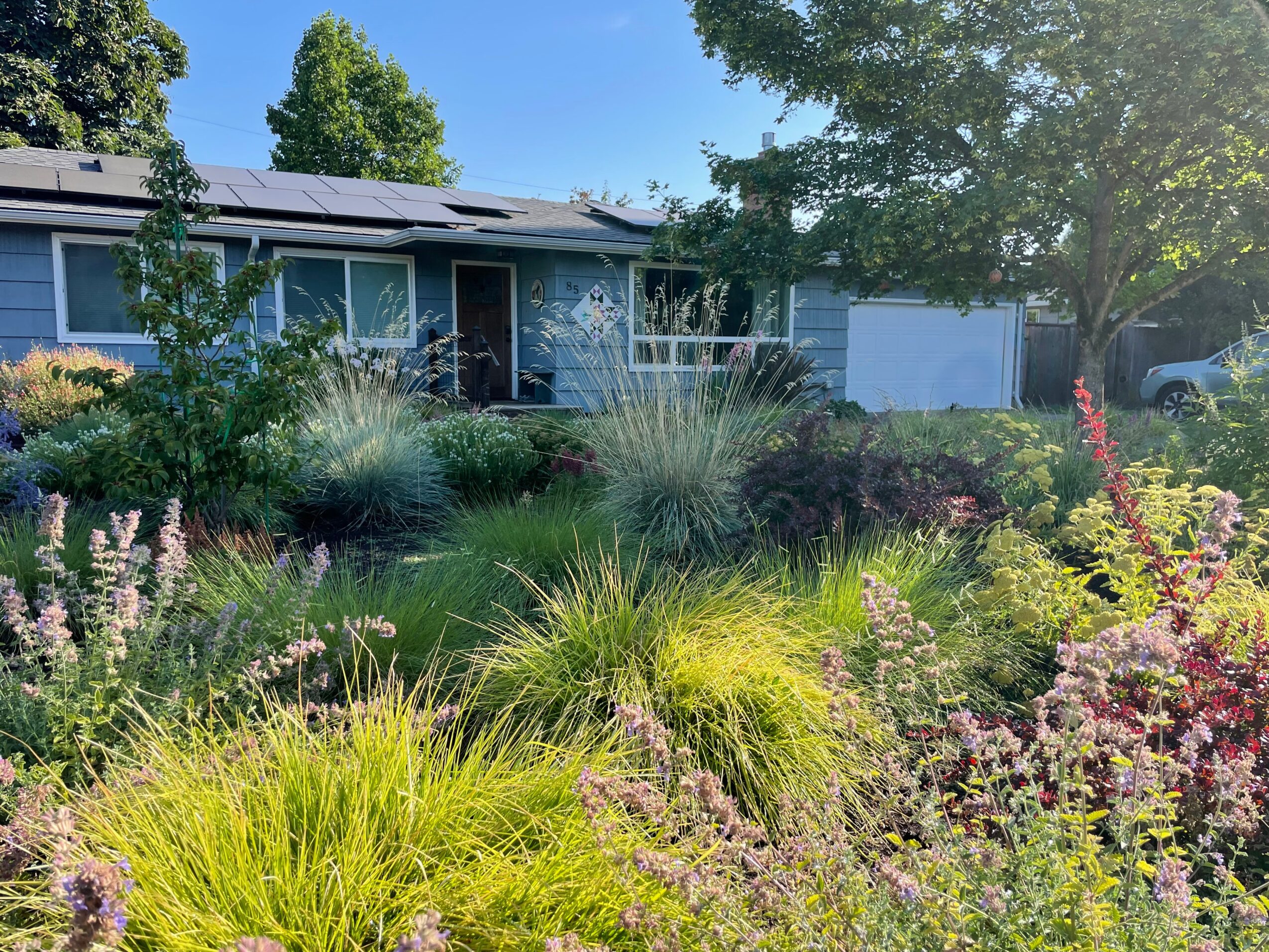
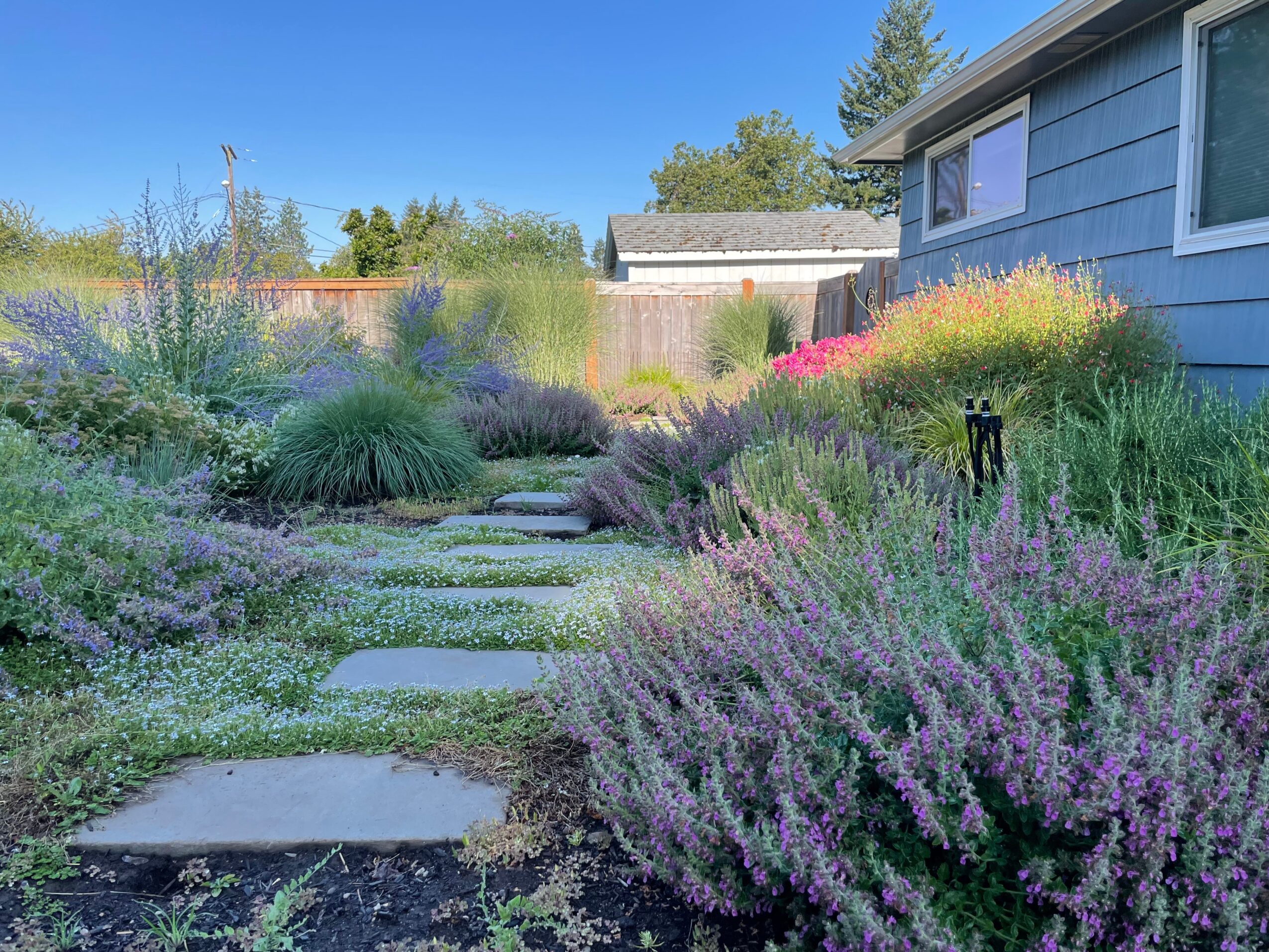
That’s the philosophy the business is built on: naturalistic, ecologically-informed design where plant selection matches the site instead of fighting it. Less irrigation, less spraying, less mowing — not because we’re cutting corners, but because a landscape that’s designed right doesn’t need constant rescuing.
What sets us apart is the coaching piece. A lot of clients don’t want someone to just show up and install a garden and disappear — they want to understand their land, learn what’s actually happening with their soil and their plants, and build confidence to keep it thriving themselves. So the model grew into something hourly and phased: design consultation, hands-on coaching sessions, and full design-build installation, depending on what someone needs. It lets people start small and go as deep as they want.
Today that’s grown into full residential projects across Eugene and Springfield.
We all face challenges, but looking back would you describe it as a relatively smooth road?
No — and I’d be suspicious of anyone who tells you it was.
One recurring challenge has been client expectations around timeline and control. Naturalistic design asks people to be patient — a landscape designed around plant-to-site suitability doesn’t look “finished” the way a traditional install does in year one. It fills in, it matures, it changes with the seasons. Some clients get that right away; others need coaching through it, which is part of why the business evolved toward that hourly, phased model instead of a one-and-done installation.
The upside is that every one of those friction points has shaped the business into something more honest. I’d rather have a smaller number of clients who actually understand what they’re getting than scale fast on a promise I can’t keep.
As you know, we’re big fans of you and your work. For our readers who might not be as familiar what can you tell them about what you do?
Eugene Garden Coach is a naturalistic landscape design and contracting studio — I do ecological design, garden coaching, and hands-on design-build installation, mostly for residential clients in Eugene and Springfield.
What I specialize in is designing landscapes around what a site naturally wants to support, rather than imposing a look and then fighting to maintain it. That means matching plants tightly to soil, sun, and water conditions, so the result needs less irrigation, less spraying, and less constant intervention over time. It’s low-maintenance because it’s designed well, not because it’s minimal.
I’m probably best known for the coaching side of the work — clients aren’t just handed a finished garden, they’re walked through why it’s designed the way it is, so they actually understand their land and can keep it thriving themselves. It’s a phased, hourly model, which means people can start with a consultation, add coaching sessions, and move into full installation at whatever pace fits their budget and their comfort level.
What I’m most proud of is the relationships that come out of that — clients who started out intimidated by their own yard and ended up genuinely engaged with it, sometimes years later still checking in about what’s blooming. That’s the whole point of the coaching model: not dependency on me, but confidence in their own space.
What sets me apart is probably that combination — most designers hand off a plan, and most installers just execute one. I do the ecological design work, the client education, and the physical installation myself, so nothing gets lost in translation between “here’s the vision” and “here’s what actually gets built.”
What sort of changes are you expecting over the next 5-10 years?
I think the industry is moving toward ecological literacy becoming the baseline expectation, not a niche specialty. For a long time, “landscaping” meant ornamental plants and heavy irrigation — a look imposed on a site regardless of what that site could actually support. That’s shifting. Clients are increasingly asking about native and adapted plants, reduced water use, and gardens that support pollinators and local wildlife, not just gardens that look good from the street.
Here in the Pacific Northwest specifically, I think we’ll see more pressure around water — drier summers are becoming the norm, and landscapes that depend on heavy irrigation are going to feel increasingly out of step, both financially and environmentally. Plant-to-site design isn’t just a philosophy at that point, it’s practical necessity.
I also expect to see more overlap between residential landscape design and habitat/ecological restoration work — homeowners thinking of their property as a small piece of a larger ecological system rather than an isolated, decorative space. That’s actually a direction I’m leaning the business toward as well.
And I think the coaching model — clients understanding their land instead of just paying someone to maintain it — is going to become more common industry-wide, simply because it produces better, more resilient results than the install-and-disappear approach.
Contact Info:
- Website: https://www.eugenegardencoach.com
- Instagram: @eugenegardencoach