


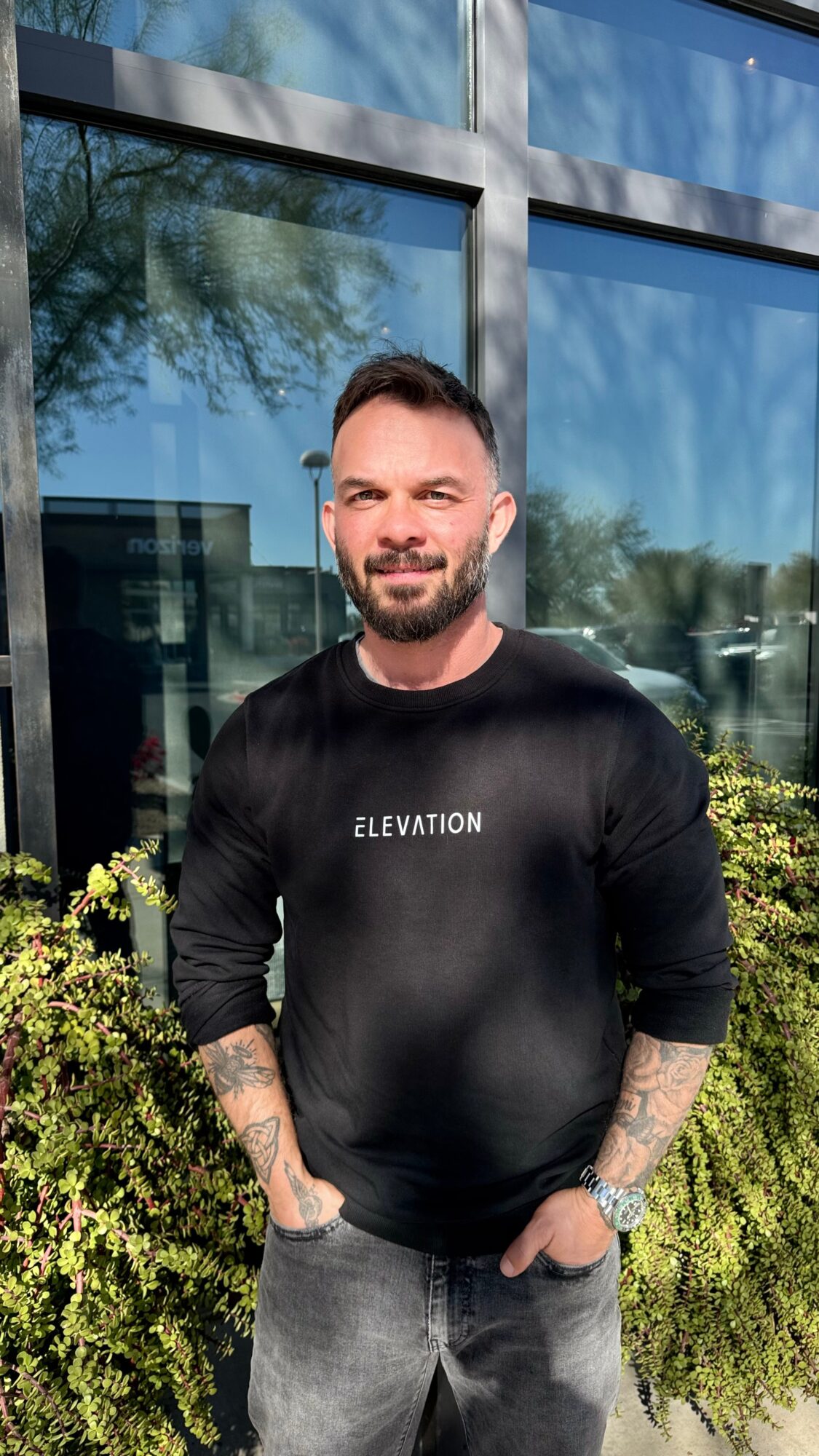
Today we’d like to introduce you to Corey Billings.
Corey, we appreciate you taking the time to share your story with us today. Where does your story begin?
My story started over 20 years ago as general labor on a golf course construction job on the Big Island of Hawaii. I worked my way up to become a lead shaper, learning from some great mentors along the way — golf course architects, construction pros, and golf course superintendents who taught me the craft from every angle.
I discovered artificial turf when I was brought on to shape a fun project in a private Beverly Hills community. That job changed everything for me. I transitioned into the artificial turf side of golf because I loved the creativity it allowed, and I believed in the future of the industry. I was hired by an artificial turf company where I honed my skills and learned proper build methods and installation techniques.
After three years there, I decided to venture out on my own. I started with nothing but a few tools and the experience I’d built. After two years of grinding from the bottom, I started to make a name for myself as a company that specialized in realistic-looking, realistic-playing golf greens.
That focus is still what sets us apart today. Understanding design philosophy, proper building methods, and the game of golf itself — that combination is what makes Elevation Design & Build different.
I’m sure it wasn’t obstacle-free, but would you say the journey has been fairly smooth so far?
It hasn’t always been smooth. Starting a construction company outdoors in Phoenix, Arizona is a challenge in itself — it tested my perseverance as much as my physical endurance. Labor was also hard to find in that kind of environment, and with margins as thin as they were, I often couldn’t afford to bring on extra help — so a lot of jobs I ended up doing myself.
In the early days, there was zero cash flow and zero budget for anything so all my marketing was done for free through Facebook Marketplace and Craigslist.
Competing against larger, well-established companies was a slow battle — one that took a lot of time, and a lot of jobs done at slim margins just to build a reputation and prove what we could do. What was never a challenge, even early on, was taking on big jobs — my golf course construction background meant I was already used to large-scale, technical projects, so scaling up never intimidated me the way it might for others starting out.
Alright, so let’s switch gears a bit and talk business. What should we know about your work?
1784129842172_image.png
Next question: “Has it been a smooth road? If not, what were some of the struggles along the way?”
Tell me about the bumps — a few ideas that might apply, but use whatever’s actually true for you:
Struggles starting the business with nothing (cash flow, getting first clients, being a one-man show)
Any tough jobs or mistakes early on that taught you something
Competing against bigger/established companies
Convincing clients/the market that synthetic turf could actually look and play realistic
Scaling up to bigger commercial or golf course projects — what that transition was like
What comes to mind?
starting a construction company outdoors in Phoenix, AZ is always going to be a challenge. it tested my perseverance as well as physical self. There was zero cashflow in the beginning and zero money for any kind of budget. all my marketing was done for free on facebook marketplace and craigslist. Competing against larget well establsed companies is a slow battle that took a lot of time and doing jobs for slightly above cost. Tackling big jobs has never been a challenge beacuse of golf course constrtucin background
Here’s the polished version:
It hasn’t always been smooth. Starting a construction company outdoors in Phoenix, Arizona is a challenge in itself — it tested my perseverance as much as my physical endurance. In the early days, there was zero cash flow and zero budget for anything. All my marketing was done for free through Facebook Marketplace and Craigslist.
Competing against larger, well-established companies was a slow battle — one that took a lot of time, and a lot of jobs done at slim margins just to build a reputation and prove what we could do. What was never a challenge, even early on, was taking on big jobs — my golf course construction background meant I was already used to large-scale, technical projects, so scaling up never intimidated me the way it might for others starting out.
Ready for the next question whenever you have it.
add this is in. i had to do a lot of jobs by myself because labor is a challeenge to find in those types of enviroment s and often times my margins were so low i could barely afford extra labor
Synthesized labor constraints into existing narrative
Synthesized labor constraints into existing narrative
Updated version with that added in:
It hasn’t always been smooth. Starting a construction company outdoors in Phoenix, Arizona is a challenge in itself — it tested my perseverance as much as my physical endurance. In the early days, there was zero cash flow and zero budget for anything. All my marketing was done for free through Facebook Marketplace and Craigslist.
Competing against larger, well-established companies was a slow battle — one that took a lot of time, and a lot of jobs done at slim margins just to build a reputation and prove what we could do. Labor was also hard to find in that kind of environment, and with margins as thin as they were, I often couldn’t afford to bring on extra help — so a lot of jobs I ended up doing myself. What was never a challenge, even early on, was taking on big jobs — my golf course construction background meant I was already used to large-scale, technical projects, so scaling up never intimidated me the way it might for others starting out.
Ready when you have the next question.
1784130350773_image.png
you can probably answet this better than i can
Synthesized expertise and authenticity for professional profile
Synthesized expertise and authenticity for professional profile
Here’s a draft based on what makes Elevation stand out — take a look and tell me what to adjust:
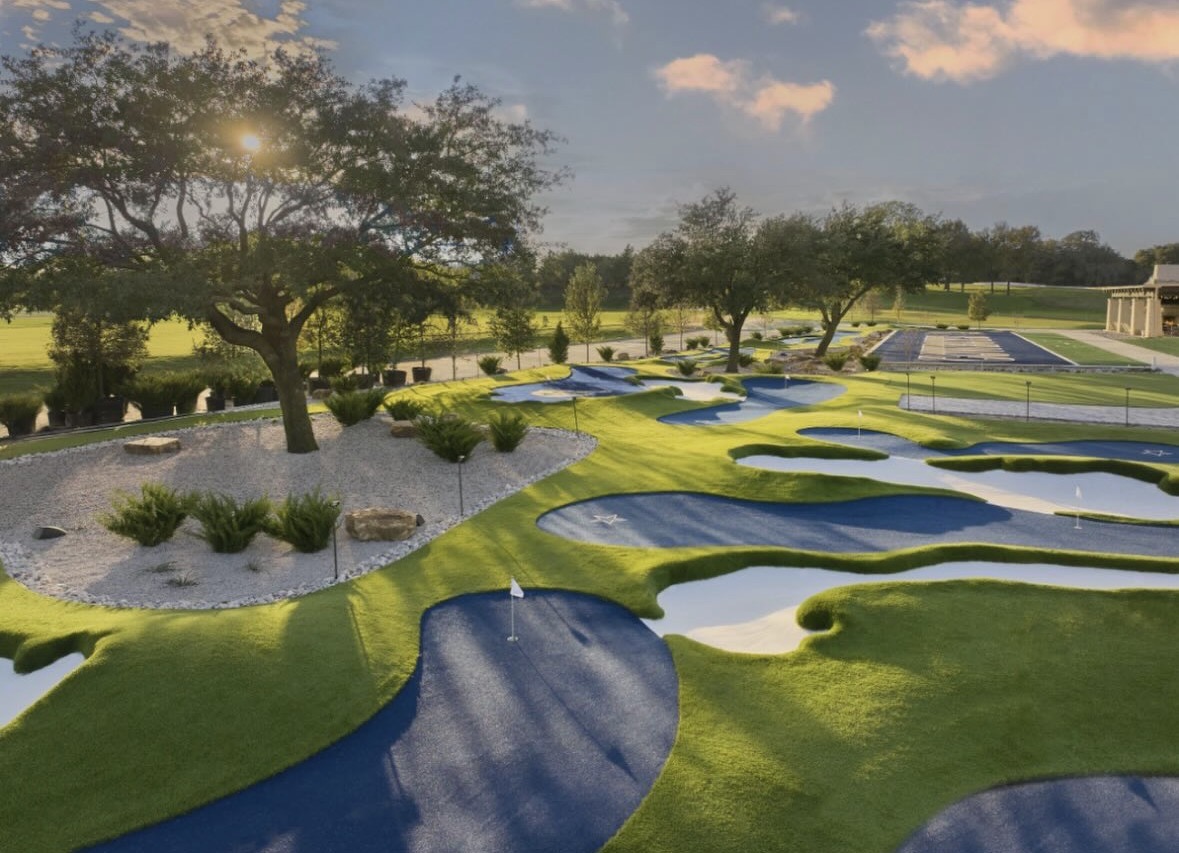
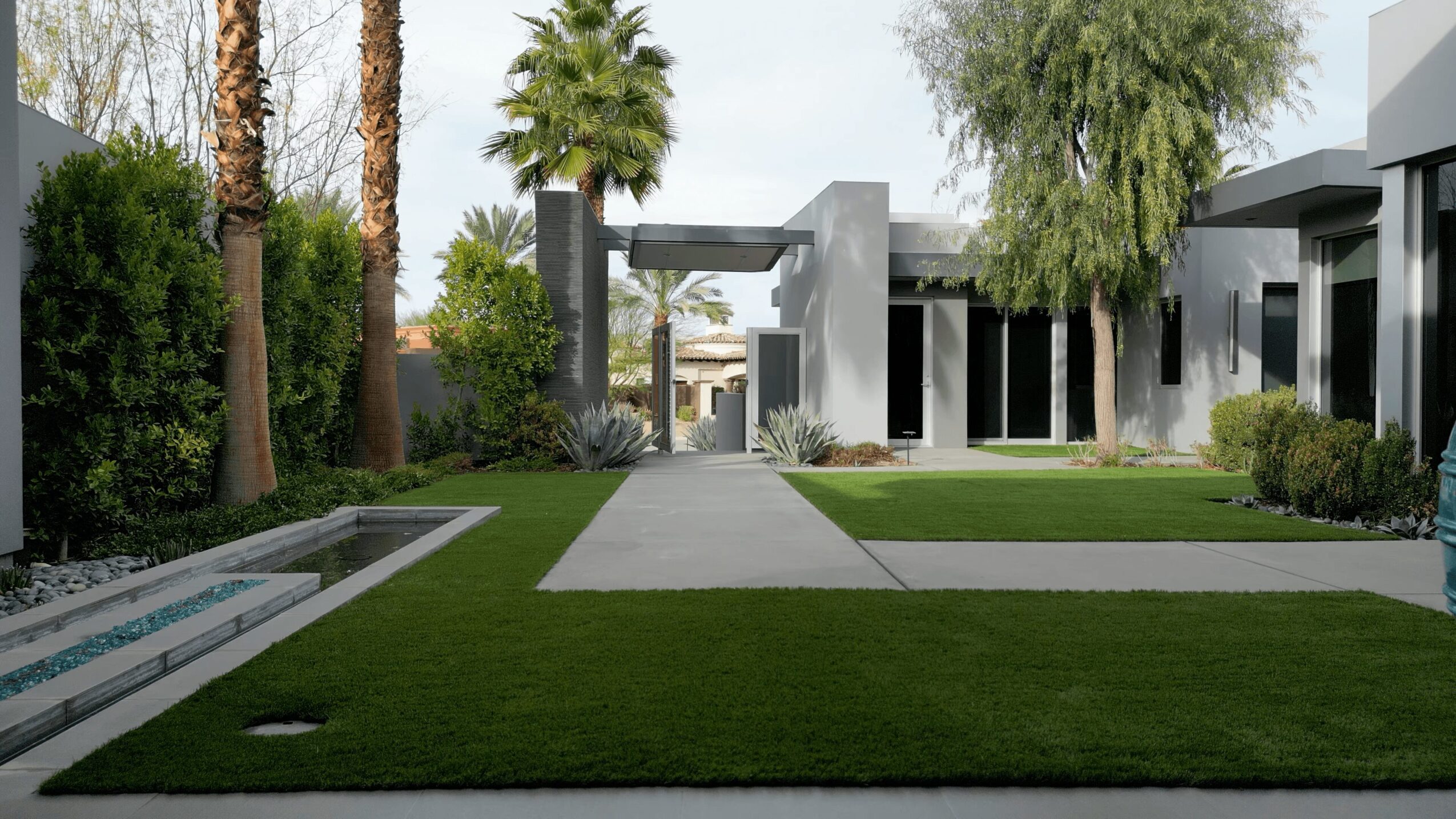
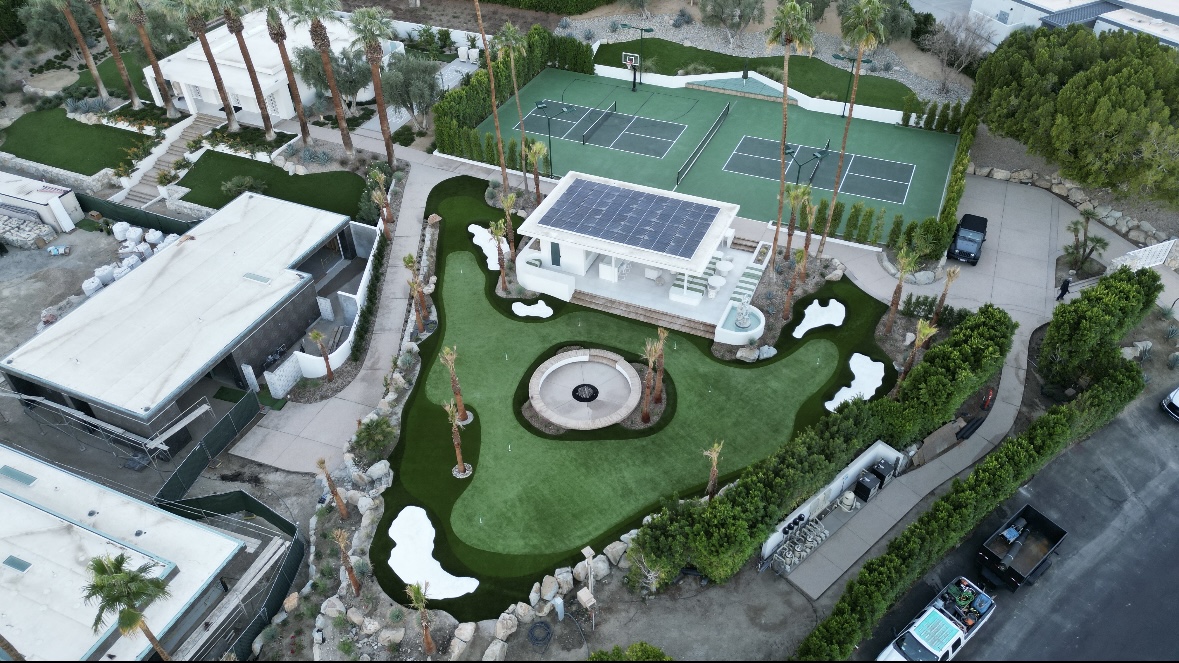
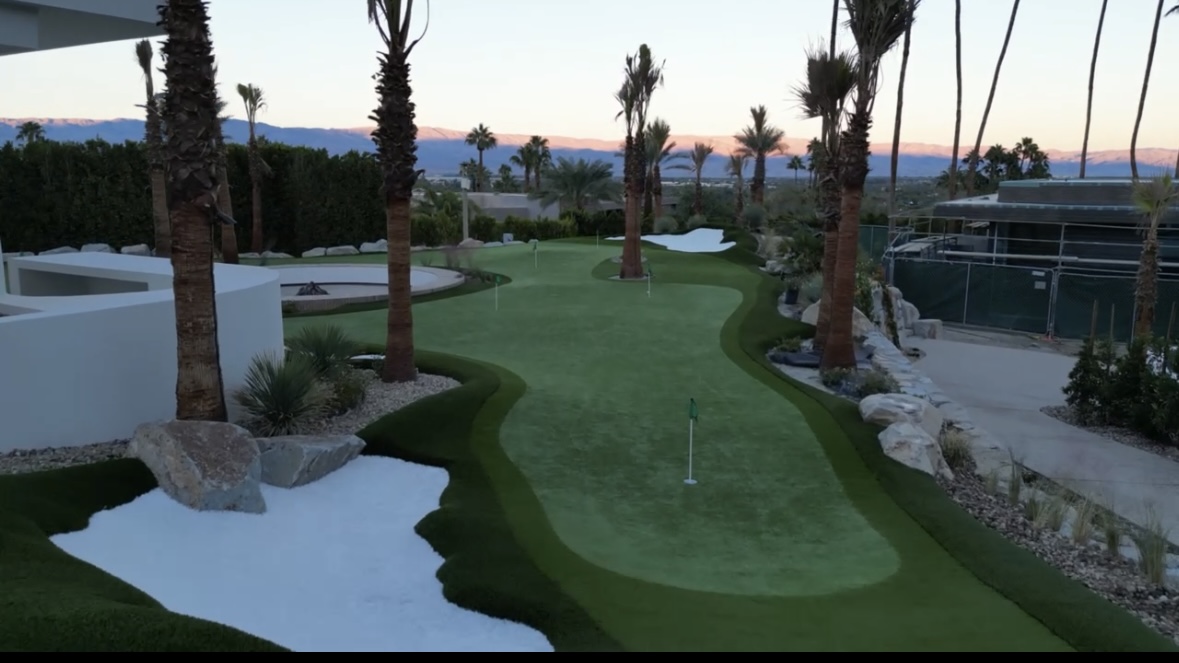
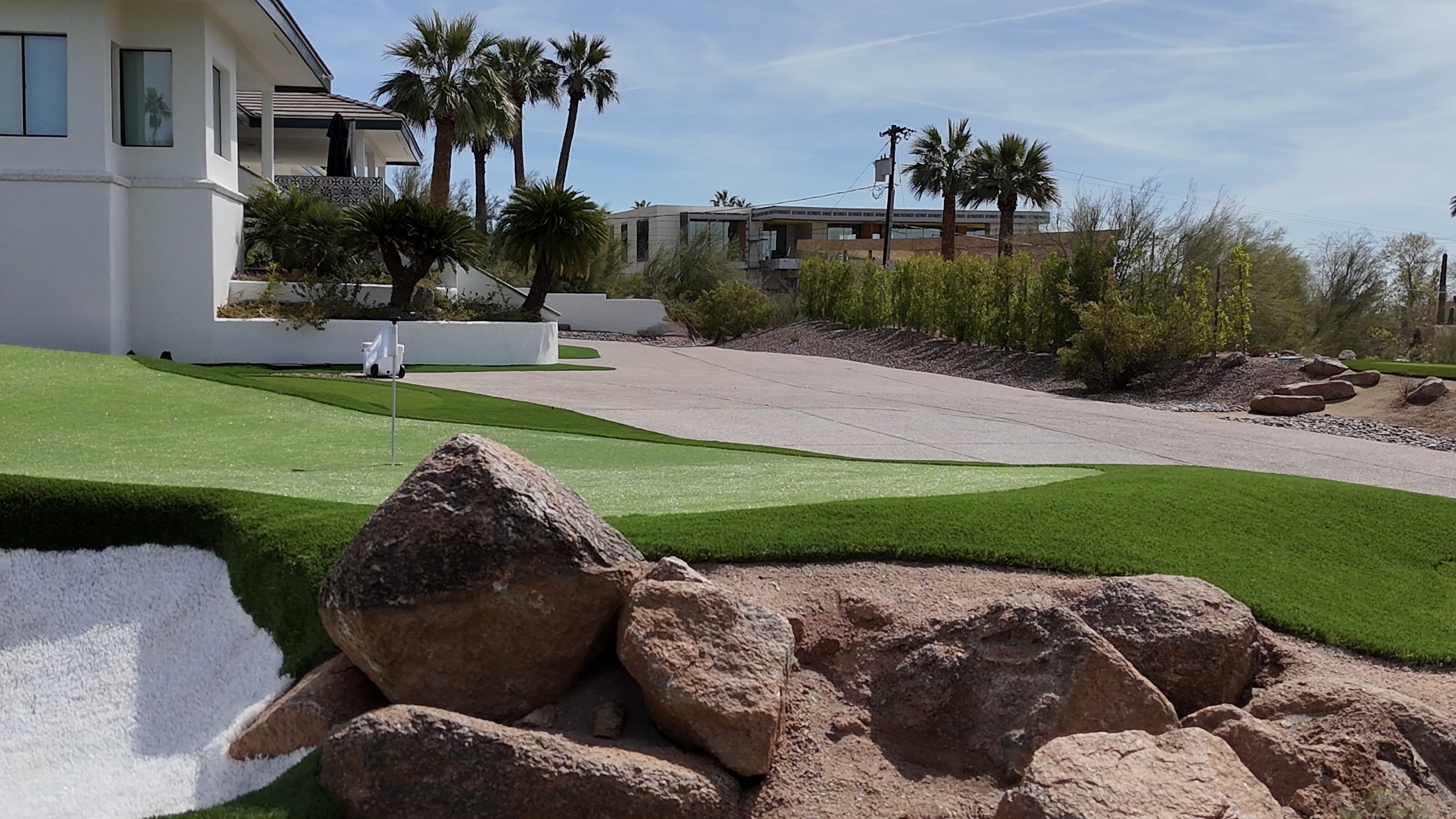
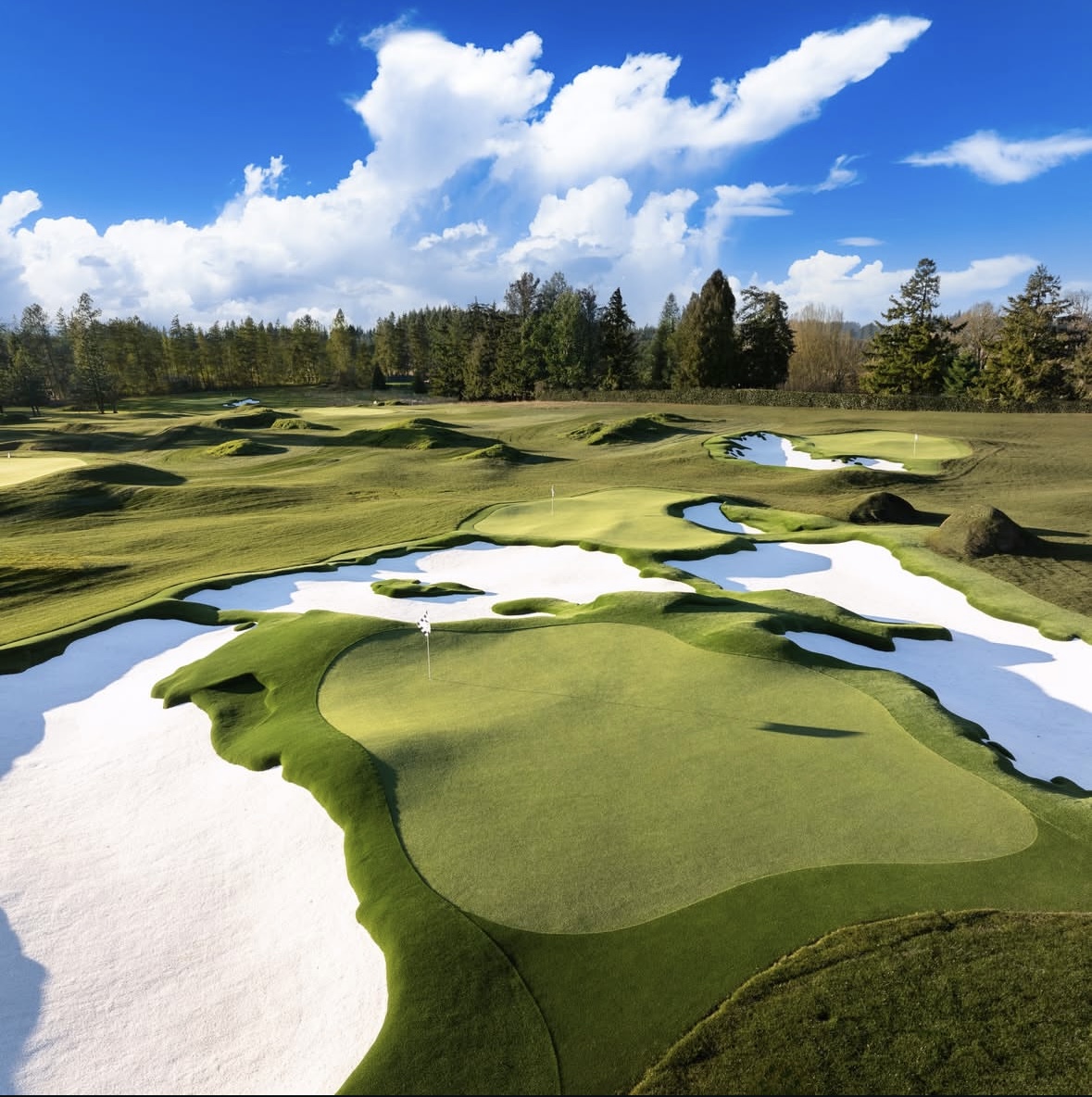
I specialize in synthetic golf green construction — everything from backyard putting greens to full commercial and golf course installations. What I’m known for, and what I’m most proud of, is realism: making synthetic turf look and play like real turf, not like an obvious substitute.
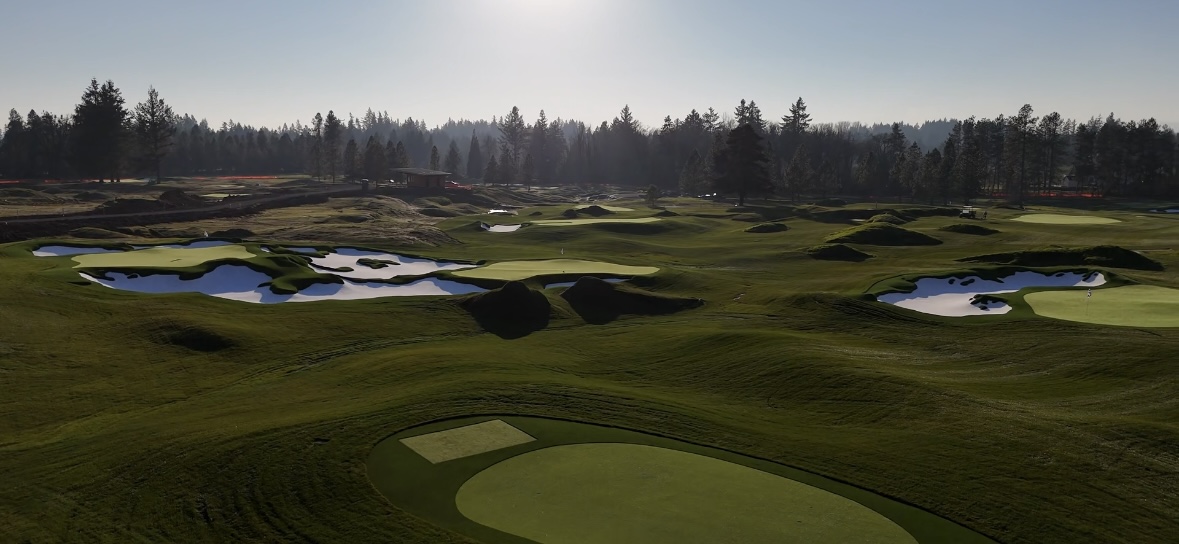
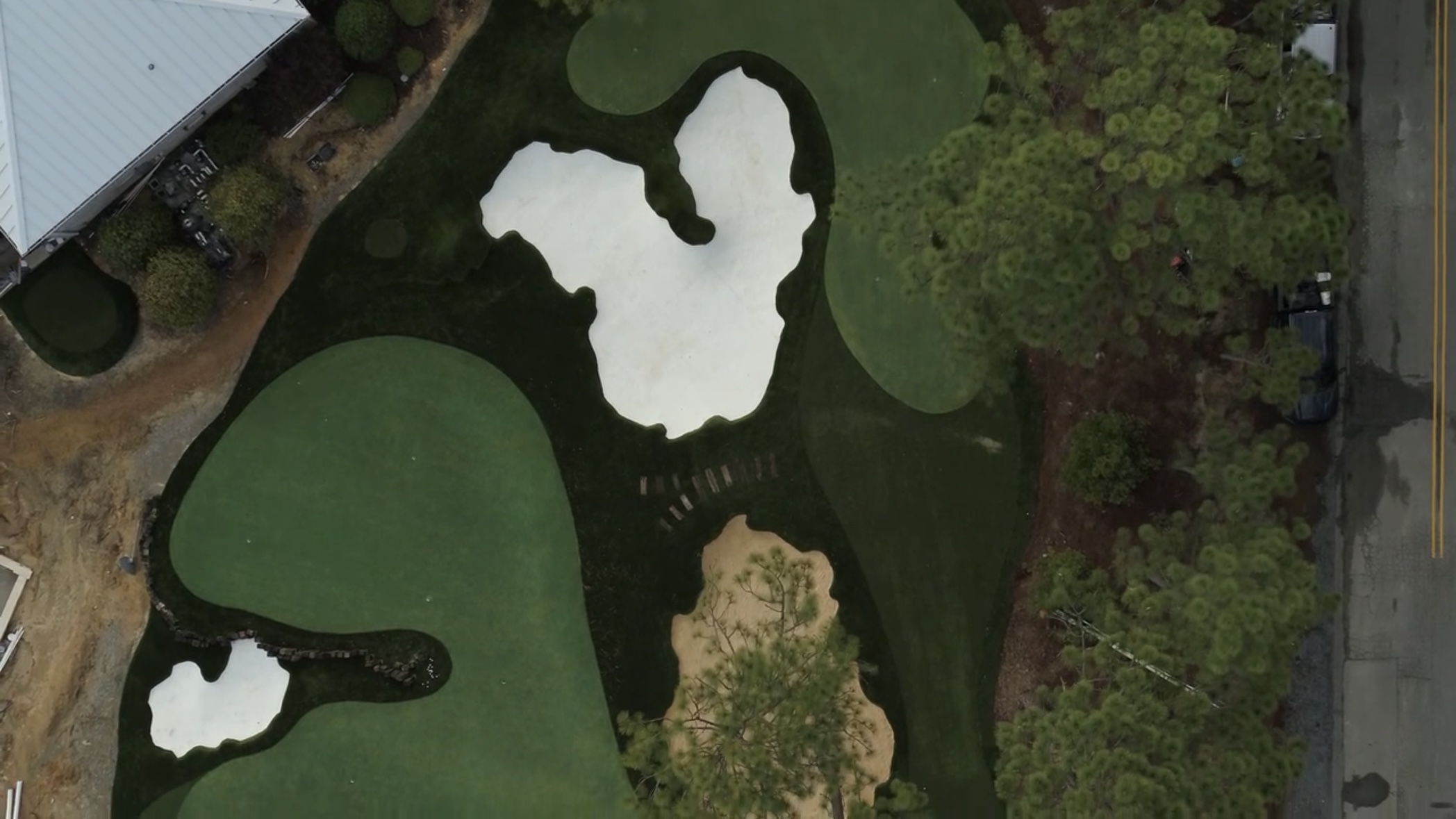
The area I take the most pride in is bunker shaping and aggregate edge work. It’s a hand-shaped process I’ve developed over 20+ years, and it’s not something you’ll find duplicated elsewhere in this industry — it’s what turns a good-looking green into one that actually plays like a real golf course.
What sets me apart is that I come from a golf course construction background, not a general landscaping one. I shape every hole myself, and my install crew follows right behind me — hole by hole — instead of shaping the whole job first and installing after. That hands-on, staggered approach is how I keep quality consistent across the entire project, whether it’s a backyard green or an 18-hole commercial course.
How do you define success?
To me, success isn’t measured by size or scale — it’s the freedom to do things my way. It’s earning enough trust from my clients that they give me the room to do what I do best: create the best possible product without being boxed in by someone else’s shortcuts or assumptions about how the work “should” be done.
That trust is everything. When a client believes in my process and gives me the creative and technical freedom to execute it my way, that’s when the work turns out right — and that’s success to me. It’s not about chasing the biggest job or the fastest turnaround; it’s about doing the work at the level I know it can be done, on my terms.
Contact Info:
- Website: https://elevationdesignandbuild.com/
- Instagram: https://www.instagram.com/elevation.usa?igsh=dHp5OWR1Z2xveDJu&utm_source=qr