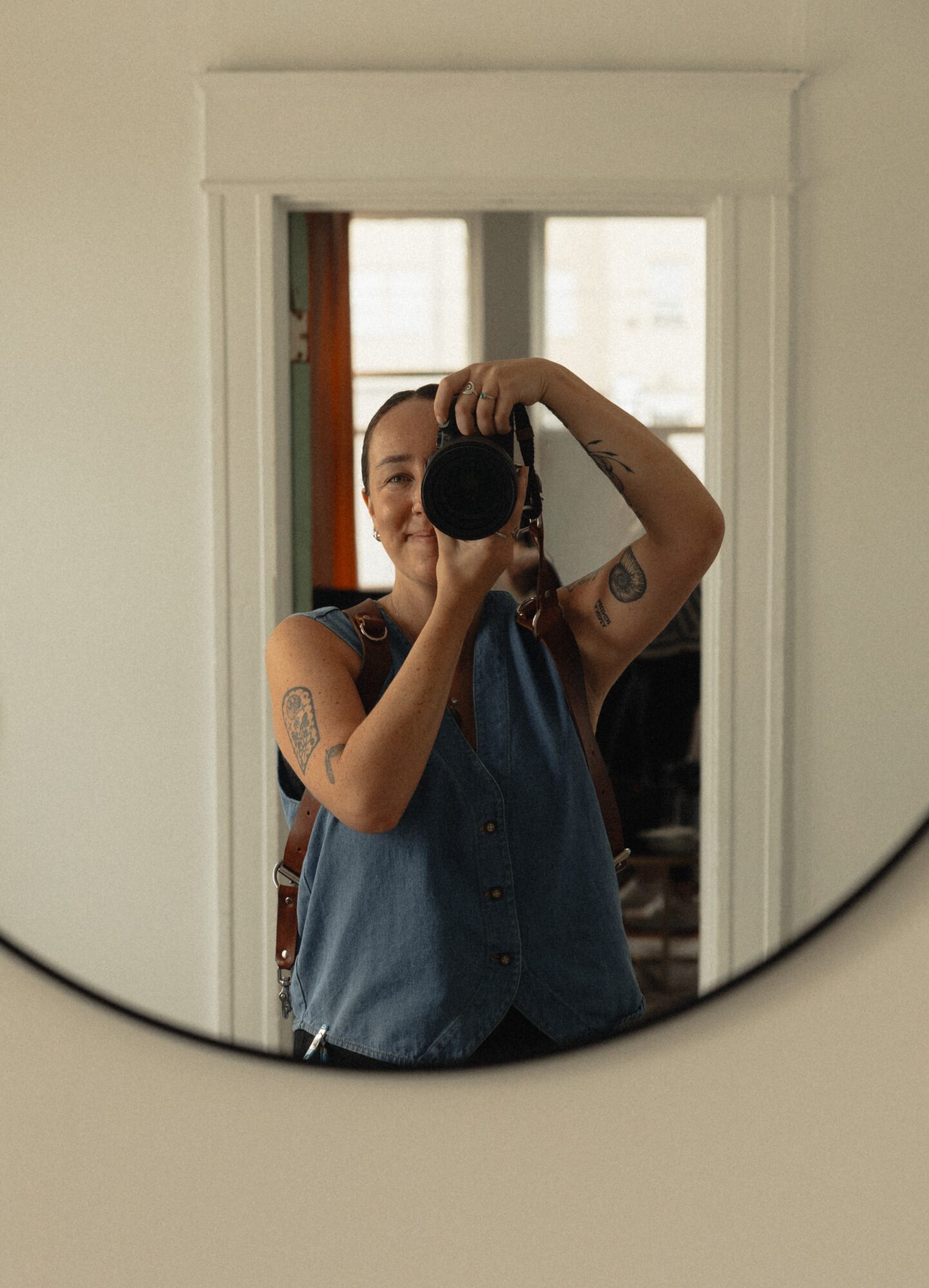



Today we’d like to introduce you to Corrie Mahr.
Hi Corrie, we’re thrilled to have a chance to learn your story today. So, before we get into specifics, maybe you can briefly walk us through how you got to where you are today?
I think I accidentally became a wedding photographer.
I grew up overseas, from the time I was six months old until I was eighteen, and I’ve been drawn to stories for as long as I can remember. Writing, movies, photographs, magazines, anything that could transport me into someone else’s world. I remember flipping through National Geographic and travel publications as a kid and being completely captivated by how much a single photograph could hold.
When I was eleven, I got my first tiny point-and-shoot digital camera and carried it everywhere. I photographed everything. As I got older, I’d save up for slightly more advanced cameras, and by high school I was constantly convincing friends to do elaborate photoshoots with me or walking around the city with a camera around my neck, photographing whatever caught my attention.
What fascinated me most was the act of noticing. I loved photographers who could recognize a composition and then patiently wait for life to move through it. The right person crossing the street. A gesture. A glance. Something ordinary suddenly becoming extraordinary because someone was paying attention.
I went into college thinking I would pursue photojournalism. I imagined some version of my life spent traveling, documenting people and places, maybe working for a publication. I studied film and street photography, spent time in the darkroom, and fell in love with the slower, more intentional process of making photographs. There was something almost sacred about deciding that a moment was worth preserving.
Then, during college, a friend asked if I wanted to help photograph a wedding over the summer. I thought, sure, that’s a great way to make some money while still doing photography.
The funny thing is, I didn’t think I would like wedding photography.
In my head, wedding photography was stiff poses, matching smiles, and a lot of photographs that looked exactly like everyone else’s. I didn’t see much room for the kind of work I loved. But once I actually stepped into a wedding day, I realized I’d completely misunderstood it.
A wedding was this incredible collision of everything I had always wanted to document: people, relationships, family history, ritual, fashion, place, emotion, movement, and all of these tiny unscripted interactions happening simultaneously. I realized I could approach a wedding like a documentarian while still bringing the intentionality and composition I loved about editorial photography. A completely unstaged moment could also be beautiful. Something as simple as someone putting on a shoe could be photographed in a way that felt like art.
That intersection became the foundation of Corrie Mahr Photography.
Over the years, my work has gone through plenty of iterations, but I’ve found myself returning more and more to what made me pick up a camera in the first place: a fascination with people and the stories photographs can hold.
Somewhere along the way, I also discovered that I genuinely love building a business. That surprised me almost as much as wedding photography did. I taught myself everything from websites and SEO to marketing, design, sales, client experience, and the thousand tiny systems involved in running a creative business. Eventually, that grew into another branch of CMP where I create educational resources and tools for other photographers.
Looking back, none of it followed the career path I imagined when I was eighteen. But strangely, it brought together nearly everything I was interested in back then: art, storytelling, people, writing, design, travel, problem-solving, and documenting the little pieces of human life that are so easy to miss.
And somehow, I get to call all of that my job.
Can you talk to us a bit about the challenges and lessons you’ve learned along the way. Looking back would you say it’s been easy or smooth in retrospect?
It definitely hasn’t been a smooth road, but I think one of the greatest things this career has taught me is adaptability.
There is very little about being a wedding photographer that happens in perfectly controlled circumstances. You’re working with real people on incredibly emotional days, surrounded by weather, timelines, family dynamics, changing plans, different personalities, and a hundred little things you couldn’t possibly anticipate. You can prepare endlessly, and you should, but eventually you have to become very comfortable with letting go of the plan and responding to what is actually happening in front of you.
Then there are the much bigger versions of that lesson.
I was running a wedding photography business when COVID-19 arrived. Almost overnight, an entire business built around people gathering together was confronted with a world where people suddenly couldn’t gather at all. Weddings were canceled, postponed, downsized, moved outdoors, moved again, and reimagined entirely. There wasn’t really a playbook for any of us. We were simultaneously trying to care for clients whose plans and lives had been turned upside down while figuring out how our own small businesses were going to survive.
It was incredibly difficult, but it permanently changed the way I think about running a business. You can build plans, systems, goals, and strategies, but you can’t become so attached to them that you aren’t willing to change when the world around you changes.
And honestly, the wedding industry has continued to reinforce that lesson ever since. Trends change. The way people find photographers changes. Social media changes. Search and marketing change. Competition changes. What couples value changes. Even my own creative work changes as I grow as an artist.
I’ve had to learn the difference between adapting and chasing.
I don’t think adaptability means jumping on every new trend or abandoning your point of view every time the industry shifts. If anything, I’ve learned that it’s about knowing what is foundational to you and being flexible with everything around it.
The same is true with clients. Every couple comes into this experience with different personalities, priorities, families, expectations, and ideas of what their wedding should feel like. My job isn’t to force all of them into the same formula. It’s to understand what matters to them, bring my own expertise and artistic perspective to the table, and create something together that still feels like them.
I think that’s one of the stranger realities of building a creative career. You need a strong enough sense of self to know what you stand for, while staying flexible enough to keep evolving.
And I hope I never stop doing either.
Can you tell our readers more about what you do and what you think sets you apart from others?
At the heart of my work is a pretty simple belief: your photos deserve to feel like art, but your life shouldn’t have to become a performance in order to create them.
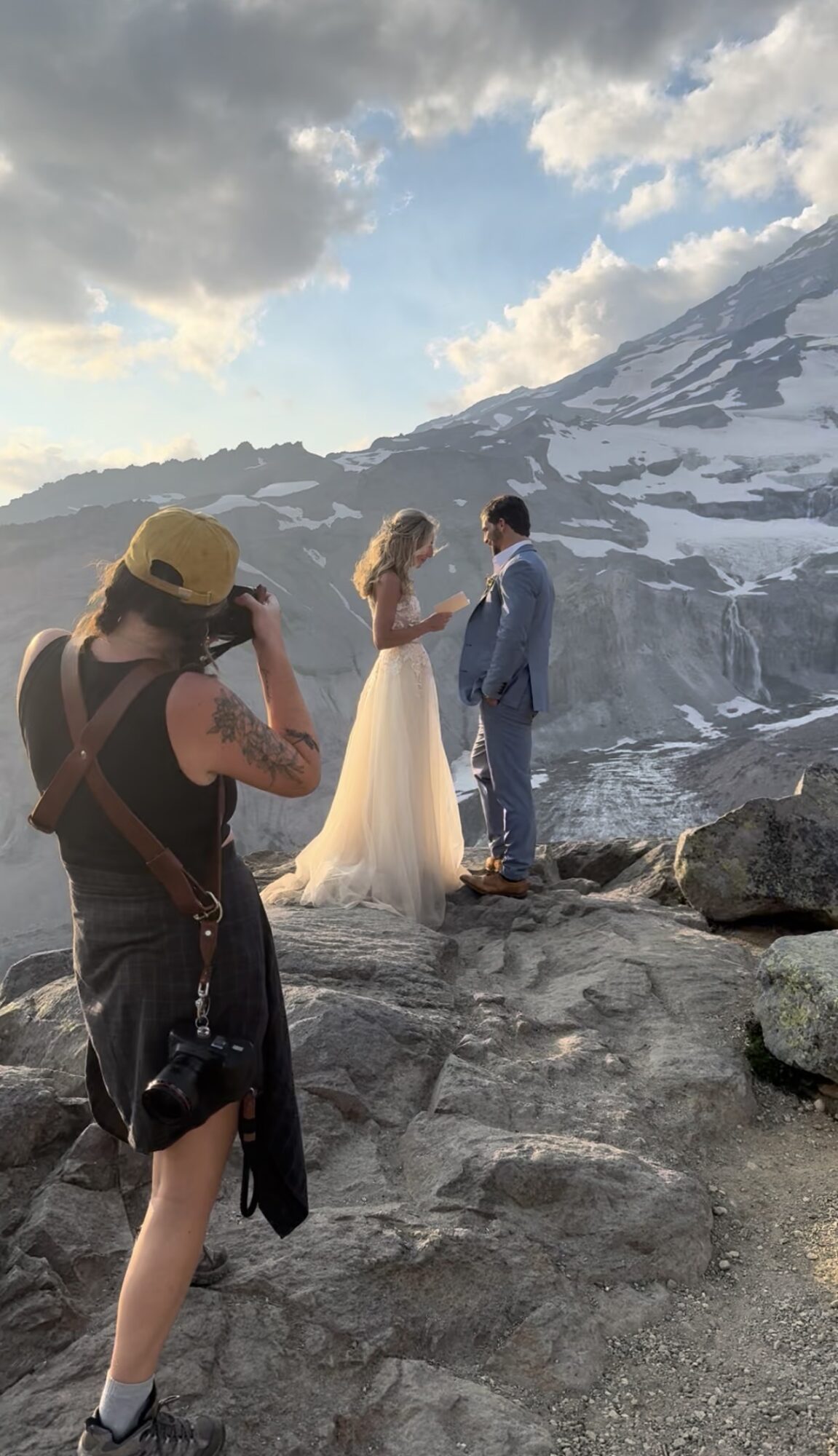
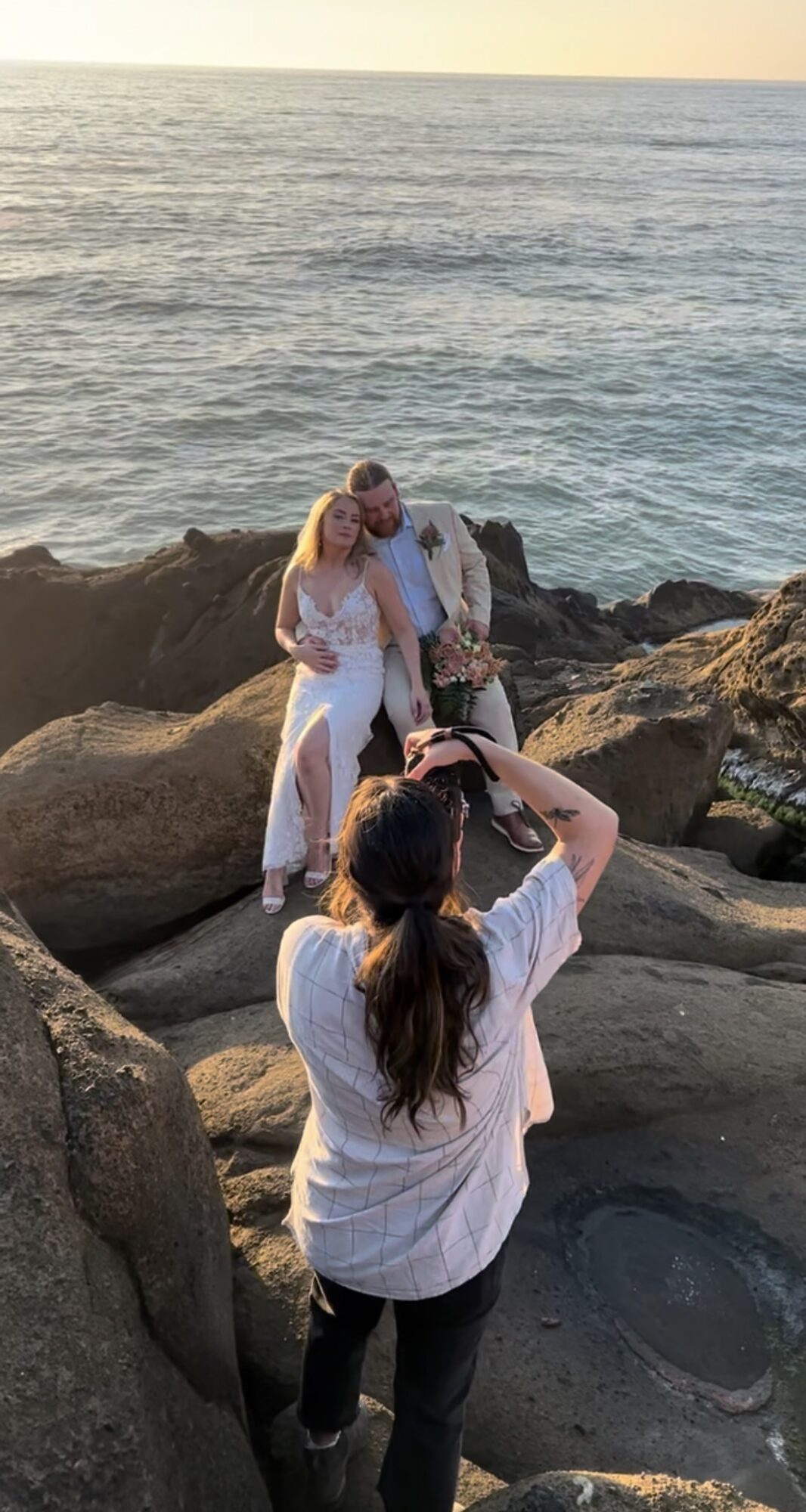
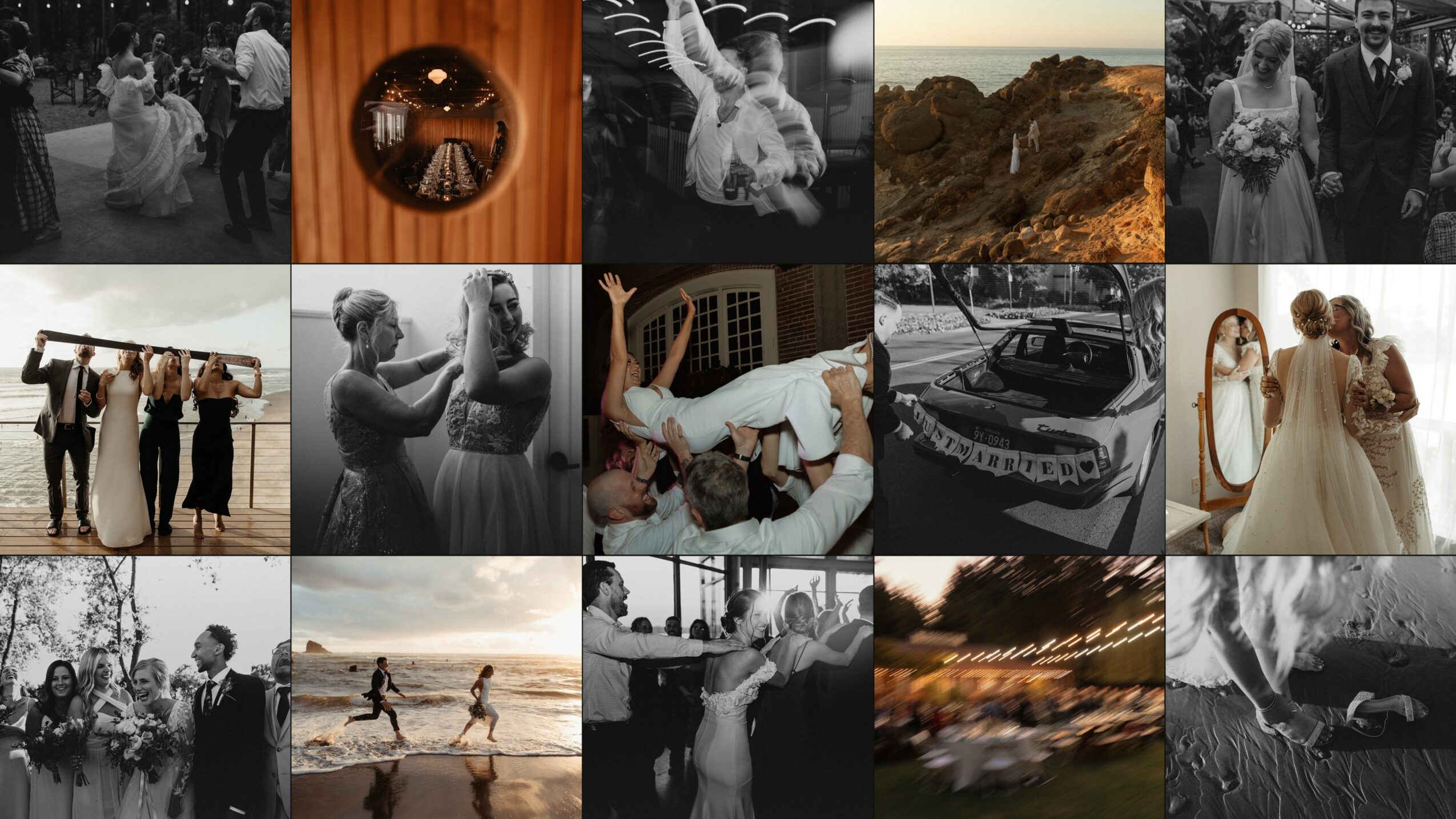
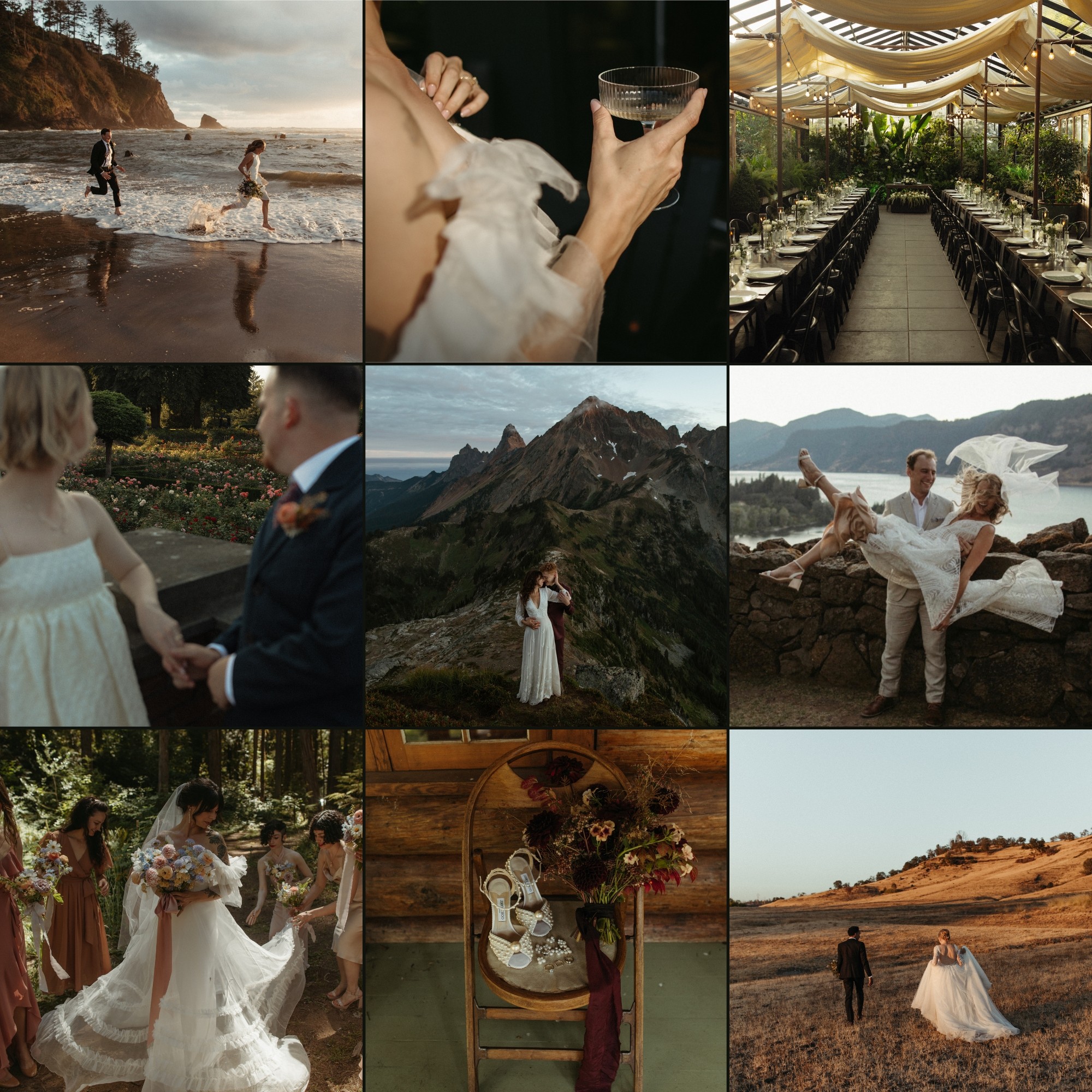
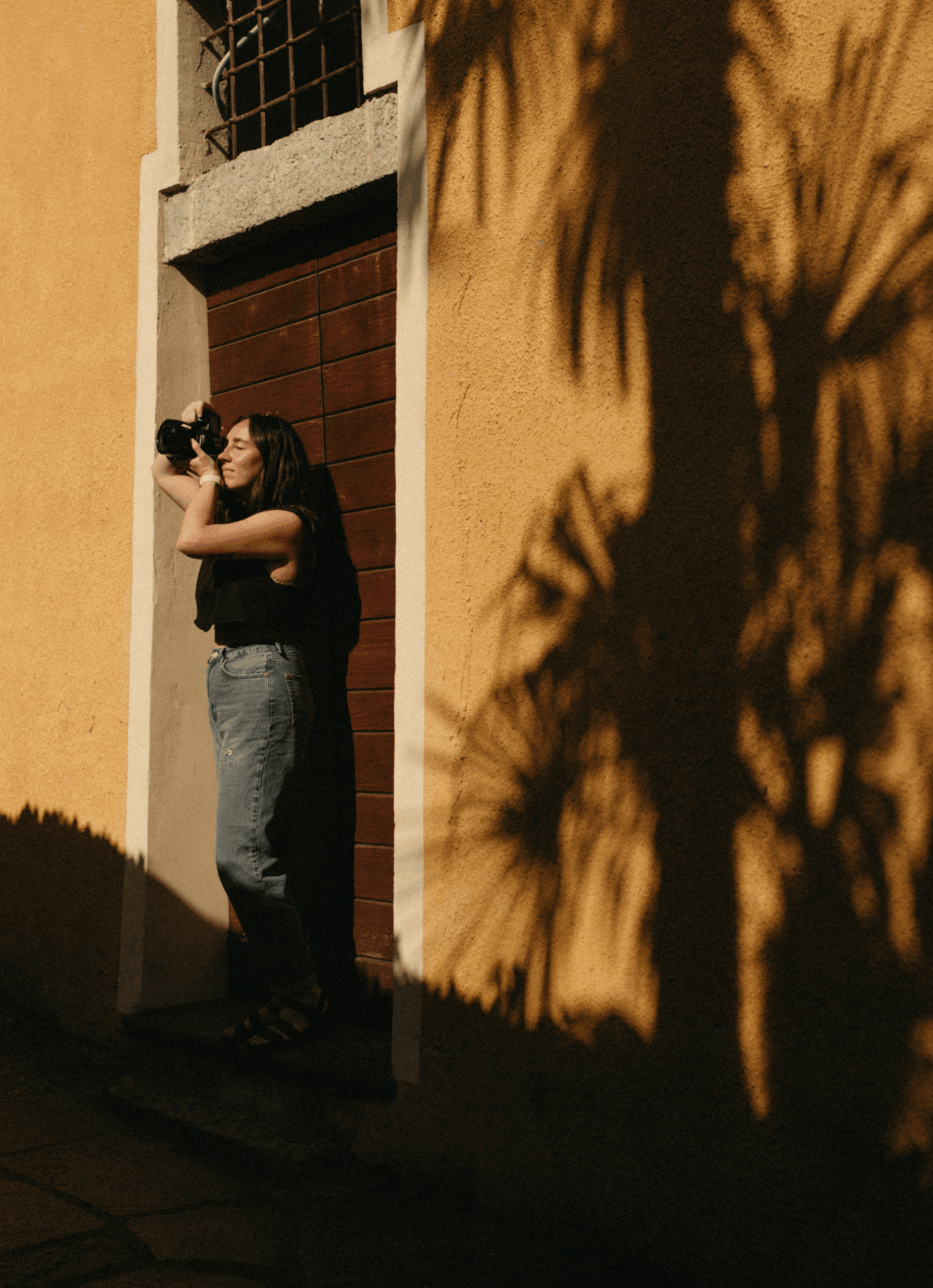
I photograph weddings and elopements throughout Oregon and beyond, and my approach blends documentary photography with an editorial eye. I’m interested in the photographs that happen in the in-between: the things people do when they’ve forgotten about the camera, the relationships unfolding at the edges of a room, the tiny gestures that might not seem significant until years later.
My job is partly to notice those things, but it’s also to make intentional photographs out of them. I care enormously about composition, light, movement, color, texture, and timing. I’m always looking for that intersection where something can be completely real and completely artful at the same time.
That’s where a phrase I’ve come back to again and again in my work, “presence over perfection,” comes from. I don’t want couples spending their wedding day performing for my camera or worrying about whether every moment looks perfect. I want them inside their lives, with the people they love, trusting me to pay attention.
That doesn’t mean I never give direction. I actually think that’s one of the misconceptions around documentary wedding photography. There are moments when I’ll move someone toward beautiful light, give a little direction when they’re feeling unsure, or recognize the bones of an incredible photograph and help bring it to life. Other times, the most beautiful thing I can do is leave a moment completely alone. Knowing the difference is a huge part of the craft for me.
I think what I’m most proud of is that I’ve become less interested in making photographs that look like what wedding photography is “supposed” to look like. I want each gallery to feel specific to the people in it. I want the polished portraits and the weird little moments. The beautiful details and the messy humanity. The images you’d expect to frame, and the one you never knew you needed until you saw it.
Ultimately, I’m not trying to make someone’s wedding look perfect.
I’m trying to make something honest feel like art.
What was your favorite childhood memory?
Some of my favorite childhood memories are backpacking with my mom.
I lived in Lhasa, Tibet, until I was eleven, and growing up there meant that some truly incredible landscapes were simply part of my childhood. We hiked, camped, backpacked, and explored often, but some of the memories I hold closest are the trips that were just my mom and me.
My mom was a deeply adventurous woman, and she taught me bravery in a very tangible way. She didn’t just tell me that I could do hard things. She took me out and showed me that I could. We’d carry our packs into the mountains, set up our tent ourselves, and spend our days walking through valleys surrounded by wildflowers and yak herds.
I have a particular memory of hiking into one of our favorite valleys together and talking as we walked. I don’t remember every word of the conversation anymore, but I remember how she made me feel: like my life could be big. Like I could be curious, brave, and creative. She allowed me to stop and look at the flowers as long as I wanted, she encouraged building fairy houses along the creek, she reminded me to take it all in and say, “wow, it’s so beautiful.” She made me feel like becoming an artist and building a life around something I loved wasn’t a frivolous idea, but something worth taking seriously.
Looking back, I realize how many of the things I value now were being quietly formed in moments like those. A love of wild places. Curiosity about people and cultures different from my own. The confidence to go somewhere unfamiliar. The willingness to do something difficult without knowing exactly how it will turn out. And maybe most importantly, an understanding that a meaningful life requires actually being present enough to notice it.
I can still picture us with our packs, overlooking those valleys, surrounded by wildflowers and an enormous landscape. Even as a kid, I remember having this awareness that I wanted to somehow hold onto it. Maybe that’s part of why I became so drawn to photographs and stories later on. There’s something in me that has always wanted to preserve the things I know I can’t keep.
My mom gave me a lot of things, but that combination of curiosity, courage, and attention might be one of the greatest.
And those afternoons in the mountains with her are still some of the places I can trace it back to.
Contact Info:
- Website: https://www.corriemahrphotography.com/
- Instagram: https://www.instagram.com/corriemahrphoto
- Facebook: https://www.facebook.com/CorrieMahrPhotography
- Other: https://www.tiktok.com/@corriemahrphoto