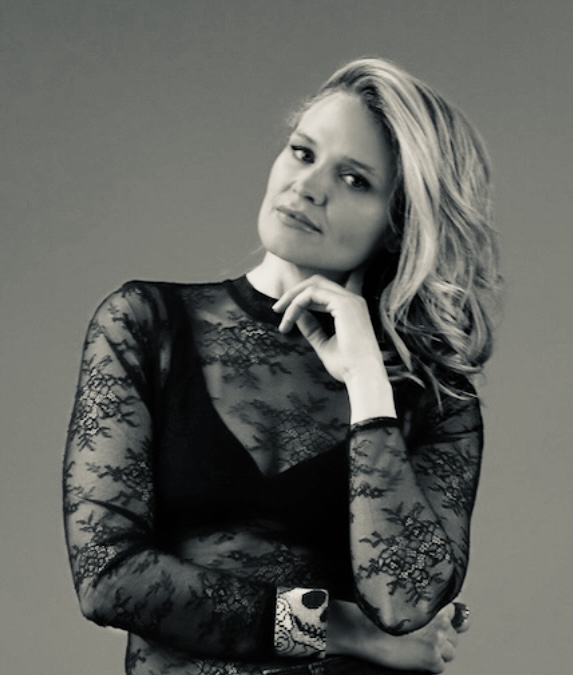



Today we’d like to introduce you to Erika Copeland.
Hi Erika, thanks for joining us today. We’d love for you to start by introducing yourself.
Our story began in a place most entrepreneurs rarely talk about openly: survival.
In 2020, my life unraveled in ways I never could have prepared for. I lost both my father and my sister. I went through a divorce and was unfortunately impacted by COVID layoffs all while raising twin boys who needed their mom to hold it together when the world felt like it was collapsing around us. During that time, I learned that resilience is not something you are born with. It is something you build when quitting is not an option and rebuilding is the only path forward.
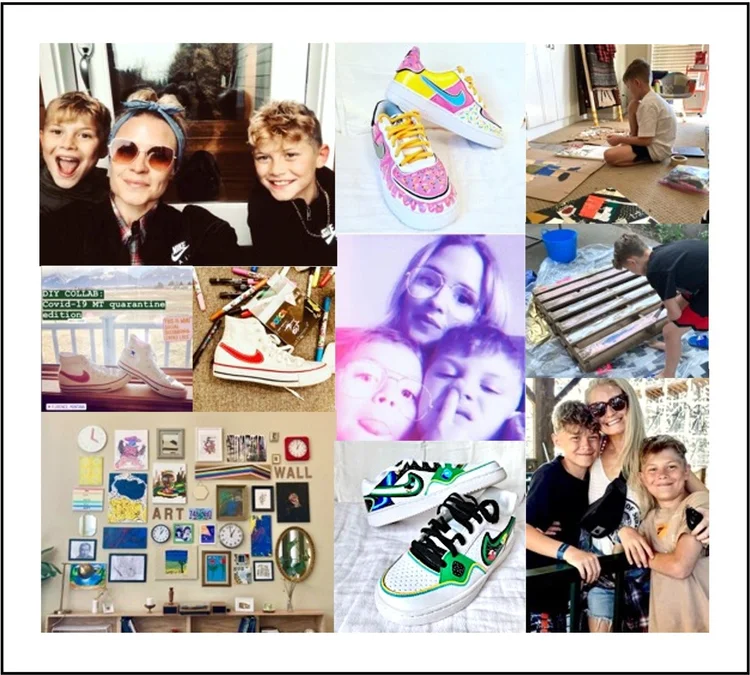
In 2021, when COVID shut everything down, my boys and I started healing the only way we knew how. We turned to art. We painted anything we could find: canvases, walls, windows, shoes, clothing. What began as a way to cope slowly became a spark of possibility. It kept us connected. It kept us moving. It reminded us that even in grief, there is room for reinvention.
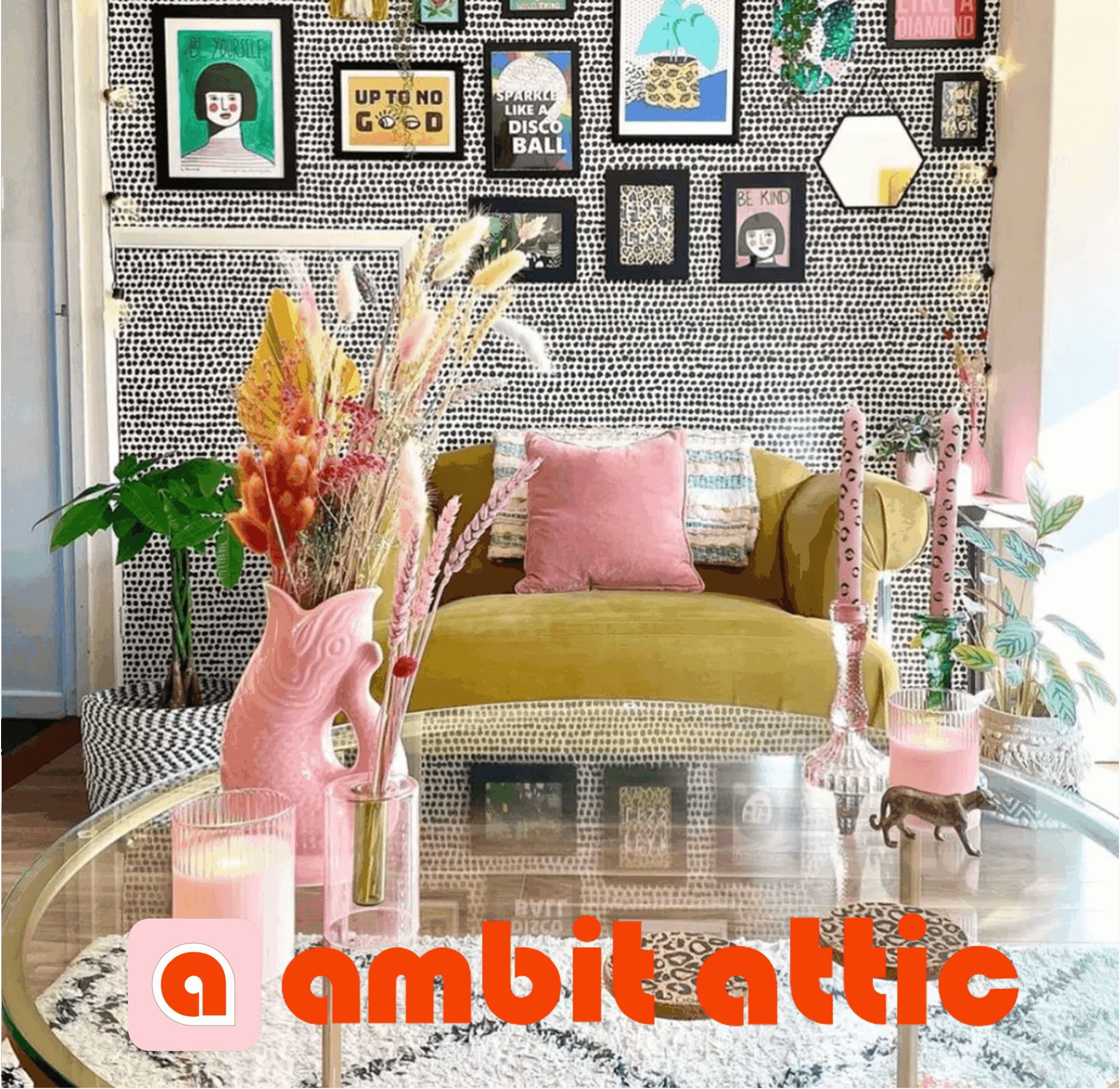
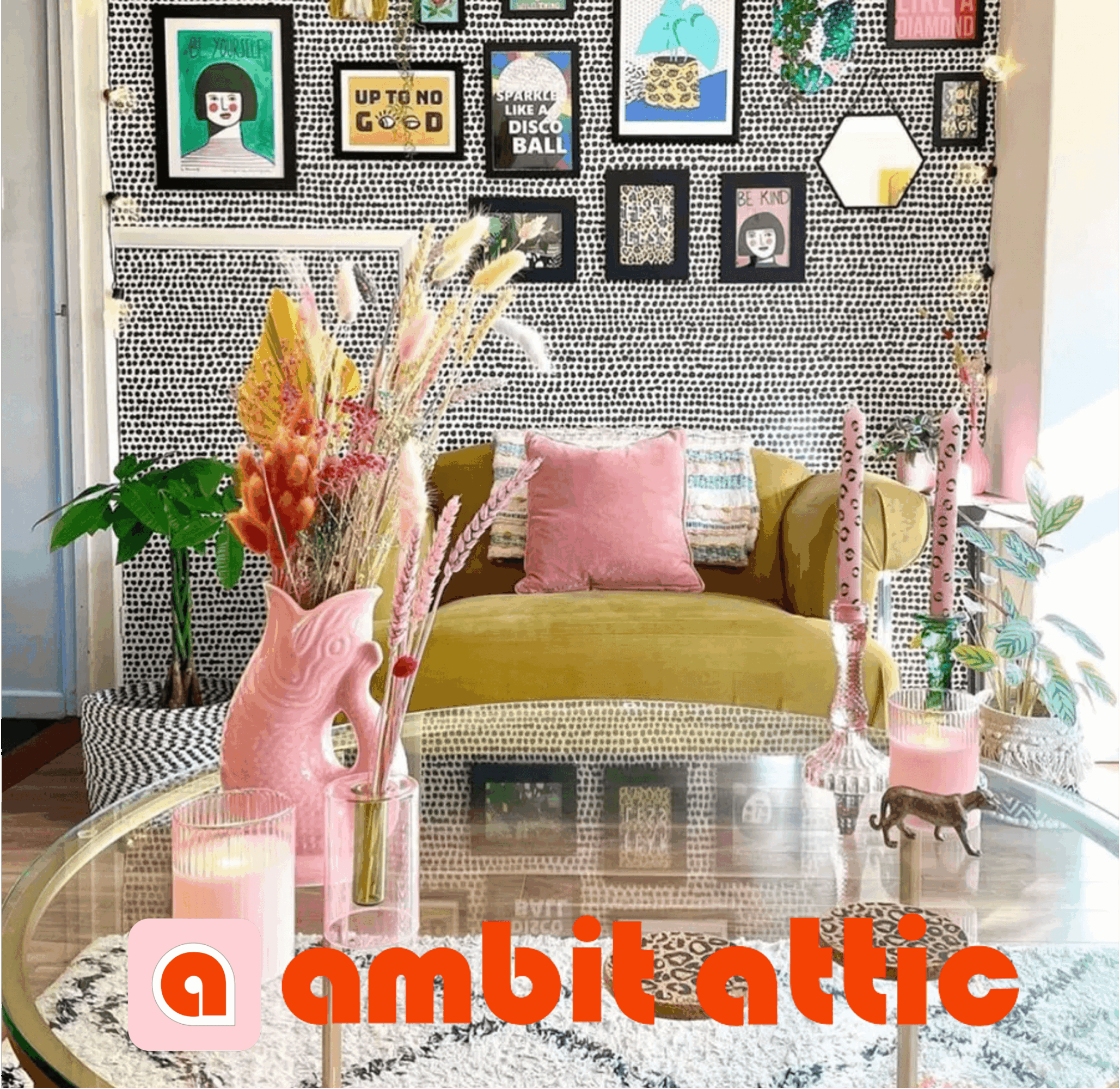
That spark became Ambit Attic.
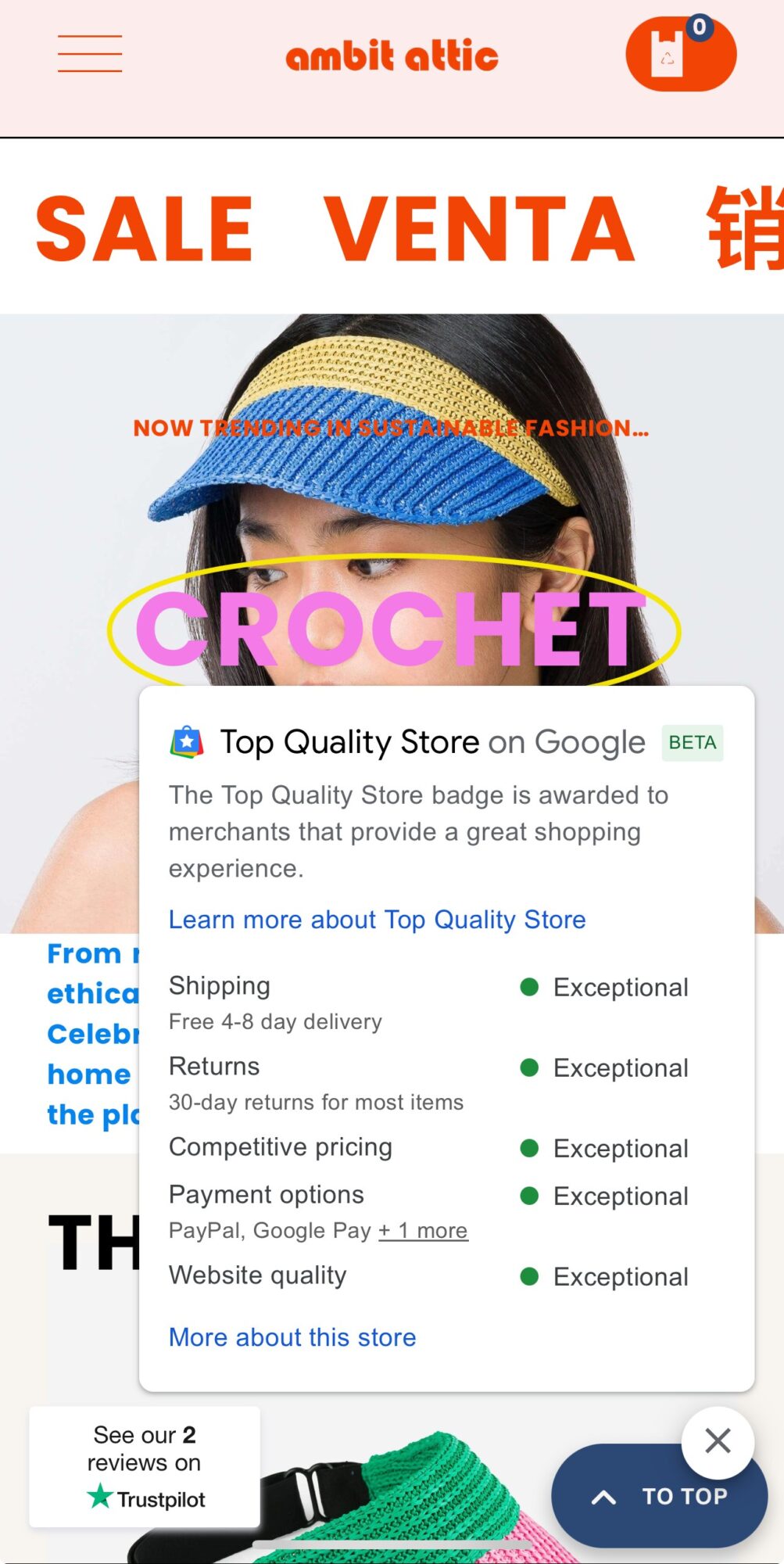
I poured my savings, retirement, my creativity, and every ounce of purpose I had left into building something that reflected our journey while highlighting like-minded small batch brands. What started as a mother and sons means to heal grew into a sustainable marketplace for eco-friendly home goods, ethical fashion, custom handmade pieces, upcycled designs, and curated resale. Today, Ambit Attic and soon, our expanding circular ecosystem, Ambit Loop, exist to give products, makers, and customers a second life.
This is not trend-driven sustainability. It is lived experience turned into a business model. It is proof that reinvention is possible. It is proof that creativity can heal. It is proof that circular retail can scale when it is built with intention and heart.
Ambit Attic is now a growing platform with real traction, real customers, and a mission that reaches far beyond commerce. We are building a future where sustainability drives profitability, where small-batch makers thrive, and where every product has a story worth telling.
In many ways, my sons and I are still painting. The canvas is just much bigger now.
We all face challenges, but looking back would you describe it as a relatively smooth road?
Smooth is not the word I would use. Beautiful, meaningful, transformative, and absolutely worth it, yes. But smooth, rarely.
Building Ambit Attic has been a journey of blood, sweat, tears, and more growth than I ever expected. As a one‑woman show, I have been responsible for everything. Website design, functionality, product curation, photography, packaging, customer experience, shipping, logistics, sustainability practices, and every single detail in between. I built a cost‑effective and eco‑friendly shipping process using repurposed materials, even down to filler made from shredded plastics and paper waste. It is a lot to carry, and there were many days when it felt like too much.
There were moments when I had to restart and reset more times than I can count. I came close to losing my car, my home, and everything I had spent a lifetime building. I worked through nights, cried through setbacks, and kept going even when the path felt impossibly heavy.
But our customers have been extraordinary. Compassionate, patient, encouraging, and deeply connected to the mission. They have supported me through every pivot and every rebuild. Their belief in what we are creating has kept me moving forward when the road felt steep.
The truth is that Ambit Attic was not built from ease. It was built from resilience, creativity, and a refusal to quit. It was built from grief that demanded transformation and from a purpose that kept growing even when the circumstances around me were falling apart.
The road has not been smooth, but it has been honest. And it has shaped a business that is stronger, more intentional, and more meaningful because of every struggle along the way.
Alright, so let’s switch gears a bit and talk business. What should we know about your work?
The short version: I build merch stories and creative strategies that mean something.
Twenty-plus years as a buyer, merchandising, and strategic leader, most of it in kid’s footwear at Nike, adidas before that and started my career at Zappos as an early ecomm pioneer, helping to scale it from startup to a $2B+ retail powerhouse. What I’m known for is finding opportunities that scale. Today I’m in Merch and Creative Strategy on the New Business Development team at HALO Branded Solutions, building connections and driving real growth alongside ridiculously talented people just as obsessed with the work as I am.
What sets me apart is that I don’t separate the head from the heart. I can read a P&L and I can read a room. I’m a Cancer through and through: a healer, painfully empathetic, intuitive, curious about everything, and I’ll go to war for the people I love. I lead with humor, integrity, compassion, and true grit.
But the thing I’m most proud of isn’t on my resume. I’ve held a lot of titles but the one that matters most is “mom”. My boys are truly my best work. I’ve coached them in basketball since they could barely walk and continue to advocate for youth sports, for women, for human potential, for anyone who’s been counted out. That’s the throughline in all of it: I believe people, and products, deserve a second look, a second chance, and a story worth telling.
Everything else is just how I put that belief to work.
What sort of changes are you expecting over the next 5-10 years?
Over the next 5–10 years, I think retail will move from treating sustainability as a marketing story to treating it as core infrastructure. For years, sustainability has often been a hangtag, capsule collection, or PR initiative. That’s changing.
The secondhand market is projected to reach nearly $400 billion globally by 2030 and is growing faster than the overall apparel market. In the U.S., resale is also expanding much faster than traditional retail, with Gen Z and Millennials driving most of that growth.
The bigger shift, though, is regulation. California has already passed legislation that makes brands responsible for textiles at end of life, and similar policies are emerging around the world.
As a result, sustainability is moving from a values statement to a P&L issue. Circularity isn’t a trend. It’s becoming a fundamental part of how retail operates. Brands will need systems that support resale, repair, recycling, and compliance in a way that is scalable and economically viable.
That’s the conviction behind our newest venture, CirqTerra https://cirqterra.com/, (co-founded with a friend). We’re building the connective infrastructure that helps make circular commerce work at scale, helping brands and consumers navigate resale, repair, recycling, and compliance through a more seamless ecosystem.
My bet is that the next decade won’t be defined by who talks most about circularity. It will be defined by who can operationalize it.
Contact Info:
- Website: https://www.ambitattic.com/
- Instagram: https://www.instagram.com/ambitattic/
- Facebook: https://www.facebook.com/ambitattic/
- LinkedIn: https://www.linkedin.com/in/erikacartercopeland/
- Other: https://cirqterra.com/