


Today we’d like to introduce you to Jess Beers.
Hi Jess, so excited to have you on the platform. So before we get into questions about your work-life, maybe you can bring our readers up to speed on your story and how you got to where you are today?
When people ask what I do, the answer is usually, “A little bit of everything—and I wouldn’t have it any other way!” I found speech-language pathology as a second career, and one of the things I love most about this profession is how many different directions it can take you. That curiosity has led me to work in early intervention, schools, outpatient clinics, skilled nursing, rehabilitation, and private practice, serving clients across the lifespan.
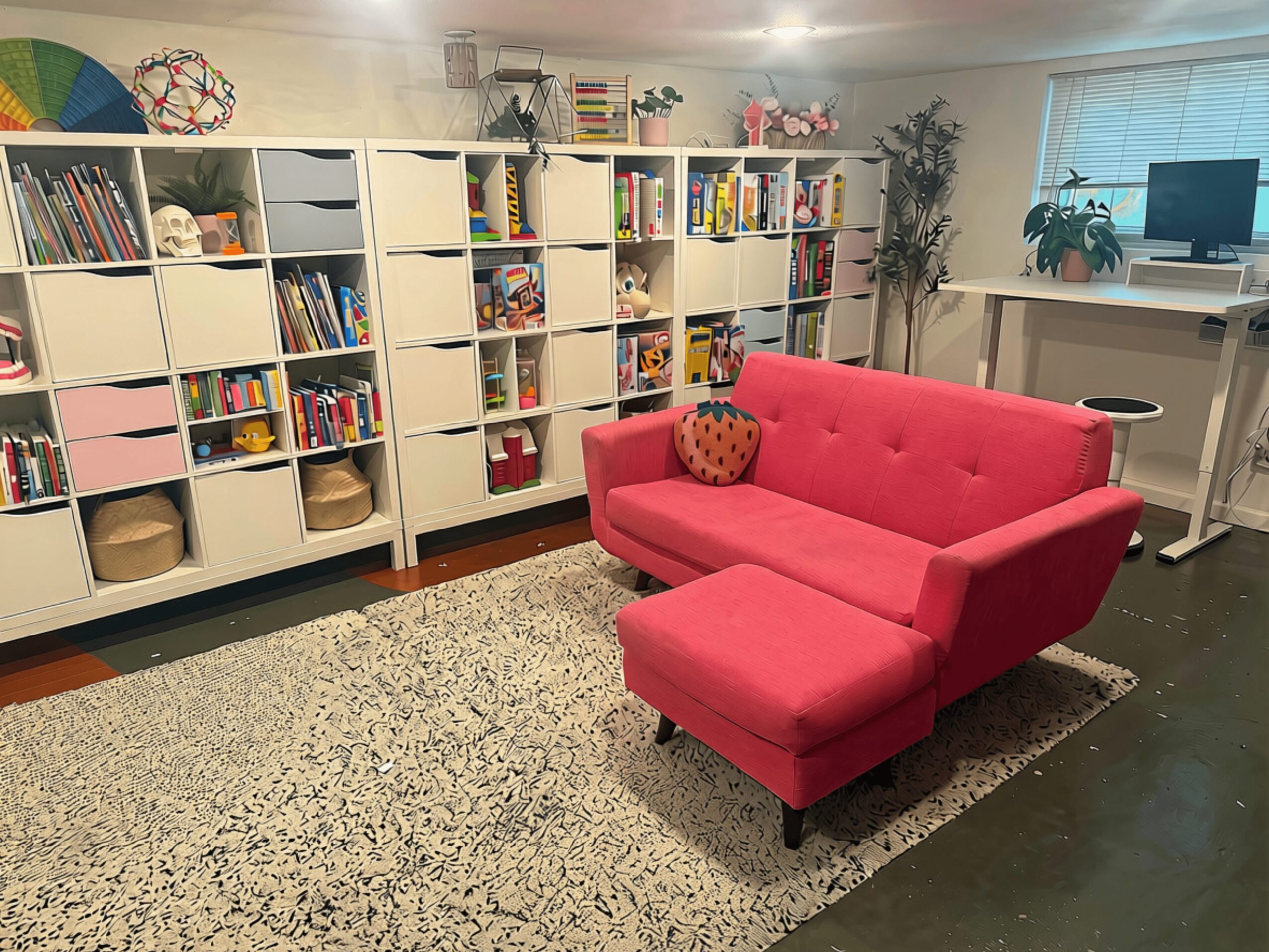
In 2021, I started Speaktacular Speech & Language because I wanted the freedom to practice the way I believe speech therapy should be delivered. I wanted the flexibility to spend the time clients deserve, collaborate closely with families, and provide individualized, evidence-based care tailored to each person’s strengths, goals, and everyday life, rather than relying on a one-size-fits-all approach.
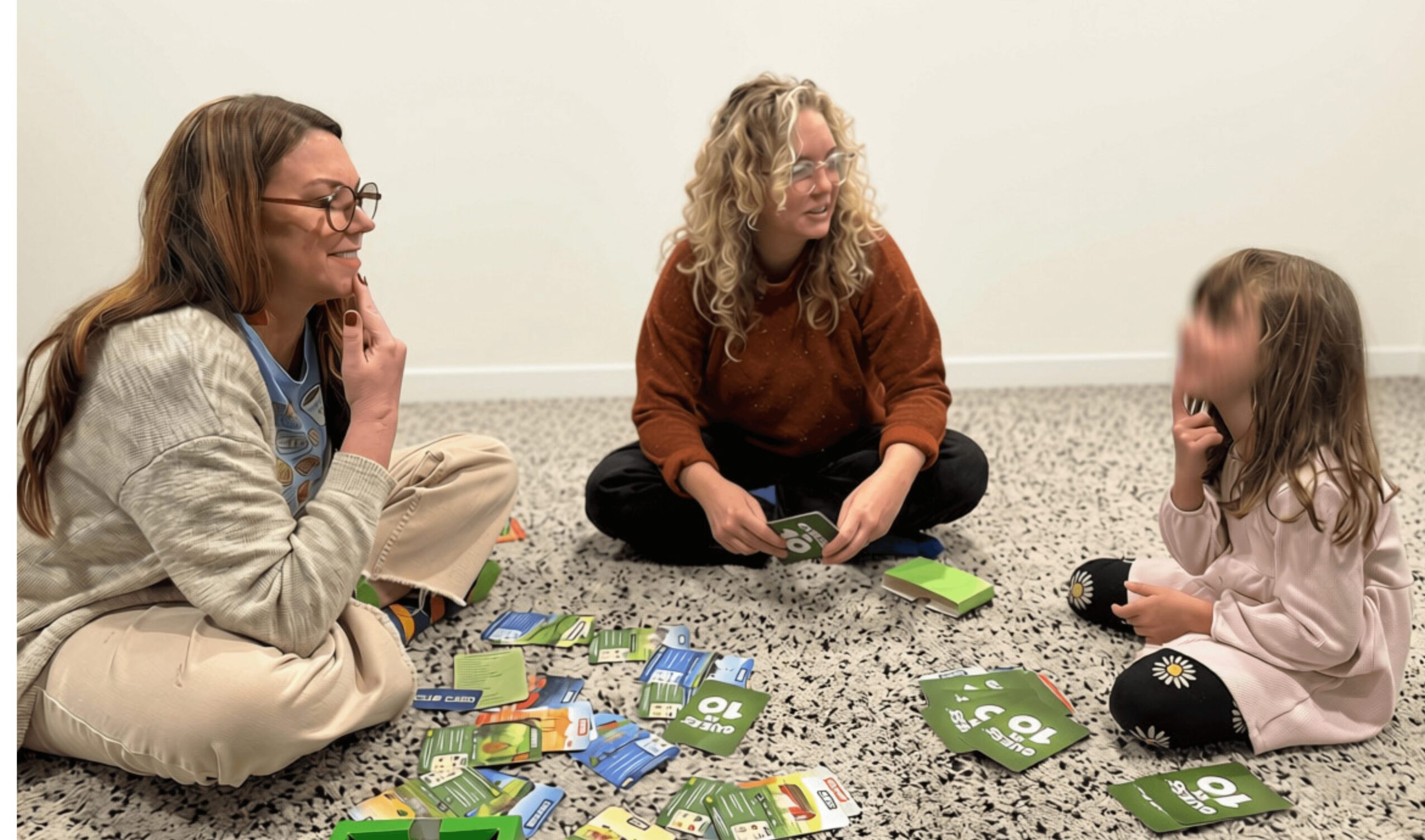
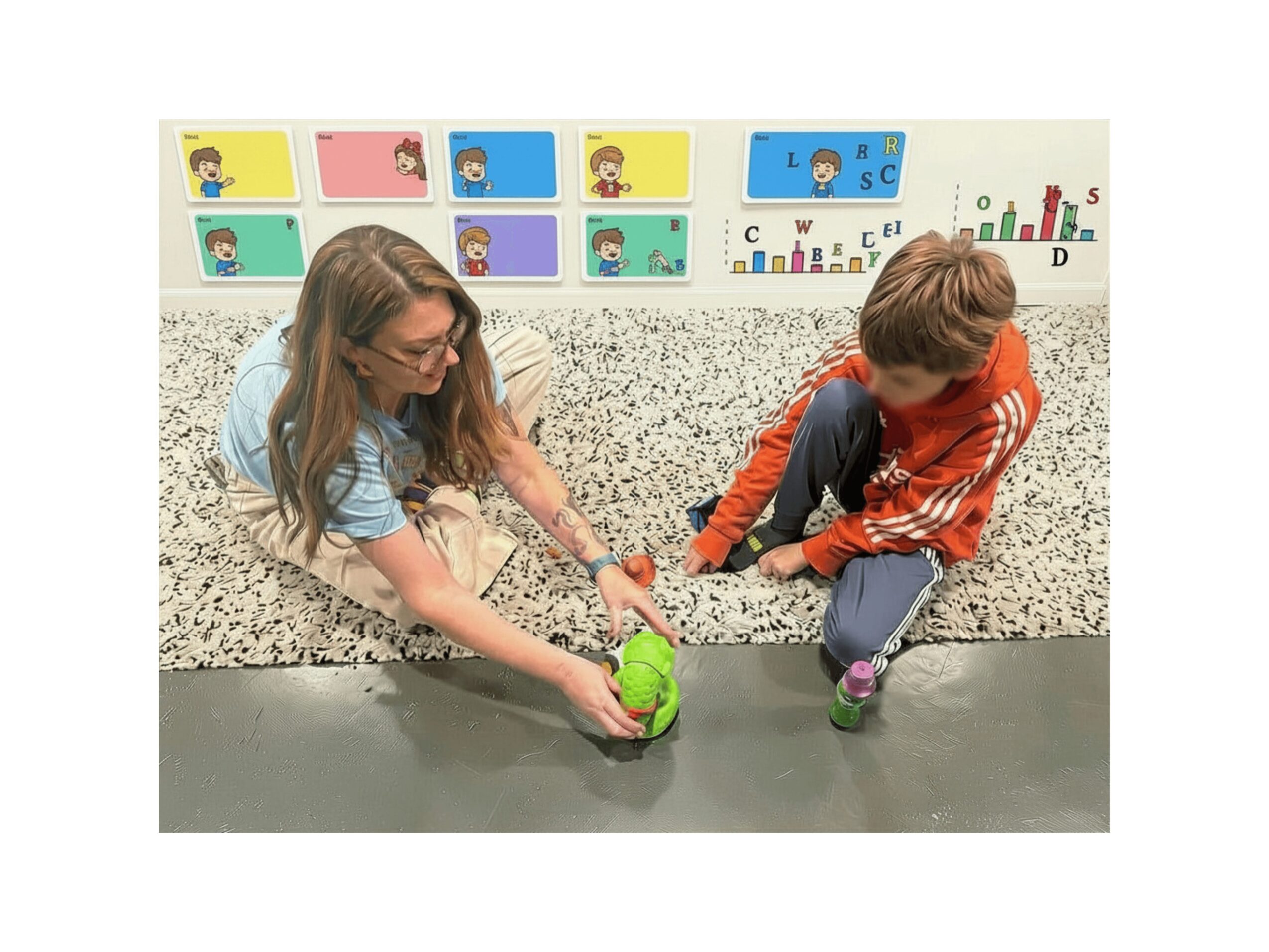
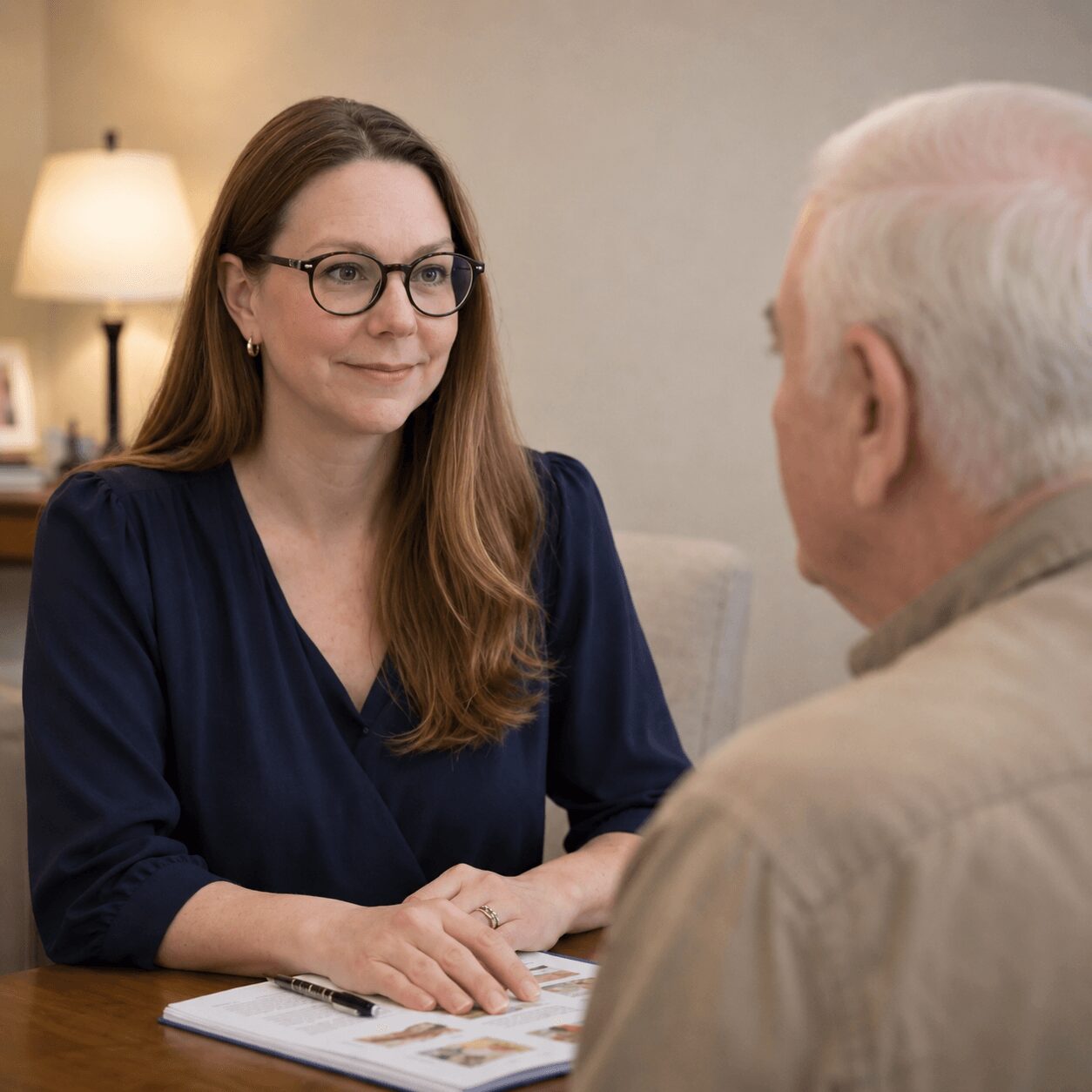
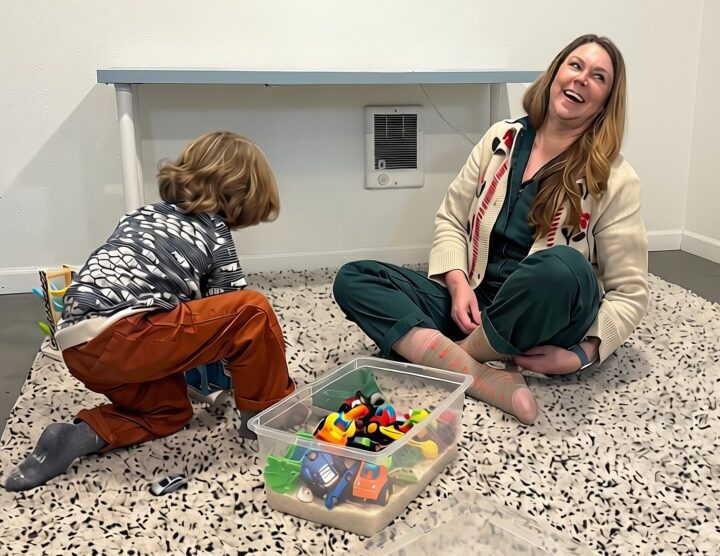
One of my favorite things about owning a private practice is the variety. No two days look the same, and I love that. I might spend the morning helping a preschooler communicate through play, teach a class in the afternoon, and then work with an adult recovering from a brain injury or experiencing memory and thinking changes. That variety keeps me energized, continually learning, and reminds me just how broad and rewarding this profession can be.
At the same time, I never wanted to step away from the broader speech-language pathology community. Alongside my private practice, I continue to work in other settings, teach, and recently earned my Doctor of Speech-Language Pathology degree. I genuinely enjoy wearing different hats because each role teaches me something new and ultimately makes me a better clinician.
Over the years, I’ve discovered a special passion for speech sound disorders in children and cognitive-communication therapy with adults. One of my favorite things about this profession is that there’s always something new to learn. I’m always reading the latest research, taking continuing education courses, and figuring out how to translate new evidence into practical, meaningful therapy for the people I work with.
Looking back, I realize I’ve intentionally built a career that lets me combine everything I enjoy about this profession. Speaktacular Speech & Language has given me the opportunity to provide the kind of care I believe in while continuing to teach, learn, stay involved in the community, and keep growing as a clinician. I still get excited to go to work because every client teaches me something new. Helping people communicate—and never stopping learning myself—is exactly the kind of career I was hoping to find.
I’m sure it wasn’t obstacle-free, but would you say the journey has been fairly smooth so far?
It definitely hasn’t been a smooth road, but I wouldn’t trade the journey. Building a private practice has been a lot of hustle. For the past several years, I’ve balanced multiple roles at the same time—seeing clients in different settings, teaching, earning my doctorate, and growing Speaktacular Speech & Language. There have been plenty of evenings, weekends, and early mornings spent working on the business after finishing my “regular” workday.
One of the biggest surprises was realizing how much of owning a private practice has nothing to do with speech therapy. Learning insurance credentialing, billing, marketing, accounting, websites, and all of the other behind-the-scenes responsibilities has been a continuous learning process. As speech-language pathologists, we’re trained to be clinicians, not necessarily entrepreneurs.
The hustle has also taught me to be intentional. I love saying yes to new opportunities, but I’ve learned that building something sustainable means focusing on what matters most—providing excellent care, continuing to learn, and creating a practice that reflects my values instead of trying to grow as quickly as possible.
I’ve also been incredibly fortunate to have supportive colleagues, mentors, family, and friends who have encouraged me along the way. Building a business can feel isolating at times, but the speech-language pathology community has been incredibly generous in sharing knowledge and supporting one another.
Looking back, every challenge has made me more resourceful and more confident. The hustle isn’t over, but it’s rewarding to see the practice continue to grow and know that every step has been worth it.
Great, so let’s talk business. Can you tell our readers more about what you do and what you think sets you apart from others?
Speaktacular Speech & Language was built around a simple idea: every client deserves care that is individualized, evidence-based, and centered around what matters most to them.
I work with both children and adults, providing evaluation and therapy for a wide range of communication needs, including speech sound disorders, language disorders, cognitive-communication challenges, autism, and more. One of the things that makes my practice unique is that I truly work across the lifespan. I love the variety of helping a young child say their first words, supporting a school-age child with speech clarity, and later in the day working with an adult recovering from a brain injury or navigating memory and thinking changes. Every stage of life brings different opportunities and challenges, and I enjoy helping people meet their goals wherever they are in their journey.
What really sets my practice apart is the time I spend getting to know each client as an individual. I believe therapy is most successful when it is meaningful, functional, and tailored to each person’s strengths, interests, and everyday life—not just focused on improving scores on a test.
I’m also passionate about empowering both clients and their families. Whether I’m working with a child, an adult, or an older adult, I want people to understand their communication strengths and challenges, feel confident advocating for themselves, and have the tools they need to continue making progress outside of therapy. I spend a lot of time educating clients and caregivers because some of the most meaningful growth happens between sessions.
I intentionally stay connected to many different parts of the profession. In addition to running my practice, I continue to teach, work in other clinical settings, and pursue ongoing professional development. I genuinely love learning, and I believe my clients benefit from that commitment. I’m always reading the latest research, exploring new approaches, and thinking about how to translate evidence into practical, meaningful therapy.
More than anything, I want Speaktacular Speech & Language to be a place where people feel heard, supported, and empowered. Communication is deeply personal, and it’s a privilege to help people build the skills and confidence they need to connect with others and participate more fully in the lives they want to live.
Where do you see things going in the next 5-10 years?
I think speech-language pathology is entering an exciting period of growth and innovation. More people are recognizing just how important communication is to quality of life, and I’m seeing increased awareness of speech, language, cognitive-communication, and swallowing disorders across the lifespan. That awareness is helping people seek support earlier, which can make a meaningful difference.
Technology is also changing our field. Teletherapy has expanded access to care for many families and adults who might not otherwise receive services, and I think it will continue to be an important part of healthcare. I’m also excited about the potential of artificial intelligence—not as a replacement for clinicians, but as a tool that can help us work more efficiently. When used thoughtfully and ethically, AI can help with things like organizing information, generating ideas, or streamlining documentation, allowing clinicians to spend more time doing what only humans can do: building relationships, using clinical judgment, and providing individualized care.
I also hope we’ll continue moving toward more personalized, evidence-based, and neurodiversity-affirming approaches. Rather than expecting every client to fit the same mold, our profession is increasingly recognizing the importance of understanding each person’s unique strengths, goals, culture, and communication style.
At the end of the day, I don’t think the heart of our profession will change. Communication is deeply human, and while technology and research will continue to evolve, empathy, collaboration, and meaningful relationships will always be at the center of great speech-language pathology.
Contact Info:
- Website: https://www.speaktacularslp.com
- Instagram: https://www.instagram.com/speaktacularslp/
- Facebook: https://www.facebook.com/people/Speaktacular-Speech-Language-LLC/100075461127513/