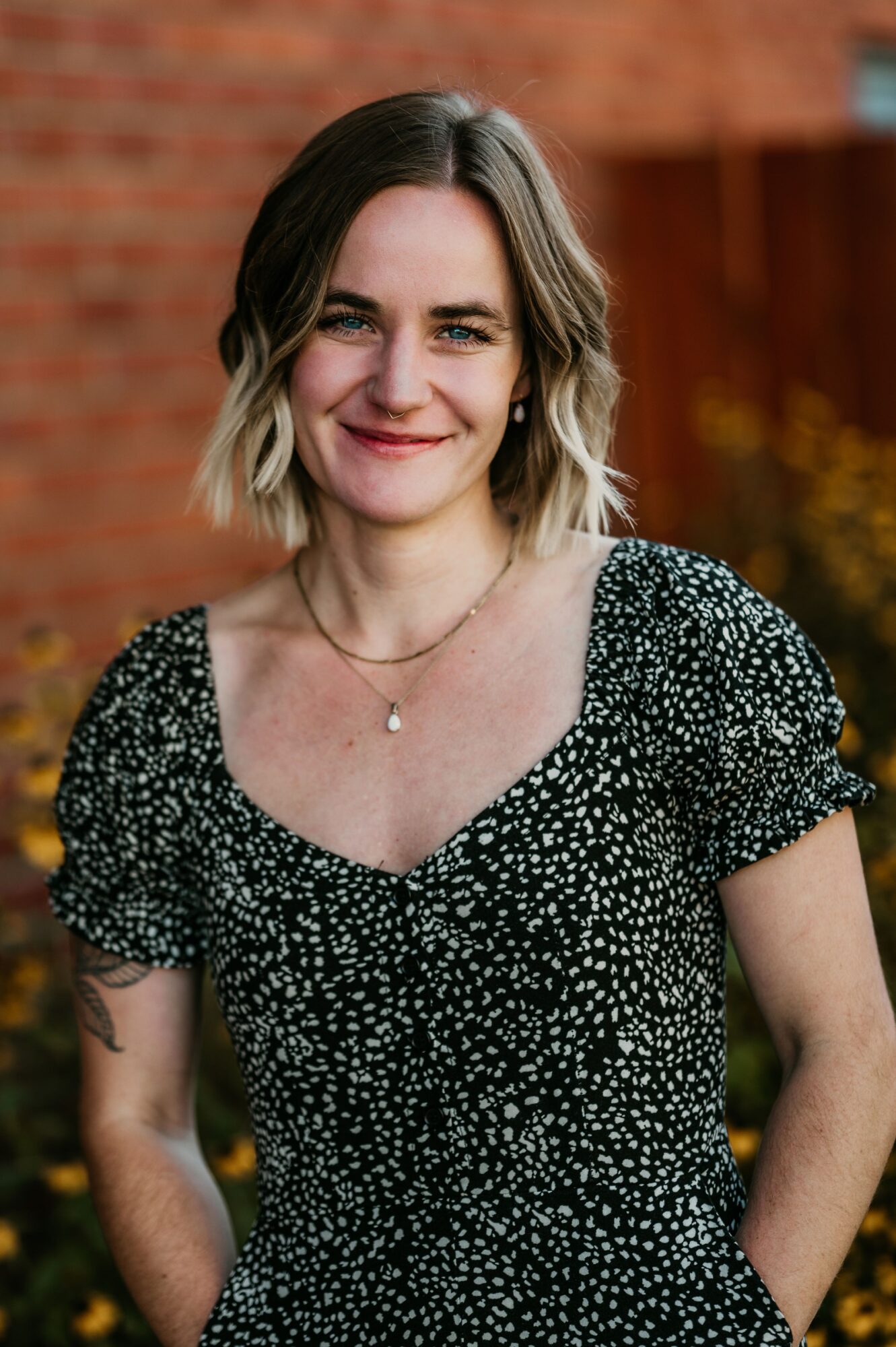



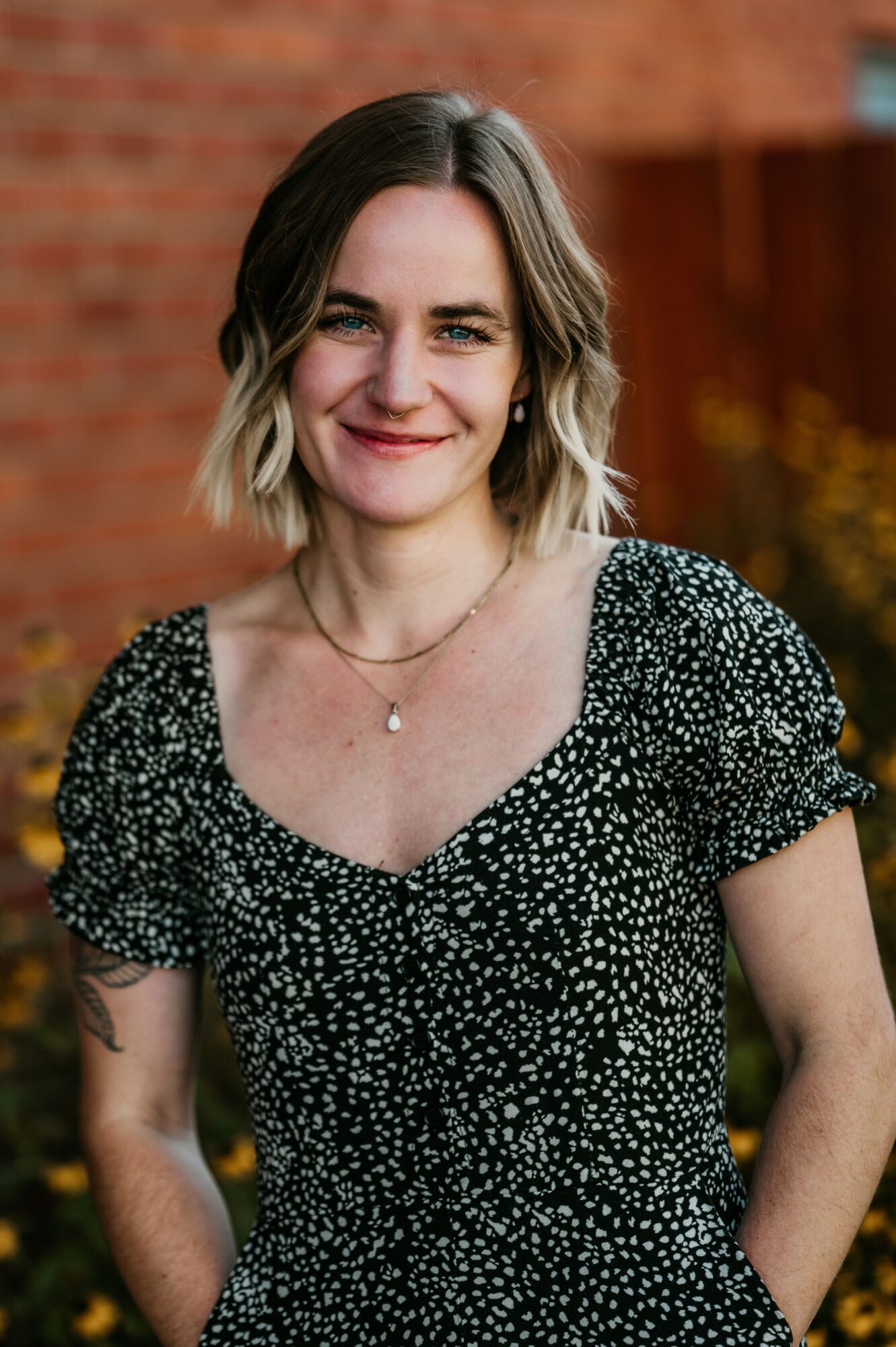
Today we’d like to introduce you to Katie Wolfe.
Alright, so thank you so much for sharing your story and insight with our readers. To kick things off, can you tell us a bit about how you got started?
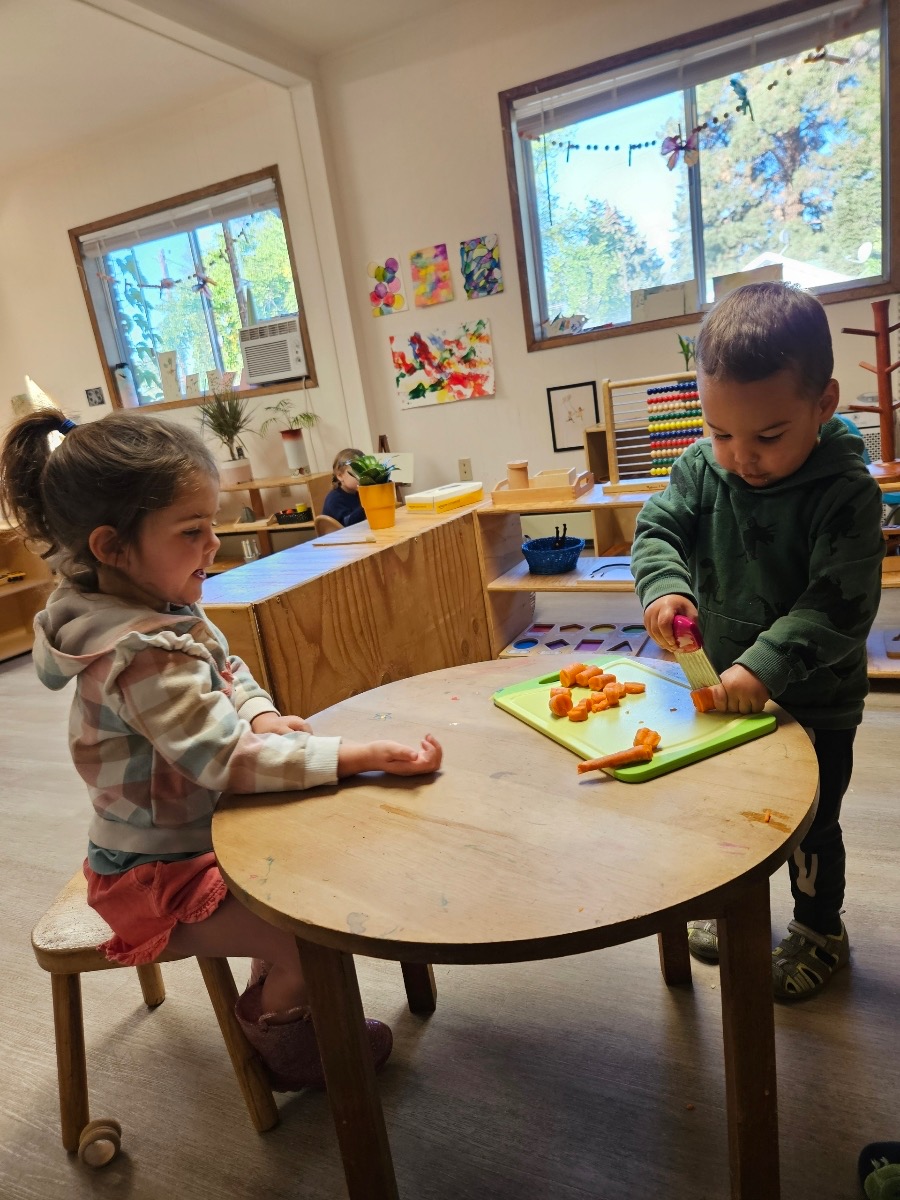
Five years ago, my children attended what was then called High Desert Montessori, and through that experience I became deeply connected to the school’s staff and community — many of whom are still part of the school today. Around that same time, I was teaching piano lessons at private schools throughout Central Oregon, and my days at Redmond Montessori were always my favorite because of the warmth and intentionality of the community.
While I taught piano, much of my work naturally leaned toward music therapy-style support with children, which connected closely to my academic background. I earned my undergraduate degree in psychology and went on to pursue my master’s in school counseling, always envisioning a career centered around supporting children and families.
What especially drew me to Montessori education was how deeply it aligned with the way I already approached both teaching and parenting. In my piano lessons, I was never interested in children simply memorizing notes or performing perfectly. I loved giving them a hands-on, sensorial experience of music — allowing them to move with it, feel it, experiment with it, and build confidence through genuine connection and exploration. Many of my students naturally fell more into the realm of music therapy because I was drawn to supporting the whole child, not just the skill itself.
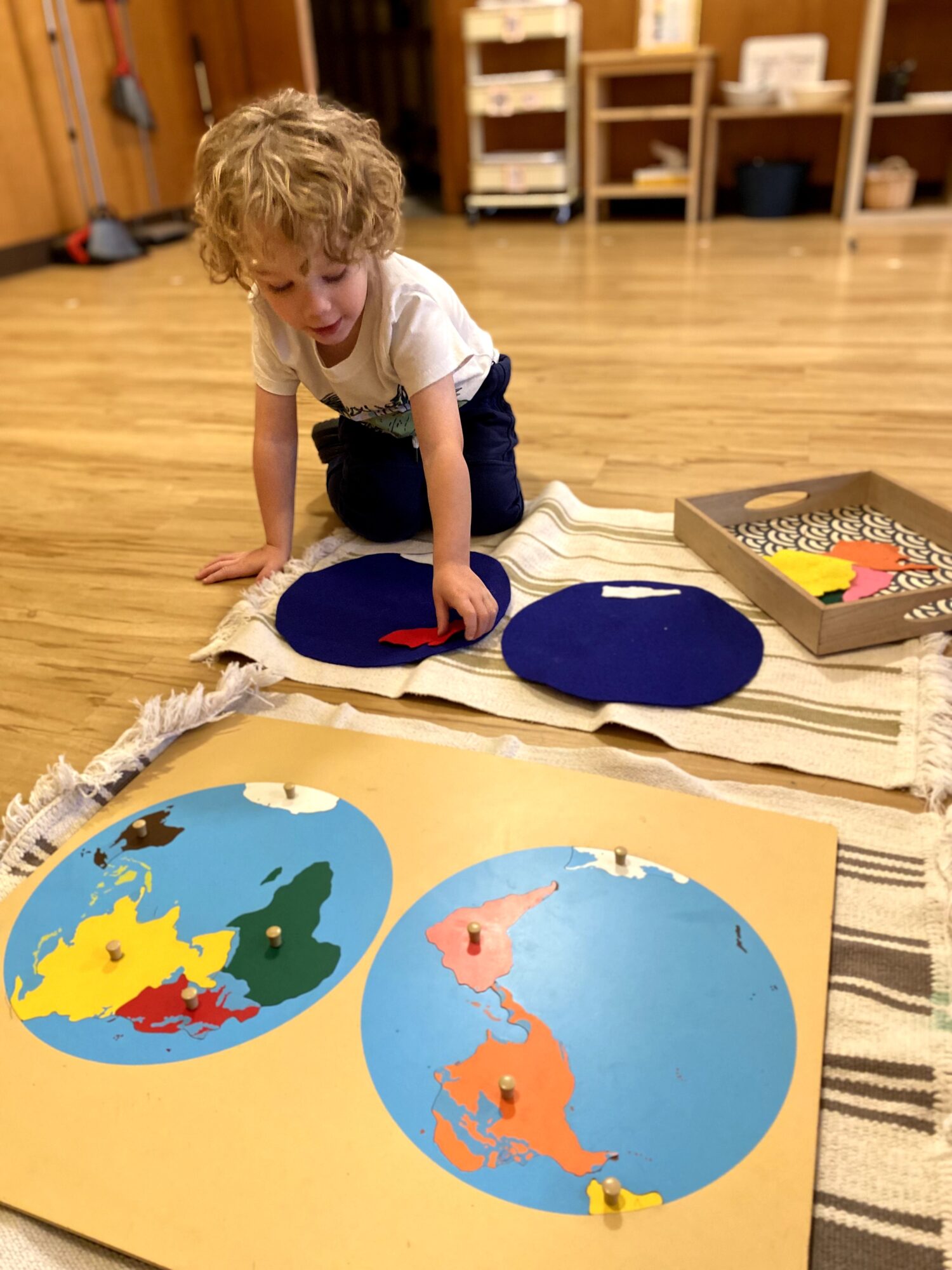
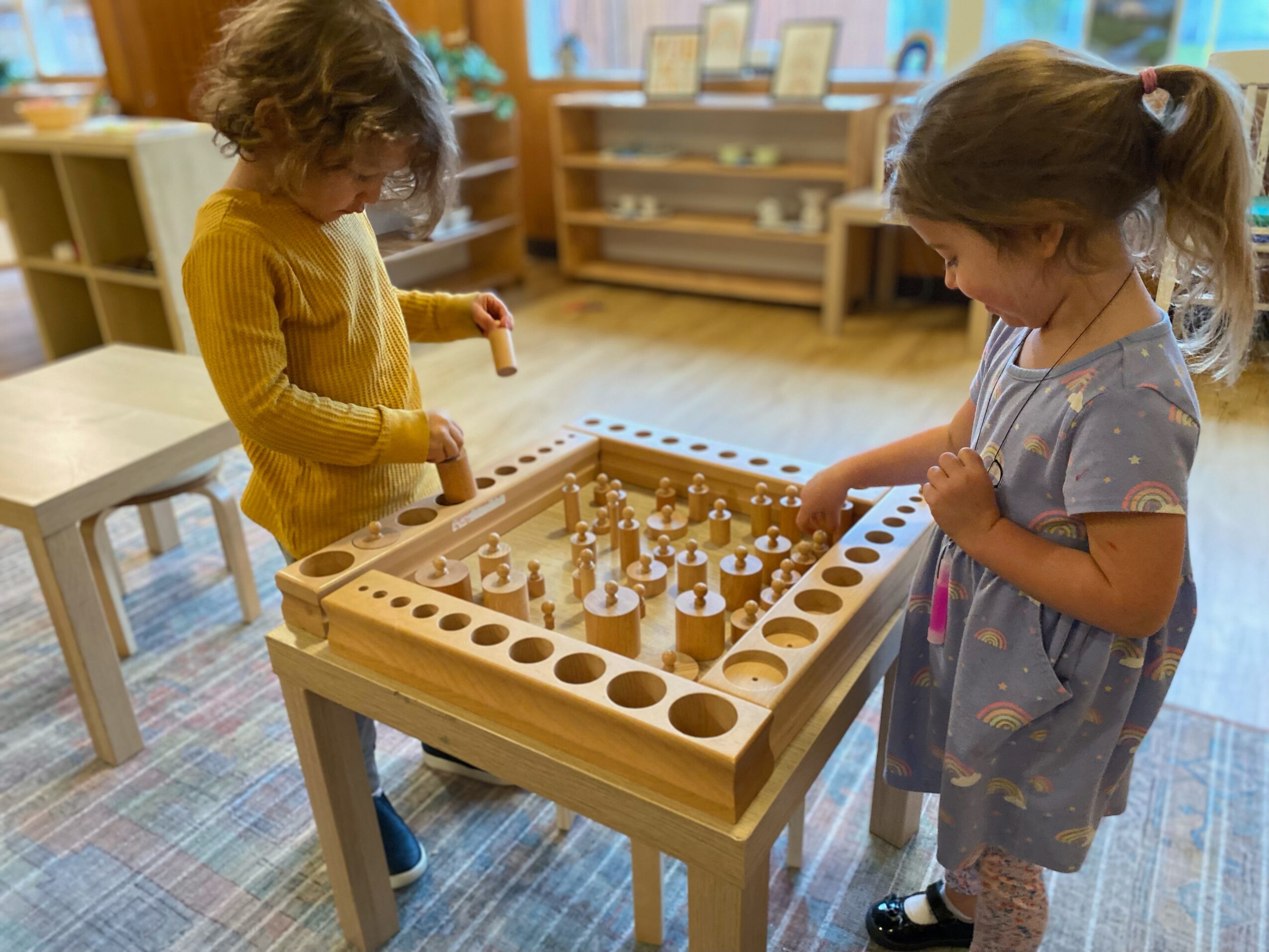
I approached raising my own children in a very similar way. I was intentional about creating a home environment that encouraged independence, curiosity, and exploration from an early age. Rather than constantly directing every moment, I saw my role as curating an environment that empowered them to confidently engage with the world around them. That philosophy is what I love so much about Montessori — the belief that children are inherently capable, curious, and driven to learn when we thoughtfully prepare the environment around them.
When the unexpected opportunity arose to take over the school, it felt like the perfect intersection of everything I cared about — education, child development, family partnership, creativity, and community. I was raised in a family of educators, so stepping into this role felt deeply meaningful on a personal level as well.
Now, as I prepare to enter my third year as owner this fall, I feel incredibly proud of how the school has grown. It has been both challenging and rewarding to help shape and strengthen a place that means so much to so many families, while continuing to carry forward the heart of the community that first drew me in years ago.
Can you talk to us a bit about the challenges and lessons you’ve learned along the way. Looking back would you say it’s been easy or smooth in retrospect?
Absolutely, I had no idea what I was signing up for. In the weeks leading up to my first school year, I spent every night studying the state regulations on childcare centers. The complexity of what’s required was something I hadn’t anticipated at all.
Financially, my research also opened my eyes to a nationwide childcare crisis that affects everyone. Parents are already faced with the high cost of private education, and on top of running this business as a single mom, I’ve taken night classes for networking and professional development. It’s a lot to carry, but I felt it was necessary.
One of the bigger decisions I faced was around government aid. Many schools have stopped accepting it because the process is complicated and constantly changing, but I refused to let Redmond Montessori become an inaccessible or exclusive school. That commitment actually goes to the heart of Montessori philosophy. Maria Montessori originally developed her method for children of incarcerated parents, born out of a recognition of deep inequality. That mission still matters to me.
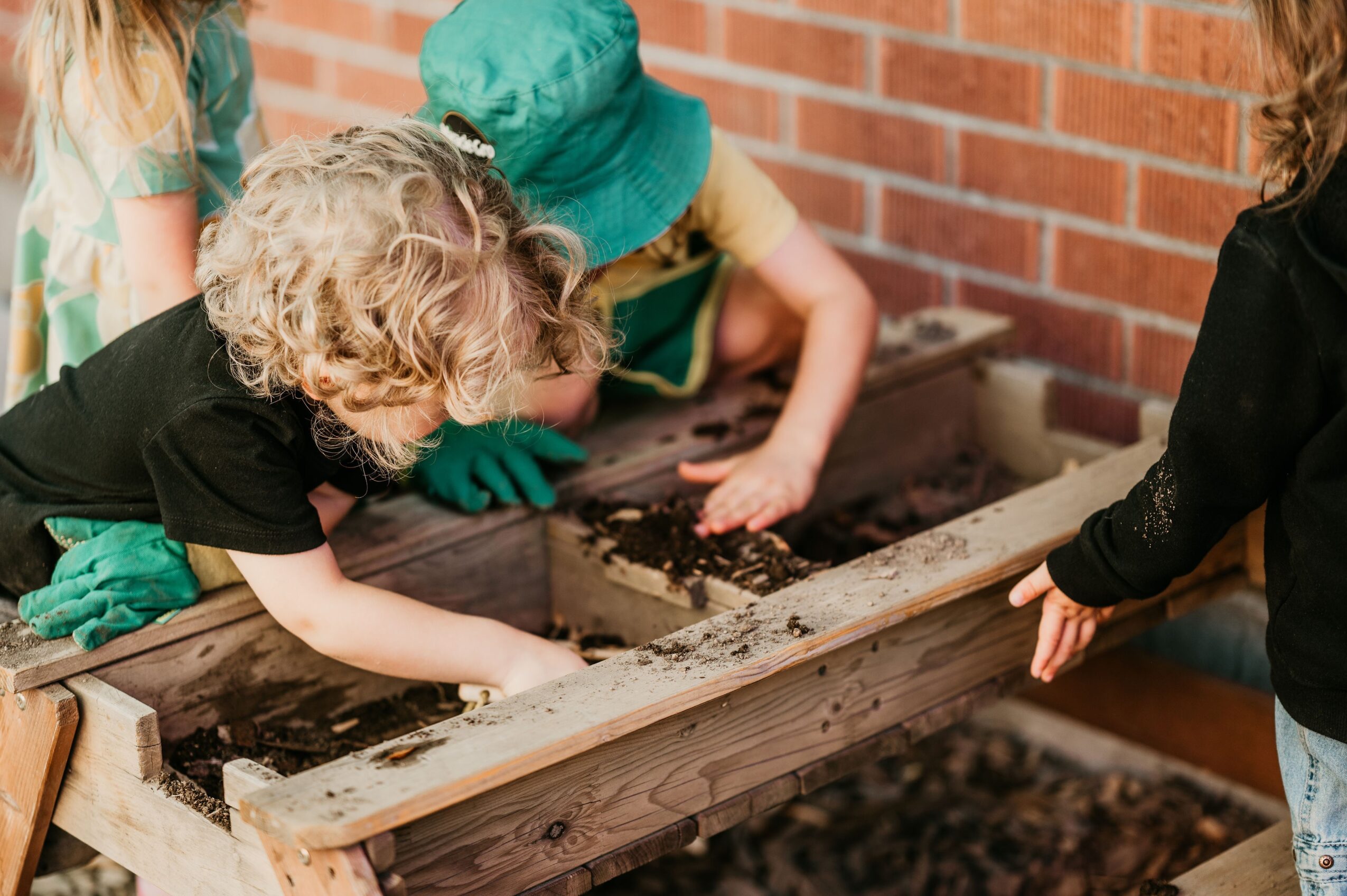
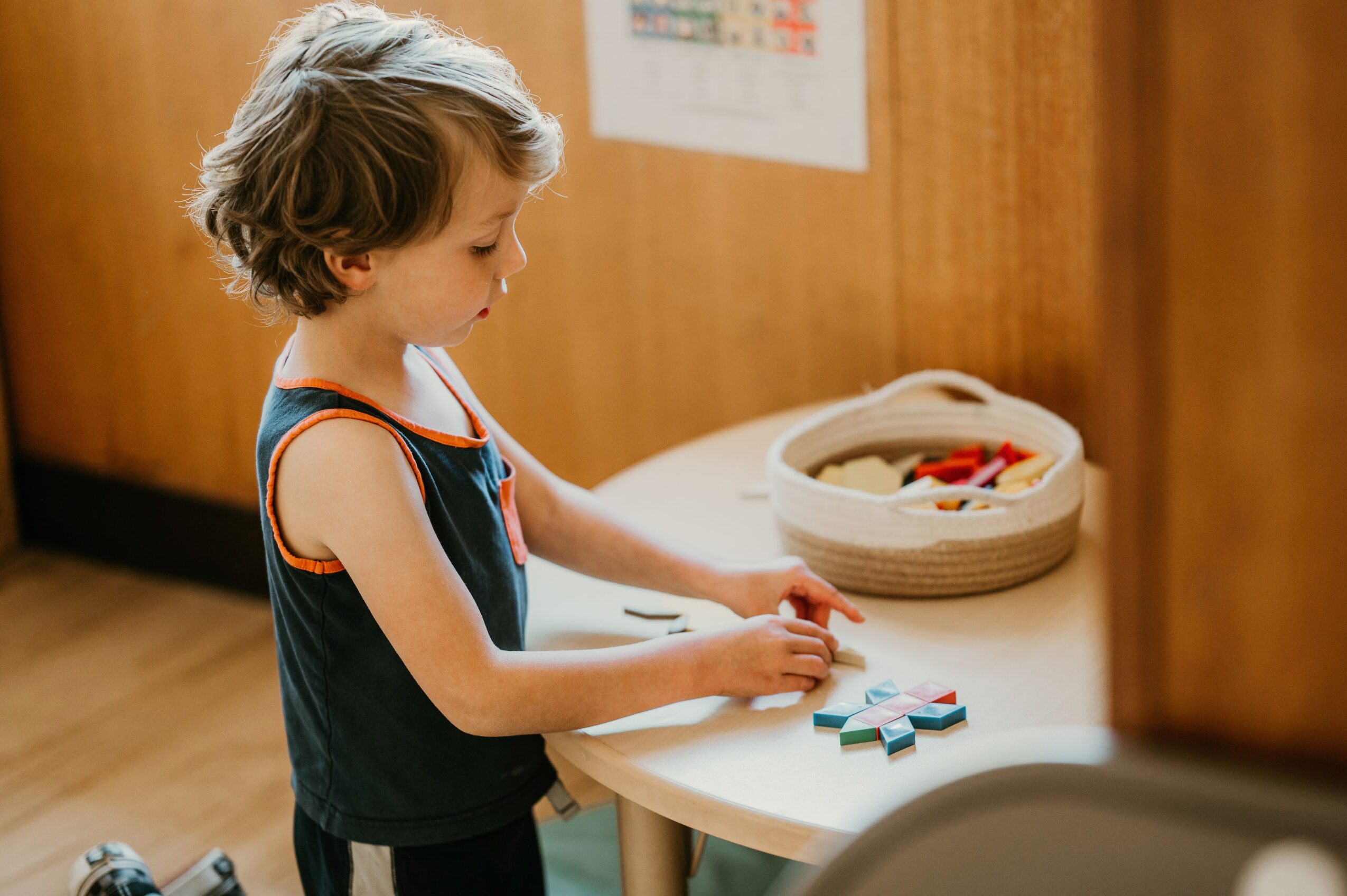
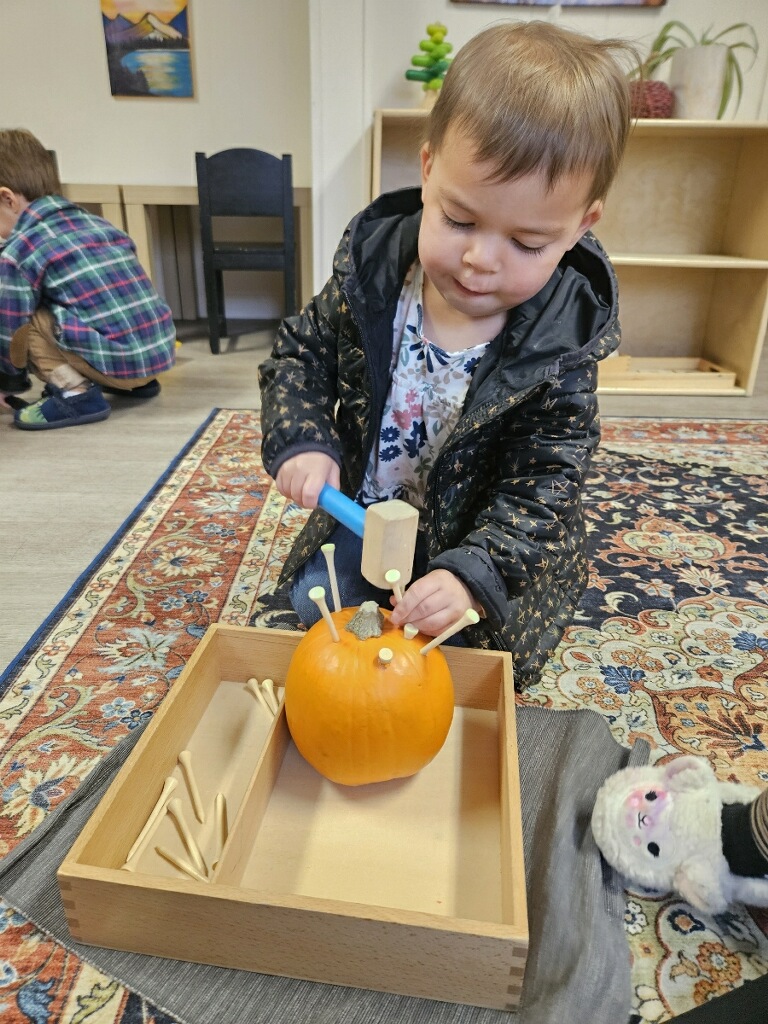
I’m also proud to have a staff team with a remarkable tenure, rare in this industry, because they genuinely believe in education from infancy onward. This is not a daycare. Every classroom, starting from our infant room, is intentionally preparing children for the next stage of their development.
So yes, it’s been a bumpy road. But at the end of the day, my greatest challenge is finding a way to fairly pay my teachers, keep the school financially healthy, and still remain accessible to families. It’s a difficult balance, but one I believe is sorely needed.
Alright, so let’s switch gears a bit and talk business. What should we know about your work?
I’ve been teaching music lessons since I was 13 years old. My mother was a music teacher, and I naturally began taking on her clients, which sparked a deeper interest in the study of music therapy and counseling. That empathetic, people-centered side of me has always been present.
At the same time, about seven years before taking on the school, I was running a music production business, handling the financial and administrative side of things. I discovered that administration is actually a creative outlet for me. It’s where I get to problem solve, build, and shape something.
So when I look at what I do now, all the puzzle pieces fit. I have the empathy and counseling background on one side, and a real passion for the business and administrative work on the other. Running Redmond Montessori brings both of those together in a way that feels like an ideal career.
Do you have any advice for those looking to network or find a mentor?
My advice is to stay open to all voices. When I first said yes to taking on the school, people heard about it and the input started coming in from every direction, and much of it was conflicting. Rather than filtering it, I stayed receptive to all of it. In the first few months of owning the school, I intentionally chose not to change anything so that I could first observe where things were at in the day to day, as well as take time to listen to and process all of the information I was getting while letting the school still run. I held the discomfort of wanting to make changes but also understood the need to get my bearings first , remain humble to the fact that I was new to this sphere and simply understand how I could make the changes I wanted while still being intentional to the community and school itself.
Some of that meant leaning on people others told me I shouldn’t, and some of those people have turned out to be among my greatest resources. I also reached out to every state and city resource I could find, and those connections have led to some genuinely meaningful relationships and support.
I’ve pulled insight from owners of education centers that aren’t even Montessori schools, because good leadership and good ideas don’t belong to any one model. I’ve also looked closely at the public school system, which my own children attend, and leaned on leaders in that space. The truth is, educators across the board are under-resourced and undersupported, and we need each other.
So my biggest piece of advice would be to find your community. Stay open, reach wide, and don’t decide in advance who your teachers are going to be.
Contact Info:
- Website: https://www.theredmontessori.com
- Instagram: https://instagram.com/redmondmontessori
- Facebook: https://www.facebook.com/share/18nfmv13C2/?mibextid=wwXIfr