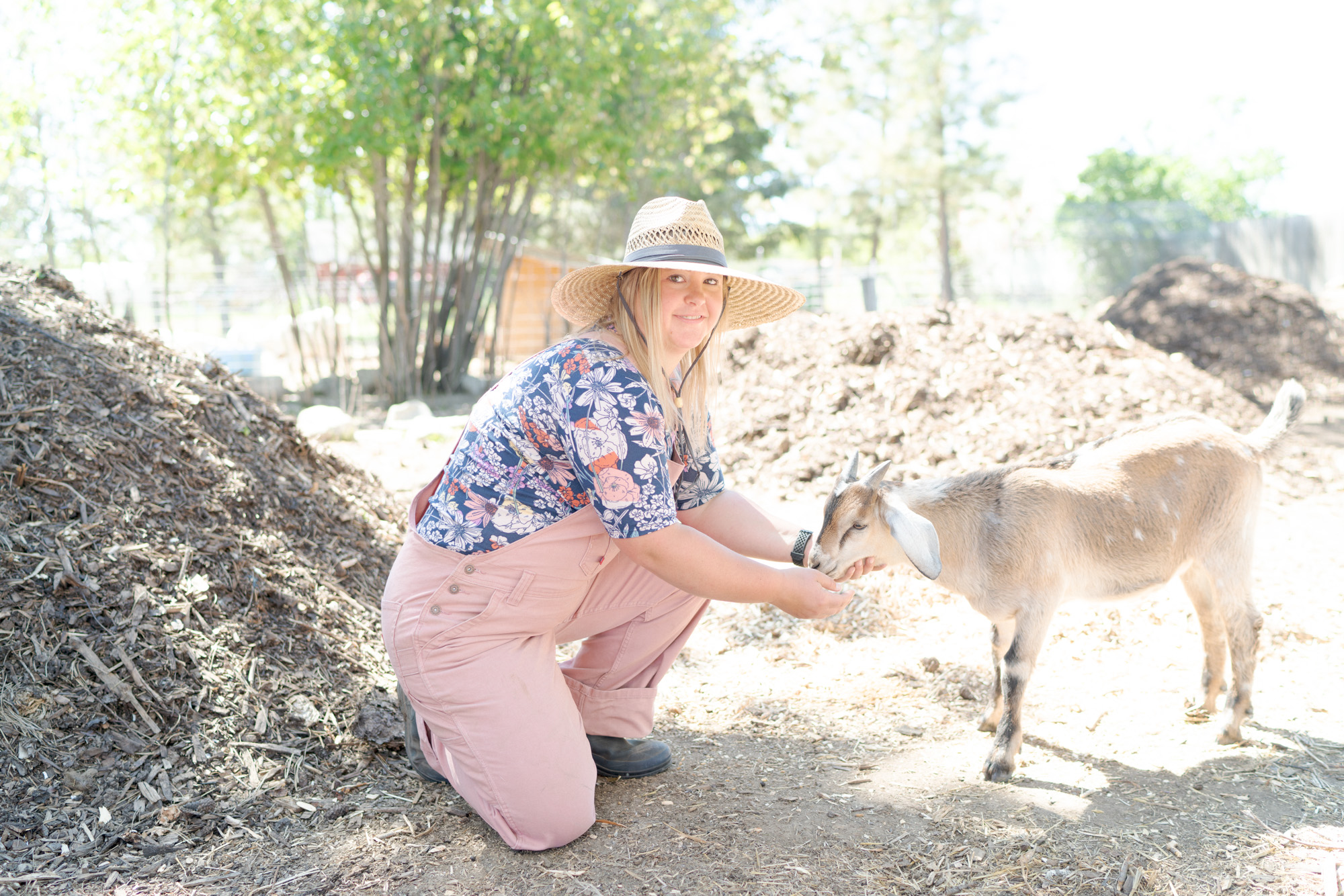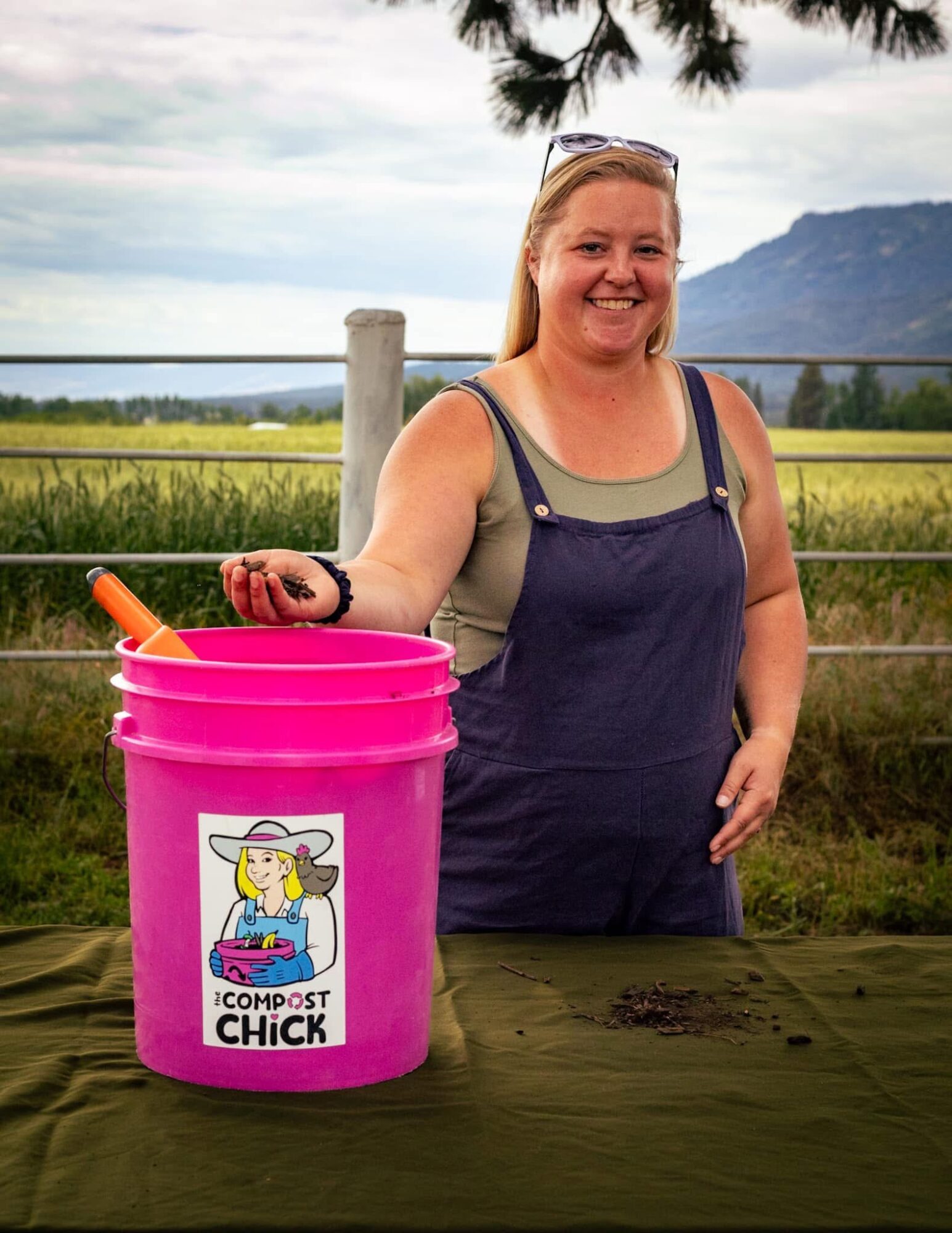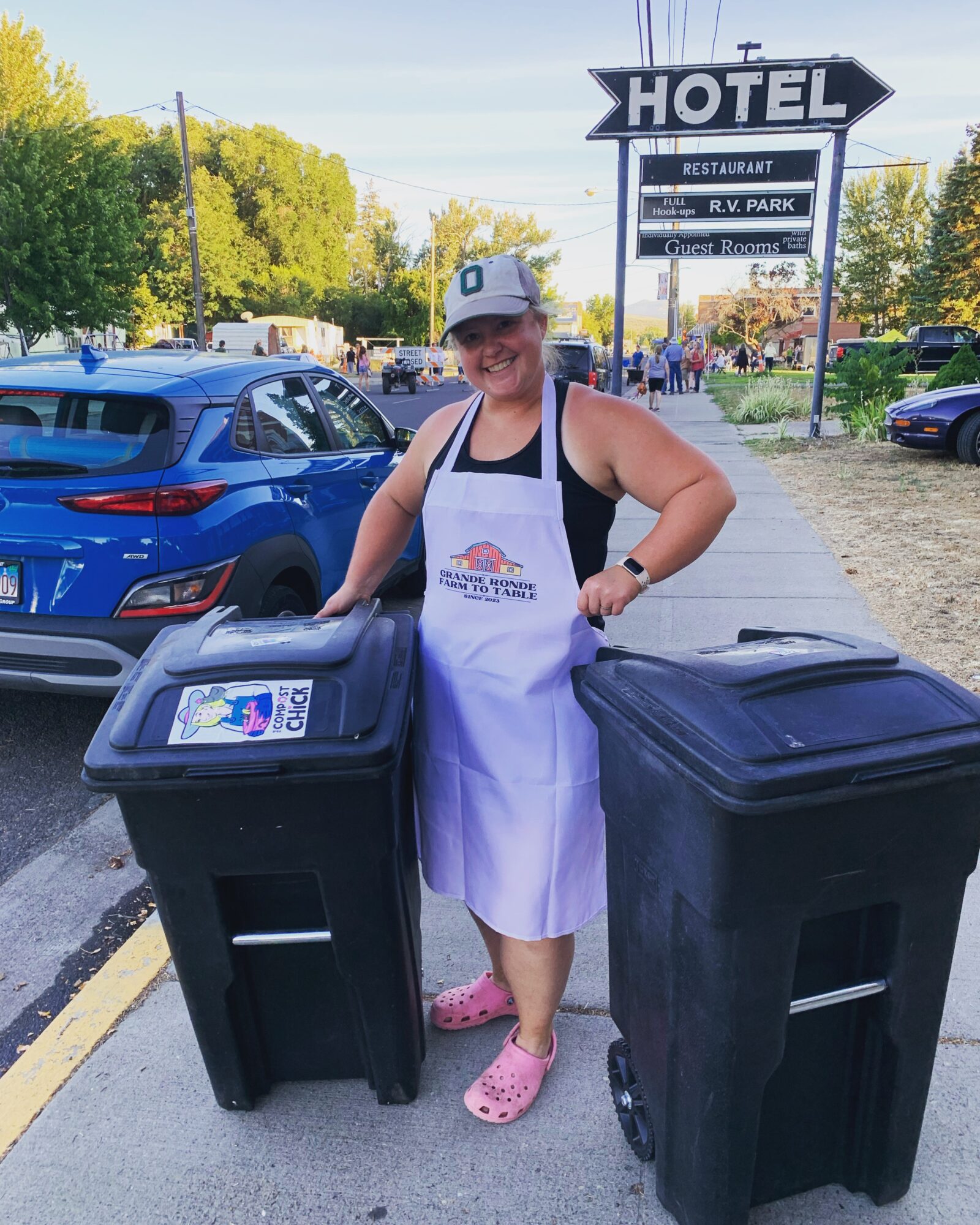



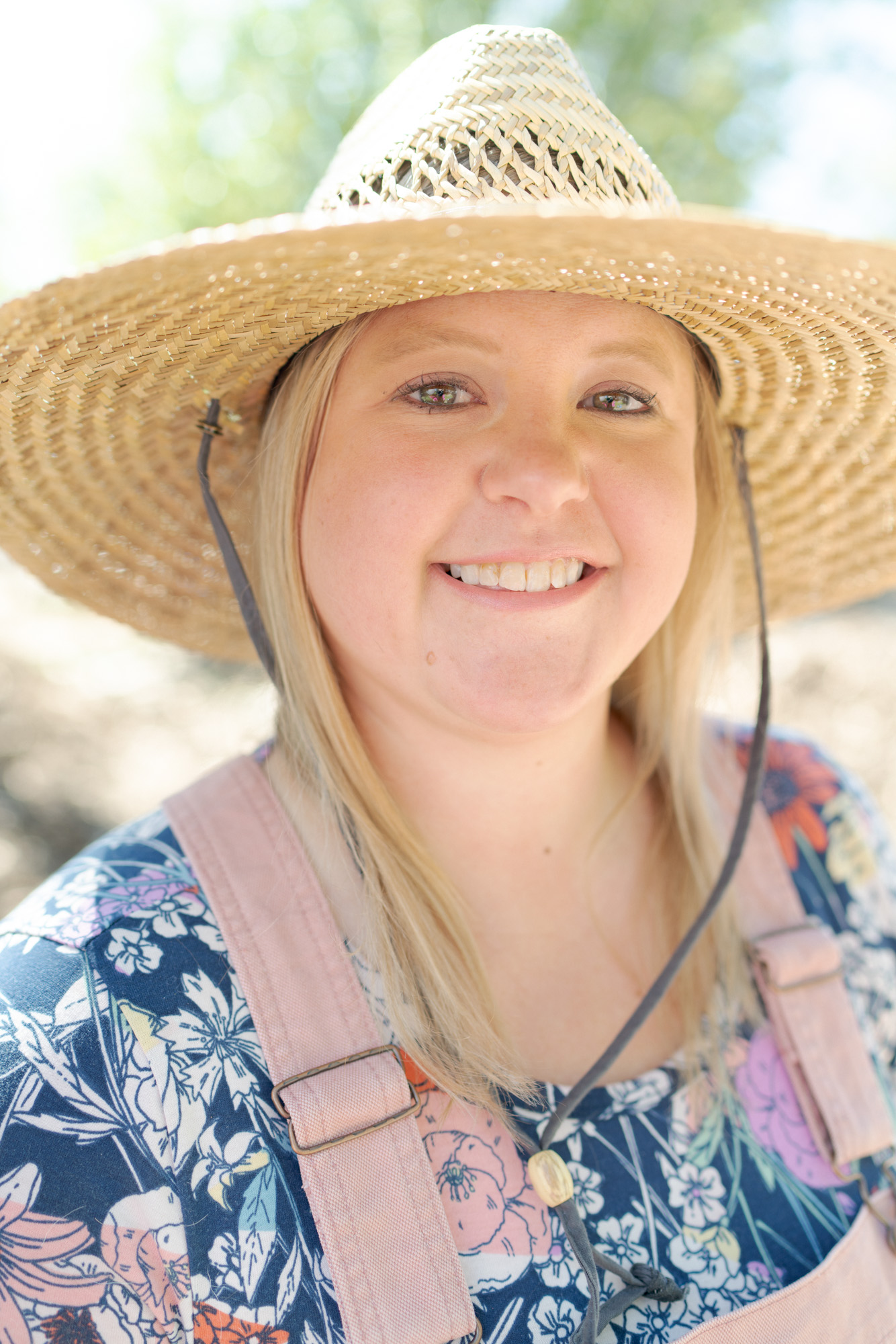
Today we’d like to introduce you to Liz (elizabeth) Turner.
Hi Liz (elizabeth), can you start by introducing yourself? We’d love to learn more about how you got to where you are today?
Inspiring Stories: Elizabeth “Liz” Turner
From a Backyard Scrap Pit to Rural Oregon’s Closed-Loop Composting Movement
Early Roots & Unexpected Preparation
My journey with composting actually started in childhood. I vividly remember saving food scraps from our kitchen garbage and dumping them into a pit in the backyard. We didn’t turn the pile or add carbon back then, so it never transformed into proper finished compost, but it planted an early seed in my mind about how much we throw away and how nature could do something better with it.
Before turning that childhood curiosity into a business, my career path went through several distinct chapters. I worked in banking, personal training, and physical therapy, and even spent two summers working at a coal-fired power plant during college. Working in heavy industry taught me grit and how to earn respect through hard work in male-dominated spaces. I was also deeply influenced by my grandfather Gene, a lifelong entrepreneur who taught me to take pride in what you build, earn respect from the toughest critics, and always support the community you live in.
The Spark & Launching The Compost Chick
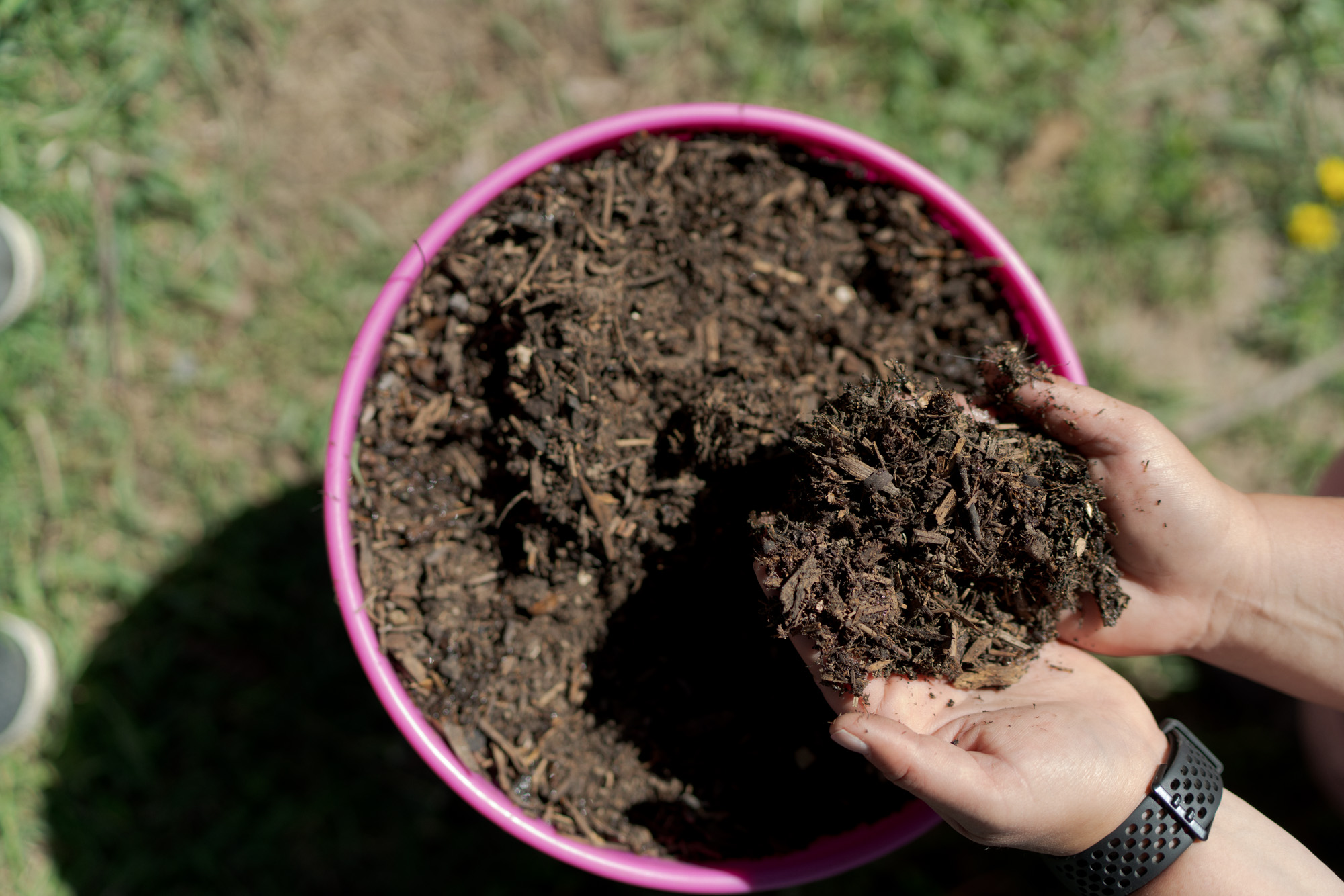
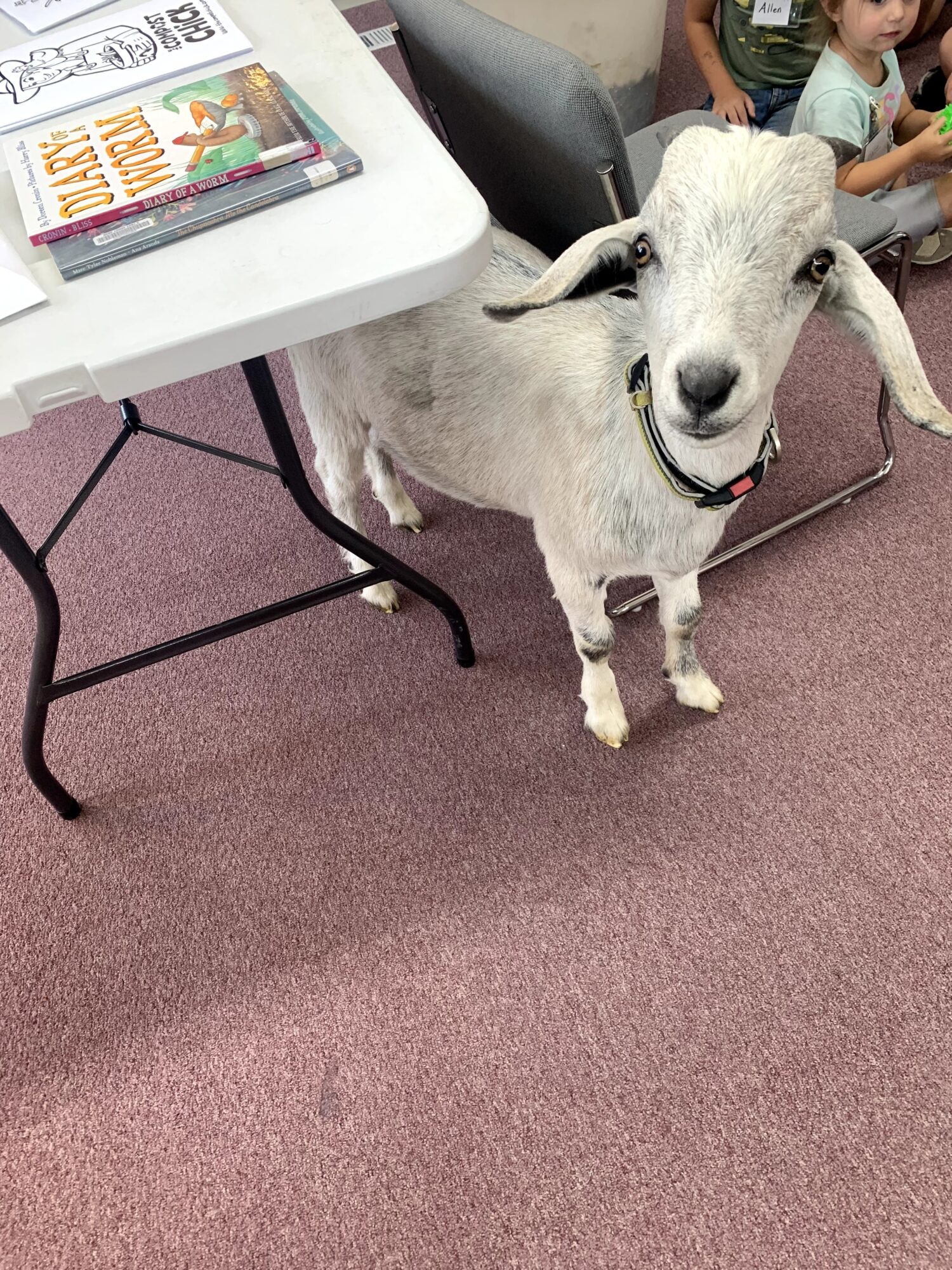
The real catalyst for the business came in the fall of 2021 when I got chickens and goats on our property. To reduce feed costs, I started collecting food scraps from family members and co-workers. The animals loved the fresh variety, and processing their manure alongside organic waste turned out to be the secret to creating incredible, nutrient-rich soil.
In 2022, I started an Instagram account (@thecompostchick) to post quick educational tips on how composting works. Almost immediately, local residents and a local cafe reached out asking, “Would you be willing to pick up and process our food scraps?”
Realizing there was genuine demand for waste diversion in rural Eastern Oregon, I decided to do this right. I completed a Community Composting Certification, enrolled in a 10-week CO.STARTERS Core business startup program offered by NEOEDD and Reinventing Rural, and officially launched The Compost Chick LLC in February 2023.
Building a Closed-Loop System
What began with a few residential pickups in my 2007 Chevy truck quickly grew into routes spanning nine towns across Union and Baker counties—including La Grande, Baker City, Elgin, Cove, Union, and North Powder. We expanded to serve households, local cafes, schools, and the Eastern Oregon University cafeteria.
Our business operates on a strict closed-loop system:
We collect organic waste that would otherwise decompose in landfills and produce greenhouse gases.
Our chickens, goats, worms, and thermophilic windrows process the material down on our site.
In the spring and summer, we return finished, living compost back to our subscribers to build their garden soil.
Milestones & Overcoming Challenges
Operating a sustainability business in a small, rural frontier region comes with unique challenges, from managing routes in winter weather to navigating complex local waste franchise policies. However, our community’s support has been overwhelming.
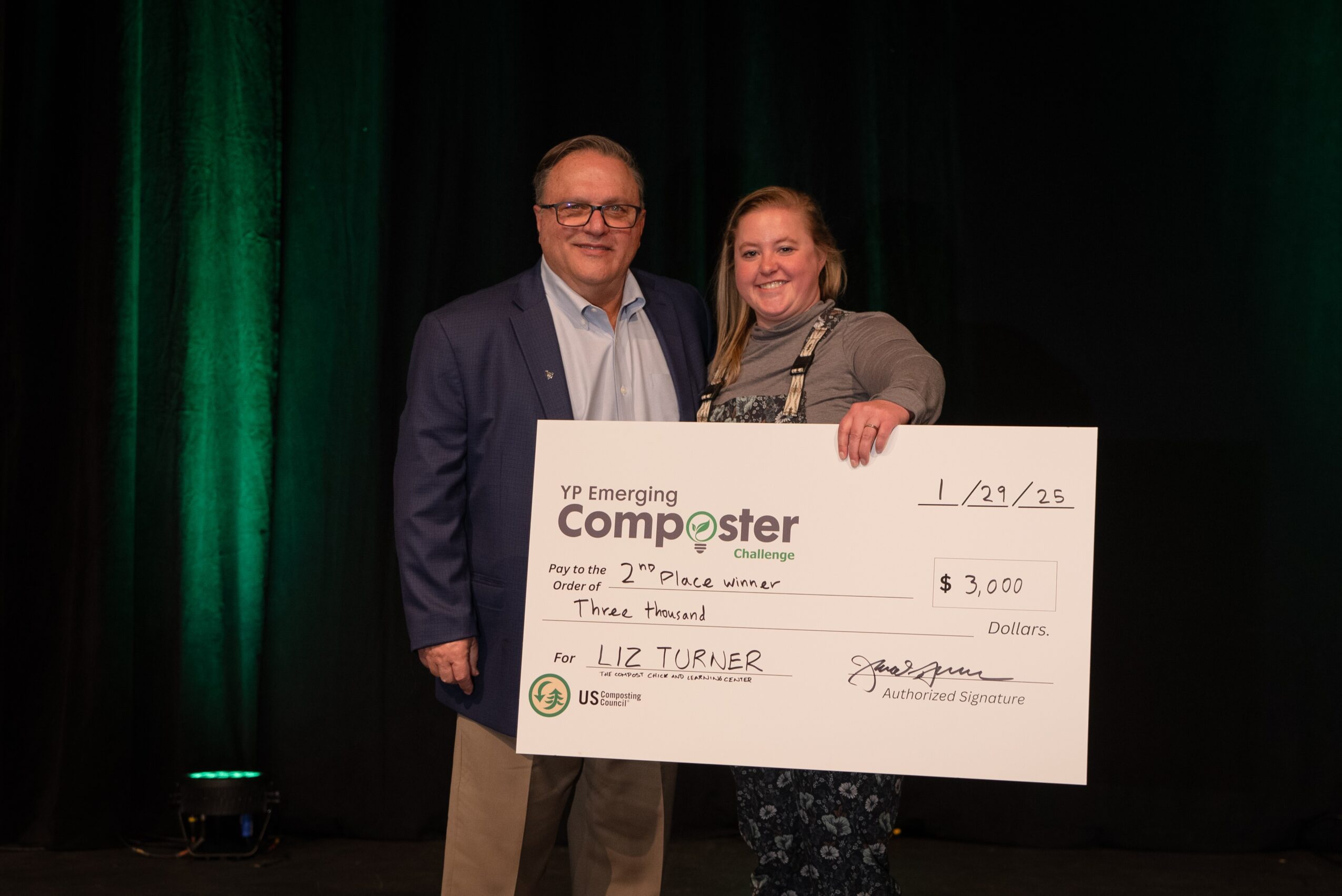
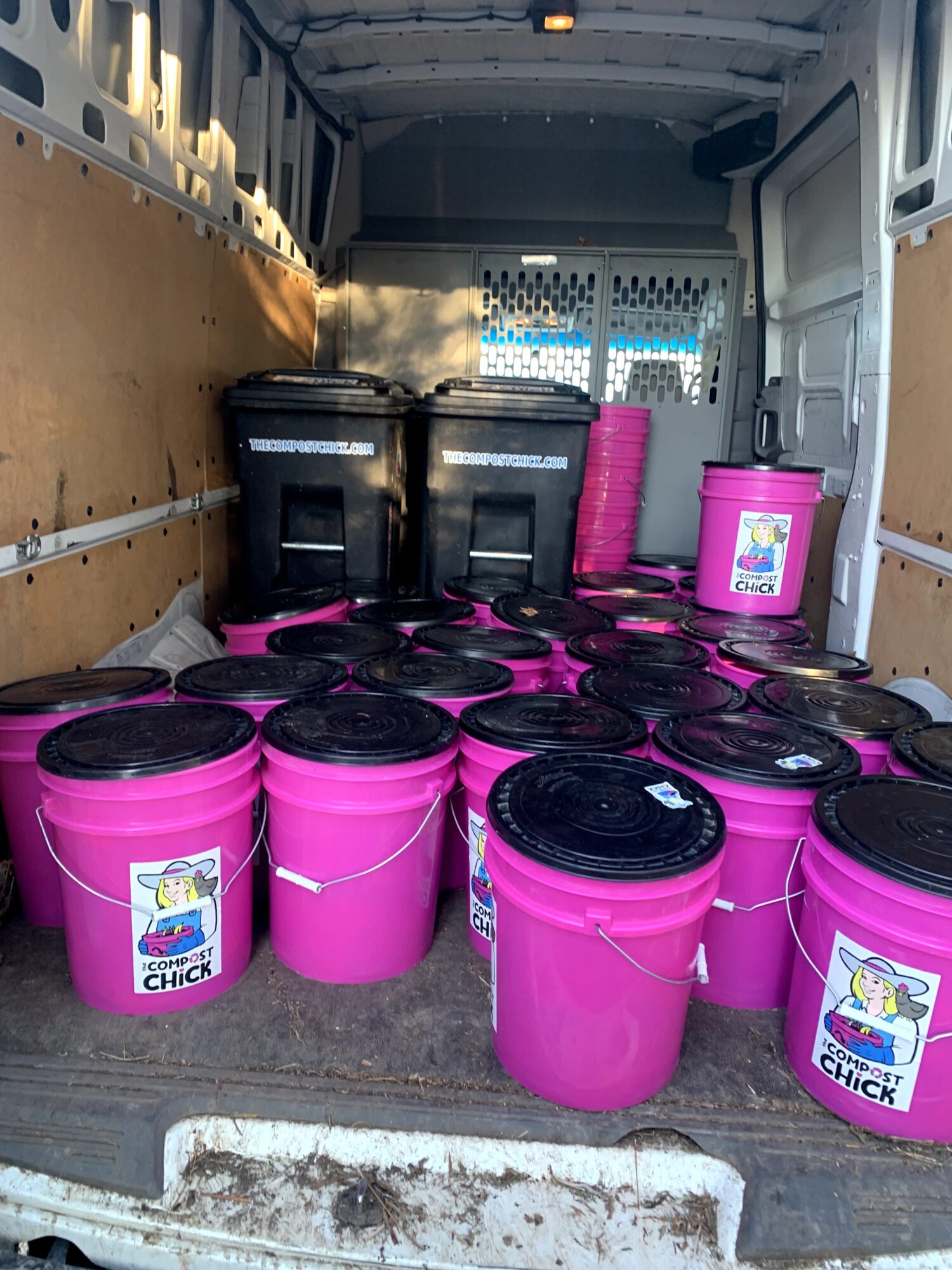
In late 2023, we launched a Kiva crowdfunding campaign to purchase an enclosed cargo van so empty collection bins wouldn’t fly out of my truck on the freeway. Thanks to community members and a match from Capital One, the loan was 100% funded in just eight days. That same year, I was honored to be named Entrepreneur of the Year by the Union County Chamber of Commerce, and later placed 2nd in the Emerging Composter Challenge at the USCC COMPOST2025 conference.
Where We Are Today
Today, The Compost Chick operates on a 5-acre site in North Powder, Oregon. We’ve expanded far beyond simple scrap collection to focus on community education, soil health, and waste recovery.
We are currently formalizing a nonprofit arm—the Regenerative Learning Center—to host K-12 field trips, school food waste programs, and hands-on workshops. My goal is to make composting accessible, educational, and inspiring for the next generation, showing how simple local actions can transform waste back into life.
I’m sure it wasn’t obstacle-free, but would you say the journey has been fairly smooth so far?
The Compost Chick — Business Journey & Key Challenges
Building The Compost Chick in rural North Powder, Oregon has been an incredibly rewarding path, taking the venture from just 10 initial pickup customers to over 150 (including Eastern Oregon University) and earning national recognition such as 2nd place in the Emerging Composter Challenge at the USCC Compost Conference.
However, it has definitely not been a smooth road. Operating a traded-sector, circular environmental business in rural Eastern Oregon has required overcoming financial pressures, complex municipal policy hurdles, capital equipment constraints, and personal capacity limits.
Key Obstacles & Struggles Along the Way
1. Financial Realities & Bootstrapping Pressures
Multi-Job Bootstrapping: During the first year of operation, Liz worked full-time at a hospital, pouring every extra dollar earned back into the business to get it off the ground. Even as the business grew, balancing time has remained a challenge, requiring a part-time physical therapy job three afternoons a week to maintain personal finances.
Revenue Gaps & Business Debt: Scaling in a rural economy can be unpredictable. In 2026, while targeting $70,000 in revenue, progress slowed to a projected $44,000, forcing the business to take on additional debt to cover operational expenses.
Capital Equipment Barriers: Sifting and processing compost at higher volumes requires expensive machinery (such as vibratory screeners or trommel sifters ranging from $8,600 to significantly higher). Without major grant funding or capital investment, expanding past basic skip-loading and manual sorting to bagged retail products remains out of financial reach.
2. Complex Waste Franchise Regulations & DEQ Permitting
Navigating Monopoly Franchises: Introducing curbside organic waste pickup in rural Oregon meant navigating existing municipal waste management franchise agreements held by established haulers (e.g., Waste Pro, Union Sanitation, Baker Sanitation). Because curbside composting is not standard practice in the region, securing formal “carve-out” or parallel franchise agreements with city managers and county commissioners in Union and Baker counties has been a long, legally complex process.
DEQ Audit & Regulatory Thresholds: Following a city-level compliance issue in North Powder, the business worked closely with the Oregon Department of Environmental Quality (DEQ). Approaching the volumetric threshold for formal DEQ facility permitting requires significant capital—including applying for a $250,000 DEQ grant—to cover expensive environmental engineering, site upgrades, and legal compliance.
3. Rural Logistics & Geographic Isolation
Proving Feasibility in Arid Eastern Oregon: Starting a composting business in a rural, high-desert environment raised early doubts about whether a curbside collection and living soil processing operation could ever be profitable.
Collection Infrastructure: Operating across a 5-acre site with vermicomposting, active windrows, and livestock (chickens and goats) requires constant hands-on labor and precise moisture and temperature management.
4. Operational Capacity & Self-Advocacy
Wearing Too Many Hats: Managing day-to-day site operations, drop-off hours, customer acquisition, and volunteer days leaves little time for high-level business strategy.
Grant Writing & Self-Promotion: Expanding into educational programming and launching a non-profit arm—the Regenerative Learning Center—requires winning major grants. Admittedly, self-advocacy and “bragging” about the business’s impact on formal grant applications do not come naturally, making technical assistance and writing partnerships essential.
We’ve been impressed with The Compost Chick LLC and Regenerative Learning Center, but for folks who might not be as familiar, what can you share with them about what you do and what sets you apart from others?
Transforming Food Scraps into Living Soil in Rural Eastern Oregon
Who We Are & What We Do
The Compost Chick LLC is a woman-owned, community-rooted organic waste management and soil generation enterprise based in North Powder, Oregon. We service over 145 residential households, local businesses, schools, and institutional partners across Baker and Union Counties—including North Powder, Baker City, Cove, and La Grande.
Our core mission is captured by our guiding motto: “Don’t waste another scrap. The Compost Chick turns your food waste into productive compost that can be used to grow your healthy food.” By intercepting food waste from households, restaurants, and educational facilities, we divert over 40 tons of organic waste from landfills annually, preventing potent methane emissions while restoring vital biological health to local agricultural soils.
What We Specialize In & Are Known For
The Compost Chick is known for combining convenience, specialized biological processing, and high-quality agricultural products to build a circular economy:
Curbside Food Scrap Collection: Convenient weekly bucket swaps and commercial bin services for residents, restaurants, schools (such as North Powder Charter School), and universities (including Eastern Oregon University).
Biological Organic Breakdown: Utilizing a unique processing model that incorporates chickens and goats to feed on and help break down organic feedstocks before biological composting.
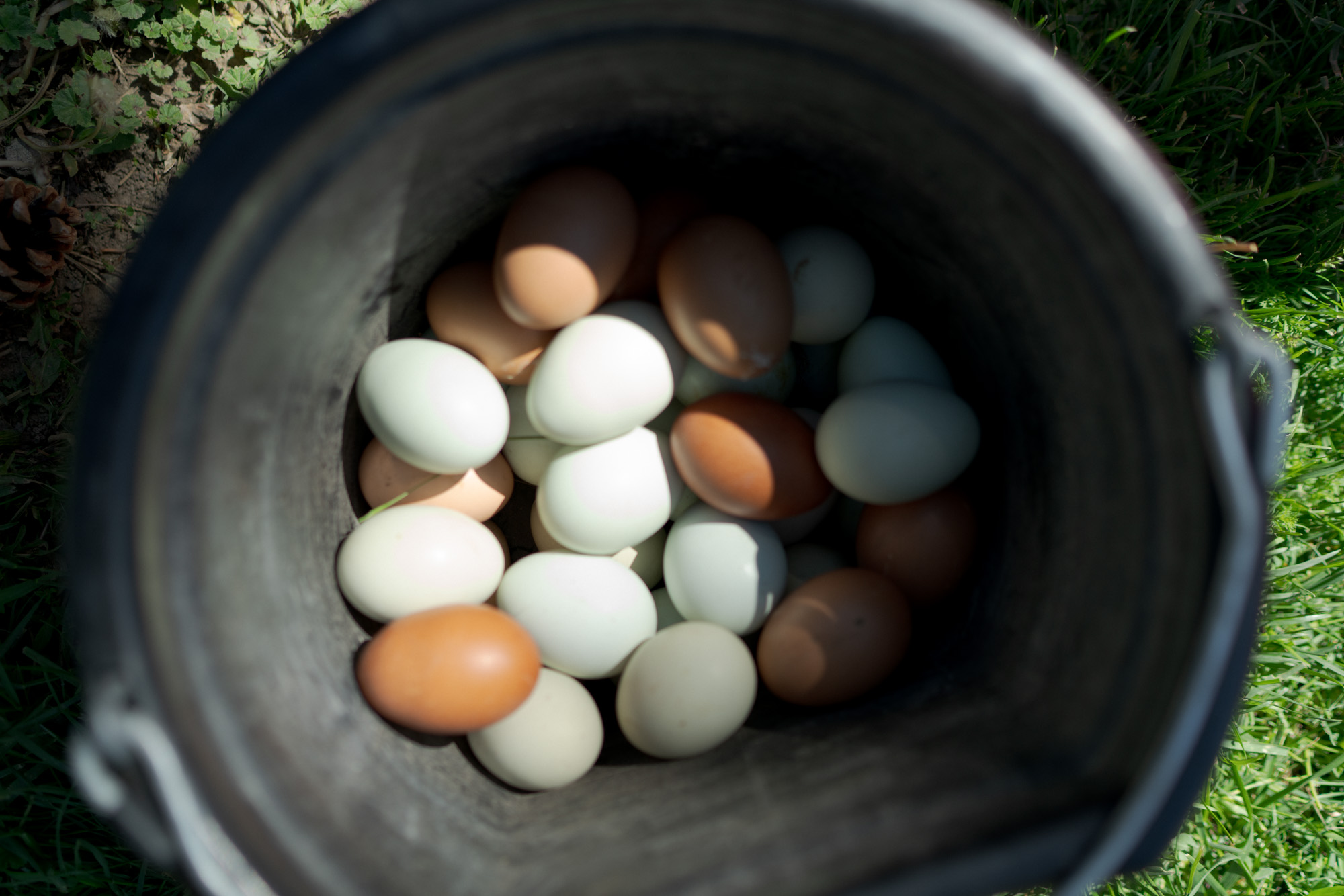
Nutrient-Dense Agricultural Products: Producing premium “living soil” compost, high-grade vermicompost (worm castings), and fresh farm eggs that are distributed back to local growers, home gardeners, and agricultural operations.
What Sets Us Apart
Dual Operational Model: Operations are cleanly structured into two complementary entities—a commercial collection and soil manufacturing arm (The Compost Chick LLC) paired with a non-profit educational yard (The Regenerative Learning (Center) hosted on our 5-acre facility.
True Closed-Loop Food System: Scraps collected from local restaurants and institutions are processed into nutrient-rich soil products. This soil is sold back to regional farms (such as Farm on Love LLC), which use it to grow food that is served back to those very same local establishments.
Animal-Assisted Processing: Unlike conventional, industrial facilities, we integrate livestock into raw organic waste management, leveraging biological helper animals to accelerate decomposition and build healthy soil biology naturally.
Navigating Rural Infrastructure Limits: In regions dominated by exclusive solid waste franchises, we pioneer specialized source-separated organic recycling solutions under Oregon recovery frameworks (ORS 459/459A), ensuring rural communities have access to sustainable waste alternatives.
What We Are Most Proud Of Brand-Wise
Brand-wise, we take immense pride in our philosophy: “Connecting Changes Everything.” We believe real transformation occurs when you bridge individual daily habits with collective environmental outcomes.
Educational Empowerment: Through the Regenerative Learning Center, we deliver hands-on education, Outdoor School for 5th and 6th graders, School field trips, and facilitate community college workshops like “Let’s Get Scrappy: Learn How to Backyard Compost” with Blue Mountain Community College.
Joyful Community Engagement: We maintain a friendly, approachable, and fun brand culture. Annual traditions such as our “Goat Got Your Pumpkin” drive, Earth Day festivities, and post-holiday Christmas tree recycling turn routine resource recovery into cherished community celebrations.
What has been the most important lesson you’ve learned along your journey?
The biggest lesson I learned is that the bigger the dream, the higher you have to climb. Not everyone is going to understand your vision, but just keep going. Some days you won’t want to do all the little things that keep the business going, but that is what keeps it moving forward.
Pricing:
- 24.00 monthly membership
- $100 for 32 gallons of finished compost
- $10 quart of worm castings
Contact Info:
- Website: https://thecompostchick.com
- Instagram: @thecompostchick
- Facebook: The compost Chick
- LinkedIn: Elizabeth Turner
- Youtube: The Compost Chick