


Today we’d like to introduce you to Malachi (Kai) Hopkins.
Hi Malachi (Kai), thanks for sharing your story with us. To start, maybe you can tell our readers some of your backstory.
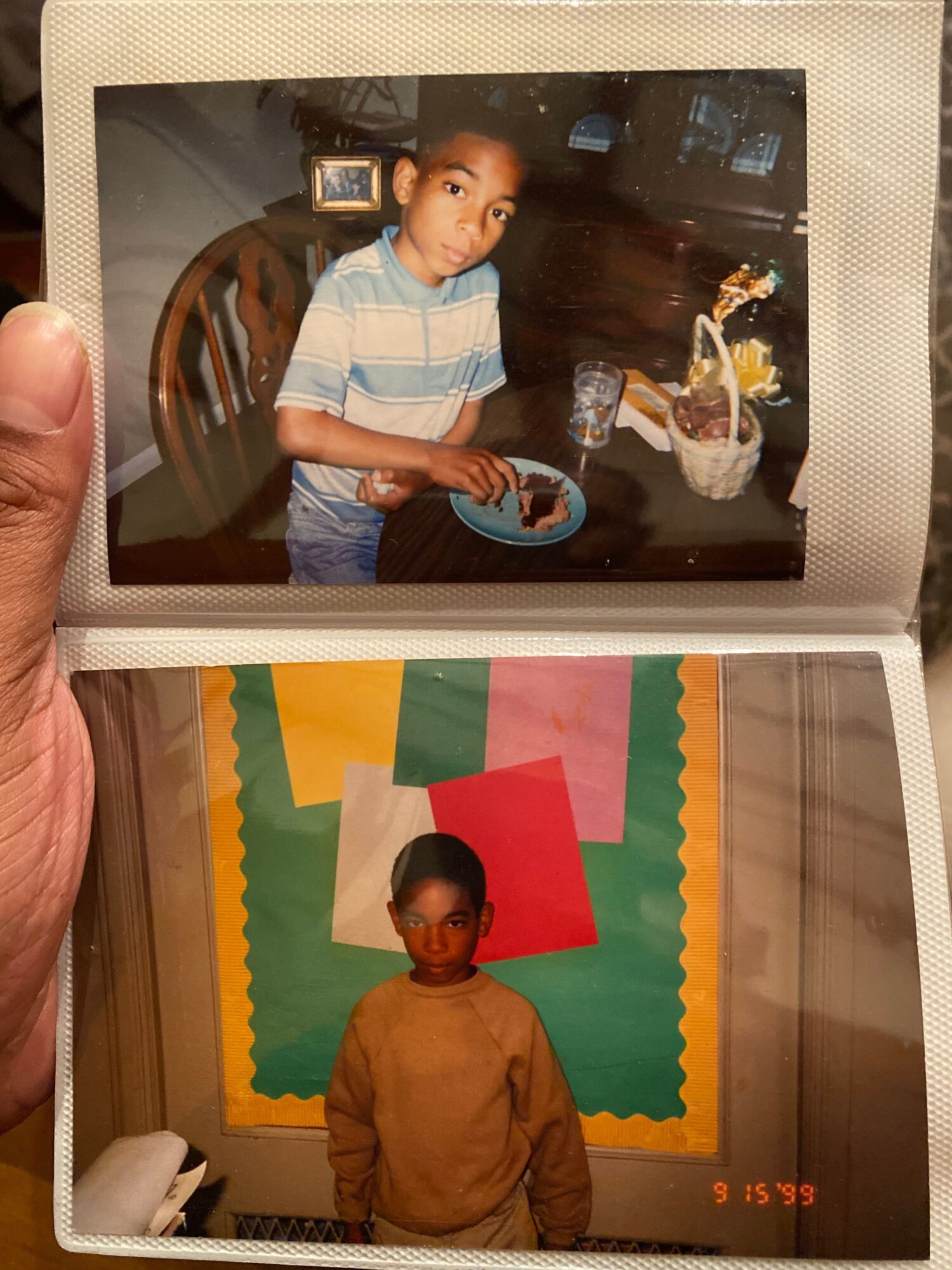
My story began long before I was old enough to understand it. I was born in Portland, Oregon, on October 9, 1990, under the name Meikiel Young. Within days of my birth, I entered the foster care system and was eventually adopted into an African American family, where I was given the name Malachi Nathaniel Hopkins. Growing up, I knew my adoptive parents as my parents, and they provided me with opportunities that helped shape the person I am today. But beneath the life I knew was another story—one involving a biological mother I barely had information about, siblings I had never met, and questions about where I came from that I wouldn’t fully understand until much later in life.
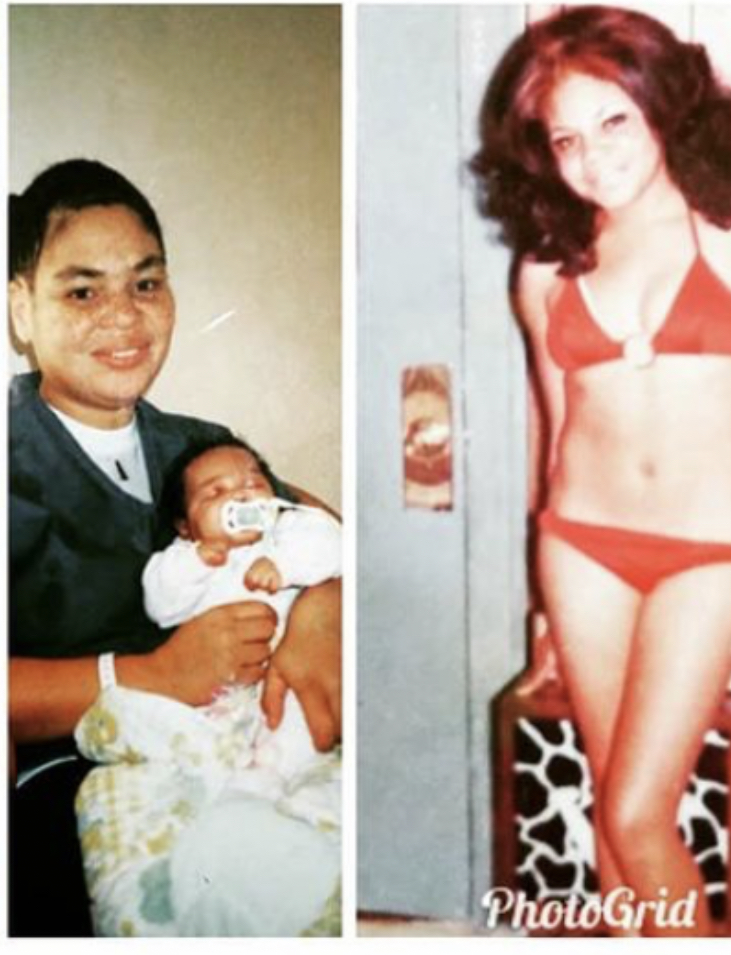
When I was around eight or nine years old, my parents sat me down and told me I was adopted. That revelation changed how I understood myself and my place in the world. As a child, I struggled to comprehend why my biological parents couldn’t raise me, and I carried questions that followed me into adolescence. I also struggled with fitting in, navigating my identity, and feeling comfortable with the parts of myself that made me different. For years, I wrestled with the idea of being adopted and what it meant to have a family history that I couldn’t fully access. I eventually learned that my biological mother, Phyllis Young, had passed away in 1996, leaving me with no opportunity to sit across from her and ask the questions that had lived in my mind for so long. I knew I had biological siblings somewhere in the world, but I had no idea who they were, where they lived, or whether our paths had ever crossed. The thought that I could have been standing next to one of my own siblings without even knowing it was both fascinating and heartbreaking.
Everything began to change in April 2008. I came home from school one day, and my adoptive mother, Wanda, told me something I never expected to hear: she had encountered my biological grandmother at a community food program where she volunteered. My mother had known of my biological family through connections dating back to the church community in Portland. Suddenly, a part of my life that had always felt distant and almost impossible to reach became real. I was overwhelmed with emotion, and for the first time, I had a direct connection to someone on my biological mother’s side of the family. That moment opened the door to relationships, conversations, and discoveries that would reshape my understanding of where I came from. It also taught me that sometimes the answers we spend years searching for are closer than we realize, waiting for the right moment and the right connection to bring them into our lives.
My journey wasn’t limited to discovering my biological roots. I was also learning how to embrace my identity as a gay Black man. I grew up in a relatively conservative environment, and accepting myself wasn’t something that happened overnight. In May 2016, I made the decision to leave Portland and return to Los Angeles to pursue opportunities in fashion. I began working at Forever 21’s corporate headquarters that August, entering a professional environment that introduced me to a new chapter of my life. Being in Los Angeles and experiencing its LGBTQ+ community gave me a sense of freedom and belonging that I hadn’t experienced in the same way before. I began building friendships, learning from people whose experiences differed from my own, and becoming more comfortable with who I was. I was no longer simply trying to understand the person I had been told I was; I was learning to define myself on my own terms. When the COVID-19 pandemic brought unexpected changes to my career and I lost my job as part of pandemic-related cuts, I found myself facing another turning point. It challenged me to reconsider my direction and think more deeply about the kind of life I wanted to build.
Throughout these experiences, I continued working toward my education and personal growth, eventually earning a bachelor’s degree in political science from Oregon State University. My educational background, lived experiences, and growing awareness of the systems that shape people’s lives all influenced how I began to look at my own story. I came to understand that adoption is not simply a story about being placed with one family instead of another. It can also be a story about identity, belonging, loss, resilience, and the complicated ways institutions and family circumstances influence a person’s life. I have immense gratitude for the family who raised me, while also recognizing that loving the family who raised you doesn’t erase the desire to understand the family you came from. For me, both realities can exist at the same time.
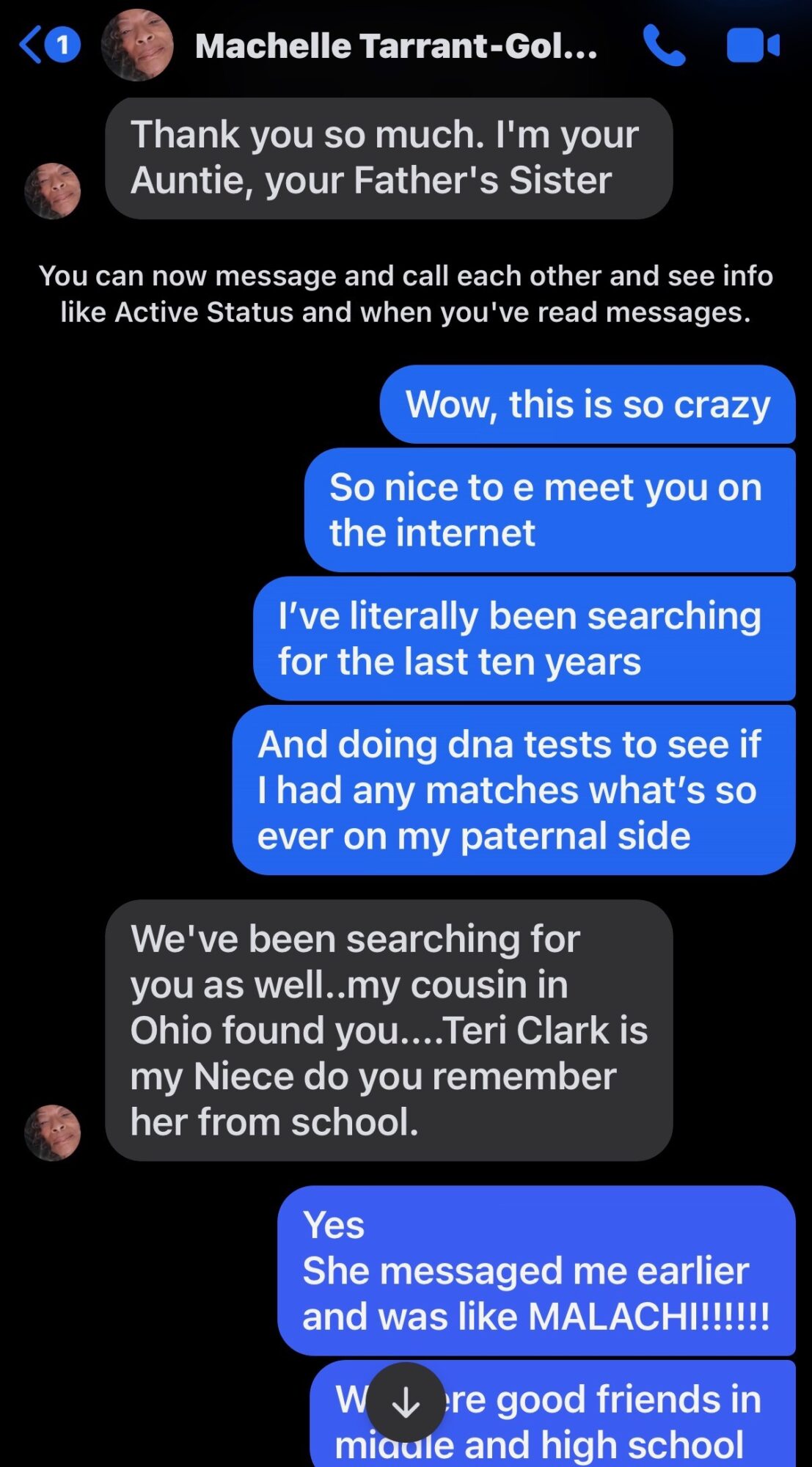
Eventually, my personal search grew into something bigger than I had initially imagined: a proposed four-part reality docuseries called Paradigm Shift. The project explores my search for both sides of my biological family, the relationships that have emerged from that search, and the unanswered questions surrounding my biological parents’ lives. On my mother’s side, there are stories to uncover about a woman I never truly had the opportunity to know and siblings with whom I share a history despite growing up apart. On my father’s side, there are painful unanswered questions surrounding the circumstances of his death and the impact those events have had on his family. Over the course of a lengthy search, connections, conversations, DNA testing, and even an Instagram direct message have played a role in bringing me closer to relatives I once could only imagine meeting. There are still questions that need answers, and I recognize that not every discovery will necessarily bring the closure I hope for. But I believe the process of seeking the truth matters, even when the truth is complicated.
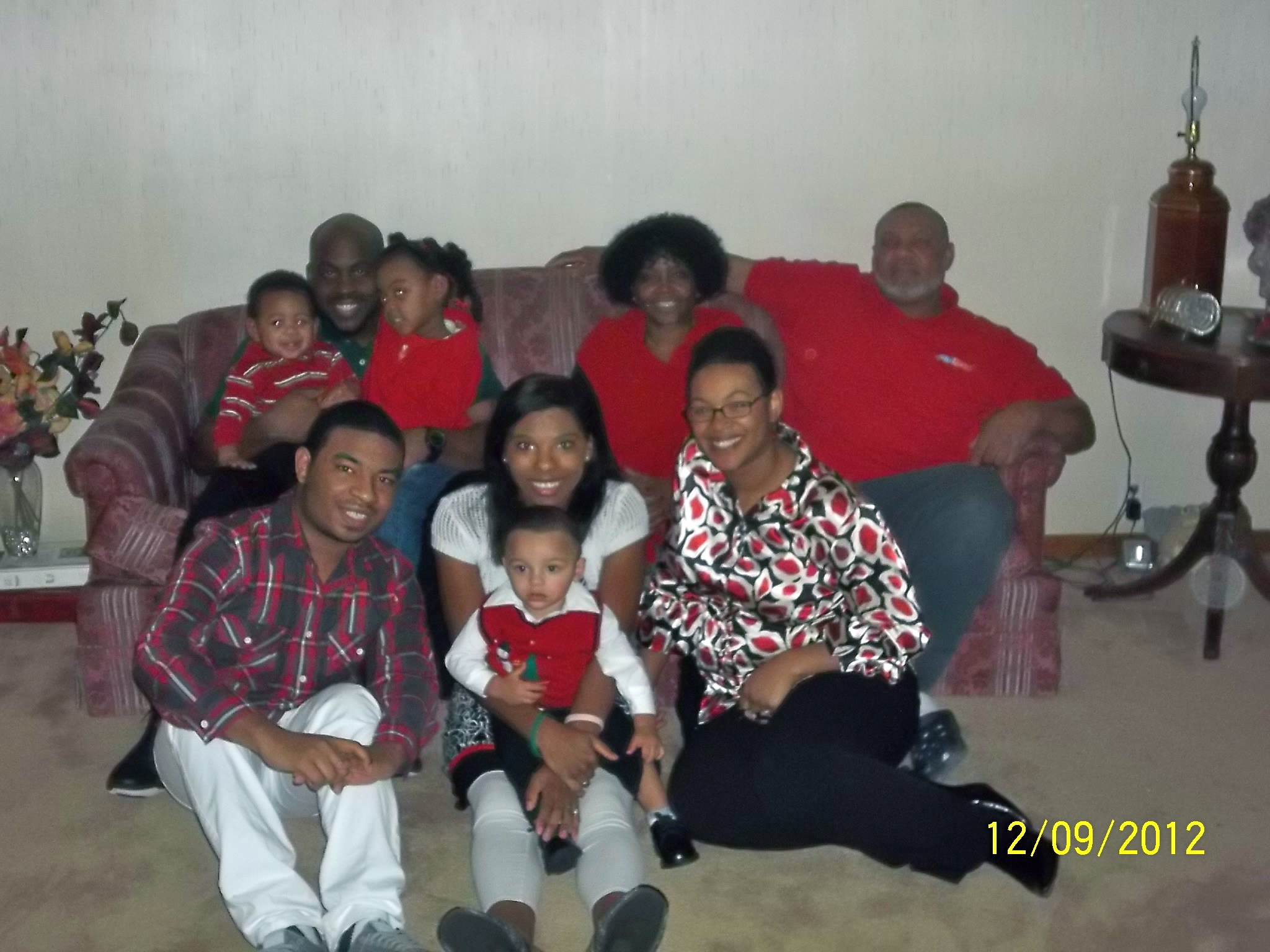
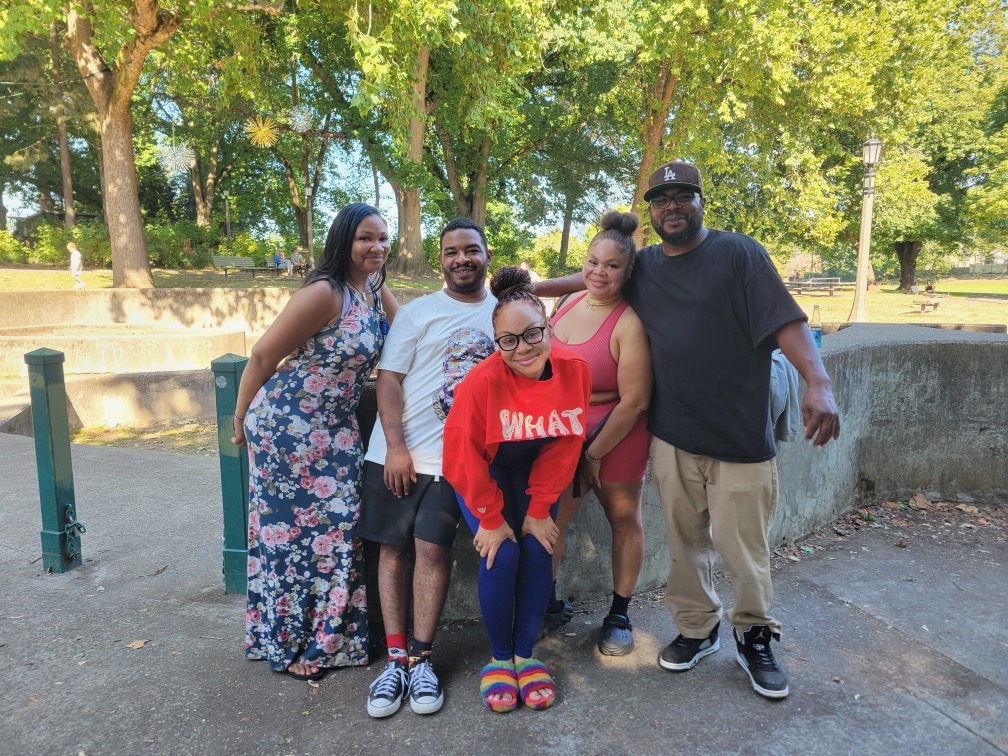
What makes Paradigm Shift meaningful to me is that it isn’t simply about finding people who share my DNA. It is about exploring what family means when life has divided people who might otherwise have grown up together. My adoptive family will always be an essential part of my story. The foster family who cared for me during the earliest months of my life also holds a special place in that history. My biological relatives represent another part of my identity, one that I am still learning to understand. And the friends who have supported me throughout this journey have become family in their own right. I don’t believe that family has to fit into one definition, and I hope this project demonstrates that people can acknowledge painful histories, confront difficult conversations, and still find opportunities for connection and healing.
Looking back, I can see how each chapter of my life has brought me closer to understanding myself. Being adopted gave me questions. Growing up gave me the perspective to ask them. Leaving home gave me room to explore my identity, and reconnecting with my biological relatives gave me a deeper appreciation for the complexity of family. Now, I want to take those experiences and turn them into a story that reaches beyond my own life. Through Paradigm Shift, I hope audiences will see themselves in the questions I ask, the relationships I build, and the moments when the past collides with the present. I want people who have experienced adoption, family separation, identity struggles, or unresolved loss to feel that their stories matter, too. Ultimately, my journey is about more than discovering where I came from. It is about deciding what I want to carry forward, what I hope to heal, and what kind of legacy I want to create. I may not have chosen the circumstances that began my story, but I have the opportunity to decide what happens next—and that, to me, is the real meaning of a paradigm shift.
Would you say it’s been a smooth road, and if not what are some of the biggest challenges you’ve faced along the way?
No, the road has definitely not been smooth. If anything, my life has taught me that some of the most important journeys are the ones we never asked to take. Growing up, I had to navigate questions about my identity and where I belonged before I was old enough to fully understand what those questions meant. I was adopted as an infant and raised by a family that gave me opportunities, stability, and a foundation for my future. I will always be grateful for that. However, as I got older, I began to wrestle with the reality that I had another family somewhere in the world—a biological family I knew very little about and a history that existed long before I was old enough to understand it. When I learned that I was adopted around eight or nine years old, I struggled to make sense of why my biological parents had not raised me. As a child, it was difficult to separate the circumstances surrounding my birth from my own sense of worth. I wondered why my life had taken a different path and what it meant to grow up without knowing the people whose DNA I carried. Those questions followed me into my teenage years and, in many ways, became part of the person I was trying to understand.
Another challenge was learning how to embrace myself in environments where I sometimes felt different. Growing up, I struggled with being teased for my appearance and mannerisms, and I also wrestled with my sexuality and what it meant to be a gay Black man in a relatively conservative environment. There were times when I felt pressure to fit into expectations that did not fully reflect who I was. Learning to accept myself was not an overnight transformation. It required time, reflection, and eventually the courage to step outside the familiar. Moving to Los Angeles in 2016 was an important turning point because it introduced me to a broader LGBTQ+ community and people who helped me see that I did not have to apologize for being myself. For the first time, I began to experience what it could feel like to build relationships in an environment where I had more room to explore my identity openly. That experience did not erase the struggles I had faced, but it helped me understand that the world was bigger than the limitations I had sometimes placed on myself.
Searching for my biological family brought a different kind of challenge. There is an emotional weight that comes with trying to find people who are connected to you by blood but who have lived entire lives without you being part of their everyday experiences. You are searching for answers, but you are also confronting the possibility that some answers may never come. I learned that my biological mother, Phyllis Young, had passed away when I was still very young. That meant I would never have the opportunity to sit down with her, hear her voice, ask about her life, or learn directly from her what happened before and after my birth. Instead, I have had to piece together her story through relatives, family recollections, and conversations with people who knew her. Reconnecting with my biological relatives has brought opportunities for meaningful relationships, but it has also meant navigating complicated histories, different perspectives, and emotions that do not always fit neatly together. Finding family is one thing; figuring out how to build relationships after so many years apart is another. There is no instruction manual for that process, and everyone involved brings their own memories, expectations, and experiences to the table.
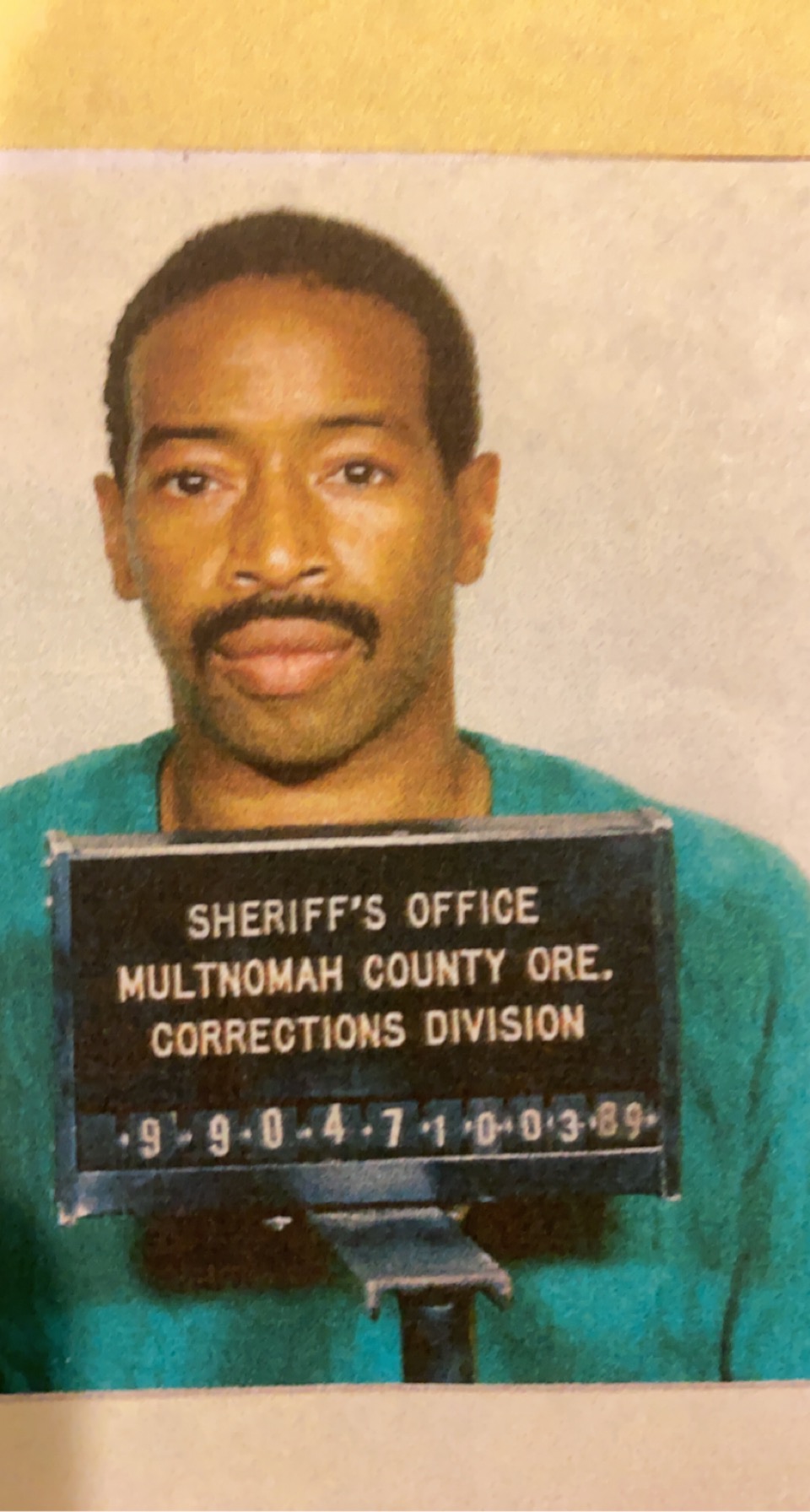
Perhaps one of the most difficult parts of this journey has been the unanswered questions surrounding my biological father’s life and death. My pitch for *Paradigm Shift* explores serious questions my paternal family has carried for years about the circumstances surrounding his death, including inconsistencies and gaps in the information available to them. These are not simply questions about the past; they represent grief, uncertainty, and the desire for clarity that can remain with a family for decades. I recognize that searching for answers does not guarantee that every mystery will be resolved. Sometimes the process means revisiting painful memories, having difficult conversations, and accepting that the truth may be more complicated than anyone anticipated. Still, I believe that asking questions and seeking a clearer understanding of our family history is worthwhile, particularly when the unanswered questions continue to affect the people who are still here.
There have also been professional and personal turning points that forced me to reevaluate my direction. I moved to Los Angeles to pursue opportunities in fashion and began working at Forever 21’s corporate headquarters, only to lose that position during the COVID-19 pandemic-related cuts. Losing a job during a period of widespread uncertainty was another reminder that life rarely unfolds according to the plan we create for ourselves. It forced me to reconsider what I wanted my future to look like and how I could turn my experiences, interests, and perspective into something meaningful. Rather than viewing that chapter as the end of a path, I have come to see it as an opportunity to explore new possibilities and think more intentionally about the stories I want to tell.
What has helped me keep going is learning that resilience does not mean pretending something never hurt you. It means acknowledging the hurt without allowing it to define every chapter that follows. I have had to learn that gratitude for my adoptive family and curiosity about my biological family can coexist. I can appreciate the people who raised me while still wanting to understand the people I came from. I can acknowledge the difficult parts of my childhood while recognizing the opportunities that helped me grow. And I can accept that my journey toward self-understanding is still unfolding.
That is ultimately what inspired *Paradigm Shift*. I want to explore what happens when the questions we carry for years finally lead us toward the people, histories, and truths we have been searching for. My story includes adoption, identity, family separation, reconnection, grief, and the complicated process of trying to understand the past. But beneath all of those experiences is something universal: the desire to know where we come from, to feel that we belong, and to make peace with the parts of our lives we cannot change. The road has not been smooth, and I would not pretend otherwise. But every challenge has given me another reason to keep asking questions, keep growing, and keep moving forward. I may not be able to rewrite the beginning of my story, but I can help determine what the next chapter looks like.
Thanks – so what else should our readers know about your work and what you’re currently focused on?
Professionally, I work in behavioral health and supportive housing, where my focus is helping individuals navigate some of life’s most challenging circumstances and work toward greater stability, independence, and quality of life. At NARA Northwest in Portland, Oregon, I have worked in several capacities, beginning in a front-desk role before moving into intensive mental health housing coordination and Assertive Community Treatment (ACT). Each position has given me a different perspective on what it means to support people, whether that involves creating a welcoming environment, coordinating essential resources, helping someone overcome barriers to housing, or working alongside a multidisciplinary team to provide comprehensive community-based mental health services.
In my current work, I specialize in housing stabilization and community-based support for individuals experiencing significant mental health challenges. My responsibilities include helping participants navigate housing applications, coordinating move-in resources, developing individualized housing plans, addressing barriers that threaten housing stability, and collaborating with providers, property managers, nurses, prescribers, and other members of the care team. Through ACT, I also participate in work that brings support directly into the community, including client residences, shelters, and street outreach settings. What I find especially meaningful about this work is that progress does not always look the way people expect it to. Sometimes progress means securing housing after months of uncertainty. Sometimes it means helping someone navigate a complicated system, feel heard during a difficult moment, or take one manageable step toward a more stable future. Those moments reinforce why I do this work.
If there is one thing I hope people recognize about me professionally, it is that I try to see the person before the circumstances. The people I serve are not defined solely by a diagnosis, a housing crisis, a difficult chapter in their lives, or the challenges documented in a case file. Every person has a history, relationships, aspirations, and experiences that deserve to be understood. I believe empathy and active listening are essential to building trust, particularly when someone has experienced instability or has struggled to feel understood by the systems around them. I approach my work with the understanding that people deserve dignity and respect regardless of where they are in life. I also recognize the importance of collaboration, professional boundaries, accountability, and meeting people where they are rather than assuming I know what their needs should be.
What I am most proud of is the opportunity to turn that philosophy into practical support. Housing stability can influence so many other areas of a person’s life, and I take pride in helping people work through the barriers that can stand between them and a safe, stable place to call home. I know that this work requires patience, flexibility, communication, and the ability to navigate complicated situations without losing sight of the individual involved. My background in political science from Oregon State University also influences how I understand the broader systems surrounding people’s lives. It strengthened my interest in public policy, critical thinking, and the ways institutions affect individuals and communities. Combined with my professional experience in behavioral health, it has encouraged me to look beyond an immediate problem and consider the larger circumstances that may contribute to it.
I think what sets me apart is the connection between my professional experience and my own life journey. As someone who was adopted and spent years trying to understand my identity and biological family history, I know personally that there can be much more to a person’s story than what is immediately visible. That experience has influenced the way I think about belonging, family, identity, and the importance of understanding where people come from. It has also made me curious about the experiences that shape us, the relationships that change our lives, and the questions people carry when parts of their personal histories remain unresolved. I would never assume that my experiences are the same as those of the people I support, but they have helped me appreciate the importance of approaching others with humility, compassion, and an open mind.
That same curiosity is part of what inspired me to develop *Paradigm Shift*, my proposed four-part documentary series about my search for my biological family. The project explores adoption, identity, family separation, reconnection, and the unanswered questions that can shape generations. While my behavioral health career and my creative ambitions may seem like different paths, I see a meaningful connection between them: both involve listening to people, understanding their experiences, and recognizing the complexity behind the stories we tell about ourselves and one another. My professional work has taught me that people’s lives cannot be reduced to a single moment or circumstance. My personal journey has shown me just how much history, identity, and family can influence the way we understand ourselves.
Ultimately, I am proud of the person I am continuing to become. I have built a professional foundation in work that requires compassion and responsibility, pursued an education that strengthened my analytical and communication skills, and continued exploring creative ways to tell stories that matter. I want to keep growing in behavioral health while also developing opportunities in entertainment and documentary storytelling. I am especially interested in stories that encourage audiences to look beyond first impressions, challenge assumptions, and connect with experiences different from their own. I believe my combination of lived experience, professional insight, and a genuine interest in people’s stories gives me a perspective worth sharing. For me, success is not simply about what I accomplish individually; it is also about the understanding I can help create, the connections I can build, and the possibility that sharing a story honestly might help someone else feel seen.
We love surprises, fun facts and unexpected stories. Is there something you can share that might surprise us?
Something that might surprise people who know me is that, beyond my career in behavioral health, I have a creative side and a lifelong dream of becoming a voice actor. Voice acting is more than just a bucket-list item for me; it represents an opportunity to turn my imagination, personality, and love of storytelling into something that can move people. I want to develop the ability to bring characters to life, give a voice to stories that deserve to be heard, and create the kind of performances that make audiences laugh, feel, escape into another world, or see themselves in a character. I have always been fascinated by how much emotion and personality a person can communicate through their voice alone, and I would love to explore opportunities in animation, video games, and narration. I also have a spontaneous side that has led me to embrace opportunities without needing every detail figured out first. In the summer of 2016, just after graduating from college, my sister called and asked if I wanted to move to Los Angeles, and I literally moved the next day! That decision opened the door to an entirely new chapter of my life, and it reminded me that some of the most meaningful experiences begin when you are willing to take a chance on yourself. Now, I want to bring that same courage to voice acting—not simply to say I tried it, but to invest in the training, practice, and discipline it takes to discover what I am capable of. I have spent years encouraging others to recognize their potential, and I believe it is just as important to give myself permission to pursue mine. I do not want voice acting to remain a dream I talk about someday; I want to give it a genuine chance and see how far my voice can take me.
Contact Info:
- Instagram: https://www.instagram.com/mak_khai11/
- Facebook: https://www.facebook.com/malachi.hopkins
- LinkedIn: https://www.linkedin.com/in/malachi-hopkins-290ba911a
- Twitter: https://x.com/mhop11