


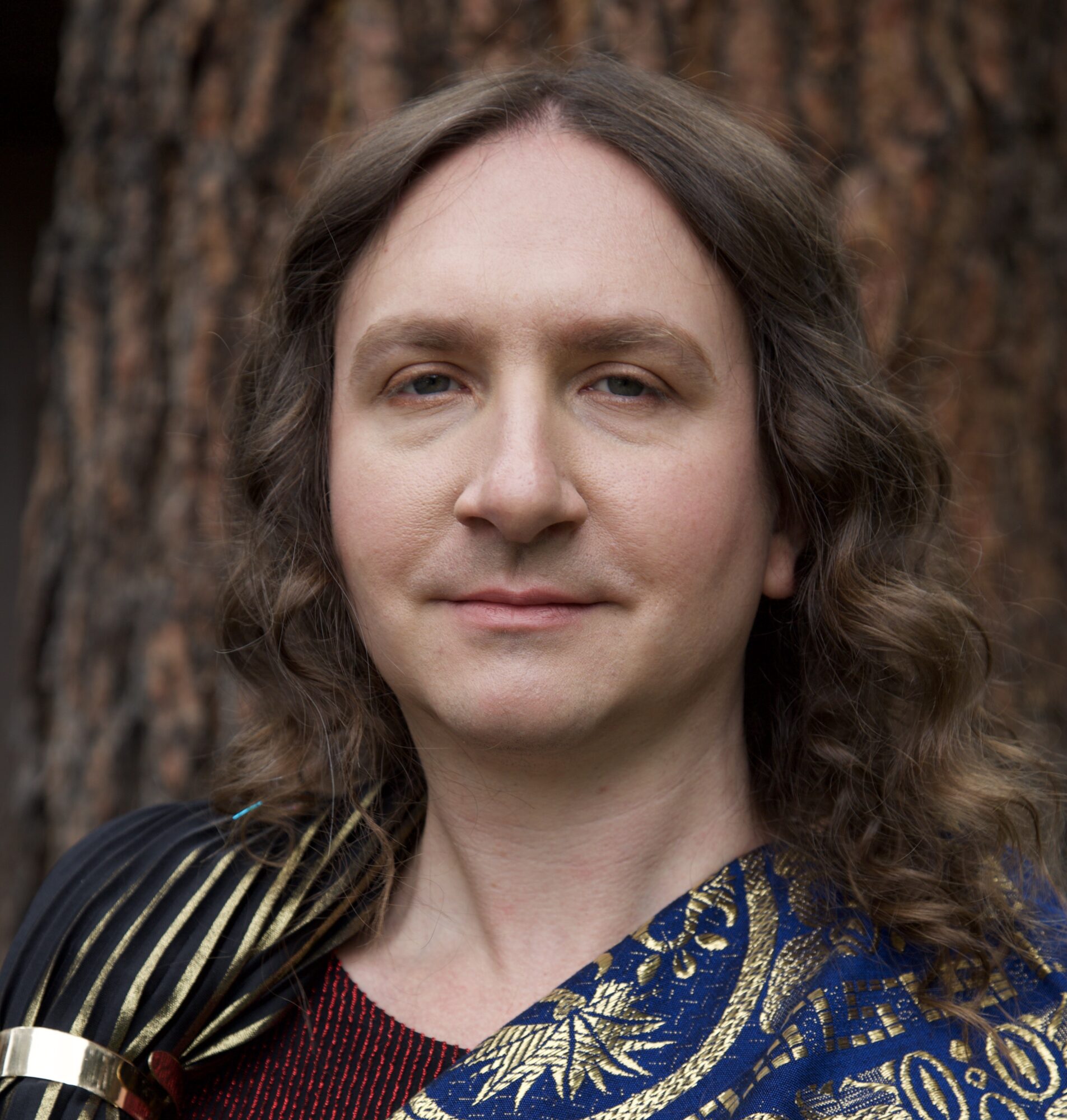
Today we’d like to introduce you to Russell Simpson.
Hi Russell, can you start by introducing yourself? We’d love to learn more about how you got to where you are today?
I’ve always been a Maker. As a kid I made costumes from construction paper, and learned to knit, crotchet, and braid, despite those hobbies being “not for boys” in 90s culture. I took art classes all through school and particularly thrived in sculpture in many different materials. I wove chain mail, wrote stories and D&D campaigns, and folded origami to stay awake in high school. I went to Rutgers University for college and majored in Japanese so I could study abroad, but considered switching schools and going into ceramics. I enjoyed learning languages, communicating with people, and traveling though, so I also studied German, Arabic, and Mandarin, in addition to the Spanish I had learned in high school.
After undergrad I knew I wasn’t interested in working in Japan or as a translator, so I reflected on the things I liked to do, and what I wanted to accomplish with my life. I was doing puzzles, building Gundam models, and cut & glue castles from books, but I wanted to be able to design my own projects. Despite growing up in poverty, I wanted to own a house, and a big one at that. I figured I would have to design and build it myself. So I started volunteering with Habitat for Humanity to meet people in the trades, and learned from those volunteers that Architecture was a viable pathway for me to use my skills to achieve my dreams.
I had never considered Architecture as a possibility. I had the misconception that only rich and well connected people could be Architects. But upon looking into it, I learned there was a viable career path if you had a degree, and that I had an ancestor who was an Architect. I needed a portfolio to apply, so I built a 3′ tall pose-able robot from cardboard, carved a soapstone animal and drew it from different views, and sketched a house. Luckily, that was enough to get me into The University of Arizona for a Masters degree in Architecture.
Our program was focused on sustainability, and I strongly resonated with that. I have always cared about the environment and been bothered by humanity’s mostly negative impact on it. Growing up in the urban sprawl of New Jersey, I had little exposure to nature, which just existed in small pockets. Having traveled to Japan, Germany, Tunisia, and Italy, I was exposed to vast natural environments, with little pockets of urbanity. While living in Arizona, our professors pushed us to think critically about how the built environment interacts with nature, and how to reduce energy use and waste.
My financial poverty followed me through my education. I never let it stop me from making big decisions about travel, career, or once in a lifetime opportunities. But it affected me every day in food, clothes, hobbies, and school materials. Architecture students can spend a lot of money on wood and plastic to build models and experiment with materials. I thrived on scraps, salvaging materials from thrown out models, classmate’s leftovers, and bargain bins. I fell in love with thrifting; there aren’t really thrift stores in NJ, just garage sales and flea markets, but to have consistent thrift stores in Tucson to regularly peruse was a dream. I specialized in model building during grad school, and built wonders out of waste.
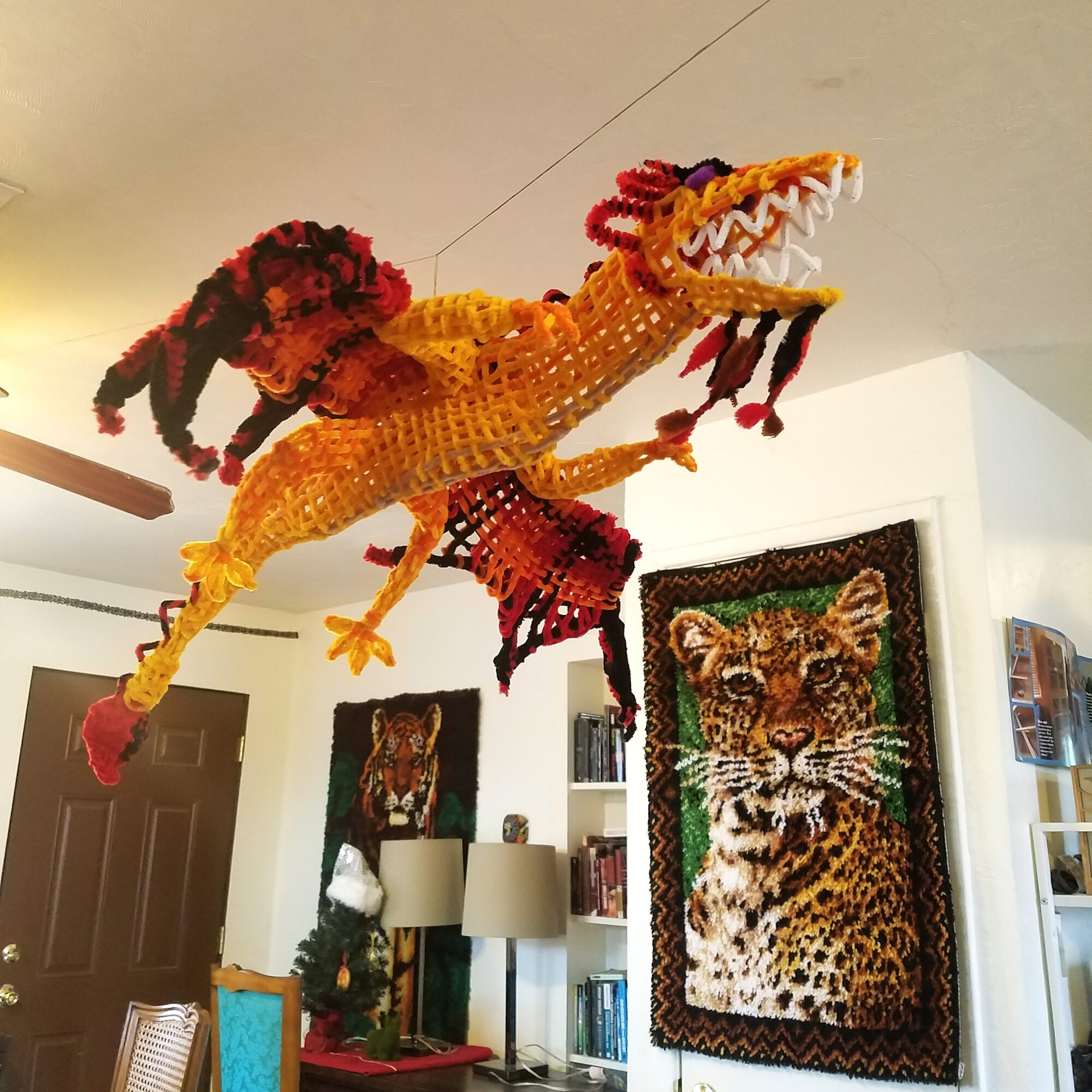
Even during the demanding degree, I knew I needed to continue sculpting for fun. I discovered I could weave pipe cleaners into colorful, zany sculptures, and made several large dinosaurs, Saguaros, and lots of little creatures. I found it important to maintain a weaving and sculpting hobby purely for enjoyment in parallel with required and critically judged classroom sculpting .
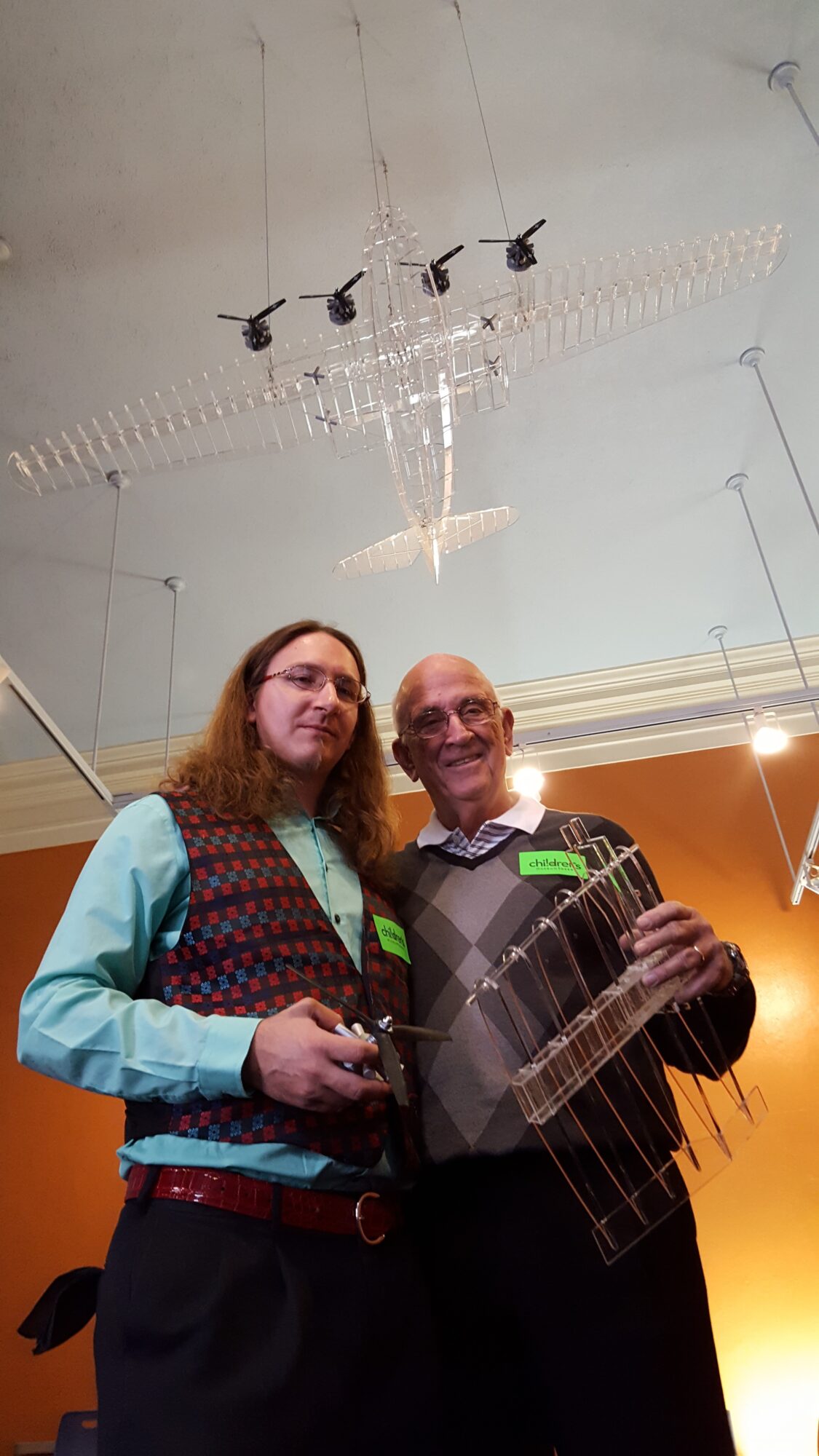
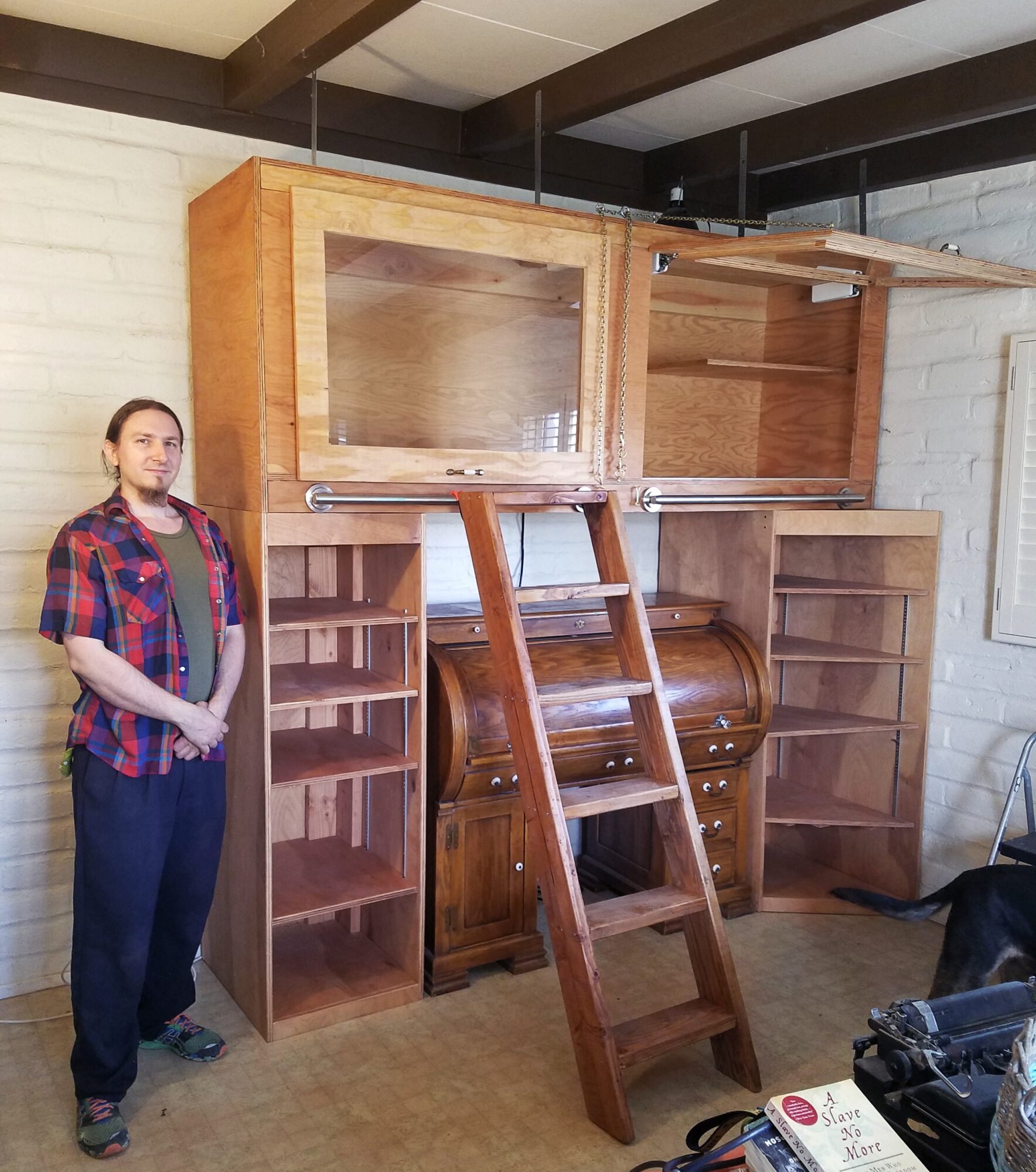
After graduating from my Masters in Architecture program in 2014, I tried to work in the field, but found it creatively unfulfilling. I started my own business, Russell’s Art & Design, and pursued projects for clients in custom sculpture, custom furniture, and custom animal homes. I continued to maximize used and upcycled materials, both for sustainability reasons, and financial. I was able to make just enough money to keep going, and had many happy clients, both humans and animals.
Tucson, AZ became increasingly environmentally unsustainable, and life gave me the opportunity to move along. I had never been to Bend or Oregon or the PNW at all, but it looked best on paper. I took a few months to travel the country and visit all my family, and when I arrived in Bend I fell in love with the Deschutes River, Smith Rock, and the big town which was not a city of Bend. I found community right away, especially at Unity Spiritual Community, made friends easily, and even got a job to help me settle in. This was Autumn of 2019, and I got myself settled just in time to stay home for a while.
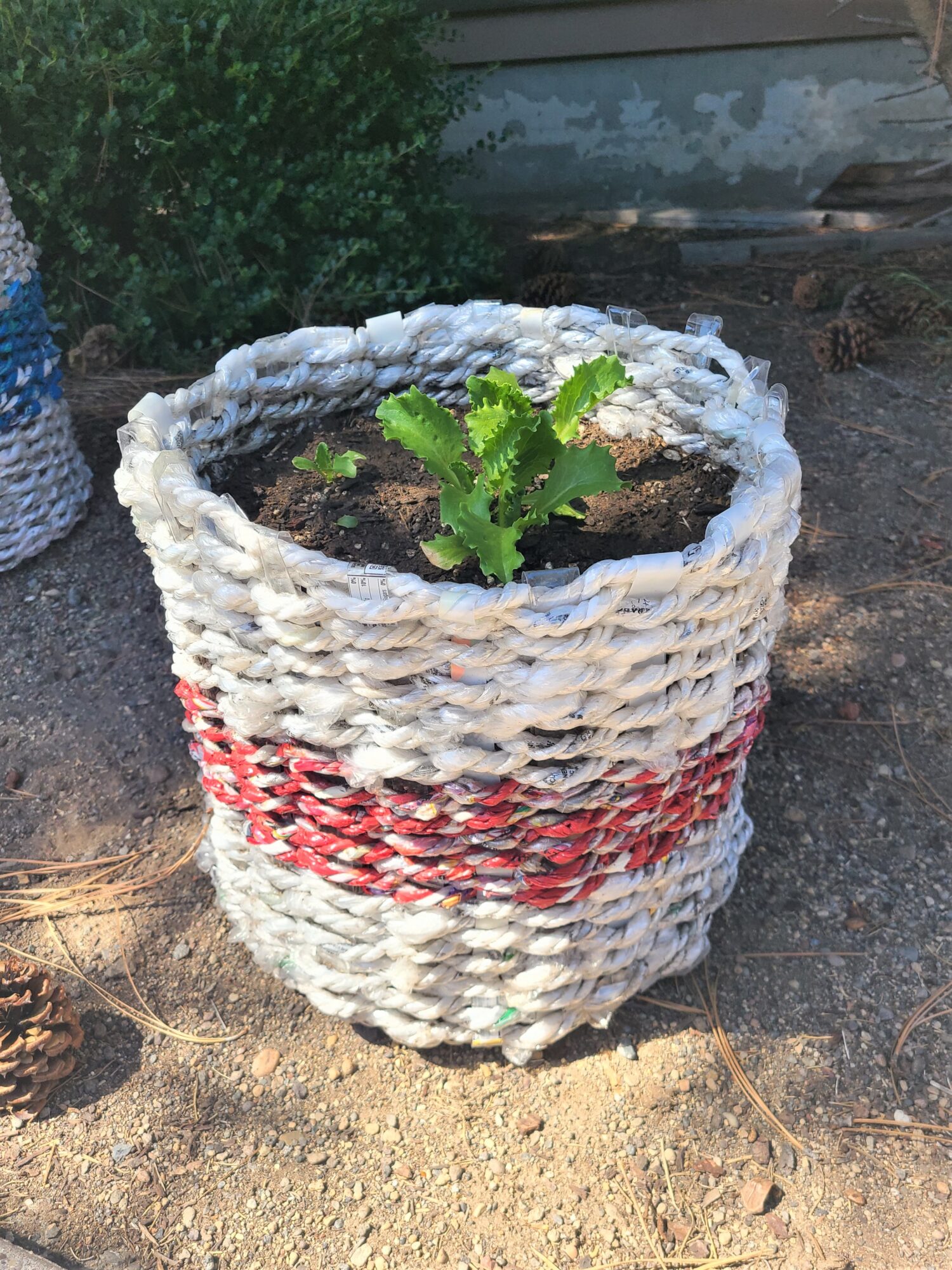
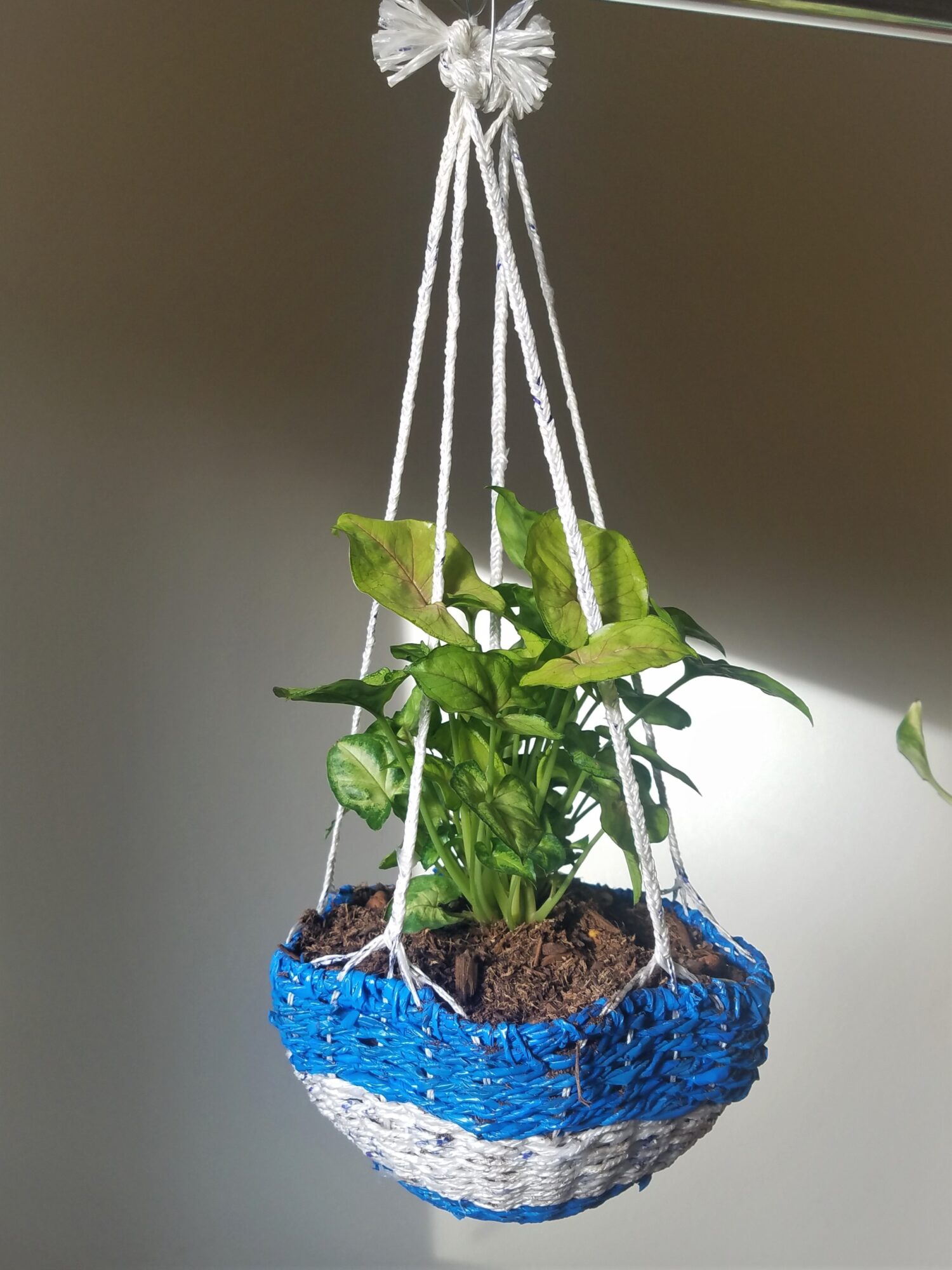
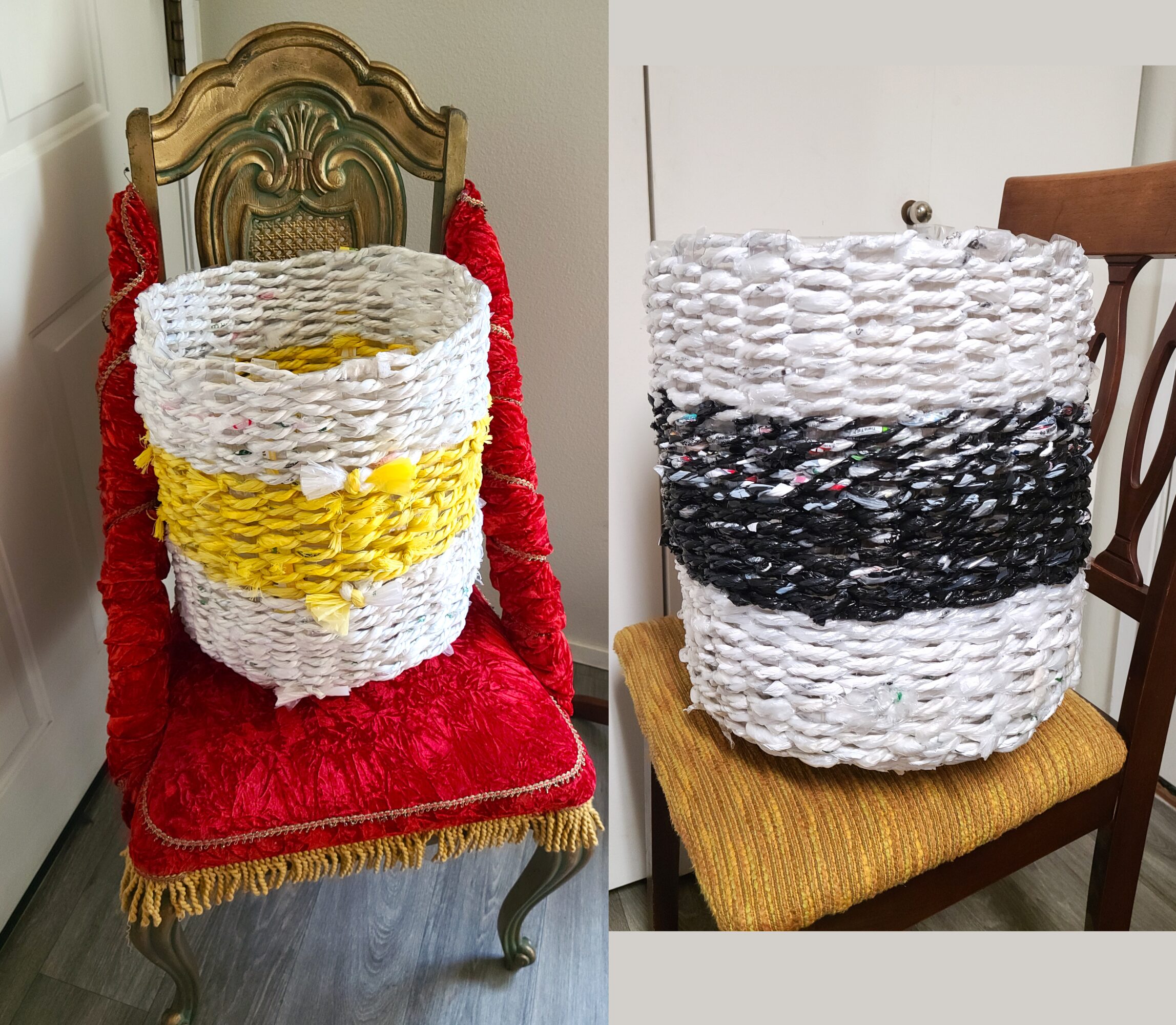
Since we are living in Late Stage Capitalism, working full time didn’t bring in any money, and the costs of a simple life kept increasing. I decided to spin up my business again, and looked around for the worst polluting item that I could get for free and turn into something. I settled on spinning plastic bags into plarn (plastic yarn) and weaving products like baskets. This combined all of my interests: weaving, sculpting, reuse, sustainability, business, design, and growing food. Once I had proof of concept, I got a grant from The Environmental Center to get a better spinning wheel (and lots of scissors), which enabled me to use thicker bags and build larger baskets. I called this business Reuse All Detritus LLC, or RAD.
In modern America, though, you really can’t make enough money to survive off of handmade goods. It takes 12 hours to make a large basket, and people can’t afford your time. So I decided to team up with other people with similar passions and work together to support each other and make a bigger impact on the health of the Earth and the waste economy. In 2024 we formed a co-operative business focused on waste reduction, upcycling, reuse, and redistribution. Which brings us to the present, where I work with my friends figuring out ways to turn Trash in to Treasure.
Our co-op, currently called Scrap Broker, is able to turn broken plastics into new things, like sheets, bowls, 3d printing filament, and more. We process waste wood and make it available to people through Restore. We collect clothing and toiletries bound for the landfill and deliver them to Family Kitchen, St Vincent dePaul, Taylor Center, and others, who give them to low income and houseless people for free. We take in commercial and industrial items like motors, tools, components, etc, and fix them up and get them to people and businesses who can use them. We sort and sell hangers and strip copper. We also fix and refurbish electronics and turn waste textiles into artistic acoustic panels. If you produce recurring trash, we can probably find a new life for it.
Alright, so let’s dig a little deeper into the story – has it been an easy path overall and if not, what were the challenges you’ve had to overcome?
There is no smooth road for an ethically founded sustainably based Maker without money in Late Stage Capitalist America. It’s all bumps and curves and you need to enjoy that to survive. Our co-operative business is doing alright, but finances are a constant challenge. Space is limited and broader industry pushes back against creative upstarts. But we have many allies, including The Environmental Center, Bend Plastics, Habitat for Humanity and Restore, Regroup Thrift, Family Kitchen, St Vincent dePaul, and others. And our allied members who have come together to do the work, despite the systems we suffer under, support each other.
We are creative problem solvers, and challenges push us to be better. We find ways to make enough money to survive and even grow a bit. People want to tell our story and promote our activities in a crowded attention economy. Many are eager to give us their trash, and we are able to find other people who appreciate and need the things. So we are succeeding while surfing the struggle.
Thanks – so what else should our readers know about your work and what you’re currently focused on?
I do a thousand things in a hundred different mediums. I suppose I specialize in weaving and sculpting, mostly in plastic and metal, but also paper and wood and textiles. I verify used jigsaw puzzles by assembling them and then resell them. I also do a lot of design, business development, marketing and outreach, networking, grant writing, shredding, sorting, delivering, picking things up, and anything else that promotes the mission.
Communication is very important to me. It’s the fundamental basis of relationship between any living beings. I speak several languages at a conversational level, and know phrases in others. I have developed a strong ability to Listen to people, and offer a free wellness service I call Deep Listening. I sit with strangers and ask them “What’s on your mind?” and then listen, reflect for them, and offer advice if they want it. My goal is to help people figure out their challenges and solve their own problems.
I’m also very involved with communities in Central Oregon. I’m the Vice President of the Board at Unity Spiritual Community, as well as a Greeter and Earthcare team member. I’m a new member of Central Oregon Spinners & Weavers Guild. I’m involved with political action groups working to protect our community and advance policies that benefit all of the people and the Earth. I volunteer at TEC’s Repair Cafe and other places where I’m needed.
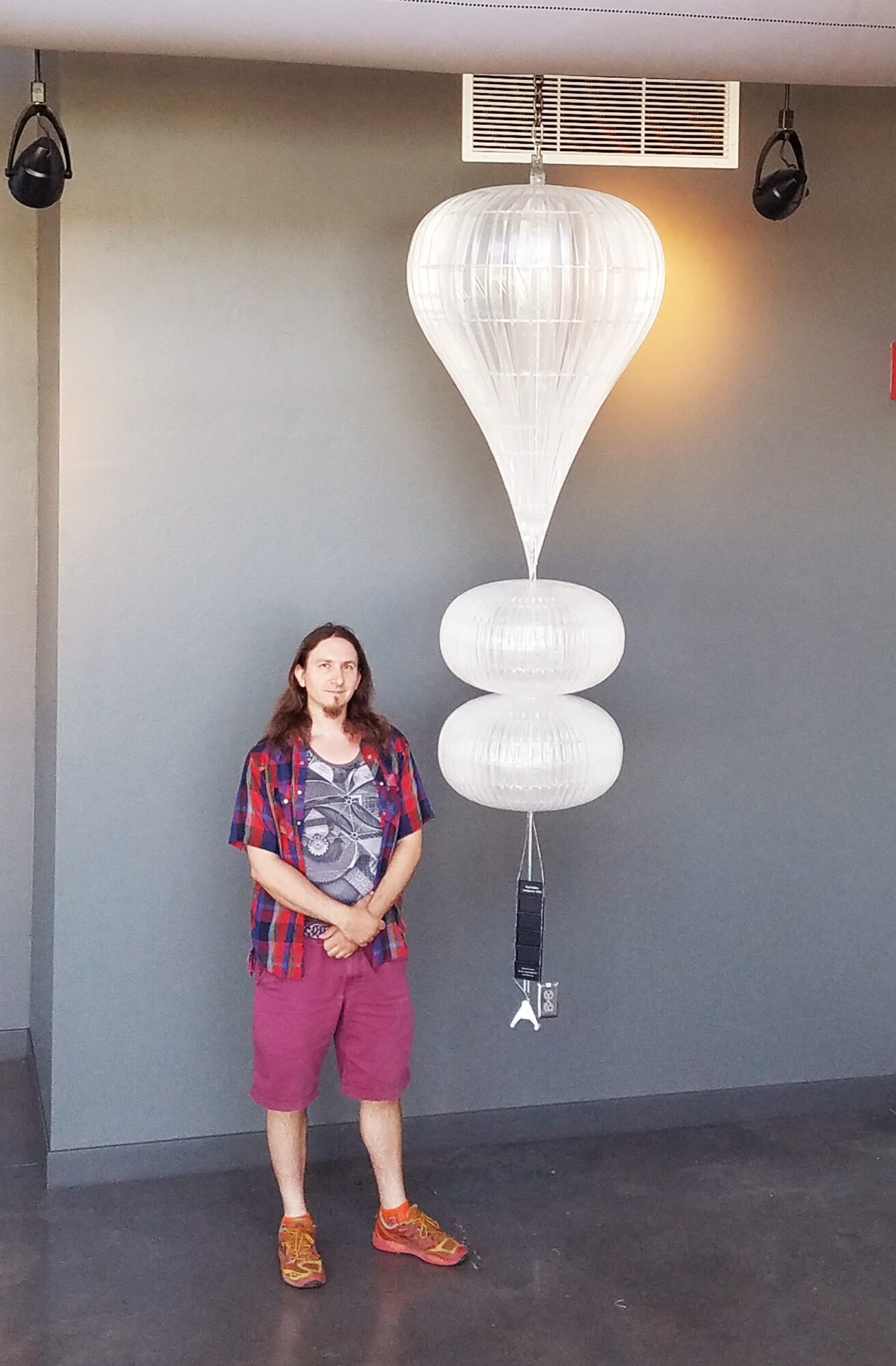
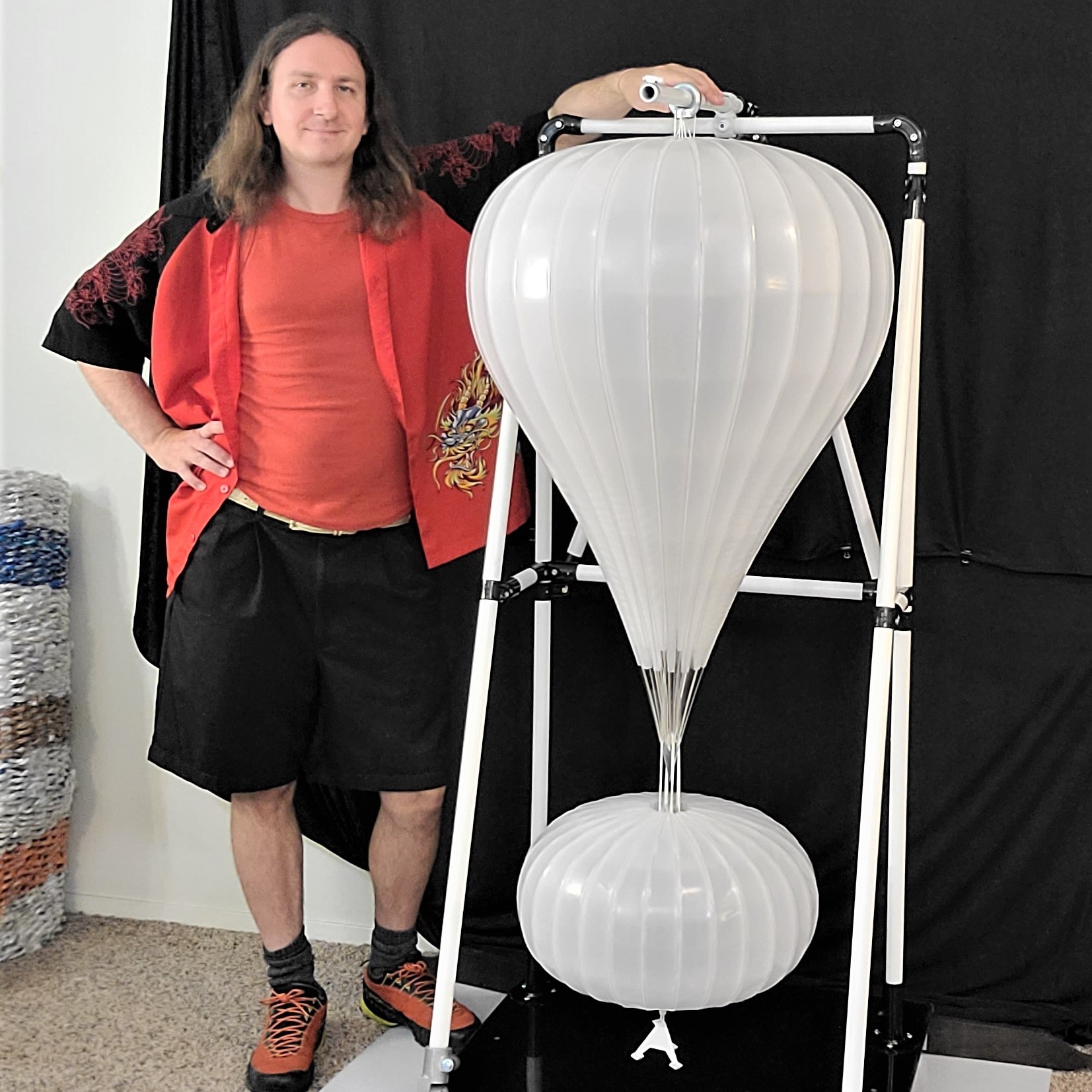
Outside of the upcycling and redistribution work of the co-op, I’m really looking for clients to build custom sculptures for. I truly love listening to a client, understanding their needs and limits, and building the exact right sculpture for them. I do projects through my website Custom Science Sculpture, but, as you can imagine, my range of project potential is vast and hard to describe with limits. I usually just ask a client “What do you want?”
Before we go, is there anything else you can share with us?
Never let lack of money make big decisions for you. Life everywhere in the USA is unbearably expensive. All career training and education costs too much and you likely won’t earn it back. Poverty and houselessness are ubiquitous, perhaps by design. Do what you are called to regardless. Pursue your passions and use your skills. Enough money will show up if you are living in the flow. Don’t sell your happiness just to have a nicer car or clothing. The universe supports people who live with love, regardless of the economy.
As systems and “the old way” crumble around us, focus on what matters to you. Heal yourself, live with community, create your art, and thrive as your unique self. Don’t worry about judgment from old social structures and unfair economics. Success isn’t based on wealth, it’s happiness and health. Protect and support other people and they in turn will uplift you. Do what you know is right, and everything will be alright.
https://www.radllc.org/
https://www.customsciencesculpture.com/
https://scrap.broker/
https://www.instagram.com/rad_llc/
https://www.facebook.com/RADLLCorg
https://unitycentraloregon.org/board-of-directors/
Contact Info:
- Website: https://www.radllc.org/
- Instagram: https://www.instagram.com/rad_llc/
- Facebook: https://www.facebook.com/RADLLCorg