


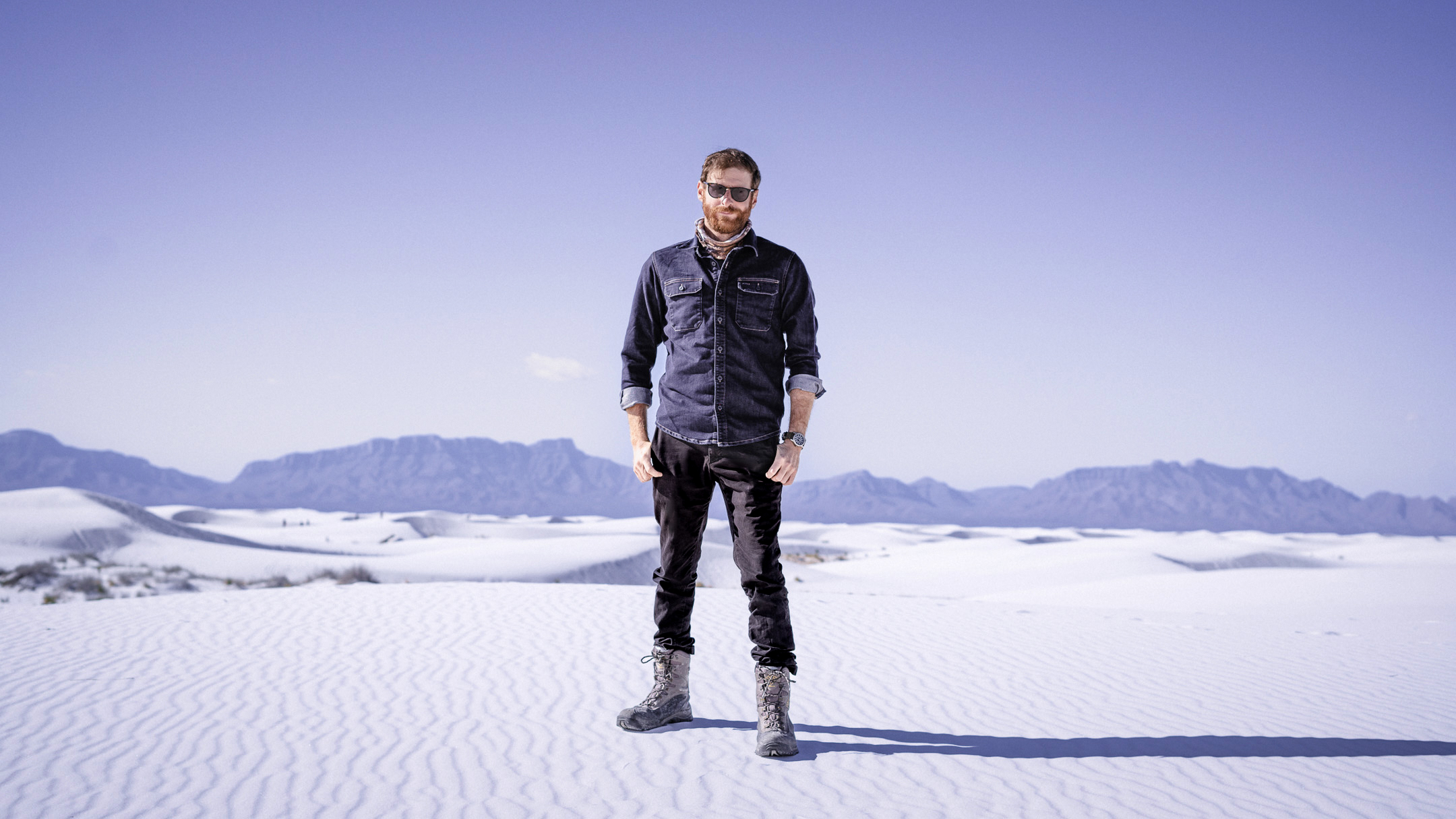
Today we’d like to introduce you to Ryan Fidrick.
Hi Ryan, we’re thrilled to have a chance to learn your story today. So, before we get into specifics, maybe you can briefly walk us through how you got to where you are today?
My creative path started early — I was twelve when I found myself on a film set, helping out as a camera assistant on an indie project. That experience opened the door to years of work as a cinematographer and director of photography on film, commercial, and television productions, where I learned to think visually and turn ideas into images. Those environments taught me to imagine beyond the literal frame — to think in terms of mood, atmosphere, and the creative possibilities inside a scene.
Growing up, my family moved frequently for my dad’s work, and we always chose to move ourselves rather than rely on a moving company. That meant long road trips across the country, often stopping in national parks and spending days outdoors. We were constantly in motion, always exploring. Years later, as I spent more time on the road for work, I felt myself reconnecting with that part of me that always loved discovering new places and being out in nature.
Today, that’s where my focus is. I’ve spent the last few years building a landscape portfolio I’m proud of, and I’m opening my first print shop this year. In a way, the camera has always been a passport — first into the world of film, and now into the landscapes that feel most true to who I am.
Can you talk to us a bit about the challenges and lessons you’ve learned along the way. Looking back would you say it’s been easy or smooth in retrospect?
Working on film sets as a teenager made the road anything but traditional. I learned the craft by doing — and by studying the work of the filmmakers I admired — which taught me how to think visually and solve problems creatively.
When I shifted toward landscape photography in 2020, the challenges changed. I began traveling full‑time and had to teach myself how to read weather, understand how light behaves outdoors, and become self‑sufficient in the wilderness. This type of work also demands a physical commitment — carrying gear over long distances and navigating remote places at night or in unpredictable conditions, often on very little sleep.
Part of that shift to still photography meant learning to move from motion pictures to a single image — figuring out how to communicate an idea or a feeling in one frame. Learning to translate what I felt in a place into a photograph took patience and a lot of experimentation, but it ultimately shaped the way I create today.
Appreciate you sharing that. What else should we know about what you do?
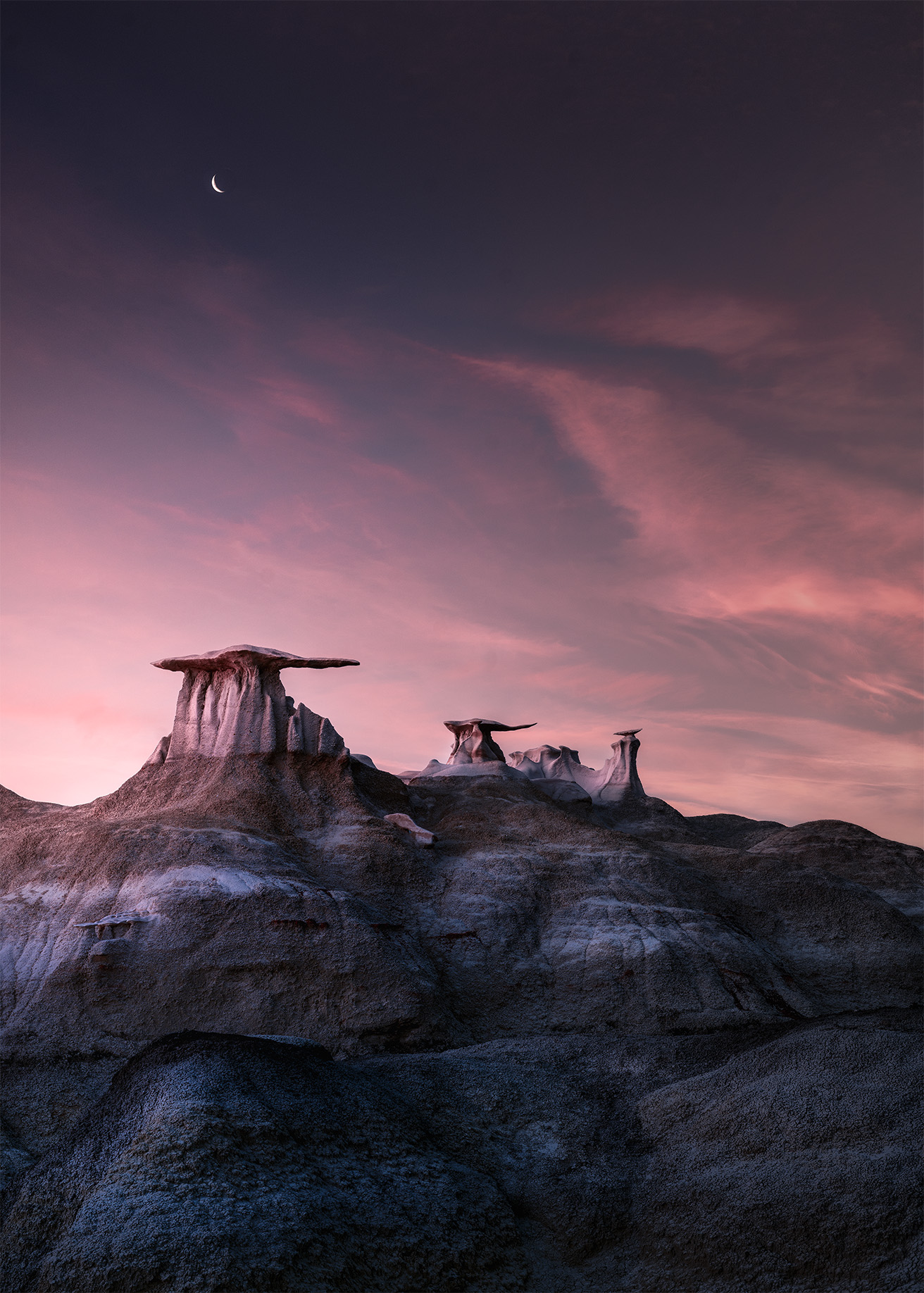
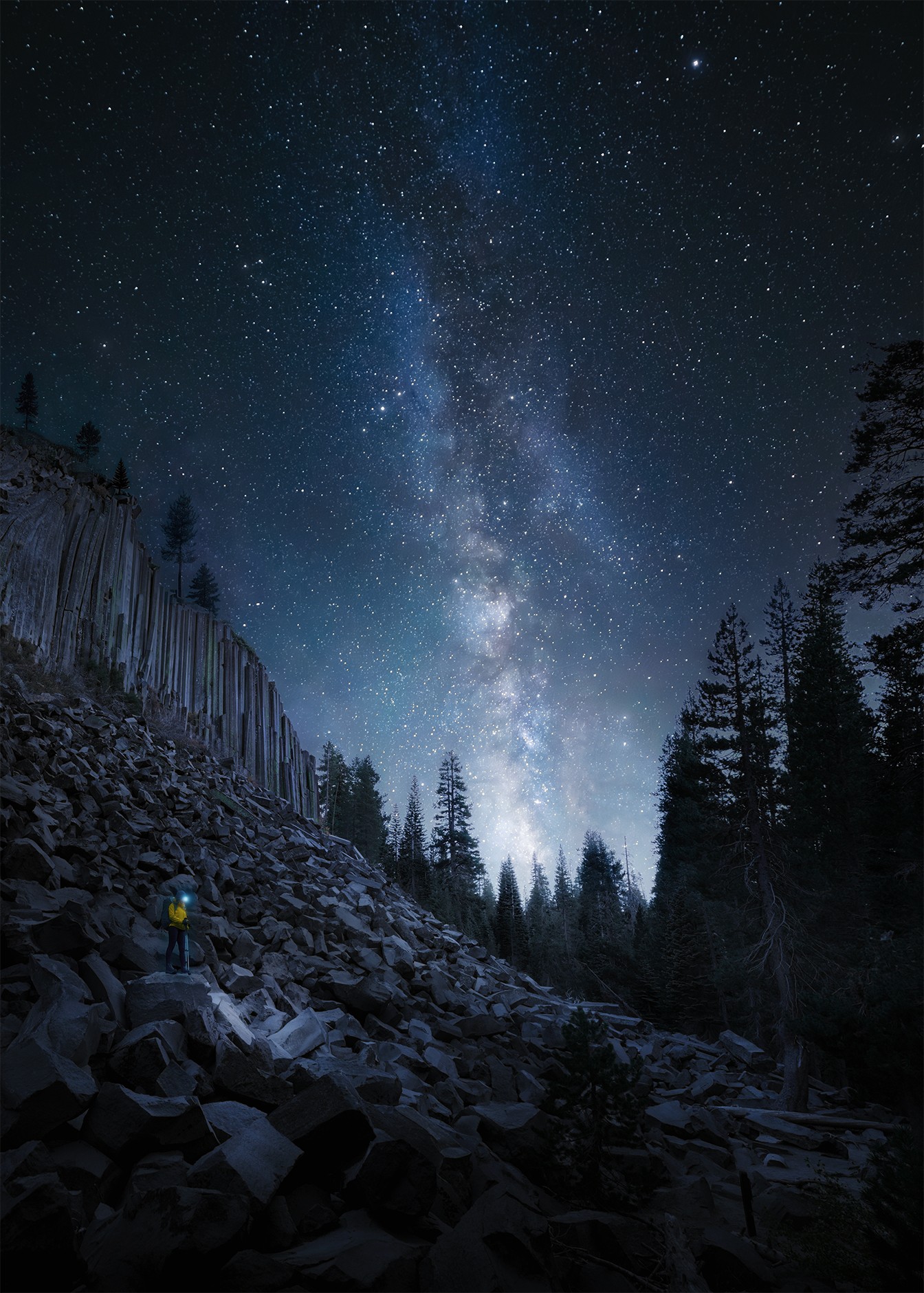
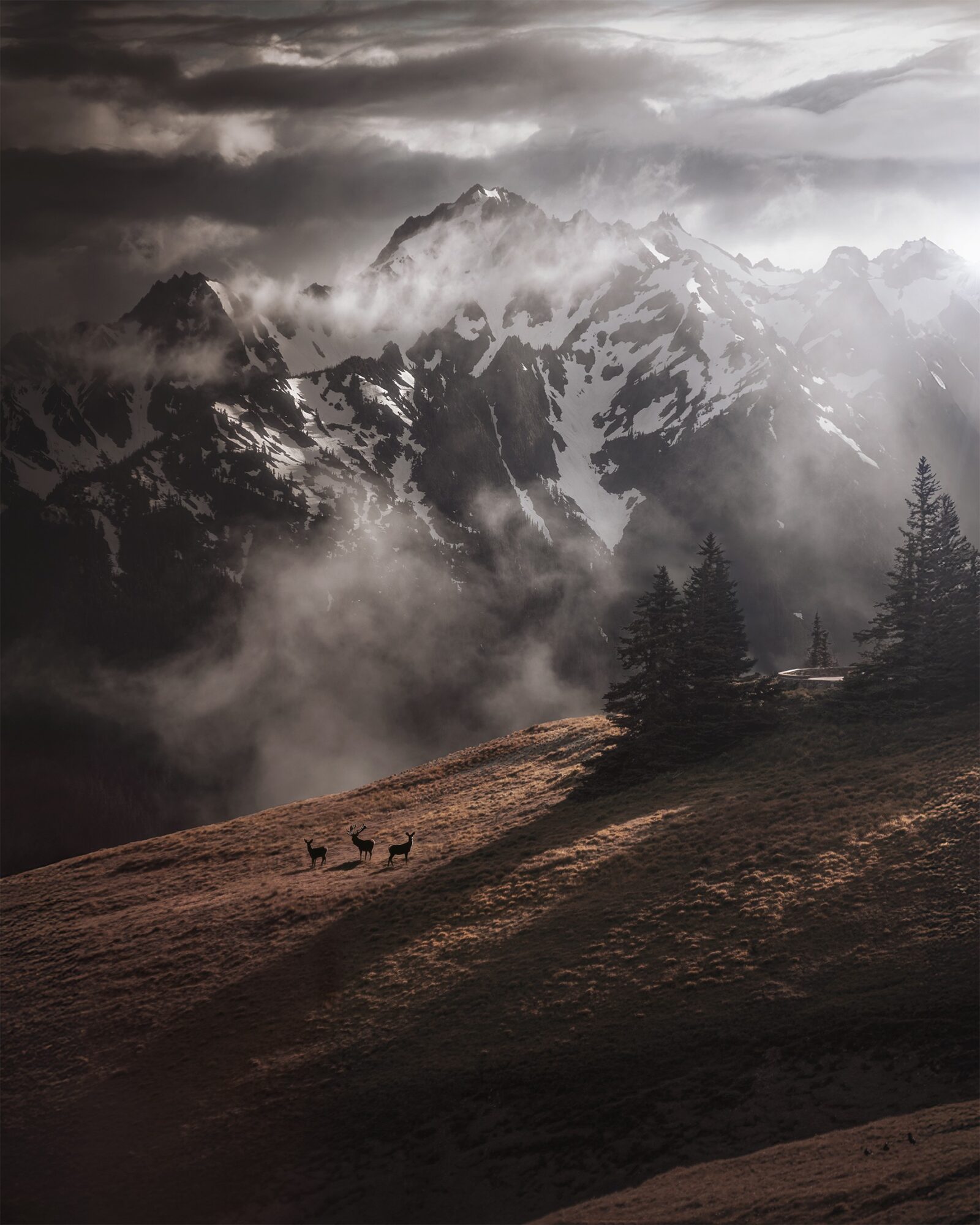
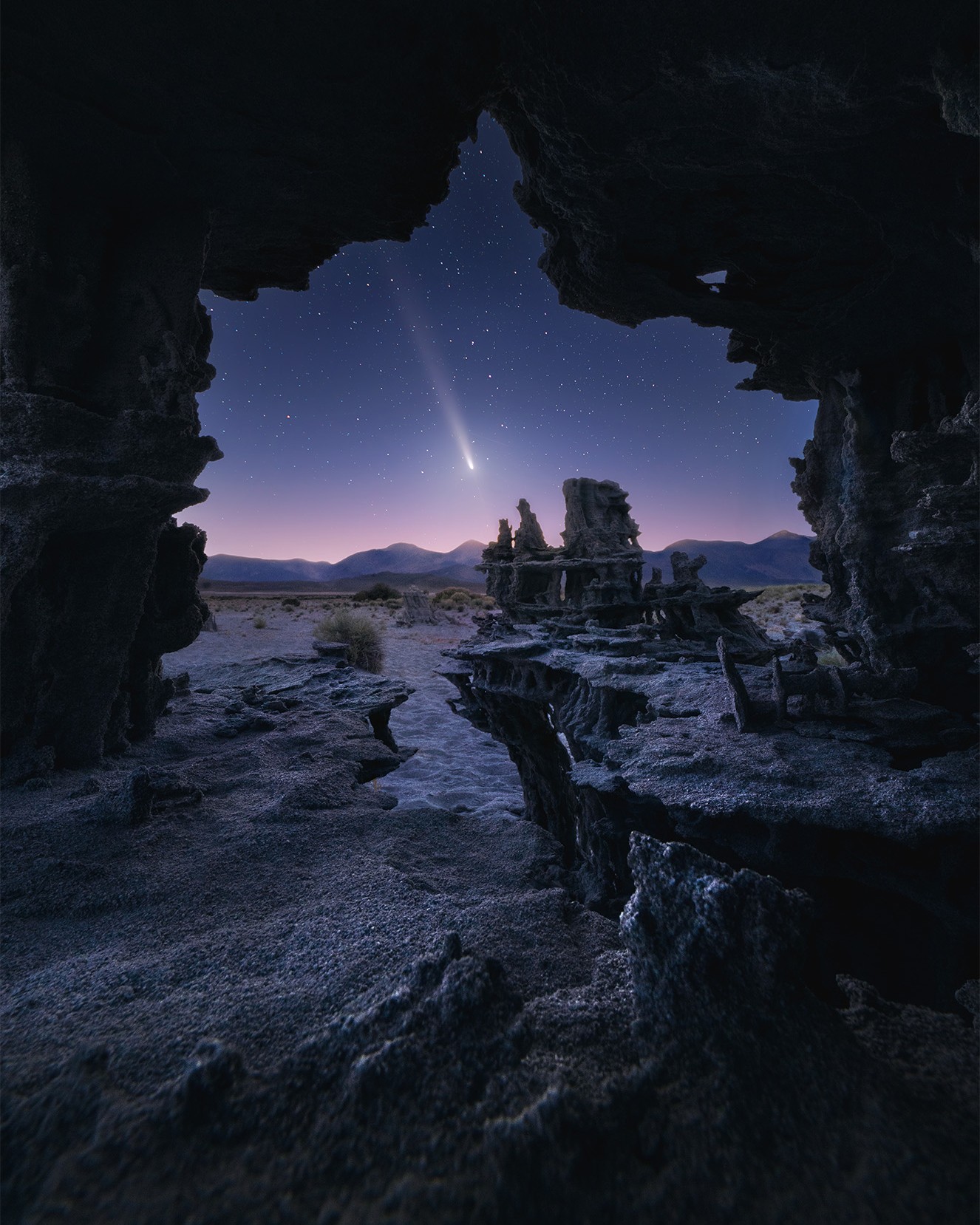
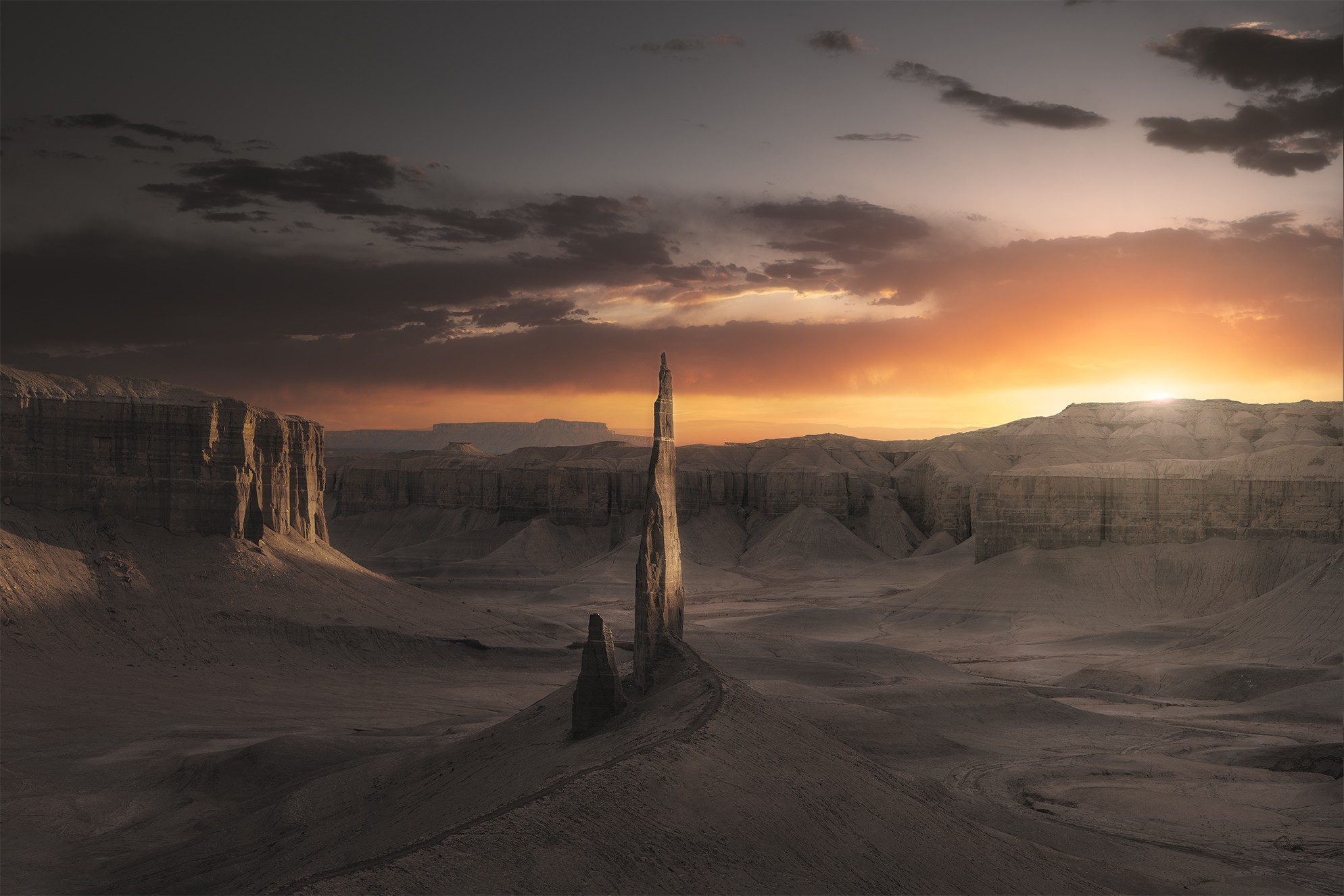
I’m a landscape photographer who specializes in creating surreal, atmospheric images. I’m especially drawn to blue hour — those quiet moments of cool light where everything feels still and dreamlike. My work blends natural environments with a creative approach shaped by my background in film and television, and sometimes that means building images from multiple moments in time to reflect the idea of a place rather than a literal record of it.
A lot of my work comes from trying to translate what I feel in a place into a photograph — not as a documentarian, but as a creative photographer trying to express something personal.
What I’m most proud of is developing a style that feels honest to who I am — images that feel like quiet worlds of their own, shaped as much by imagination as by the landscape itself.
Are there any apps, books, podcasts, blogs or other resources you think our readers should check out?
I use a few tools to help me plan — Adobe Photoshop for building, assembling, and grading my images, and Adobe’s color palette generator for extracting palettes and studying color harmony — but the most important part of my process is pre‑visualization. Sometimes that begins with music, sometimes with a color palette or an atmosphere I want to create, and those ideas guide both how I shoot and how I edit.
Another practice I rely on is revisiting the same location in different conditions. It helps me understand how a place behaves, and those experiences often give me the raw material I need to build the image I’ve already envisioned. And every so often, something unexpected will shift the direction of the photograph — a reminder that the work is always a balance between intention and discovery.
Contact Info:
- Instagram: https://www.instagram.com/ryanfidrick/