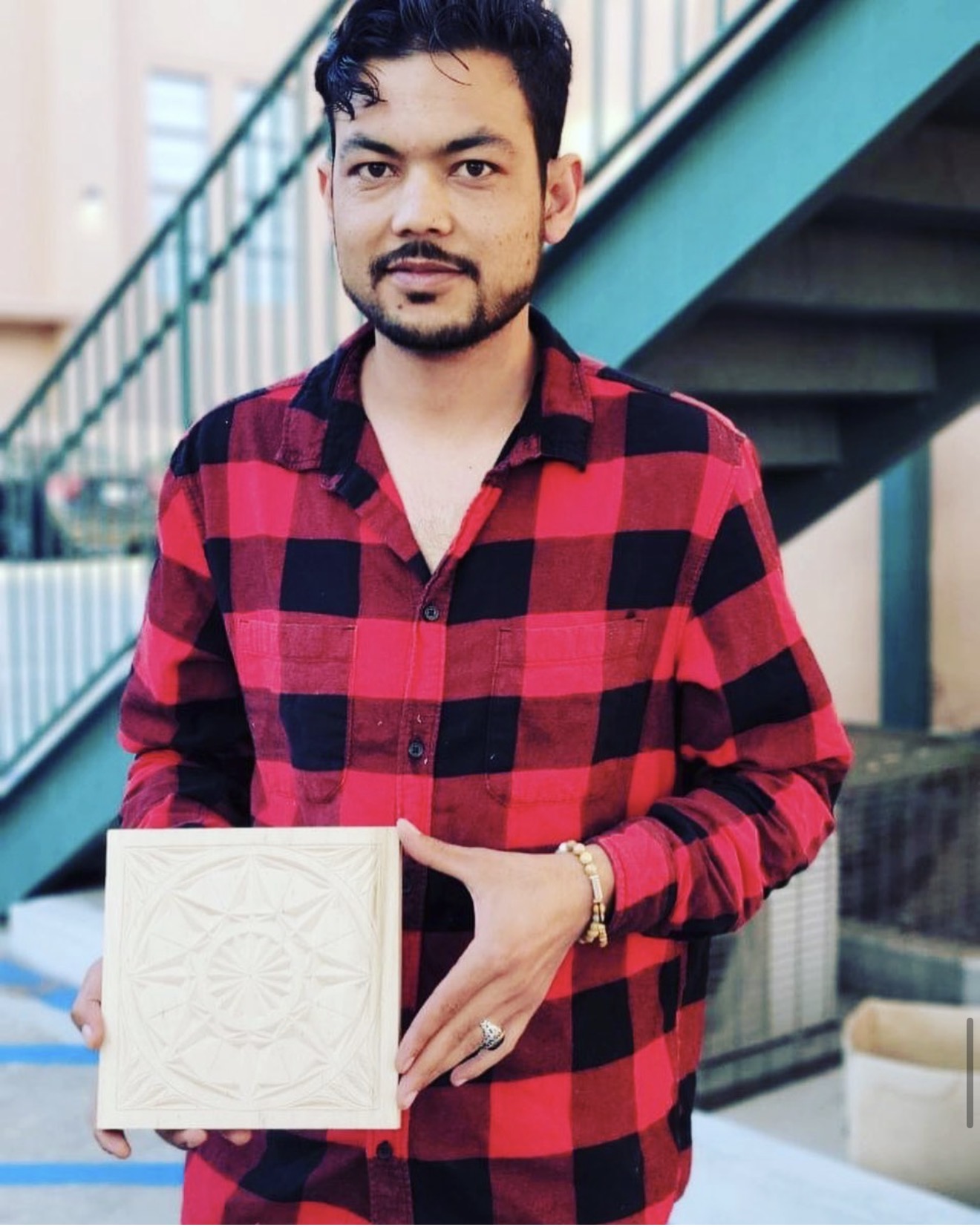



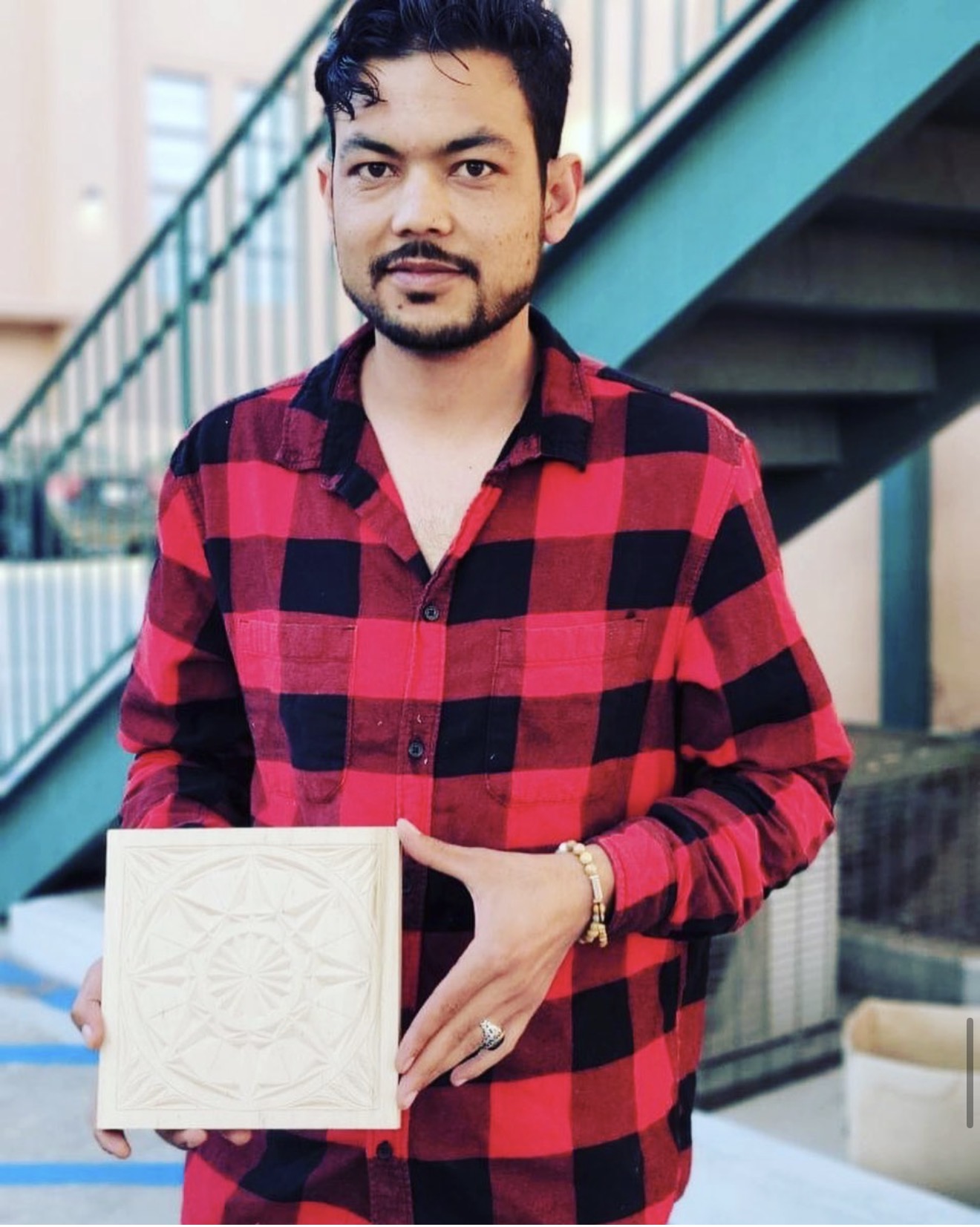
Today we’d like to introduce you to Ahmad Khalid Rauofi.
Hi Ahmad Khalid , can you start by introducing yourself? We’d love to learn more about how you got to where you are today?
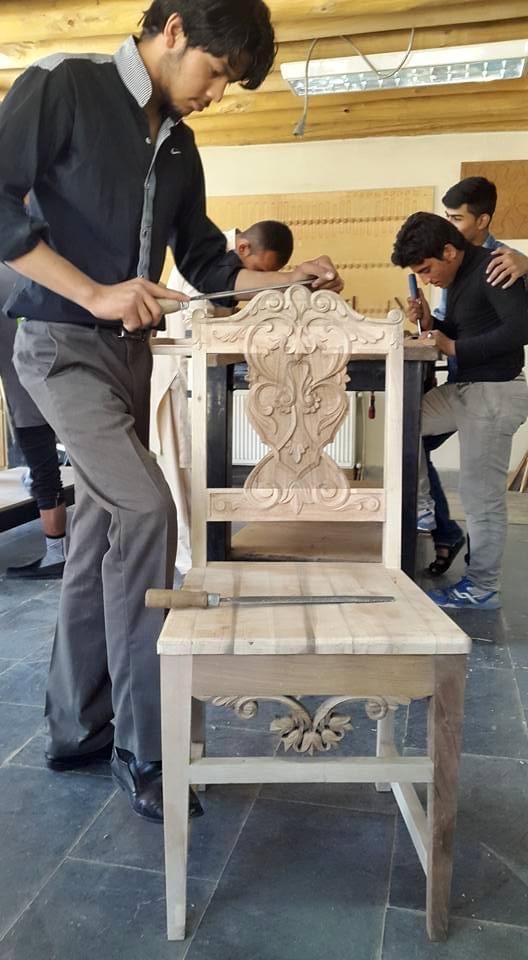
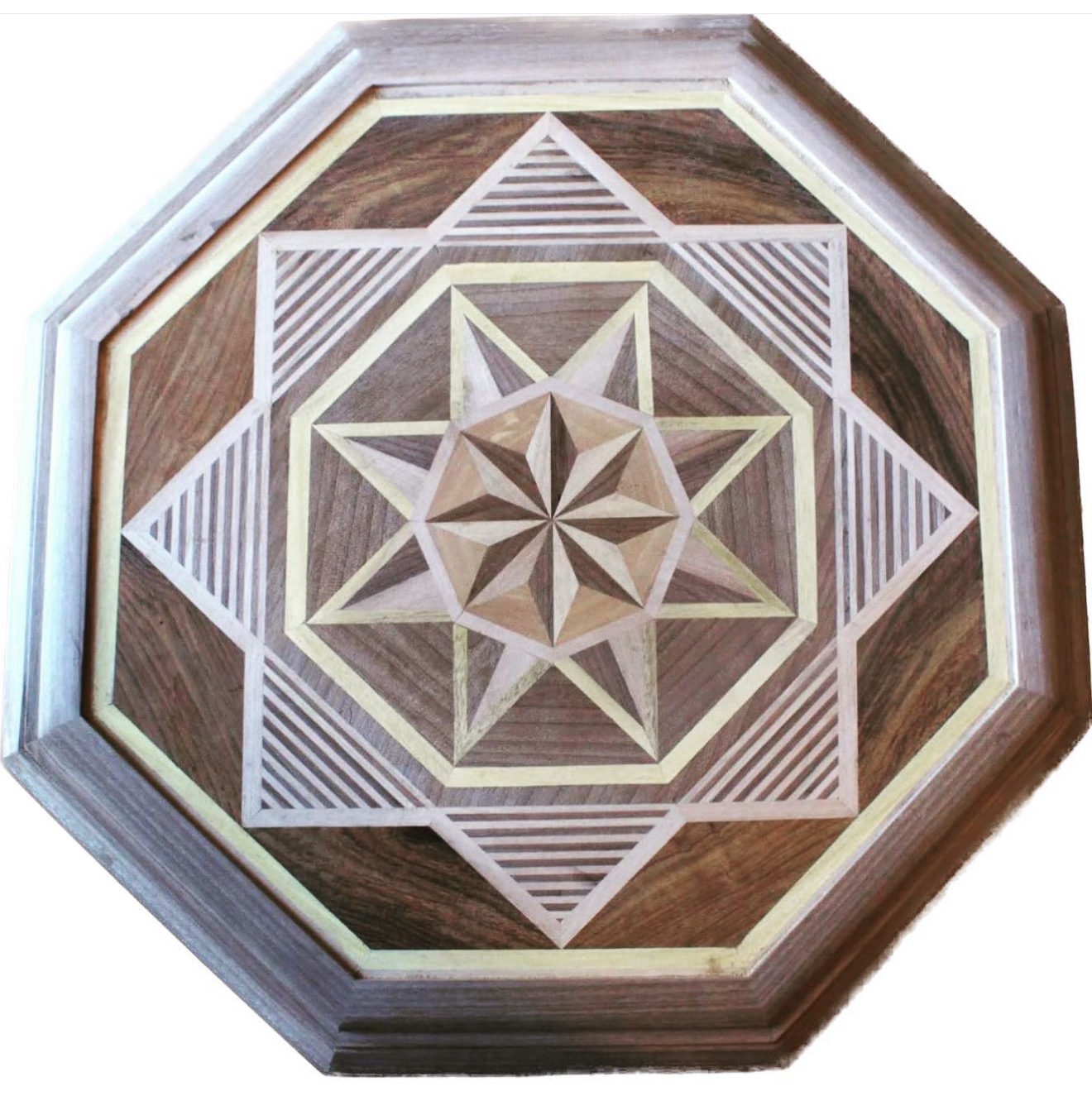
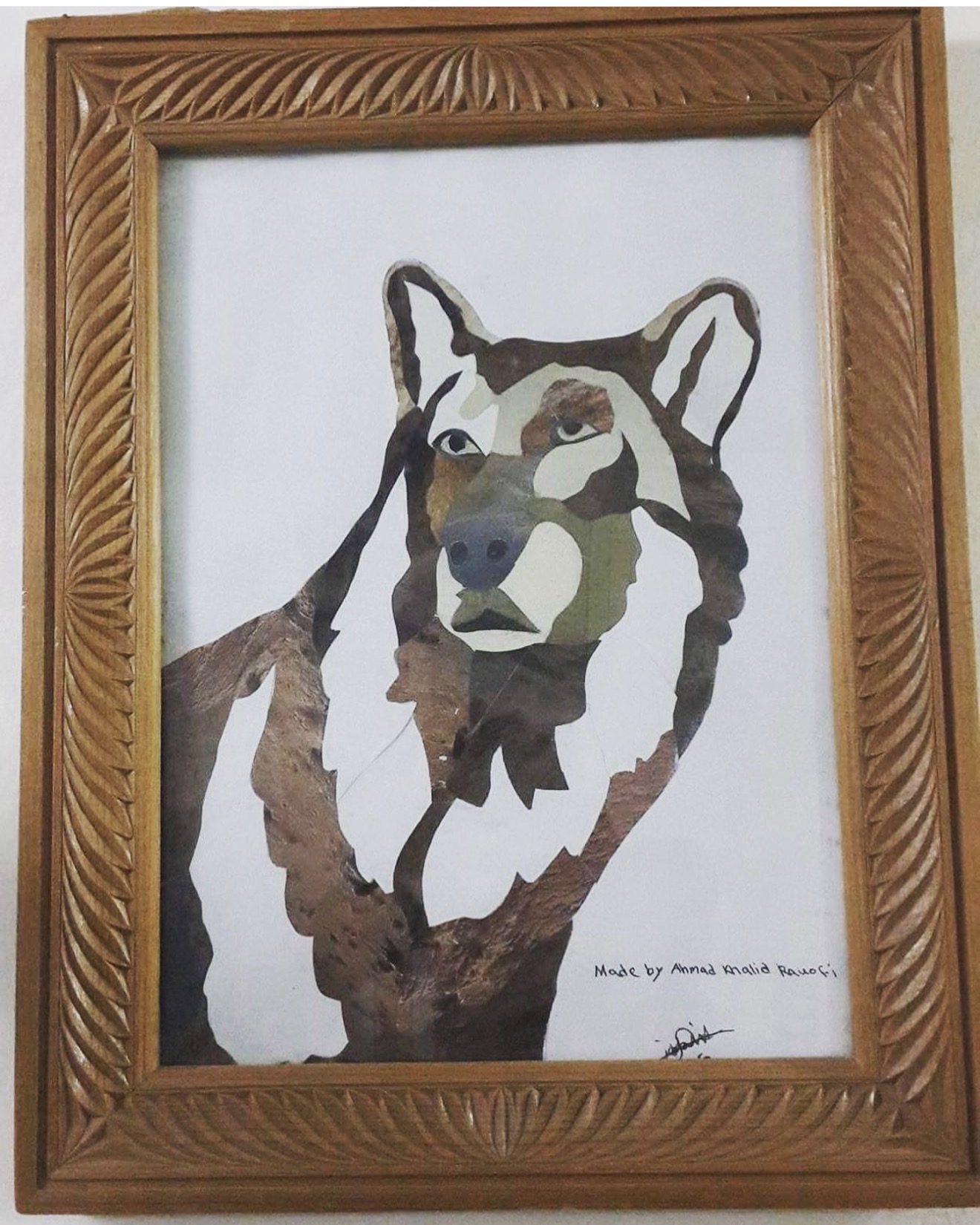
My name is Ahmad Khalid Rauofi, and I was born in 1992 in Kabul, Afghanistan. My journey into the world of art began after I graduated from high school. In 2012, I enrolled in an institute in Kabul to study traditional woodworking and decorative arts. Over the next three years, I trained in several disciplines, including carpentry, traditional Nuristani wood carving, classical carving, Khatamkari (Persian-style geometric inlay), and traditional window craftsmanship.
At the beginning of 2016, I took an important step in my career by opening my own furniture production workshop. This allowed me to turn my skills and passion into a business while continuing to develop my artistic abilities. Through my work and participation in international art exhibitions, I had opportunities to travel to countries including Uzbekistan, Turkey, India, the United Arab Emirates, and Pakistan. These experiences broadened my perspective and strengthened my commitment to preserving and sharing traditional Afghan craftsmanship.
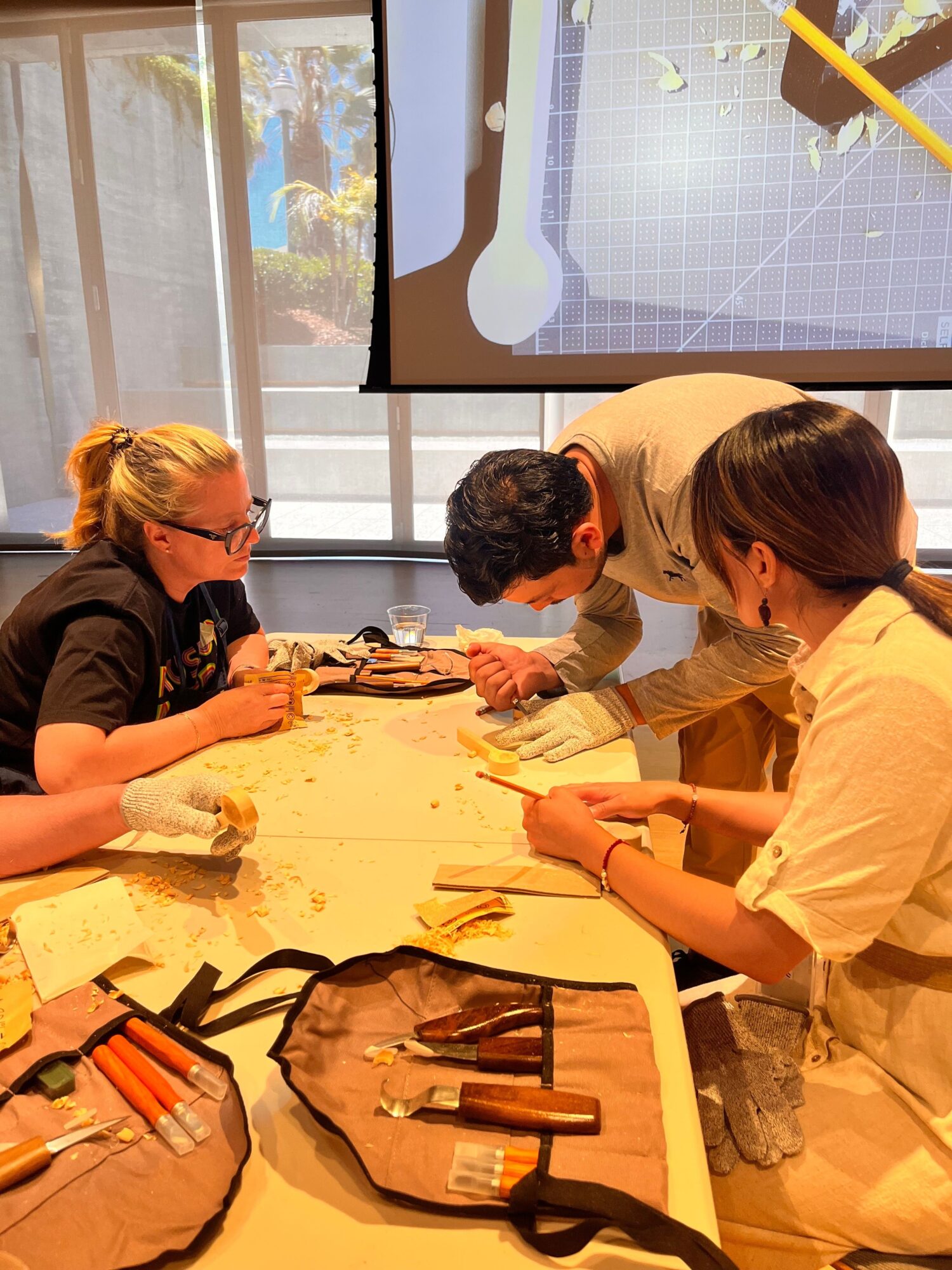
In August 2021, following the collapse of the Afghan government, I came to the United States and began a new chapter of my life. I eventually settled in San Diego, California, where I taught traditional Nuristani wood carving through programs at UC San Diego and the San Diego Craft Collective. Teaching allowed me to share not only the techniques of this unique art form but also the cultural history and traditions behind it.
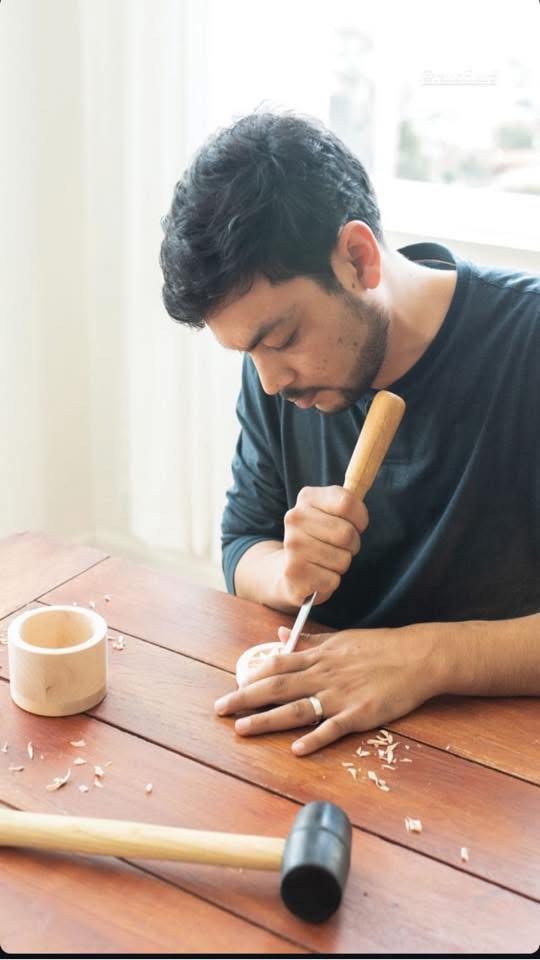
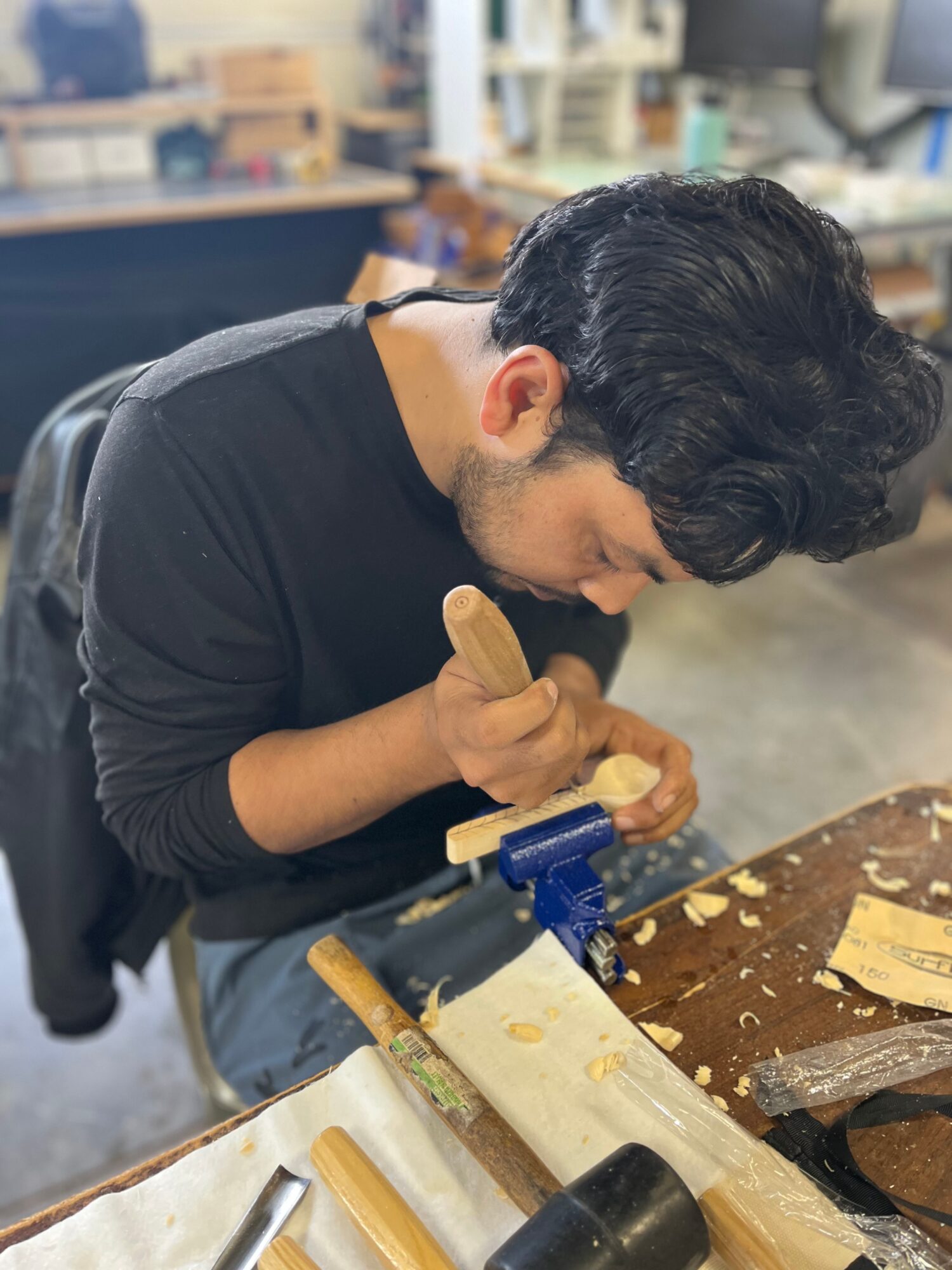
Today, I live in Portland, Oregon, where I continue to pursue my passion for art, education, and entrepreneurship. I organize monthly wood-carving workshops in Portland and Bend, Oregon, giving people the opportunity to learn traditional hand-carving techniques and create something meaningful with their own hands.
In June 2026, I also opened Liya Boutique, a clothing store offering traditional and cultural clothing. Although this business is different from my work as an artist, it reflects another part of my passion for preserving cultural identity and sharing the beauty of different traditions with the community.
Along this journey, I have also built a family in the United States. My wife and I have two children, Liya and Ahmad Hayyan, who are an important part of my life and my motivation to keep moving forward.
My greatest dream is to establish a large art school where people from different backgrounds can learn traditional and contemporary arts, discover their creativity, and connect with cultural heritage. I want to preserve the traditional art of Afghanistan, especially Nuristani wood carving, and pass these skills on to future generations so they will not be lost.
My journey from Kabul to the United States has brought many challenges and changes, but art has remained a constant part of who I am. I believe that art can connect people across cultures, preserve history, and create opportunities for future generations. That belief continues to guide everything I do.
Alright, so let’s dig a little deeper into the story – has it been an easy path overall and if not, what were the challenges you’ve had to overcome?
No, the road has not always been smooth. Like many people who have had to leave their homeland and rebuild their lives in a new country, I have faced many challenges along the way.
In 2021, I came to the United States during the evacuation of Afghans following the collapse of the Afghan government. Leaving Afghanistan meant leaving behind my work, my artistic career, and the life I had spent years building in Kabul. Starting over in a new country was not easy, especially when I had to find new opportunities and rebuild my professional life.
Although I had years of experience in traditional woodworking and had established my own furniture workshop in Afghanistan, I had to begin a new chapter in the United States. I worked hard to introduce my art and cultural heritage to new communities, including teaching traditional Nuristani wood carving in San Diego before moving to Portland, Oregon.
Building a new life, raising a family, and starting businesses in a new country have all come with challenges. However, I have never wanted to give up on my passion for art or my dream of preserving Afghan cultural traditions.
These experiences have taught me patience, resilience, and the importance of hard work. My family and my love for traditional art continue to inspire me. My greatest goal is to establish a large art school where I can teach others, preserve traditional Afghan craftsmanship, and pass this valuable cultural heritage on to future generations.
Can you tell our readers more about what you do and what you think sets you apart from others?
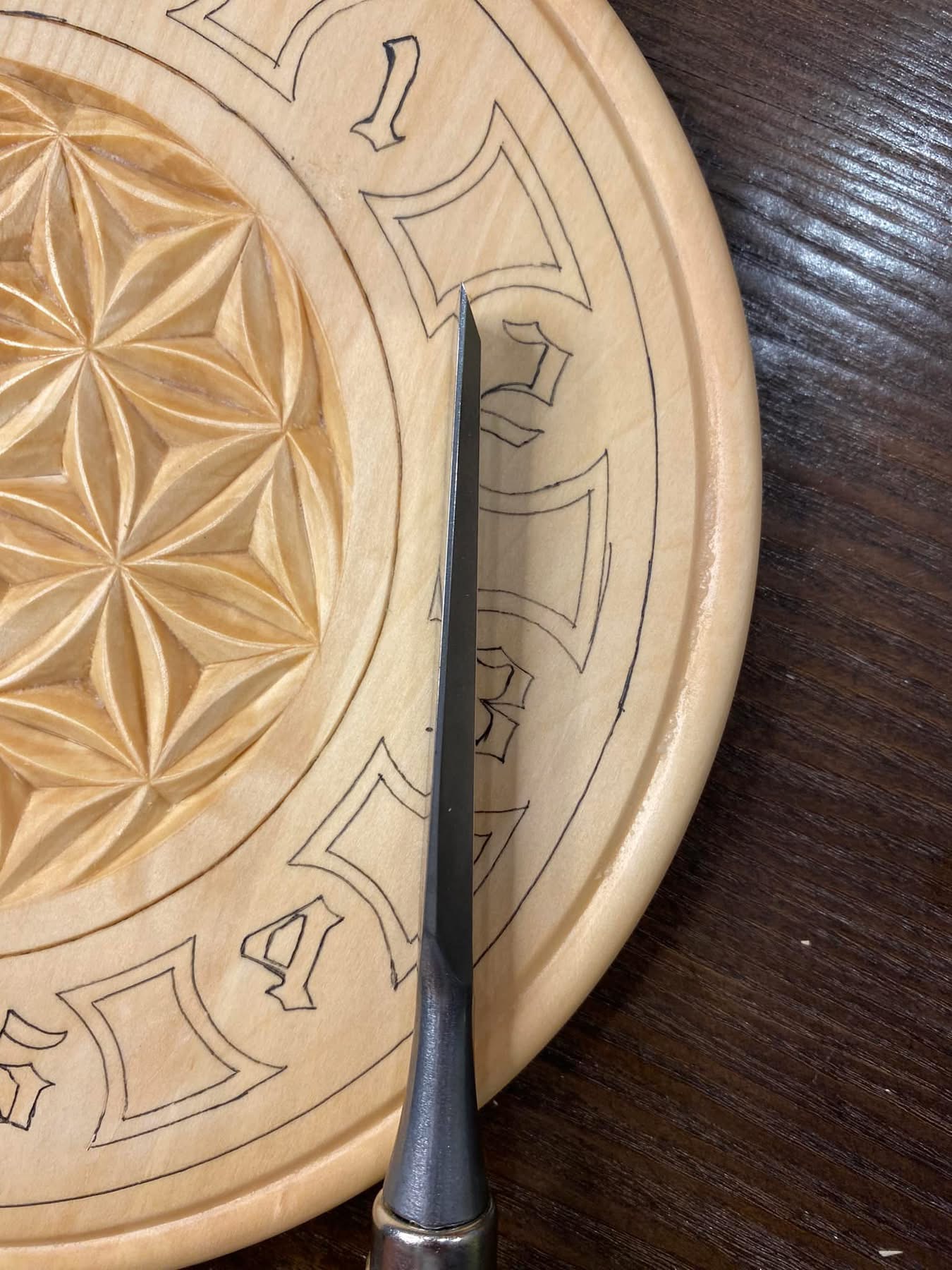
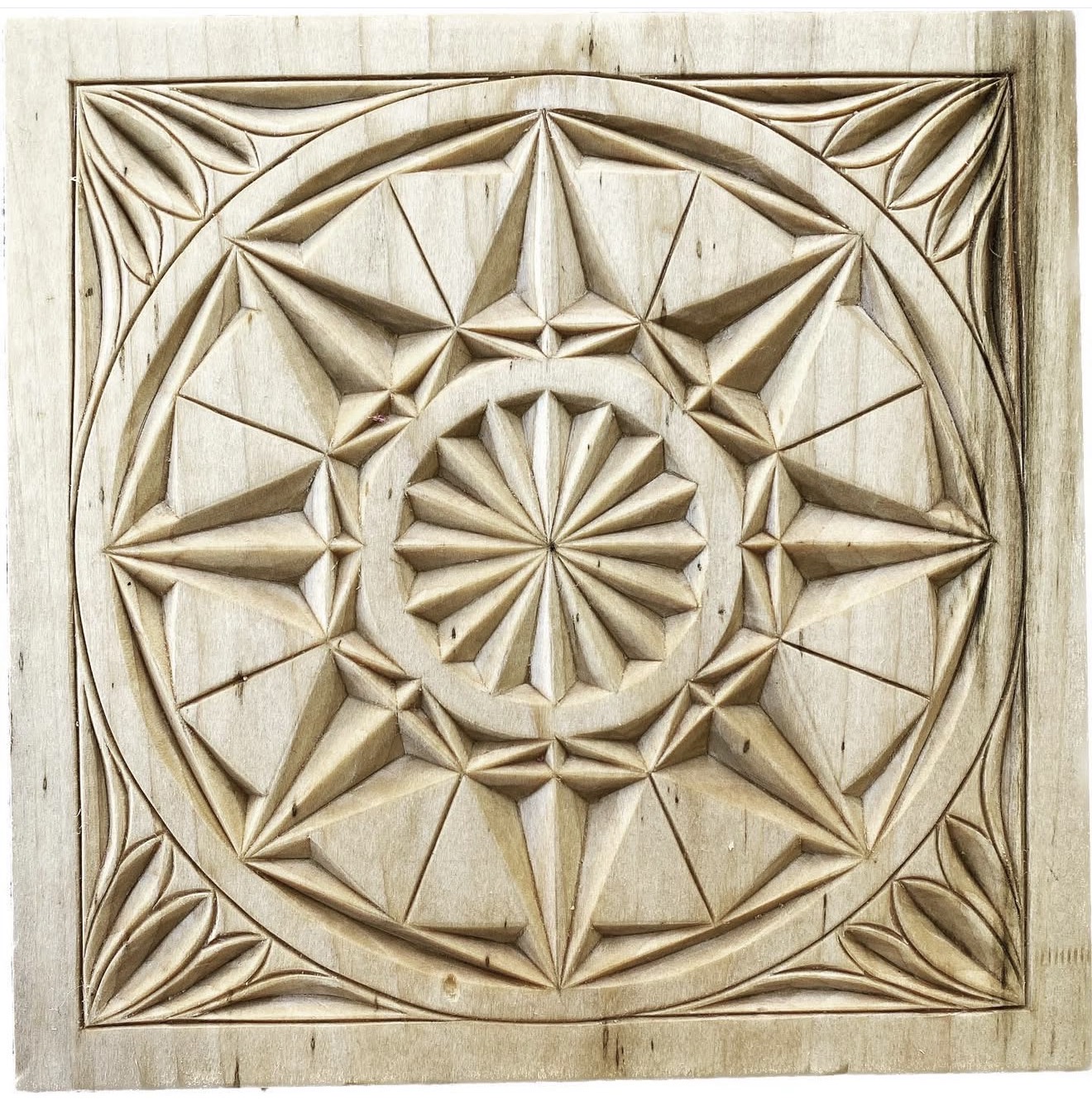
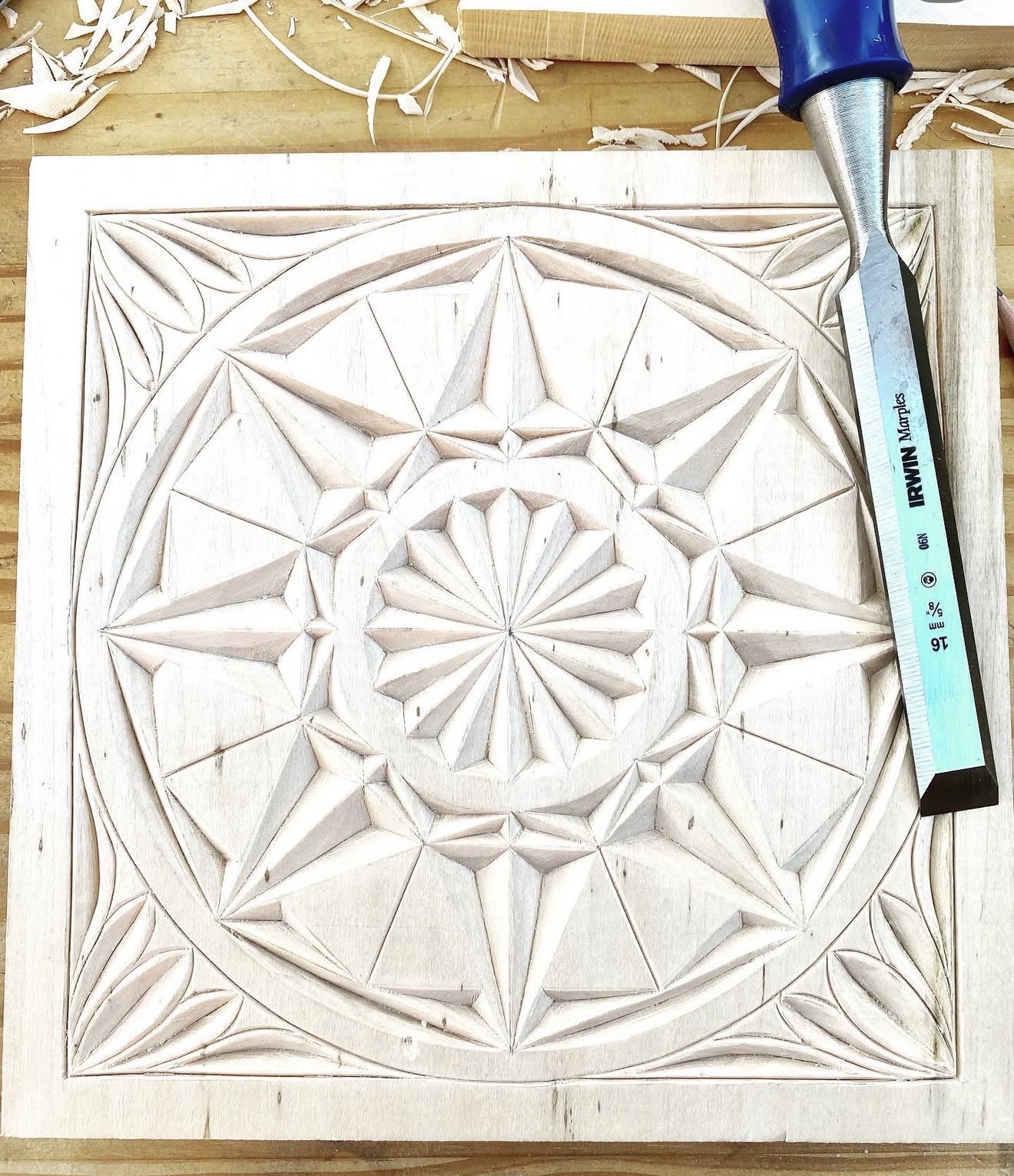
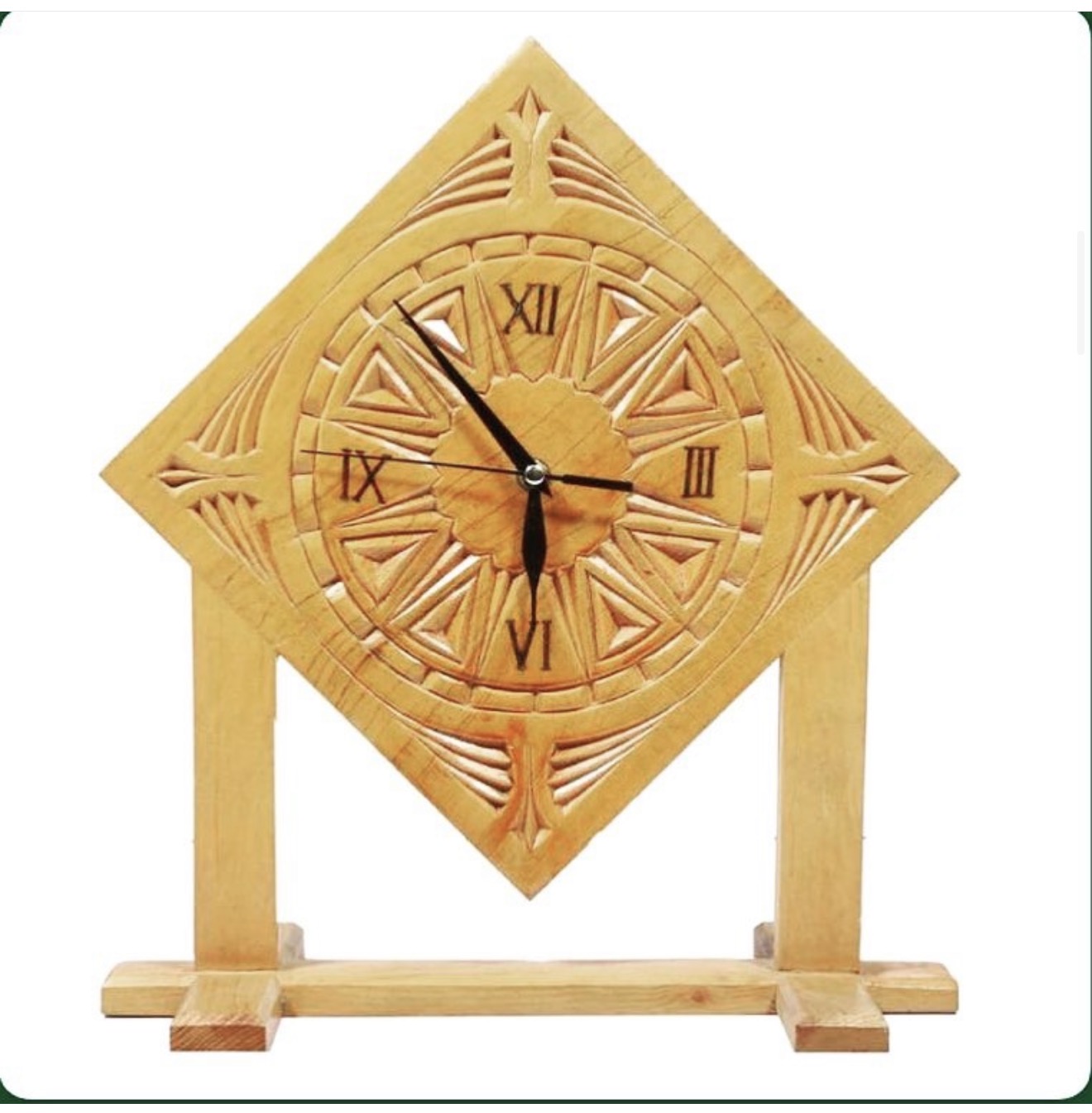
I am an Afghan artist and woodcarver specializing in traditional Nuristani wood carving, classical wood carving, Khatamkari, and other traditional woodworking techniques. My work is deeply connected to the cultural heritage of Afghanistan, and I am passionate about preserving these art forms and sharing them with new generations.
I began my professional training in Kabul, Afghanistan, in 2012 and spent years developing my skills. In 2016, I opened my own furniture production workshop, where I combined traditional craftsmanship with practical woodworking. Throughout my career, I also participated in international art exhibitions and traveled to several countries, sharing my experience and learning from other cultures.
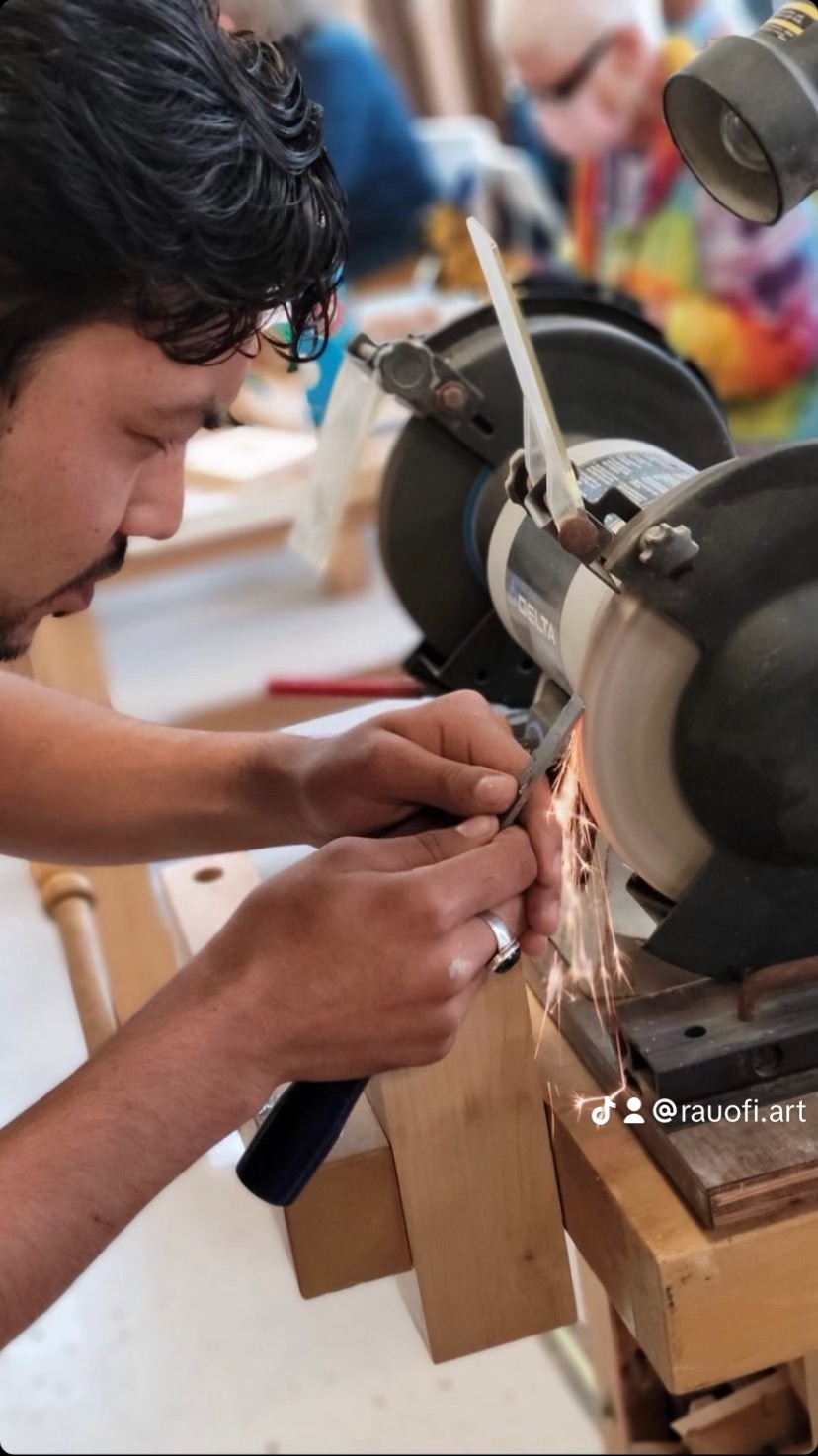
After coming to the United States in 2021, I continued my work as an artist and educator. In San Diego, I taught traditional Nuristani wood carving through programs at UC San Diego and the San Diego Craft Collective. Today, in Portland, Oregon, I organize wood-carving workshops and teach people how to create beautiful pieces using traditional hand tools.
What I am most proud of is being able to keep a unique part of Afghan cultural heritage alive and introduce it to people from different backgrounds. Nuristani wood carving is more than decoration; it carries history, identity, and generations of artistic knowledge.
What sets me apart is the combination of my cultural background, professional experience, and commitment to teaching. I do not simply create objects from wood; I share the stories, traditions, and meaning behind the art. My long-term dream is to establish a large art school where people can learn traditional crafts, explore their creativity, and help preserve valuable artistic traditions for future generations.
Risk taking is a topic that people have widely differing views on – we’d love to hear your thoughts.
I believe that taking risks is an important part of growth, especially when you have a dream that is bigger than your current circumstances. For me, taking a risk does not mean acting without thinking. It means having the courage to move forward even when the outcome is uncertain.
One of the biggest risks I took was opening my own furniture production workshop in Kabul, Afghanistan, in 2016. I invested my time, energy, and resources into building a business around my skills and passion for traditional woodworking. It was a major responsibility, but I believed in my abilities and wanted to create something of my own.
Another life-changing experience was coming to the United States in 2021 during the evacuation of Afghans. I had to leave behind much of the life and professional career I had built in Afghanistan and start again in a new country. I did not know exactly what the future would look like, but I knew I had to keep moving forward and find a way to continue my art.
Starting businesses and teaching traditional wood carving in the United States have also required courage and a willingness to step into the unknown. Every new beginning brings uncertainty, but I have learned that staying in one place out of fear can mean missing important opportunities.
My approach to risk is to think carefully, understand what I may lose, and consider what I could gain. I also believe that some of the most meaningful risks are the ones we take not only for ourselves, but for our families, our communities, and the future of our cultural heritage.
I am proud that I have continued pursuing my dreams despite the challenges. My goal is to build a large art school where I can preserve Afghan traditional arts and teach future generations. I know that reaching this goal will require more risks, hard work, and patience, but I believe that a meaningful dream is worth working toward, even when the path is uncertain.
Pricing:
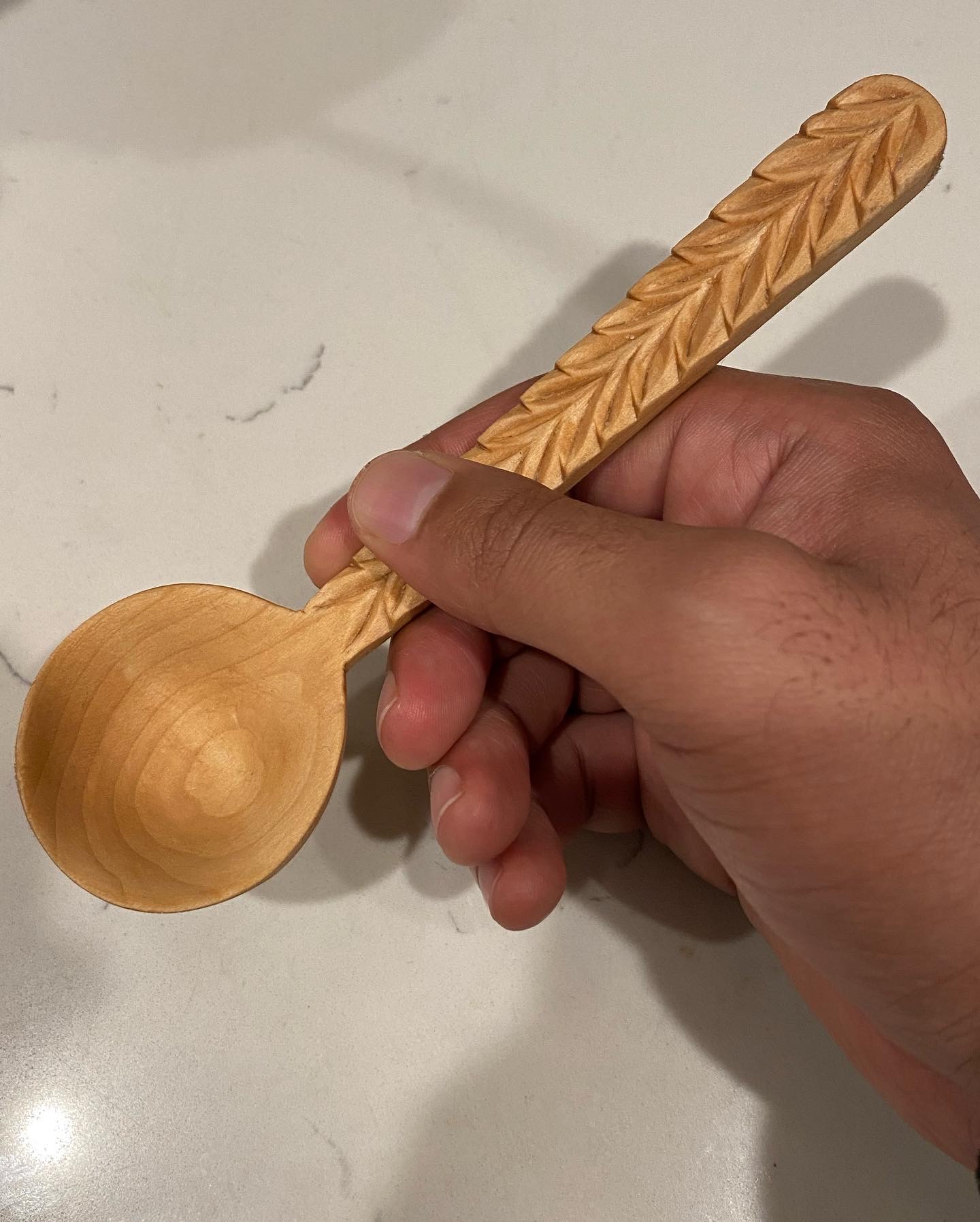
- * Traditional wood-carving workshops: $100 per participant for a 3-hour class. * Participants receive a take-home wooden spoon they carve themselves and a set of carving tools provided by the instructor. * Workshops are held in the Portland, Oregon area, with occasional classes in Bend, Oregon. * Private or group workshops may be available upon request.
Contact Info:
- Instagram: @RAUOFI.ART.SCHOOL
- Facebook: @Rauofi art school
- Youtube: @Rauofiart