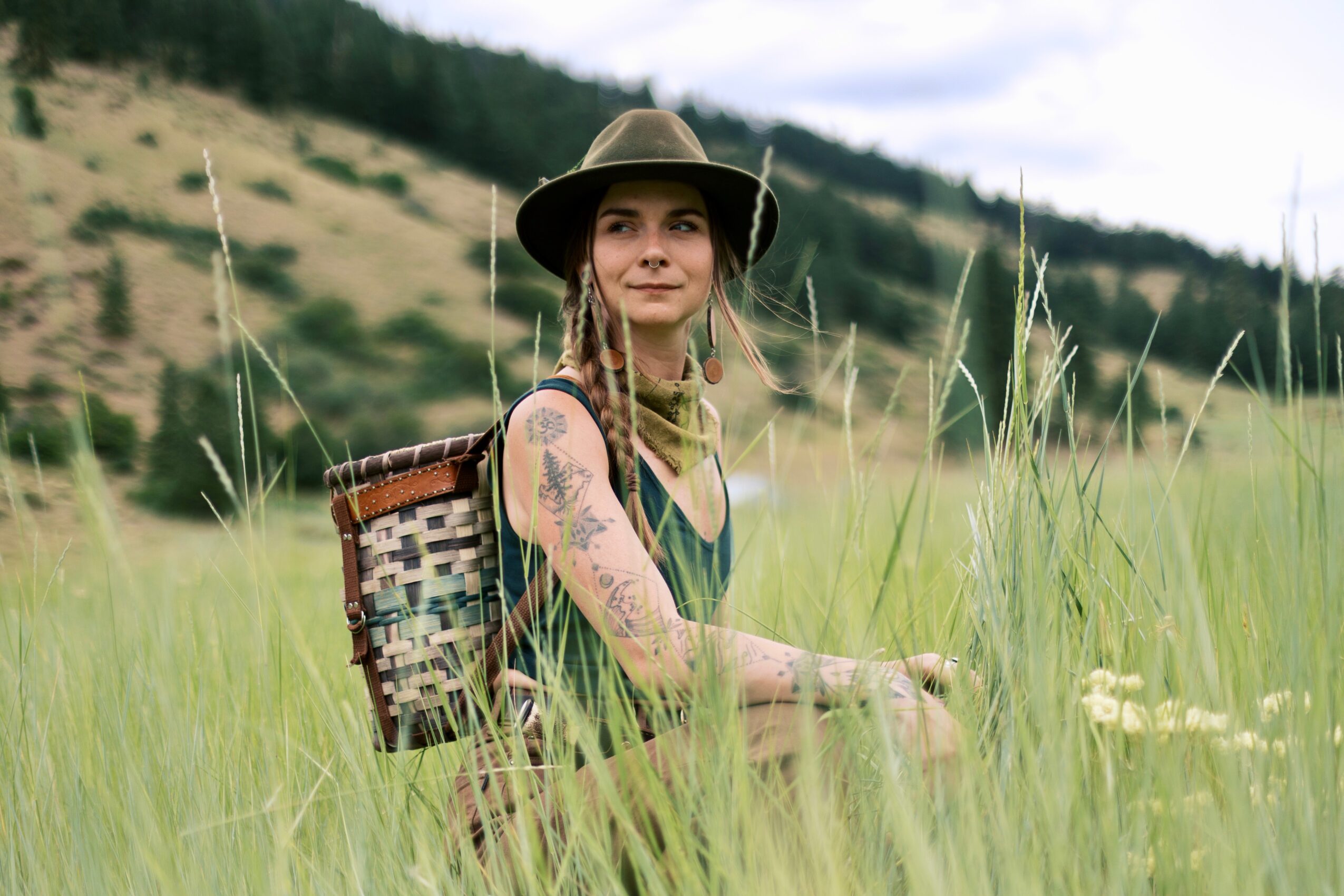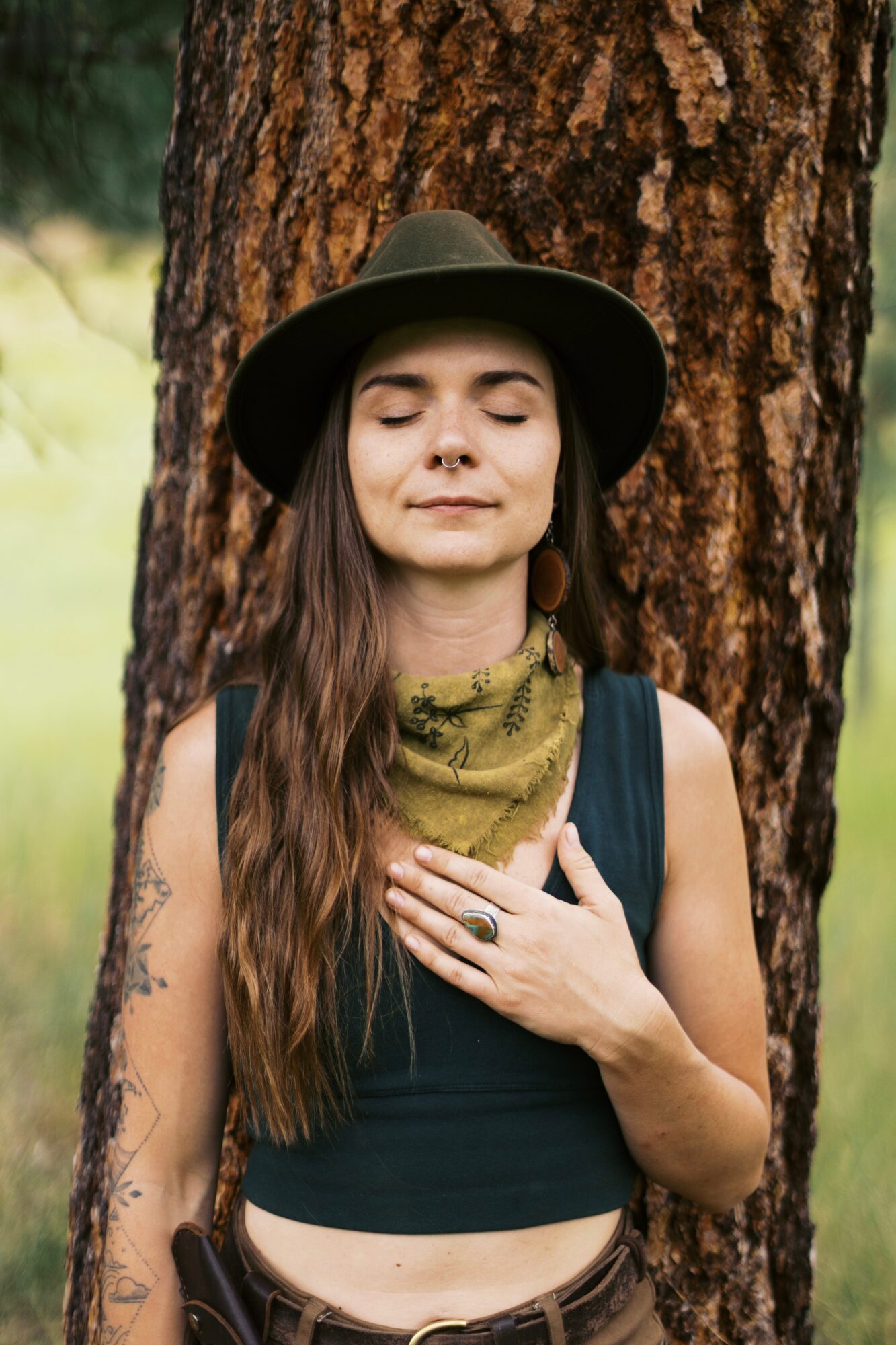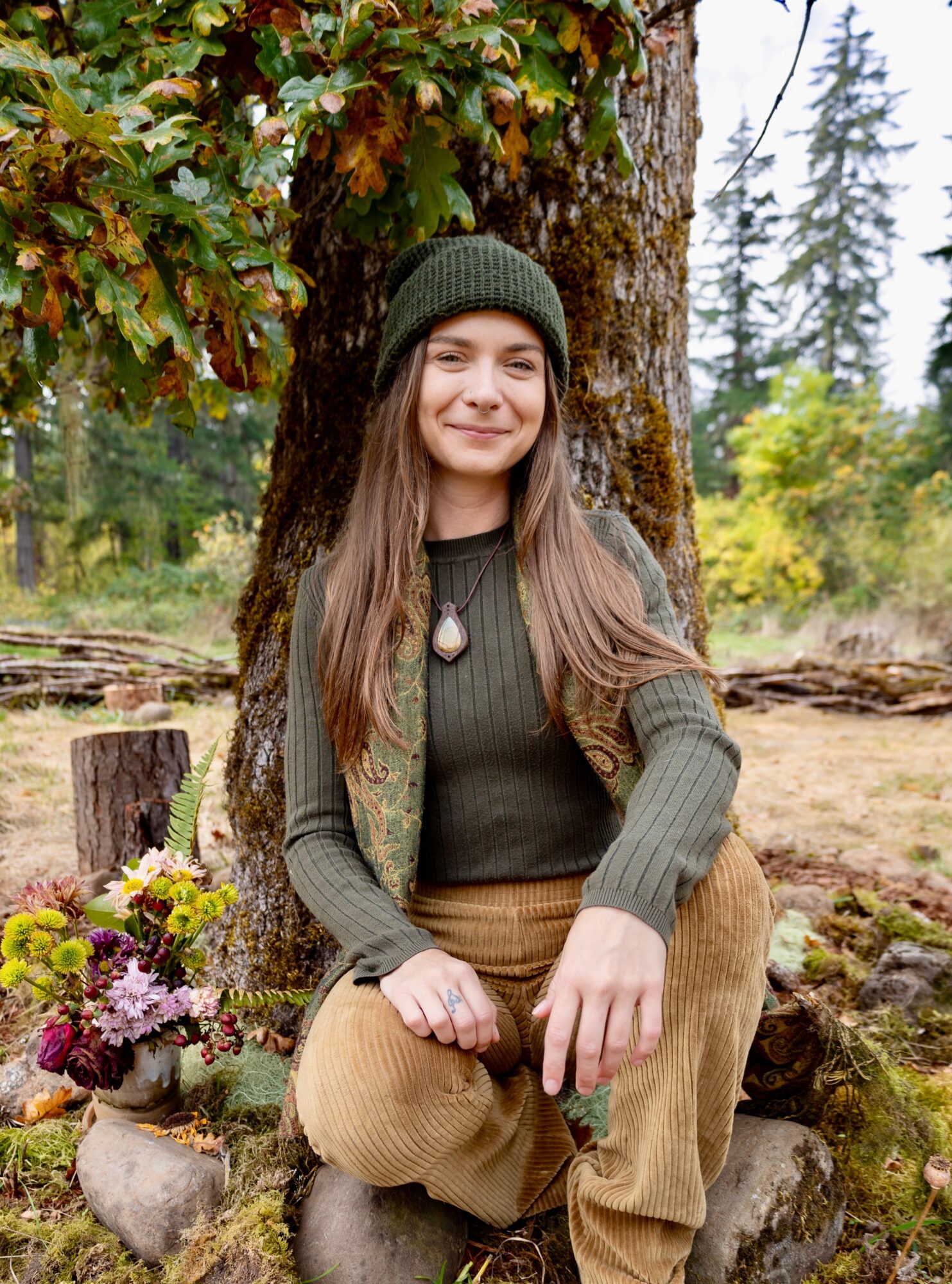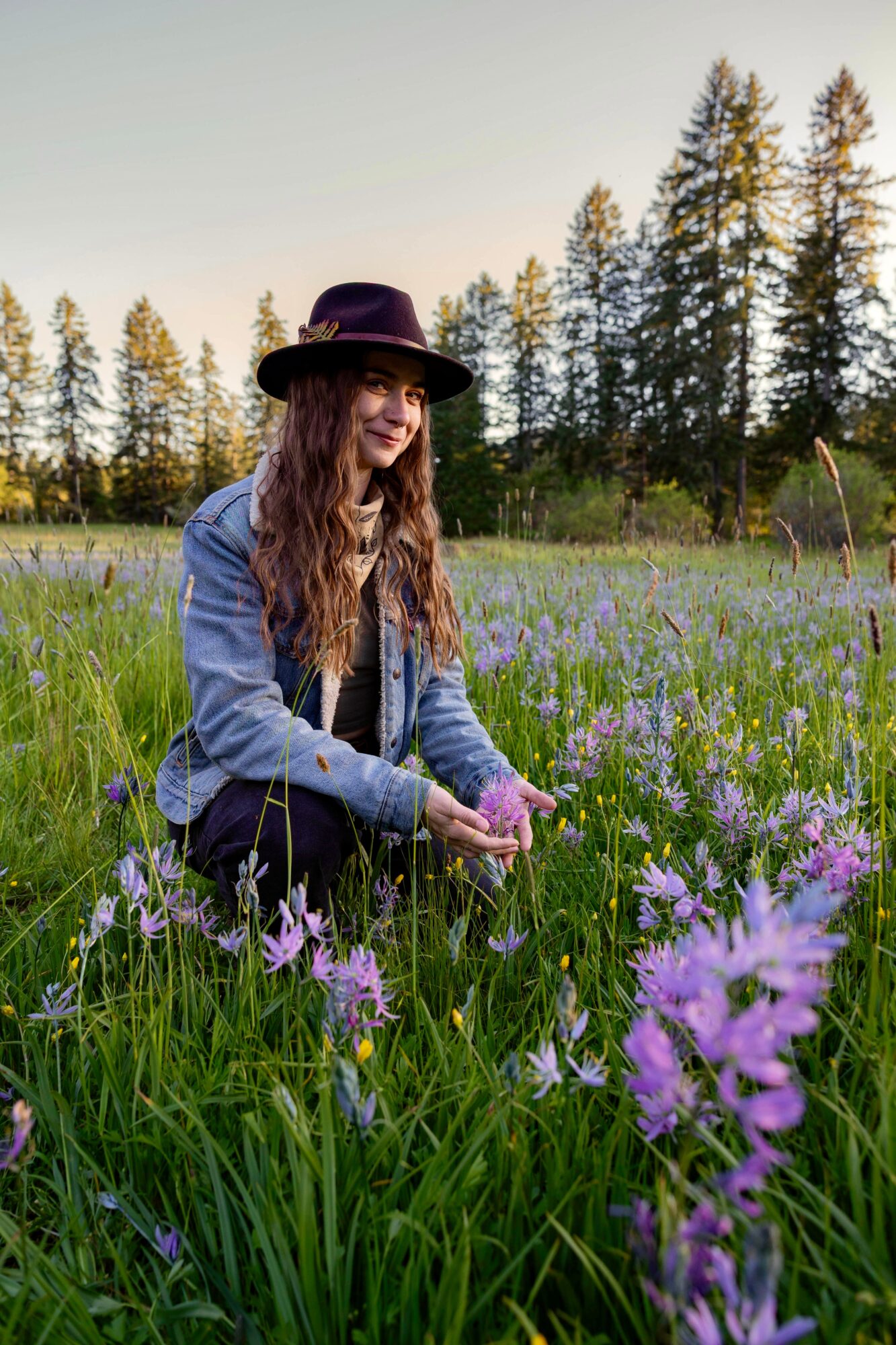



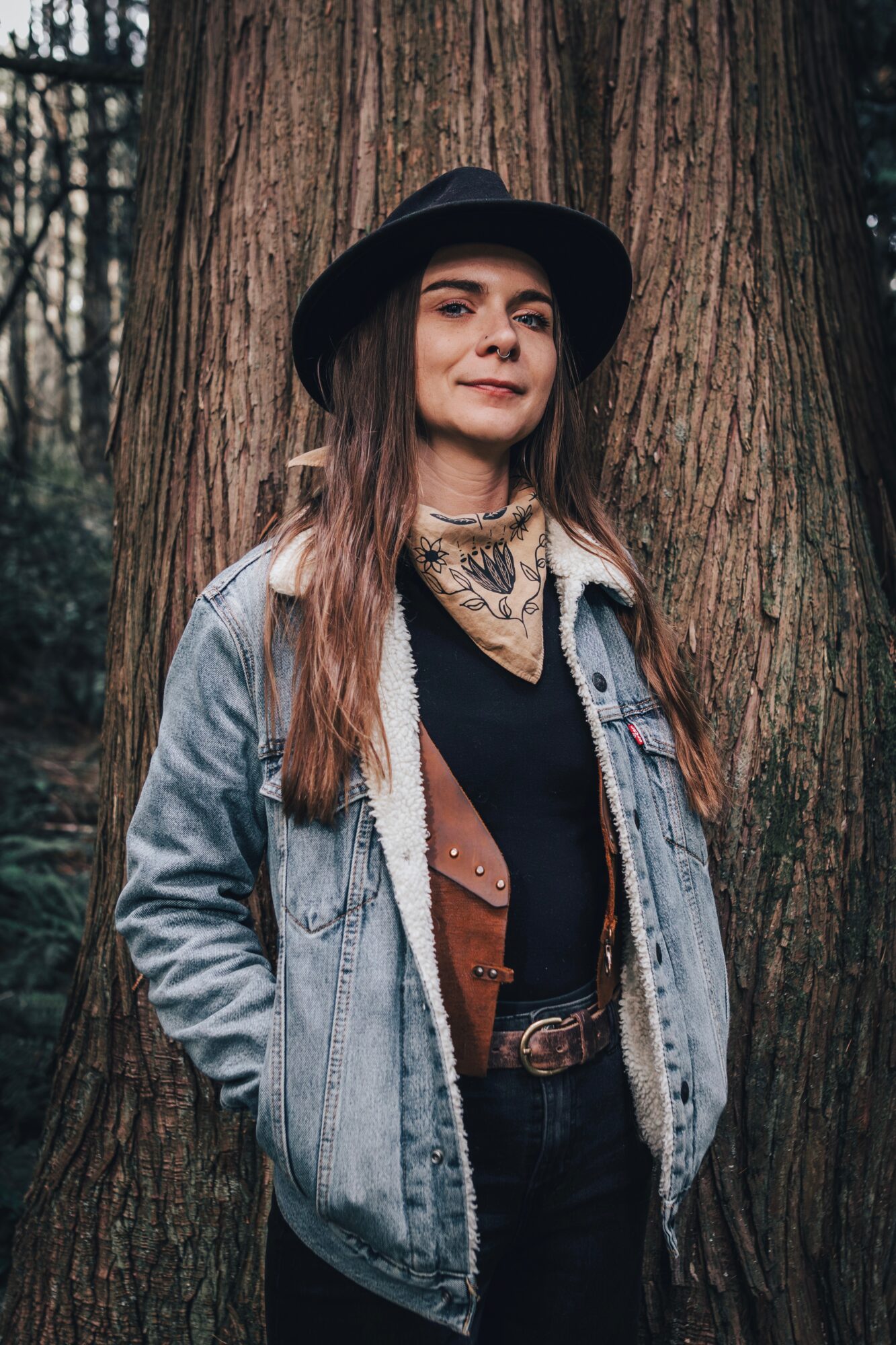
Today we’d like to introduce you to Ashley Bonn.
Hi Ashley, thanks for sharing your story with us. To start, maybe you can tell our readers some of your backstory.
I grew up in Missouri and moved to Oregon in 2016, when I was 23. I was drawn to the mountains, the ocean, and the culture of sustainability here. Looking back after a decade, that move opened the door to the relationships and experiences that shaped my life’s work.
For much of my life, I’ve felt like a black sheep or an outsider, someone finding my own way and searching for where I belonged. I’ve often been a lone wolf, and while that independence has shaped me, so has the longing for deeper connection. That experience is a big part of what brought me to this work. I know how meaningful it is to feel welcomed, seen, and valued, and I want to help create spaces where people can find that sense of belonging, share their gifts, and build relationships that carry into their everyday lives.
Music has also been a big part of my journey. I worked at music venues, volunteered at festivals, and loved seeing the Grateful Dead and being part of the community surrounding the music. I was drawn to the creativity, friendships, and sense of belonging that could grow around a shared musical experience. Working and volunteering behind the scenes also introduced me to the coordination and collective effort that make those experiences possible.
My undergraduate background was in business, marketing, and international studies. At Portland State University, I pursued a master’s degree focused on leadership for sustainability education, alongside nonprofit management studies. I wanted to understand how education and community organizing could help us respond to the ecological and social challenges we face.
During that time, I began working with the City Repair Project and became Program Coordinator for its annual Village Building Convergence. I also apprenticed in their Urban Permaculture Design Course. Those experiences were foundational. Through neighborhood projects, public art, ecological design, and collaborative gatherings, I experienced how people can transform the places they live by building relationships and creating something together.
Permaculture gave me a framework for understanding the connections between ecological health and community well-being. I became especially interested in its social dimensions: how we organize, share resources, make decisions, and care for one another. That exploration became part of my graduate thesis and helped seed the vision for Conscious Growth. My experiences in music and festivals brought another piece of that vision: the power of art and celebration to connect people and inspire participation.
I founded Conscious Growth, which became a 501(c)(3) nonprofit in 2020, to bring together ecological education, cultural regeneration, and community connection. Later that year, we transformed a vacant Portland yoga studio into E.A.R.T.H. Space PDX, with a community gathering space, art gallery, outdoor classroom, and permaculture backyard. It was an early opportunity to put those ideas into practice.
In 2021, we held the first Conscious Growth Convergence. Over the years, the gathering has grown through collaboration with an incredible network of artists, educators, Indigenous cultural leaders, organizers, and volunteers. Our recent 2026 gathering at Lost Valley Education Center sold out, bringing people together around music, ecological learning, ancestral skills, ceremony, and cultural exchange. For me, the Convergence brings together so many of the threads that have shaped my life.
Alongside this work, I founded Cascadia Culture, through which I produce events and support artists, gatherings, and community-centered projects with coordination, booking, marketing, and storytelling. That work has included the Turtle Island Bioregional Congress, events at Rhythm Seed Farm, and collaborations with Revival Gatherings. It allows me to bring my creative and organizational skills into a wider network of projects throughout the region.
I’ve come to understand my role as a community weaver. I connect people across different circles, help ideas find collaborators, and tend the practical details that allow a shared vision to take shape. Conscious Growth and Cascadia Culture are interconnected expressions of that work. The relationships built through one often create possibilities for the other, and both depend on people bringing their gifts together.
Today, I’m developing Conscious Growth’s 2027 ReVillaging Program, creating more sustained opportunities for land-based learning, practical skills, and community building. Through visits to farms, ecovillages, and regenerative community projects across Cascadia, alongside online integration circles, we’ll explore how to become people of place, deepening our relationships with the landscapes we inhabit and building the skills to nurture resilient communities.
Throughout it all, I’ve learned that resilience is relational. The relationships we nurture with one another and with the land are the foundation of what we can build together.
We all face challenges, but looking back would you describe it as a relatively smooth road?
It definitely hasn’t been a smooth road. As a teenager, I struggled with feeling like an outsider, and that sometimes showed up through drinking and getting into fights. It’s a vulnerable part of my story, but finding purpose and connection has been a journey for me. Those experiences helped shape my desire to create spaces where people feel welcomed, valued, and able to build meaningful relationships. I’m still learning how to find my own place within the communities I help bring together, and how to receive support while being someone others rely on.
One of the biggest challenges has been making this work financially sustainable. Community-centered events and nonprofit programs require an enormous amount of time, coordination, and resources, much of it before any revenue arrives. There have been many seasons of unpaid labor and personal financial uncertainty.
I’m learning that caring for a community also means building an organization that can sustain the people doing the work, including me. That has meant asking for help, seeking donors and partners, setting clearer boundaries, and being honest about what we can realistically hold.
There are relational challenges, too. Bringing people together means working with different needs, expectations, communication styles, and visions. Shared values don’t automatically make collaboration easy. I’m continually learning how to navigate conflict, communicate clearly, and balance care for relationships with the responsibility of making difficult decisions.
Through all of it, I’ve had to reconsider what success looks like. I care deeply about the experiences we create, but I also want the work to support a healthy, sustainable life. I’m still figuring that out. What keeps me going is witnessing the relationships that grow from these spaces: people finding collaborators, friendships, inspiration, and a stronger sense of belonging. Those connections remind me why I started and help me keep learning how to do this work with greater care.
Alright, so let’s switch gears a bit and talk business. What should we know about your work?
Wisdom Weaver is a personal and creative expression of my work, connecting threads of ancestry, ecology, and spirit in the web of life. I think of it as rewilding folk culture through Earth-based wisdom: exploring how craft, story, seasonal practices, and relationships with land can become meaningful parts of our everyday lives.
Through this project, I’m writing articles on my Substack, deepening my practice of ancestral skills, and developing weaving and ancestry workshops. Writing gives me space to reflect on what I’m learning and share the questions guiding me: What does it mean to belong to a place? How do we build relationships with our ancestry, including the parts we know little about? What traditions do we want to carry forward, and what are we creating for future generations?
A year ago, I went on a pilgrimage to Scotland as part of my own exploration of ancestry and relationship with place. That journey continues to inform my creative work and my desire to learn through direct experience. I’m interested in how learning a craft, spending time with a landscape, or listening to a story can deepen our understanding of where we come from and how we want to live.
Weaving has become both a physical practice and a way of understanding my role in community. Individual threads come together to create something that none could hold alone. That feels closely connected to the work I do bringing people, ideas, and offerings into relationship.
In my workshops, I want to bring hands-on creativity together with reflection and storytelling, giving people space to explore their own connections to ancestry and place while making something tangible. My teaching is growing alongside my continued learning, with care for the origins of the practices I share.
What I’m most proud of is seeing connections continue beyond the spaces I help create: friendships that deepen, artists who begin collaborating, and people who find the confidence to share their gifts. Those relationships are a collective accomplishment, and I’m grateful to play a part in helping them take root.
What feels distinctive about my approach is the connection between my work as a producer and my own creative practice. I bring experience coordinating large gatherings alongside a love of intimate, hands-on learning and personal storytelling. Through Wisdom Weaver, I’m stepping more intentionally into the community weaver archetype, exploring how the threads of our lives can become a source of belonging, creativity, and care.
We all have a different way of looking at and defining success. How do you define success?
For me, success means creating a life that feels connected to my values, where I can do meaningful work, express my creativity, and care for myself and the people I love.
In my work, I see success in the relationships that continue beyond a gathering: people becoming friends, finding collaborators, sharing skills, or feeling encouraged to offer something they’ve been holding back. Knowing that something I helped create gave someone a deeper sense of belonging means a lot to me.
I’m also learning to include my own well-being in that definition. I want financial stability, time to rest, room for adventure, and relationships I have the capacity to nurture. I want to be supported by the work I put so much care into.
Ultimately, success is being able to look at how I’m living and feel that I’m contributing something worthwhile while also allowing myself to enjoy being alive.
Contact Info:
- Website: https://ashleybonn.com
- Instagram: @ashley.bonn