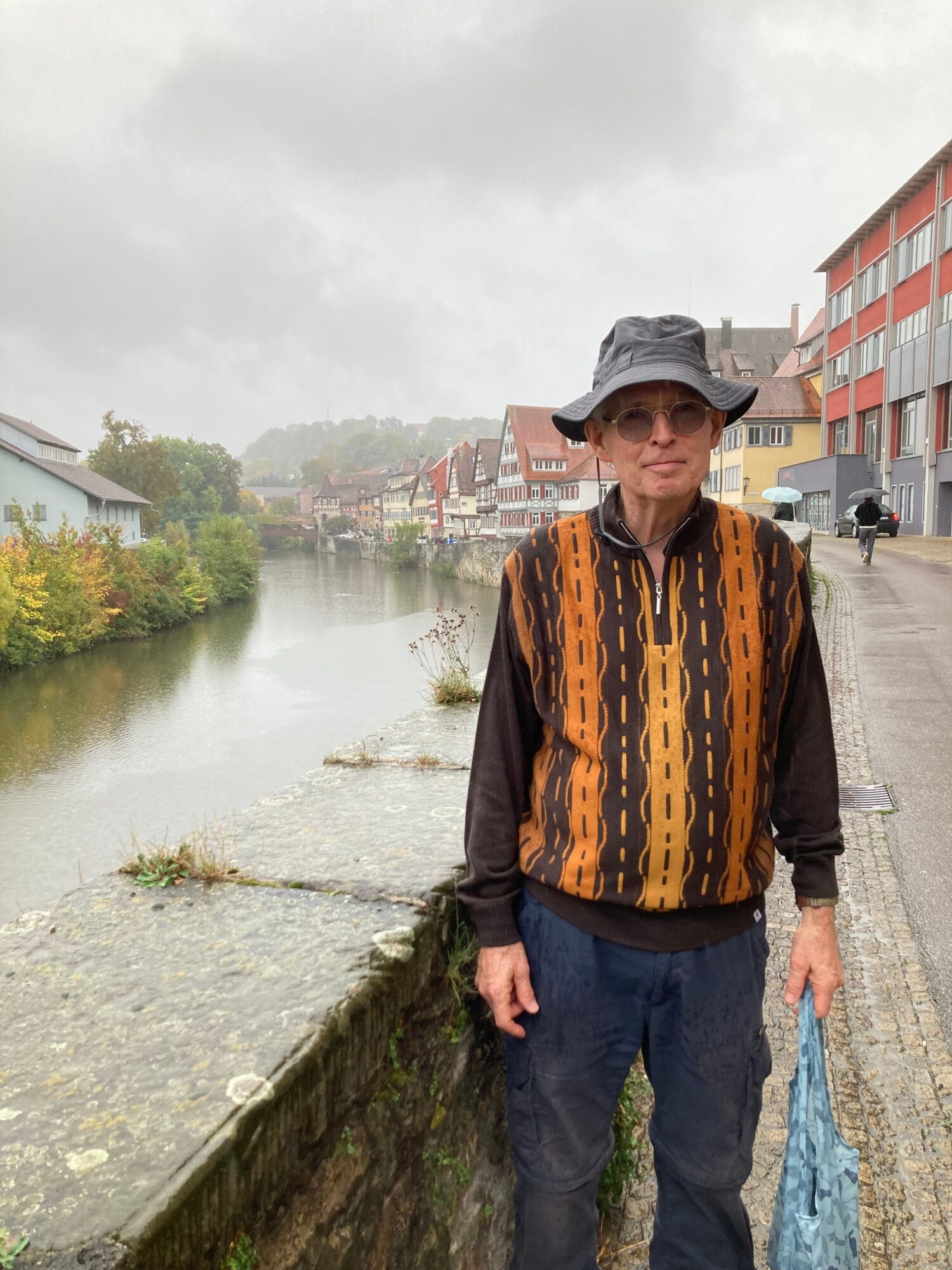



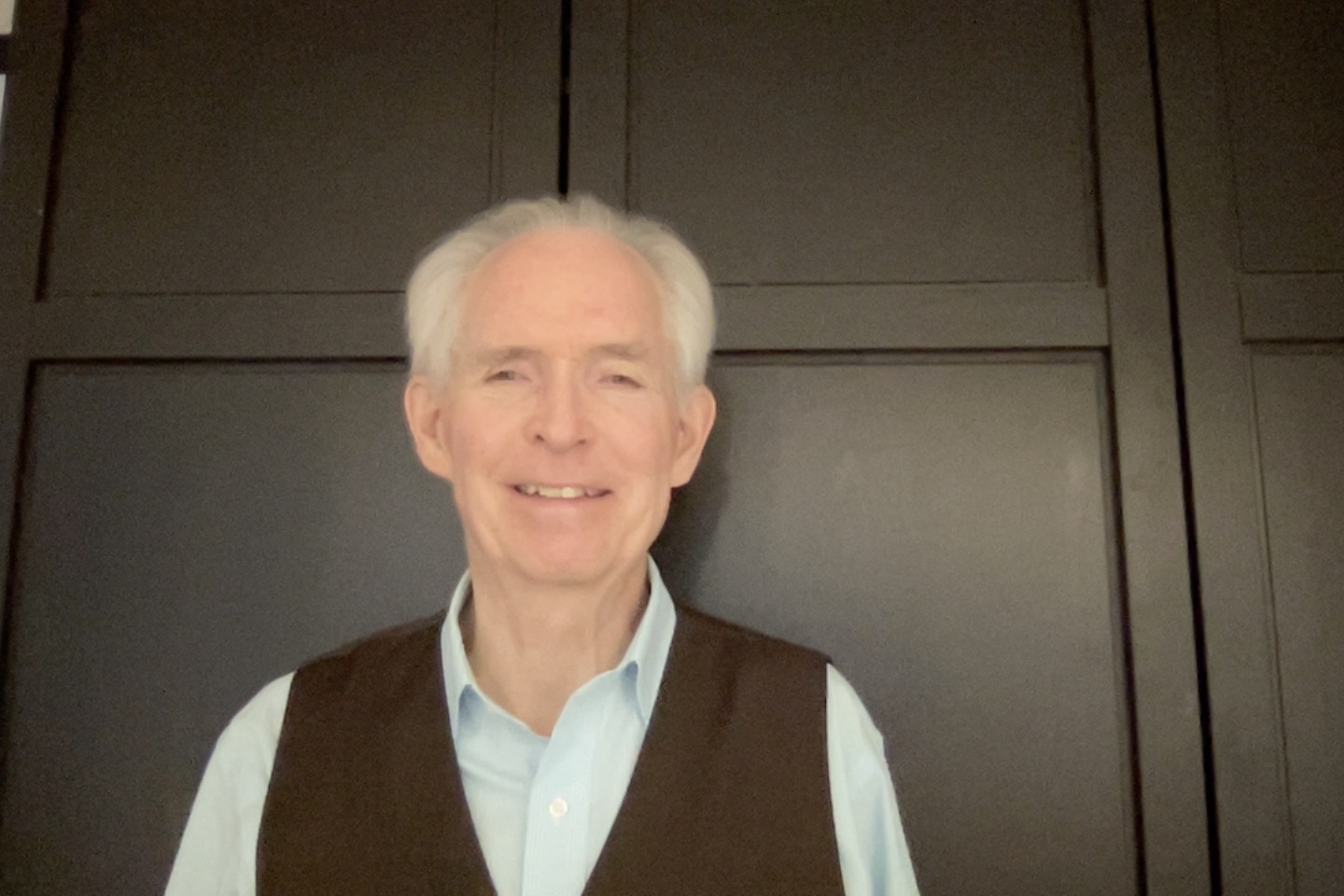
Today we’d like to introduce you to Bart Walsh.
Hi Bart, so excited to have you with us today. What can you tell us about your story?
When I first started doing psychotherapy as a clinical social worker, I wanted to find the best ways to help people resolve their distress and function well. My curiosity brought me to hypnosis because it allowed me to consult “the expert,” the unconscious, within the client. I began to study with the best authorities on hypnosis I could find. I worked in a community mental health center for 7 years and then developed a private practice. The Milton H. Erickson Foundation asked me to launch an Erickson training center in the northwest. I thus launched and directed the Milton Erickson Institute of Portland, which offers hypnotherapy training to qualified professionals. As I gained skills and experience, I began publishing books and articles and presenting my work and innovations at conferences in the United States and Europe. I am, in fact, writing this after presenting at the European Society of Hypnosis International Congress in Glasgow, Scotland. I will be presenting at a conferenc in Germany before coming home.
Alright, so let’s dig a little deeper into the story – has it been an easy path overall and if not, what were the challenges you’ve had to overcome?
It has had its ups and downs. One of the biggest downs involves negative attitudes toward hypnosis or any work with the unconscious propagated by our intelligence agencies, mainly the CIA. During the 1990’s there was the False Memory Syndrome Foundation. This organization put hundreds of therapists who were using hypnosis out of business, through no fault of their own. The lawsuits were heavily publicized and influenced public sentiment about hypnosis. The demand for hypnotherapy training dropped significantly in the USA.
Alright, so let’s switch gears a bit and talk business. What should we know about your work?
Before entering the mental health field, I played music for a living. Doing psychotherapy and hypnotherapy, I soon learned, is very much like playing jazz. Both music and therapy require a solid foundation. With the foundation, each person in therapy is unique, like a different song. The therapist must tailor treatment to the individual, just as the jazz musician creates new melodies as he/she improvises over a particular song. Therapy demands as much creativity as playing jazz. I find this both challenging and very satisfying.
My approach to therapy is best described as Functional Systemic Negotiation. Through unconscious communication, I negotiate with a client’s whole system. This involves communication with ego states (parts), the nervous system, glial cells, the muscle system, the immune system and more. This communication can influence gene expression and greatly benefit those struggling with chronic illness or problem states.
If you had to, what characteristic of yours would you give the most credit to?
It seems most important to be present, be curious, and be empathically open-minded.
Contact Info:
- Website: https://affinitycounselingandhypnosis.com
- Youtube: Bart Walsh-Care of the Self