


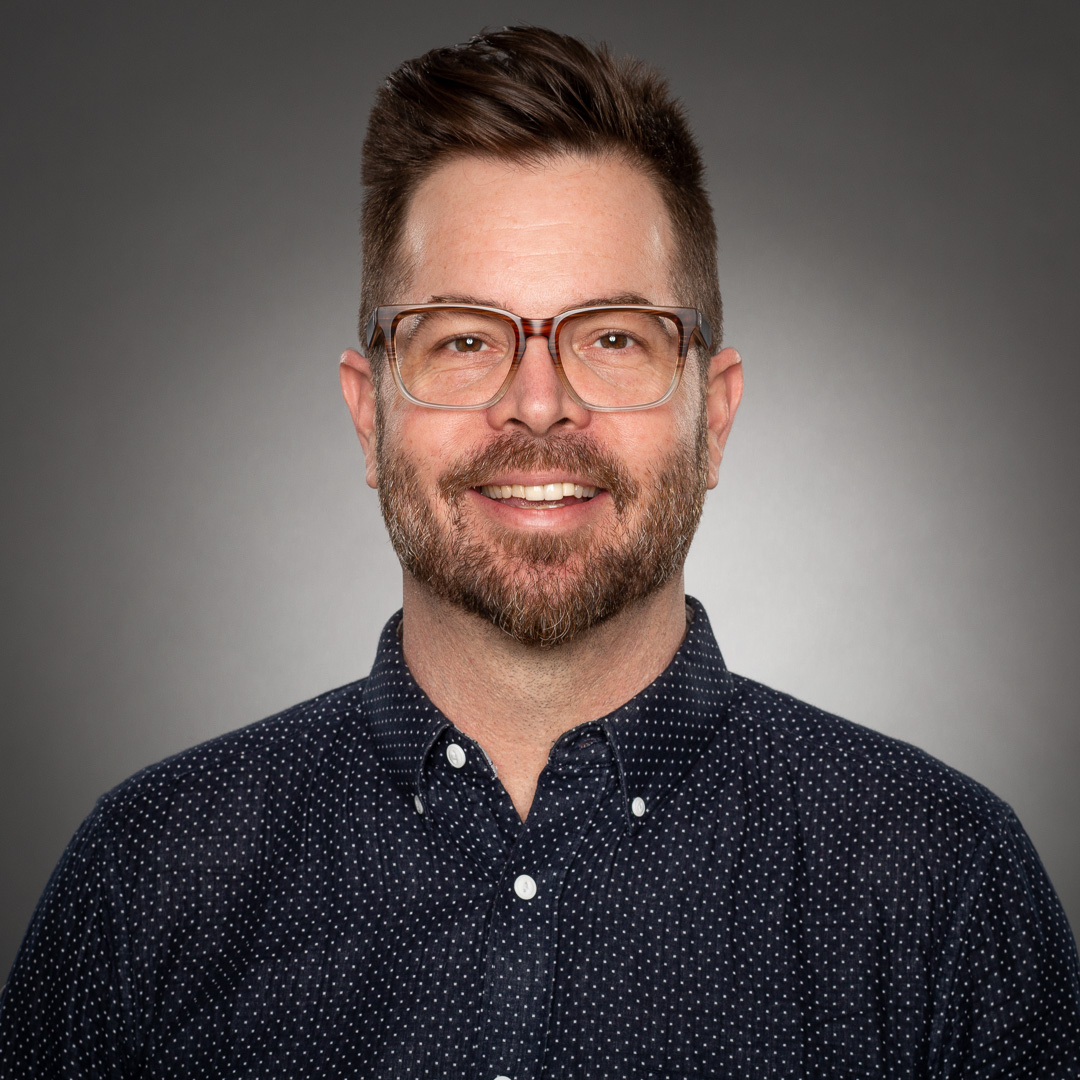
Today we’d like to introduce you to Ben Reed.
Ben, we appreciate you taking the time to share your story with us today. Where does your story begin?
I grew up in a small town, left early, skipped the traditional path, and somehow ended up building a 20-year creative production business in Portland. Photography was the thread that pulled everything together.
My background resists a single label: I studied multimedia design at the intersection of design, technology, and communication, and I’ve spent two decades applying that across the full arc of a project: client communication, art direction, post-production, digital asset management, and web presence. I’ve worked with scrappy local startups and national organizations like Salesforce, Deloitte, USA Today, and Pearson Higher Education. These days I collaborate primarily with CXOs on both local and regional contracts, making sure every marketing asset hits the mark.
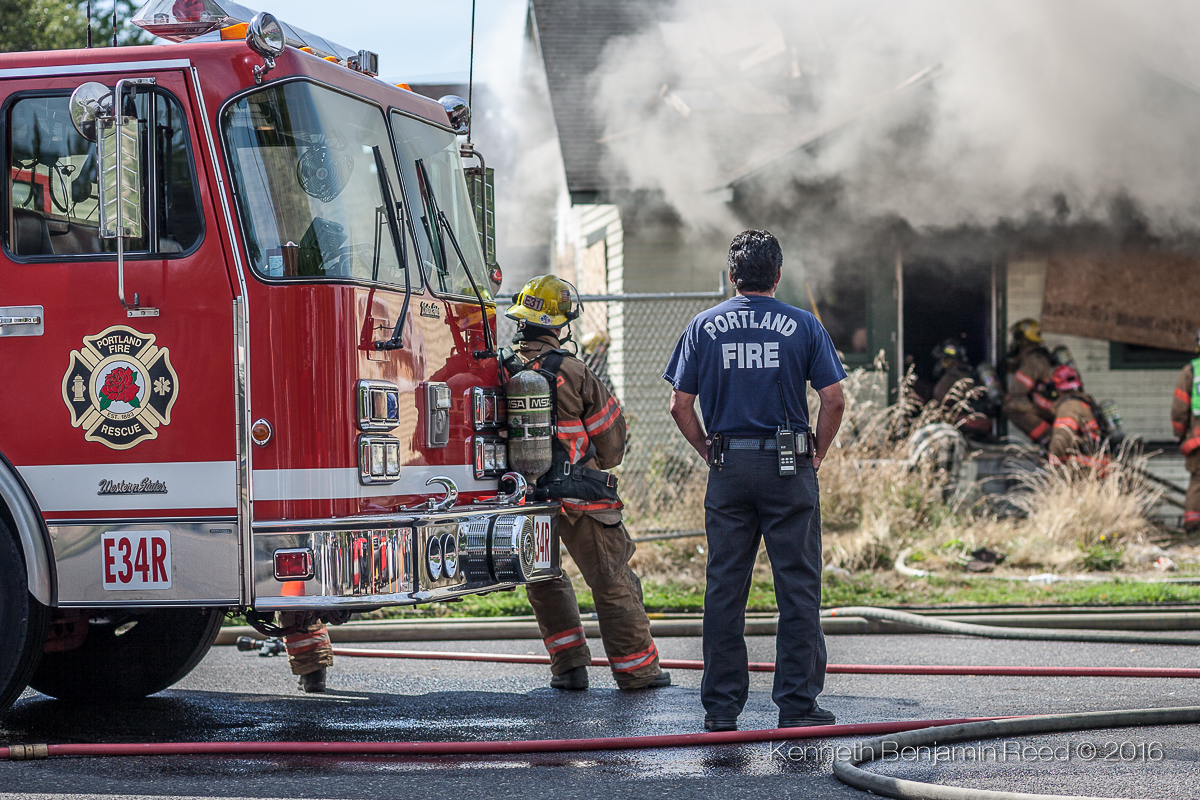
Before commercial photography became my focus, I served in the U.S. Coast Guard and on a wildfire response team. Those experiences gave me something no design program could: how to stay calm, work autonomously, and perform well under real pressure.
I’m highly adaptable and genuinely invested in careful, quality work, whether I’m part of a larger team or working independently. On the technical side, I’m proficient across the Adobe Suite, DaVinci Resolve, Capture One, and a growing range of AI creative tools.
Would you say it’s been a smooth road, and if not what are some of the biggest challenges you’ve faced along the way?
Its definitely not been a smooth road. Running a solo creative business for 20 years means you’re constantly managing the tension between growth and sustainability, and for a long time I just absorbed the stress without knowing how to name it.
Feast and famine cycles, self-doubt, heavy competition, slow growth periods where you wonder if you’re just being stubborn. Learning to treat losses as meaningful data (rather than personal failures) was probably the biggest shift I had to make.
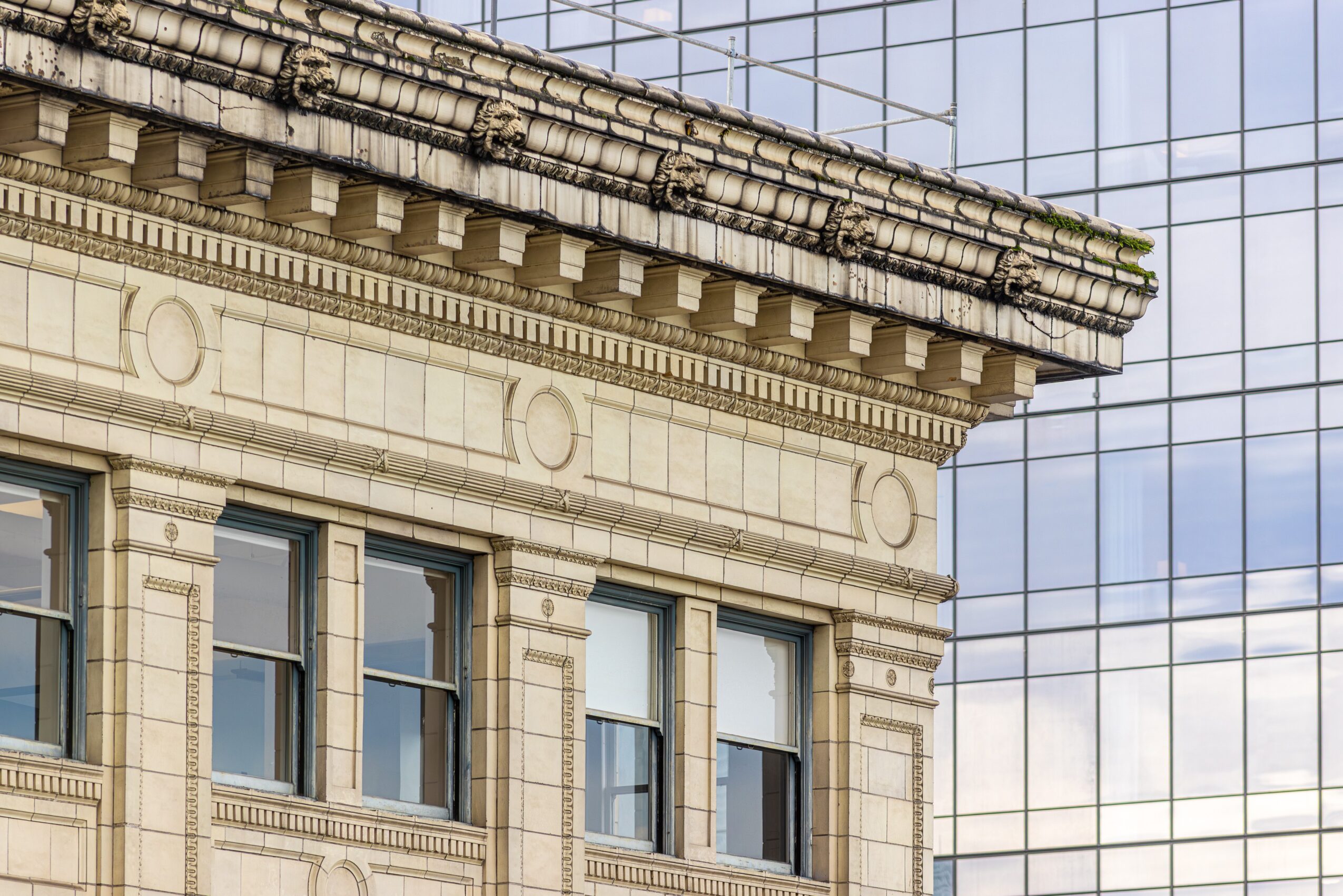
The other piece is harder to articulate. After the Coast Guard and wildfire work, I had seen enough real destruction that I needed somewhere to put it. Photography became that place. Looking for beauty in decay, finding renewal in what looks like an ending. That wasn’t a conscious creative strategy at first, it was just how I coped. But it became the core of how I see and how I work, and I think that’s given my work a perspective that’s hard to manufacture.
Thanks for sharing that. So, maybe next you can tell us a bit more about your work?
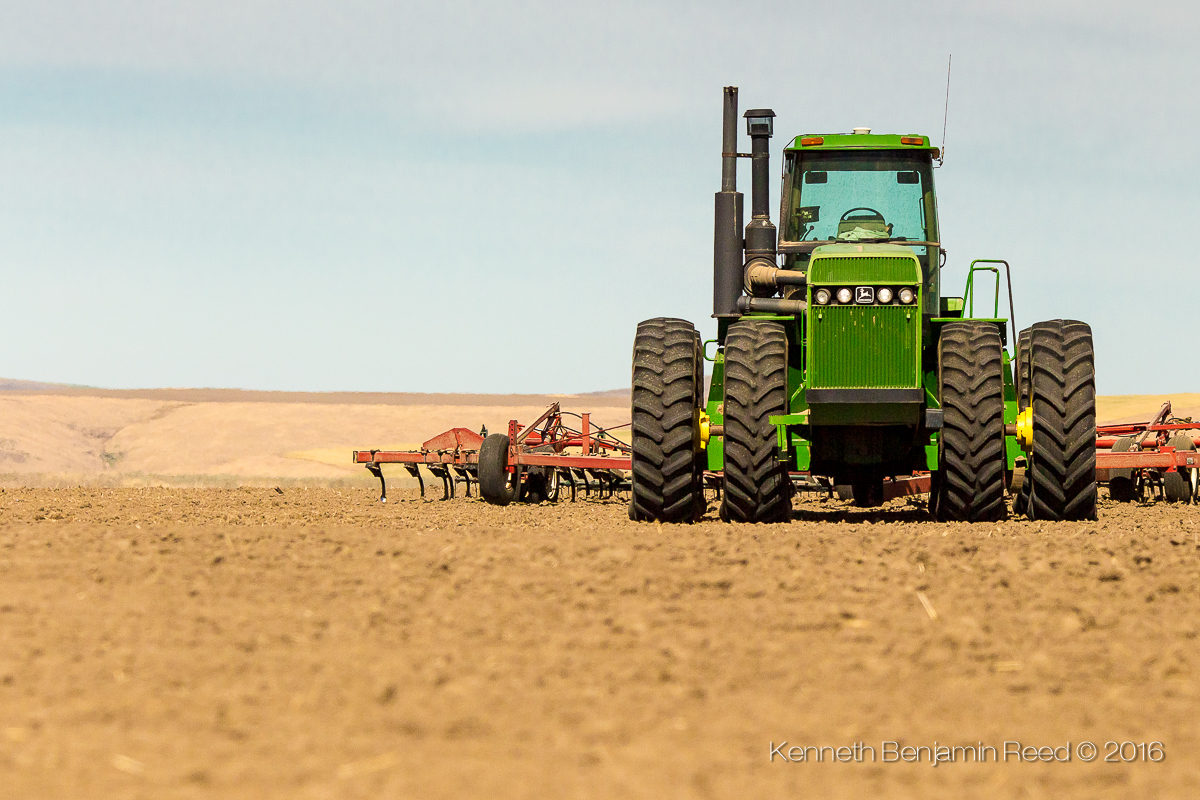
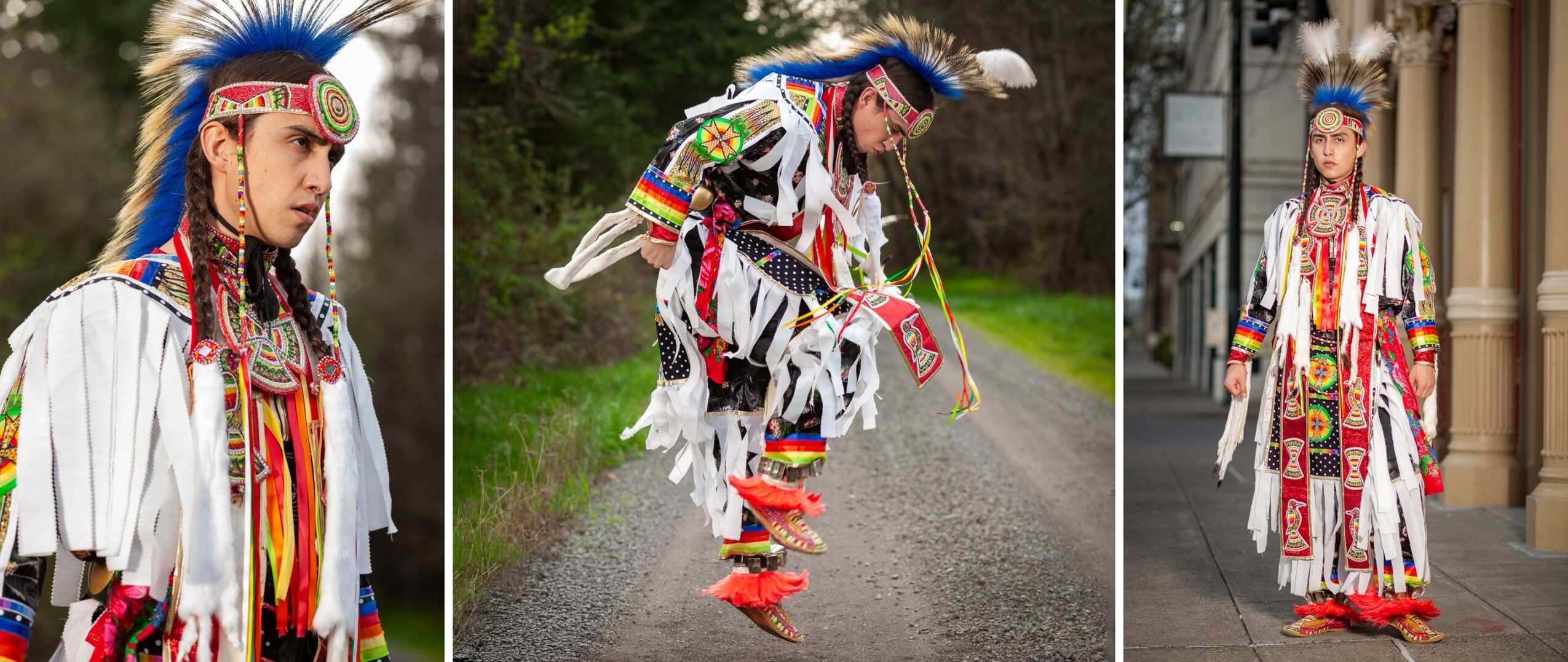
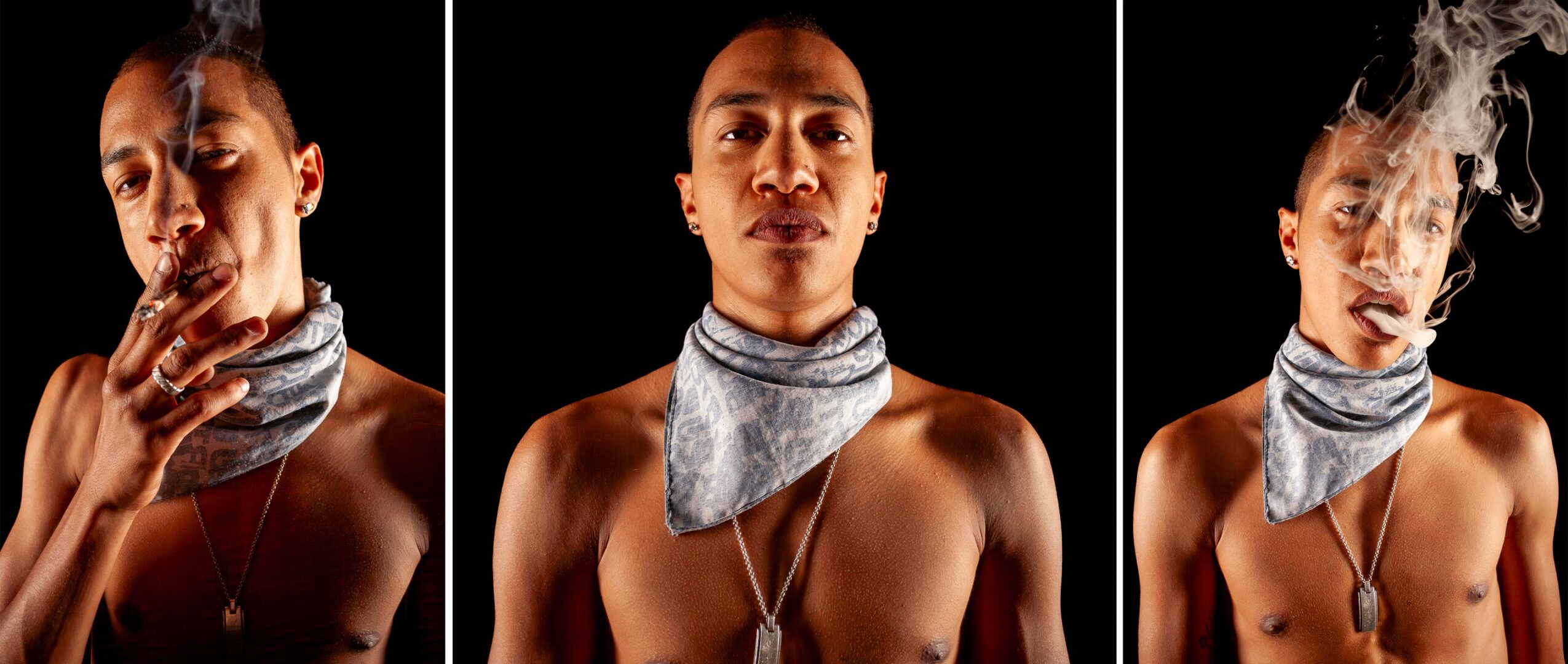
I specialize in commercial photography, but what I actually do is observe. I’ve spent 20 years training my eye to see subjects in ways that aren’t typical, finding the angle, the moment, the quality of light that most people walk right past. That’s not something you can automate.
I’m aware that’s a charged thing to say right now, so I’ll be direct: I do use AI tools in my work, but only in deliberate and selective situations. What I refuse to do is use AI to skip the hardest parts: the judgment calls, the compositional decisions, the read on a subject that makes an image feel true rather than generated. Anyone can produce a technically clean image today, but what’s harder to manufacture is a genuine point of view.
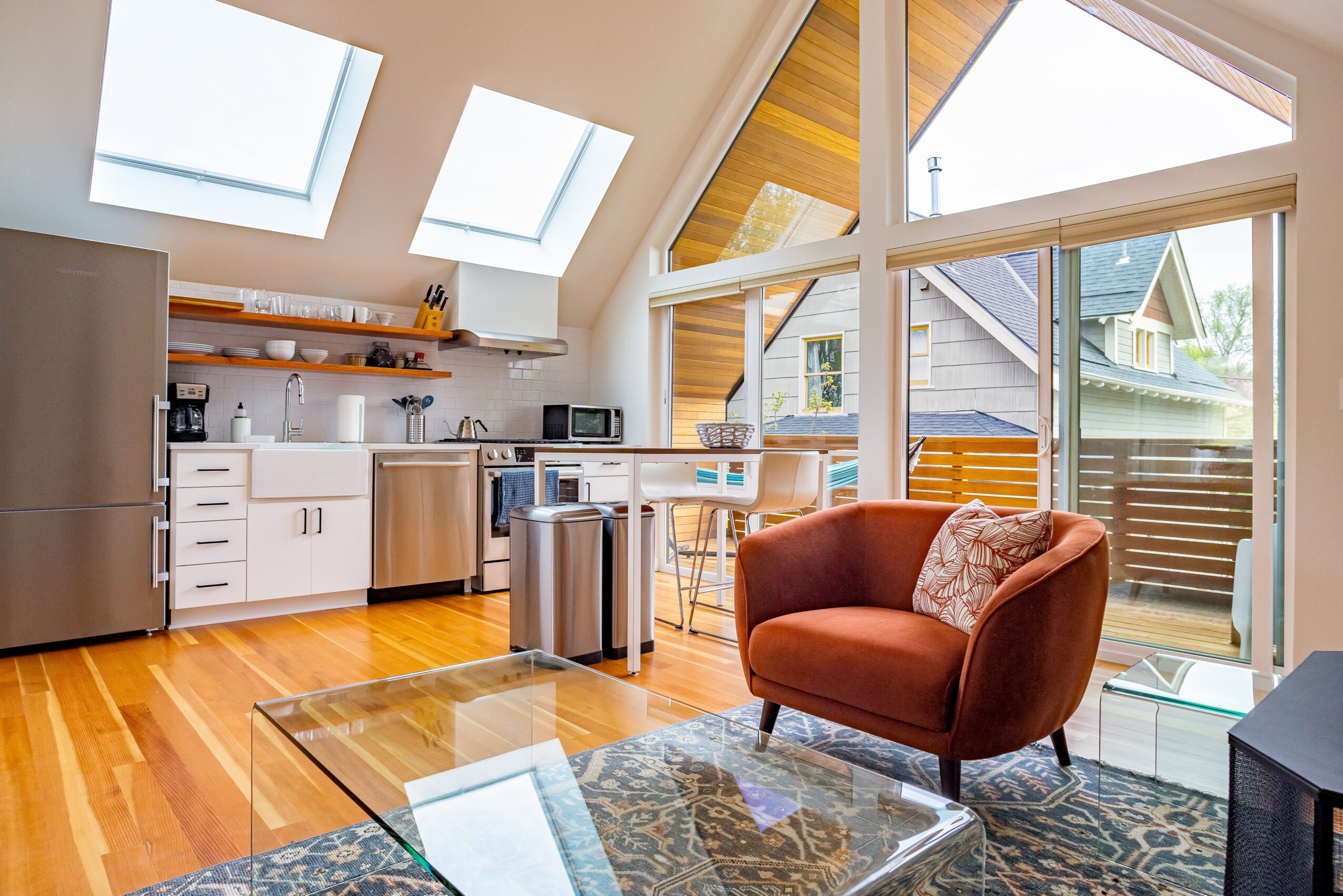
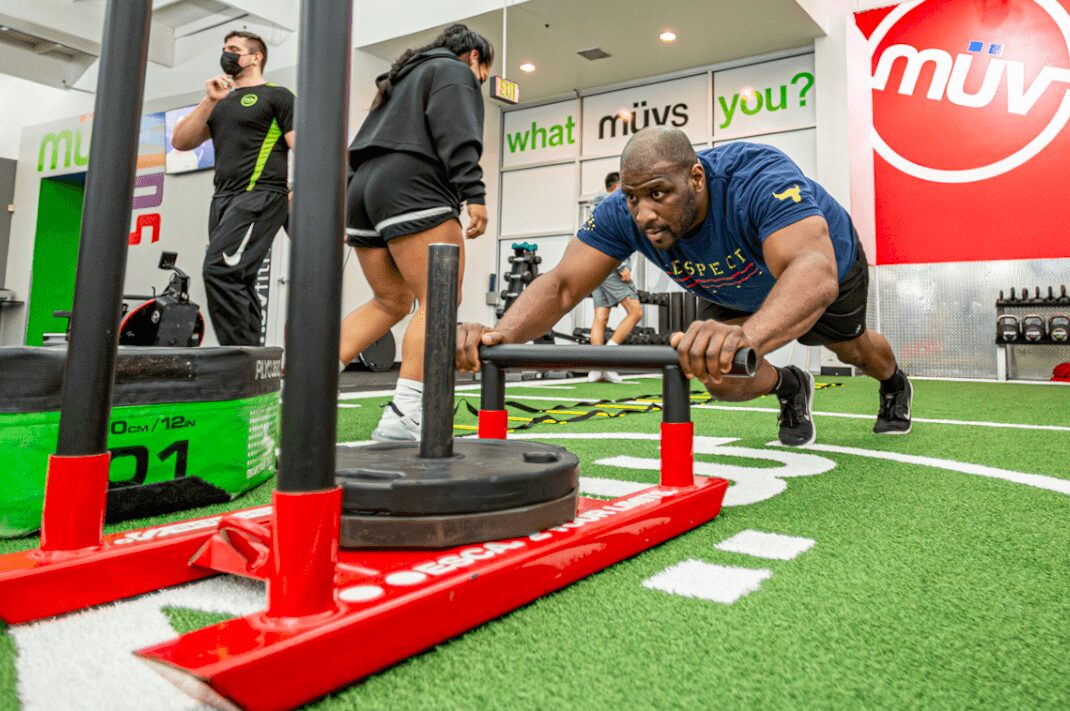
What I’m most proud of is building a body of work that looks like it came from a person (because it did). That work spans a wide range from national organizations like Salesforce, Amazon, Deloitte, McKinsey, USA Today, and Pearson Higher Education; civic and cultural institutions like the Oregon Department of Veterans’ Affairs, the Portland Opera, and the Child Mind Institute; to editorial clients like The Onion. What they were looking for wasn’t just technically clean images. They needed images that communicated something quite specific, and that requires someone who can listen, observe, and make intentional choices.
What sets me apart from other photographers is harder to explain than it is to show. Clients almost always have a shot list, and we always work through it together in pre-production. But the moments I’m most proud of almost never come from that list. They happen almost spontaneously during the shoot, when something catches my eye that nobody planned for. I’m not sure whether to call those happy accidents or just the result of 20 years of listening and a brain that won’t stop asking “Hey, what if…?” Either way, I’ve learned that it’s more acceptable to apologize for a frame than to ask permission for one. The worst outcome is an image nobody uses. The best is one nobody expected.
Networking and finding a mentor can have such a positive impact on one’s life and career. Any advice?
Honestly, networking is something I’ve always struggled with, and I think it’s because I find the transactional version of it uncomfortable. Walking into a room with the goal of collecting contacts has never felt natural to me, and I think people can sense when that’s the agenda.
What has worked is simpler and slower: doing good work and letting it travel. Referrals have been the most powerful promotional force in my business by a wide margin, and almost all of them came from clients who felt genuinely served rather than sold to.
That distinction matters to me. I’m comfortable in the role of counselor or advisor, someone helping a client figure out what they actually need. Persuasion never interested me much, but genuine problem solving always has. And I think that’s why referrals have always been my strongest channel.
If I were to give advice on mentorship specifically, I’d say look for people whose work you genuinely admire and find a real reason to reach out, not a networking reason. A specific question, a genuine observation about their work, something that signals you’ve actually paid attention. In my experience, people respond to that. What they can smell from a mile away is someone who just wants something.
Contact Info:
- Website: https://kennethbenjaminreed.com