


Today we’d like to introduce you to Gus Berry.
Alright, so thank you so much for sharing your story and insight with our readers. To kick things off, can you tell us a bit about how you got started?
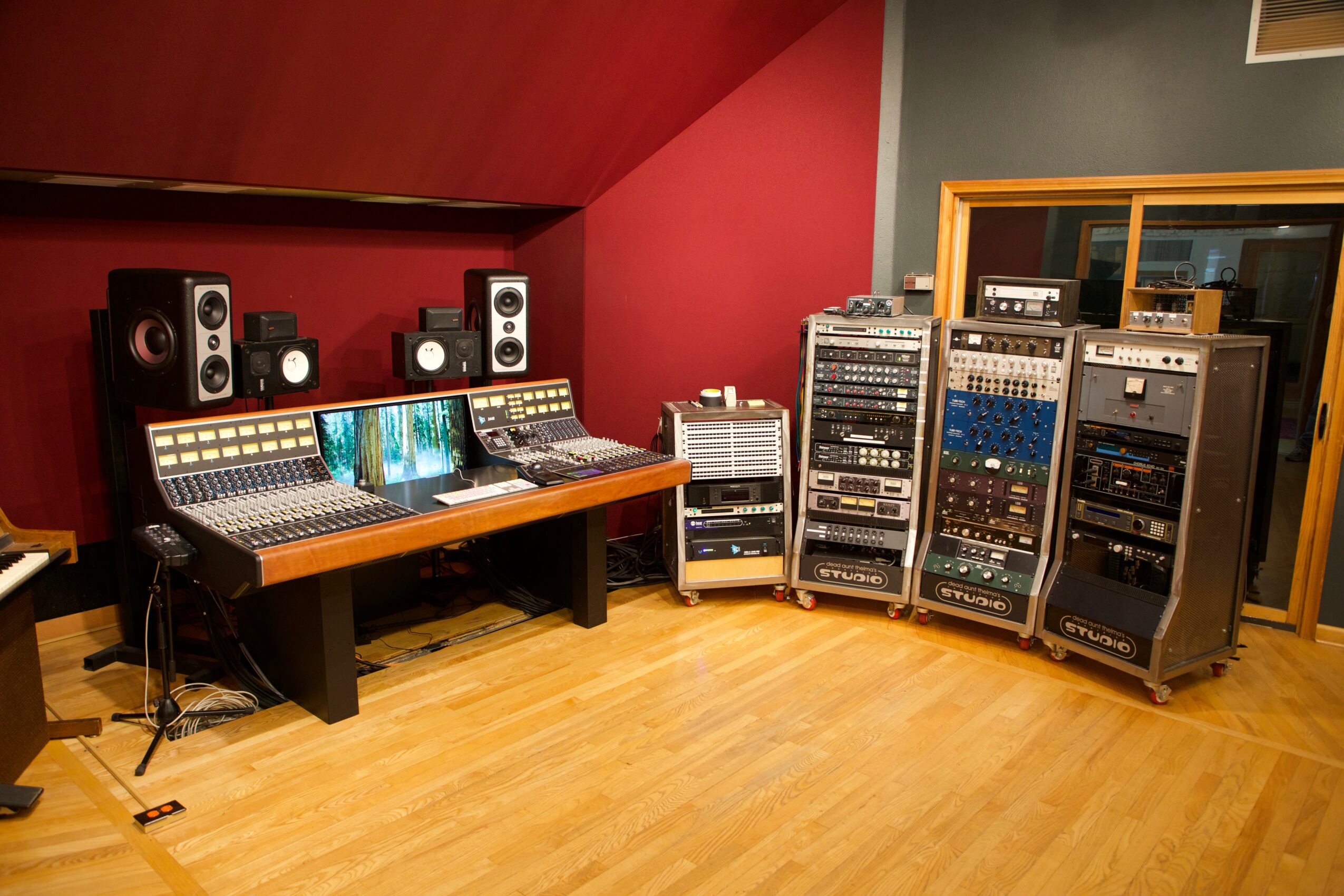
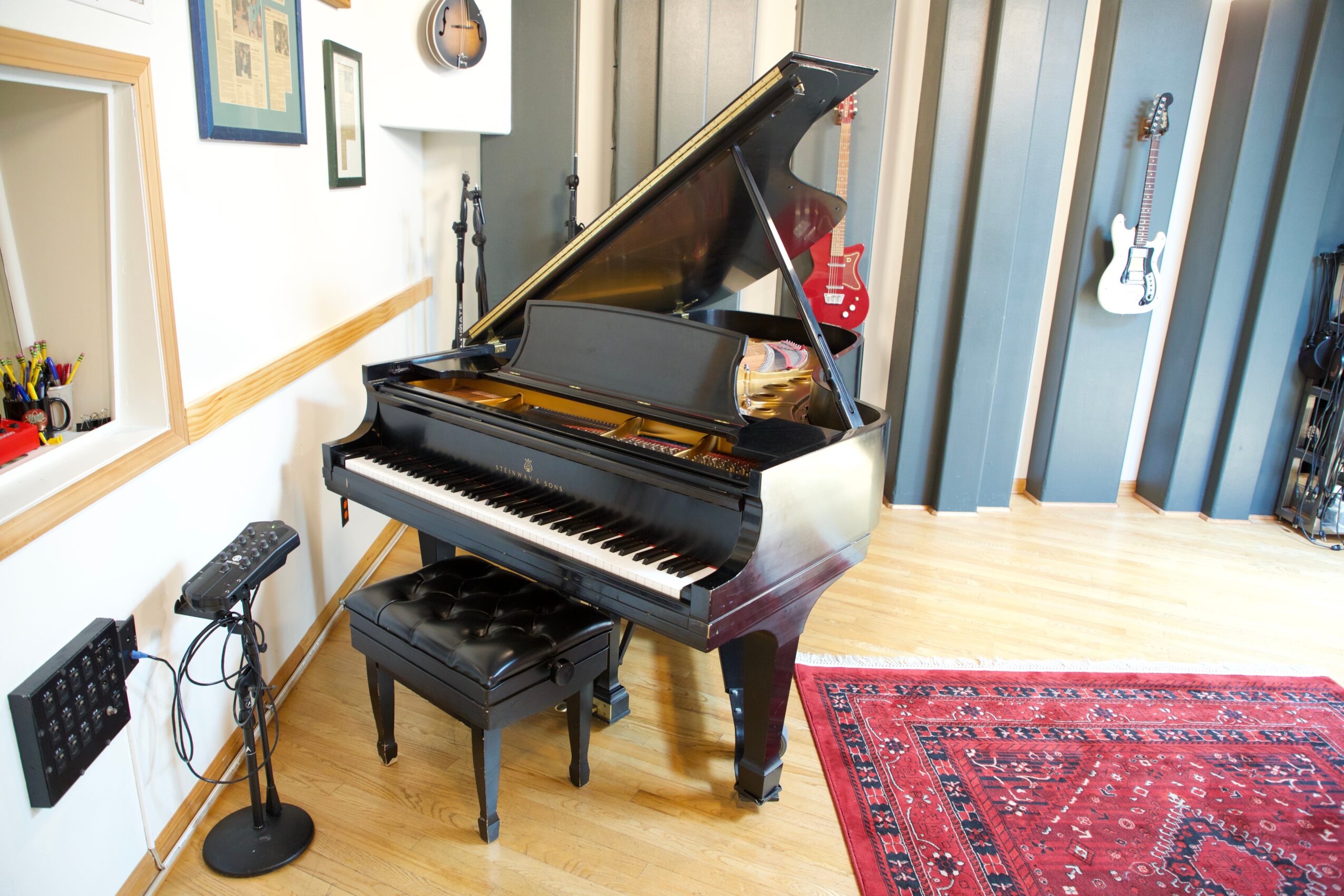
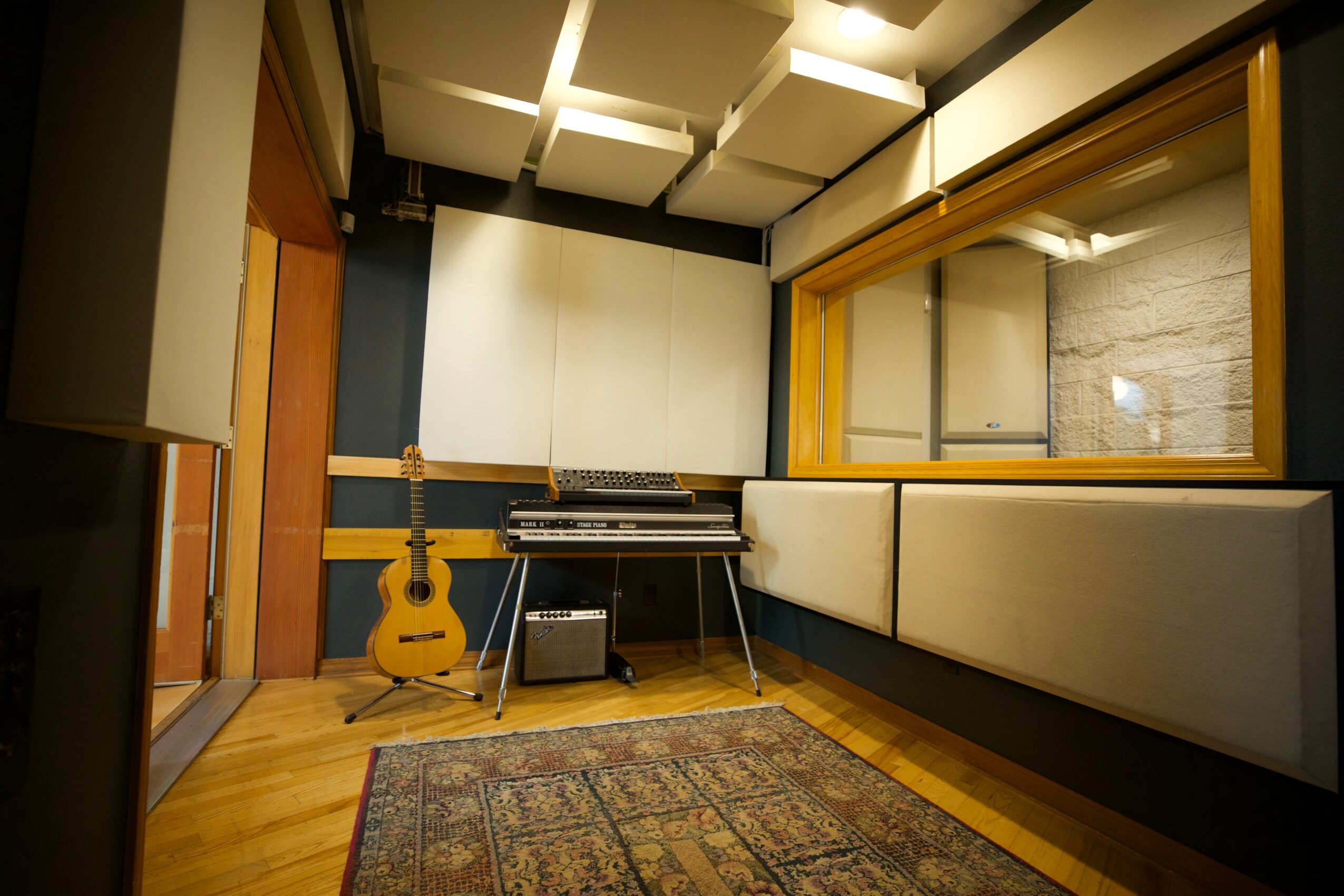
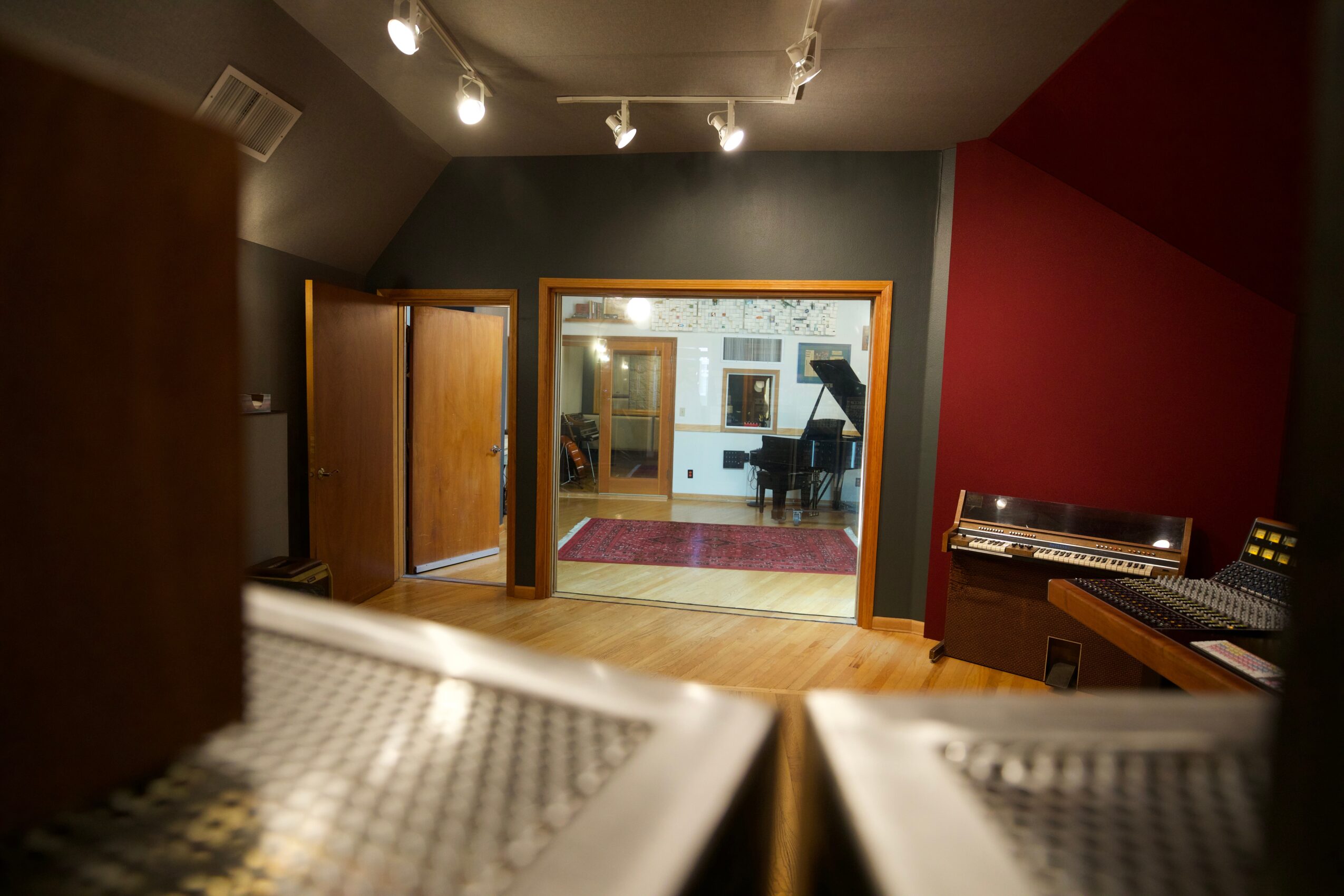
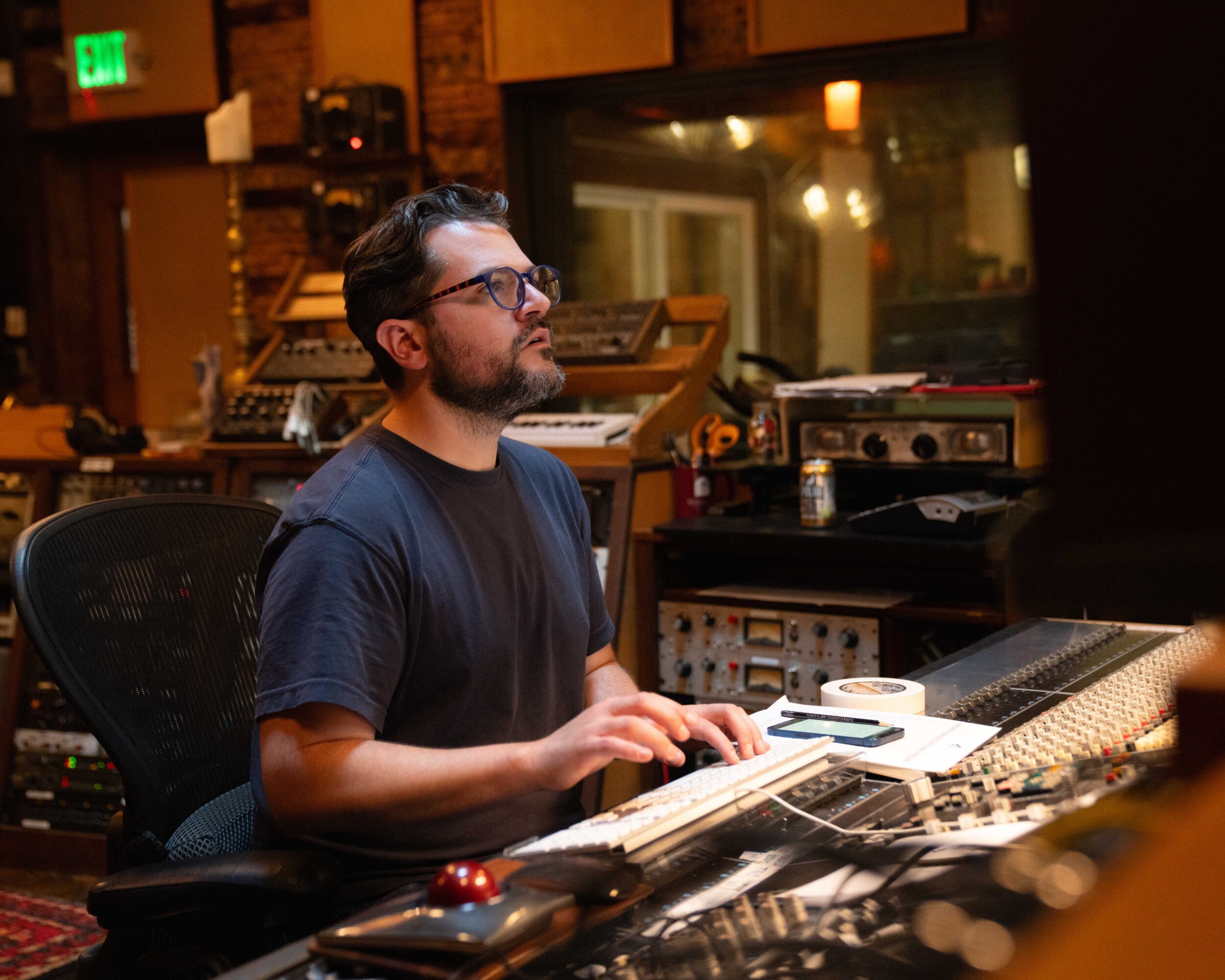
My dad owned a recording studio in the 90’s called Musicraft, so I grew up in that environment and was always fascinated by recording studios. I ended up going to Berklee College of Music to study production and engineering, and then I moved to Nashville after graduating and started my freelance career. When my wife and I moved back to Portland in 2016, I started working out of various studios in town and eventually met Larry Crane (of Jackpot! Recording Studio) who asked me to manage his studio. I managed Jackpot! and did hundreds of sessions for about three years and then the pandemic hit and we had our first kid. In 2023 I got a call asking if I would be interested in running Dead Aunt Thelma’s recording studio. It’s been a wonderful experience, and I’m 3.5 years into it.
We all face challenges, but looking back would you describe it as a relatively smooth road?
The company that owns Dead Aunt Thelma’s, Oregon Catholic Press, has been nothing but helpful and accommodating in letting me run the studio how I think is best. They want it to continue to be a favorite studio in town among musicians and producers, so I am constantly finding ways to improve the space and the gear.
Thanks for sharing that. So, maybe next you can tell us a bit more about your work?
I consider myself to be a musician, producer, and engineer – likely in that order. When I lived in Nashville, I think most folks thought of me as a musician and producer. In Portland, I think most people think of me as an engineer because there is a little bit less of a producer/studio musician culture here, so I found my way into the scene as the engineer who could also play instruments and help arrange music during sessions. My music theory and instrumentalist background probably set me apart from other engineers in town, while they almost certainly have more technical skills than I do (aka building recording equipment, fixing broken gear, etc). I am very proud of the studio musicians I have connected with over the years, and I love finding ways to get my favorite musicians on a session. In the last few years, I have started recording my own original music for the first time in my life, and I think it is a very good representation of my “sound” and the musicians I love working with.
We all have a different way of looking at and defining success. How do you define success?
Being proud of and satisfied with the work you’re actively doing.
Contact Info:
- Website: https://www.thelmas.com
- Instagram: @gusberry
- Other: https://www.gusberry.com