


Today we’d like to introduce you to Maegen Hindson.
Hi Maegen, so excited to have you with us today. What can you tell us about your story?
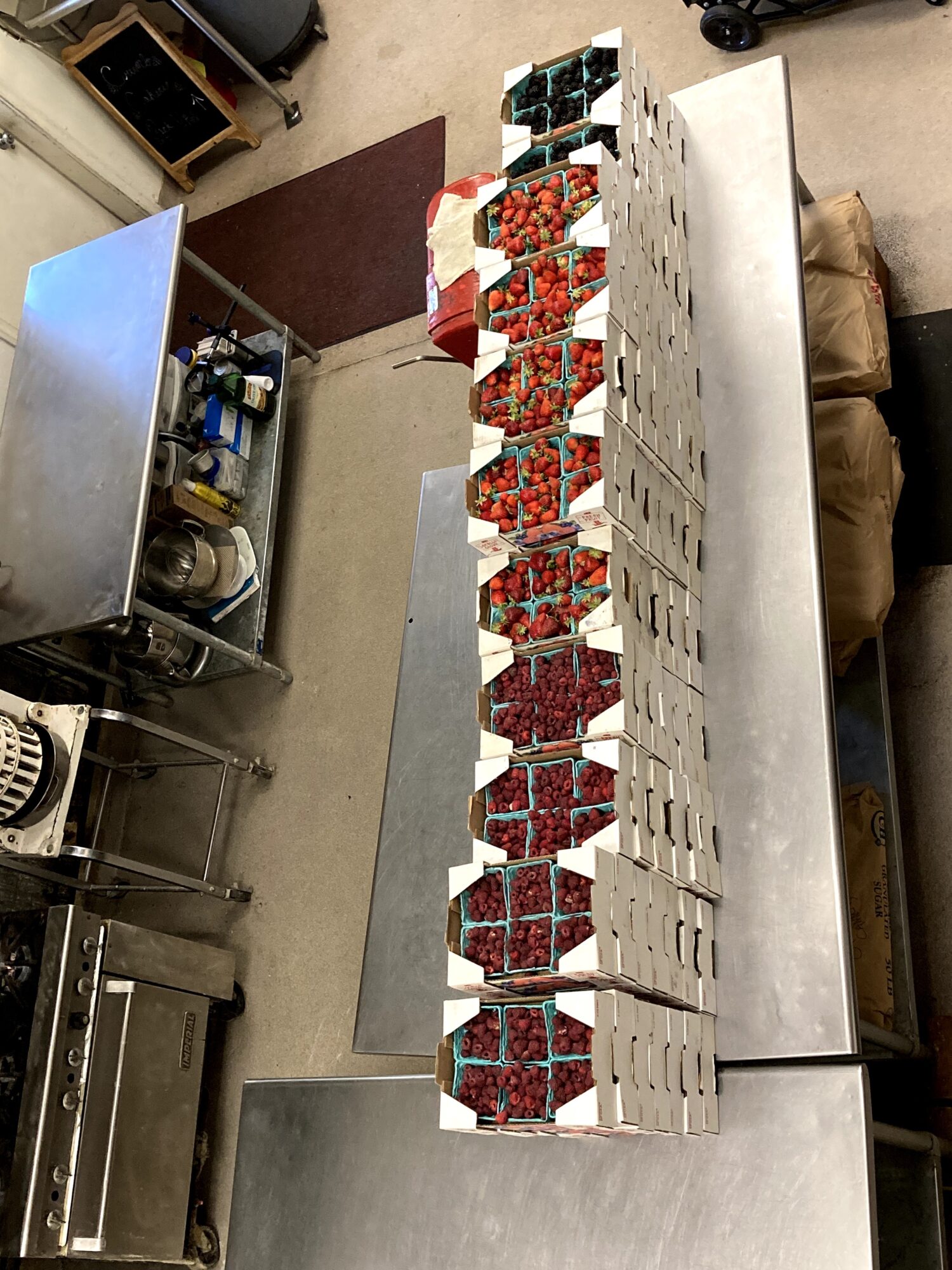
Cascades Cannery really started with a simple observation: Central Oregon grows an incredible amount of beautiful food, but our growing season is short, and not everything grown here has a clear path to market before it spoils.
We began asking what it could look like to create a local preservation resource that could work alongside farmers, take in surplus and seconds, and turn that food into something with a longer life. From there, the idea grew into Cascades Cannery.
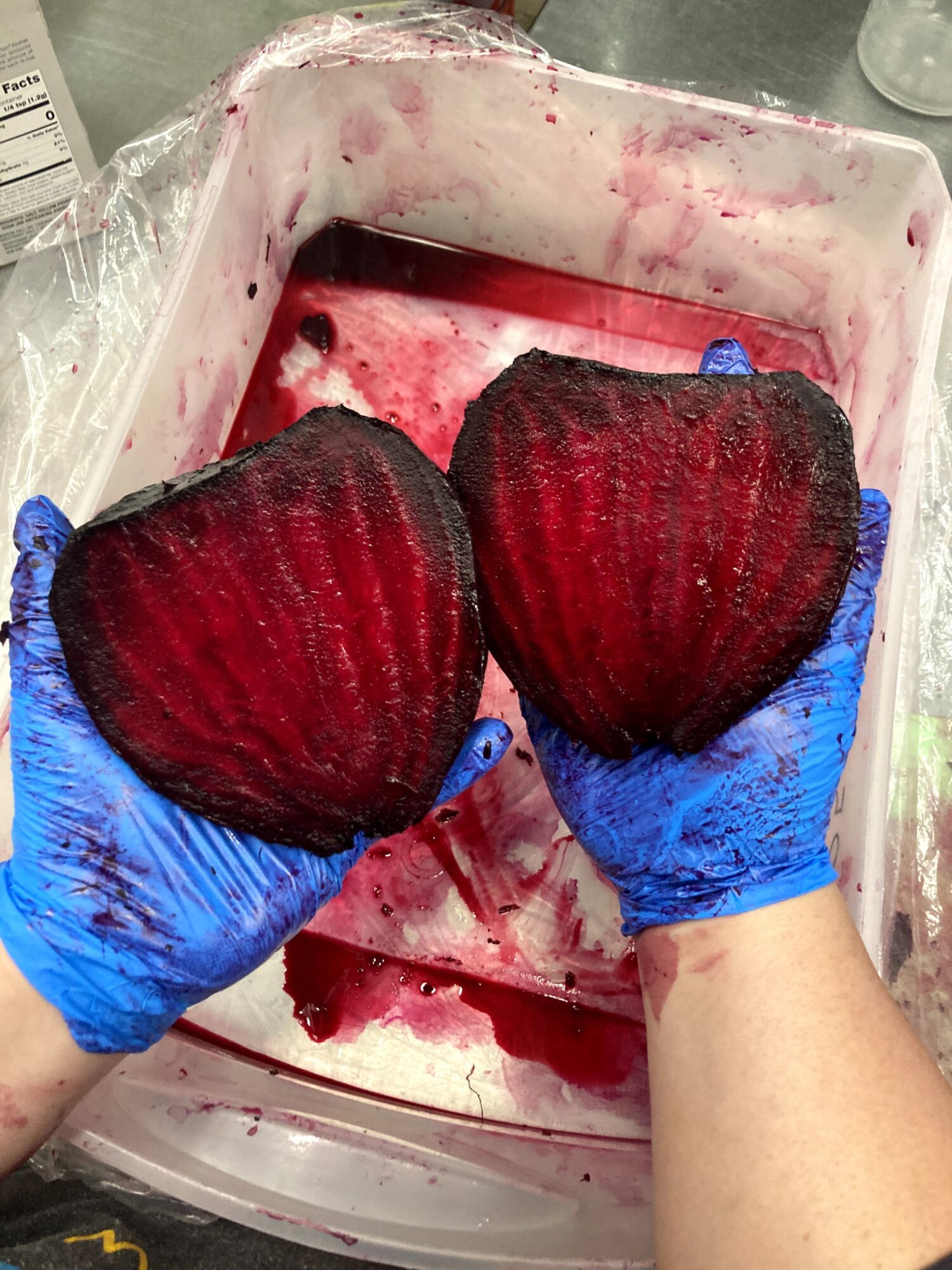
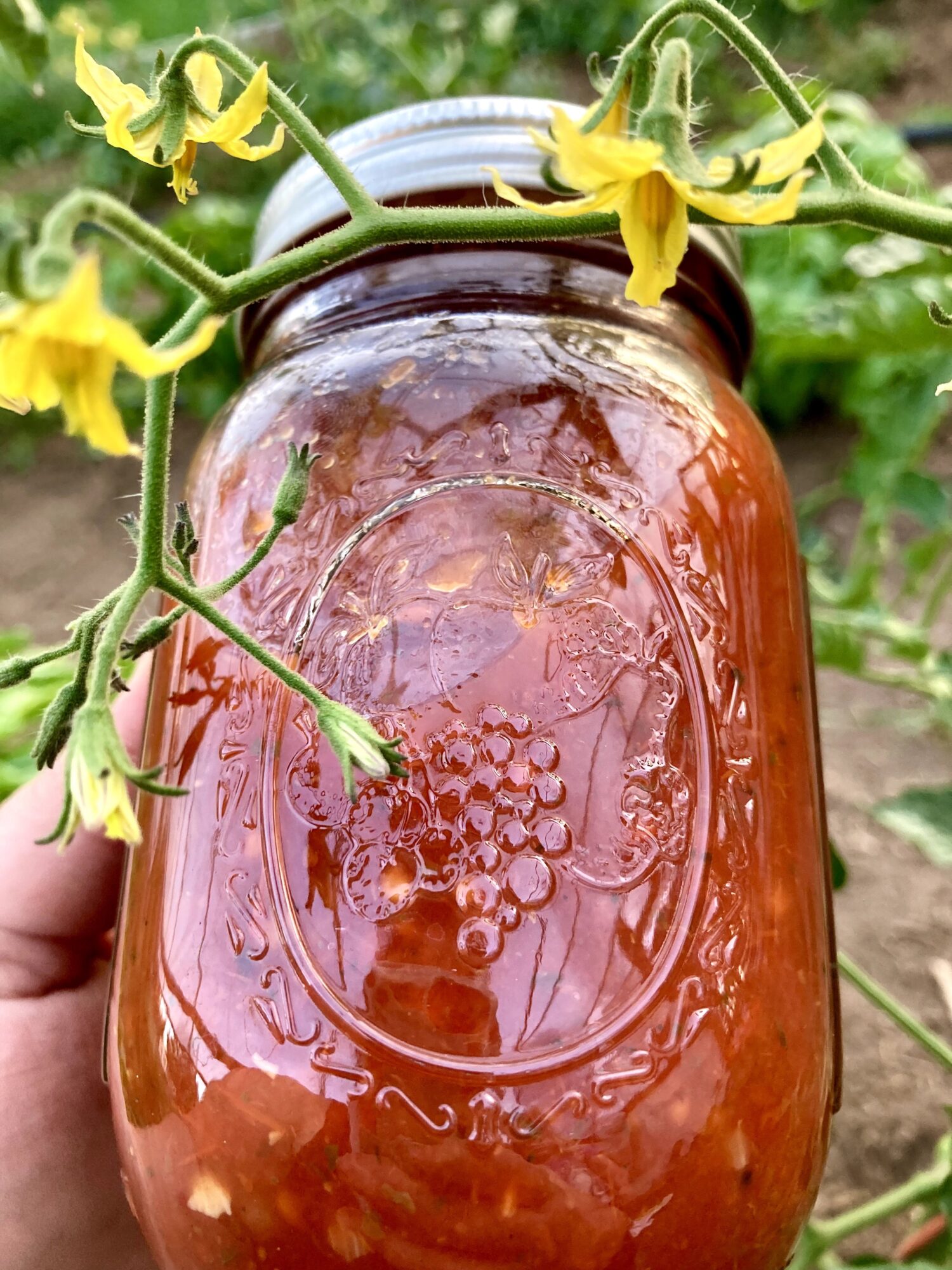
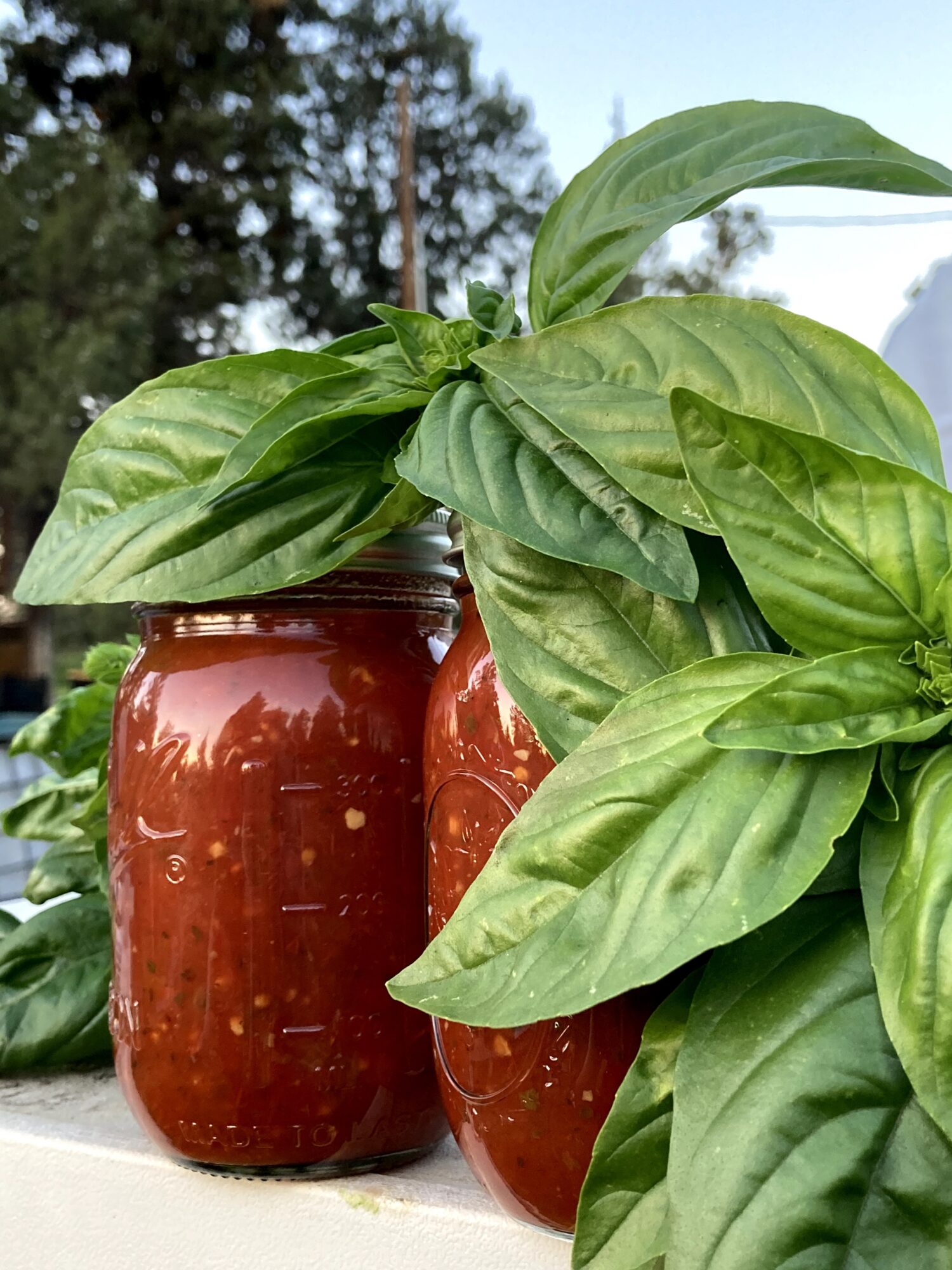
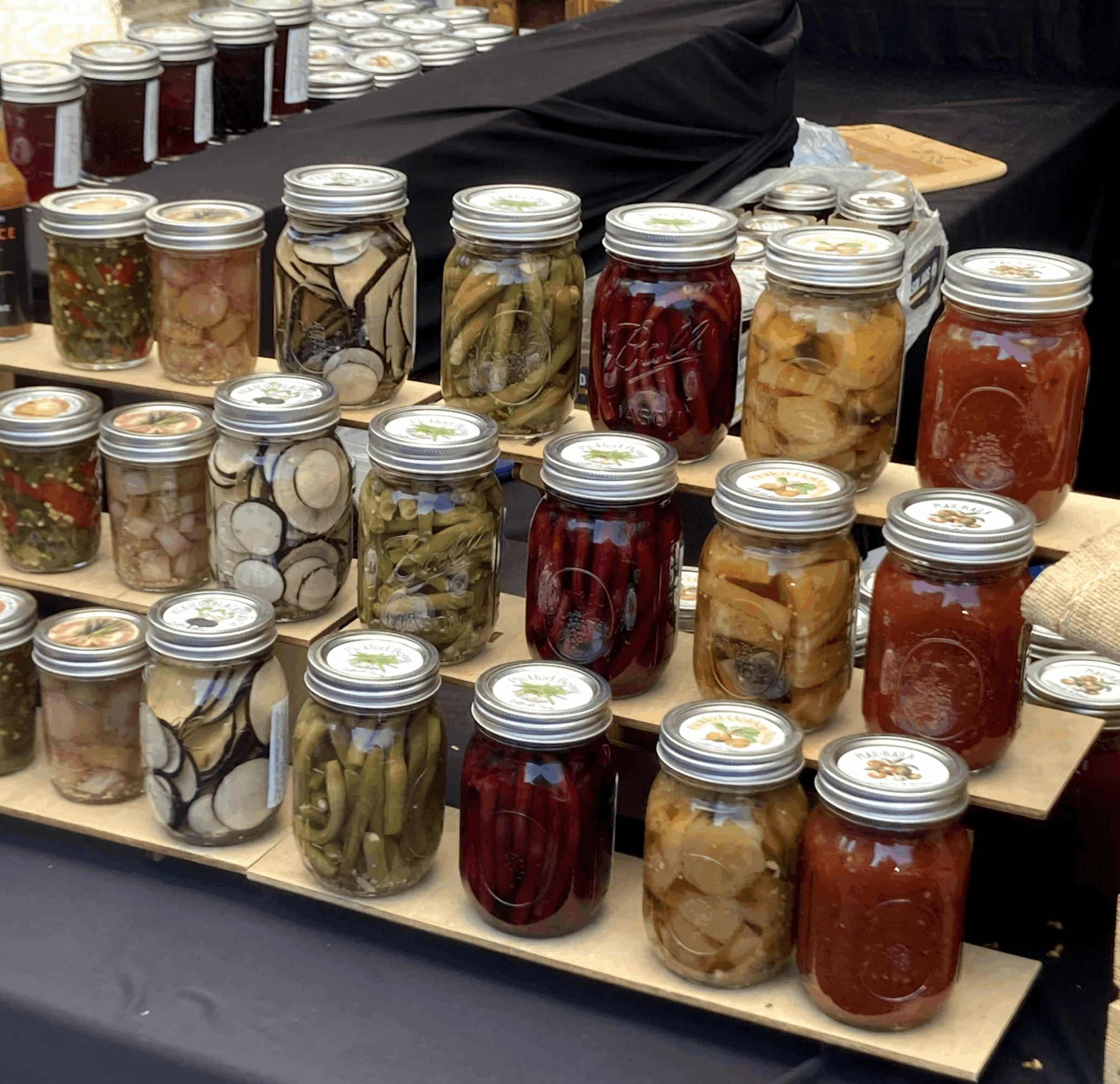
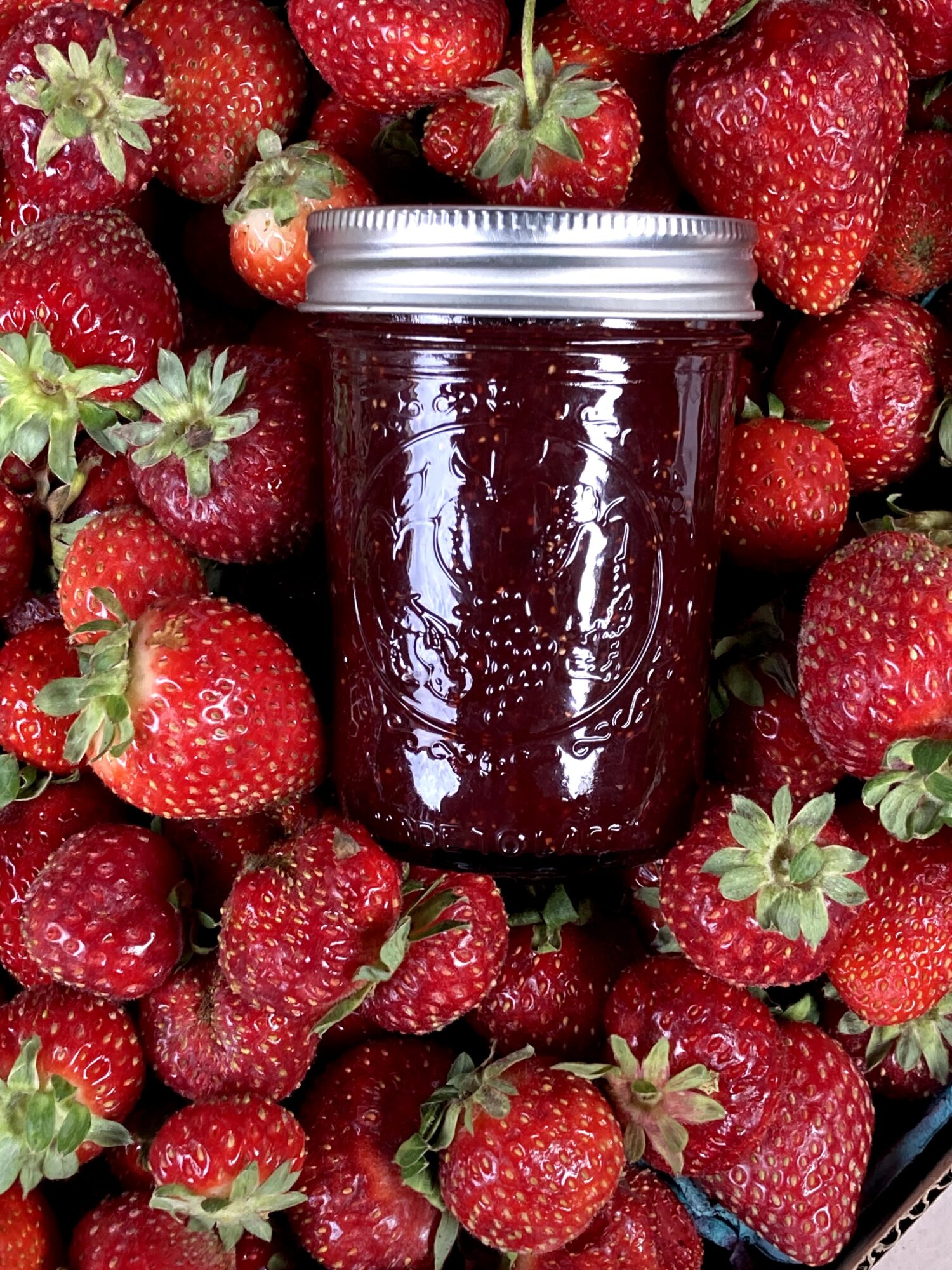
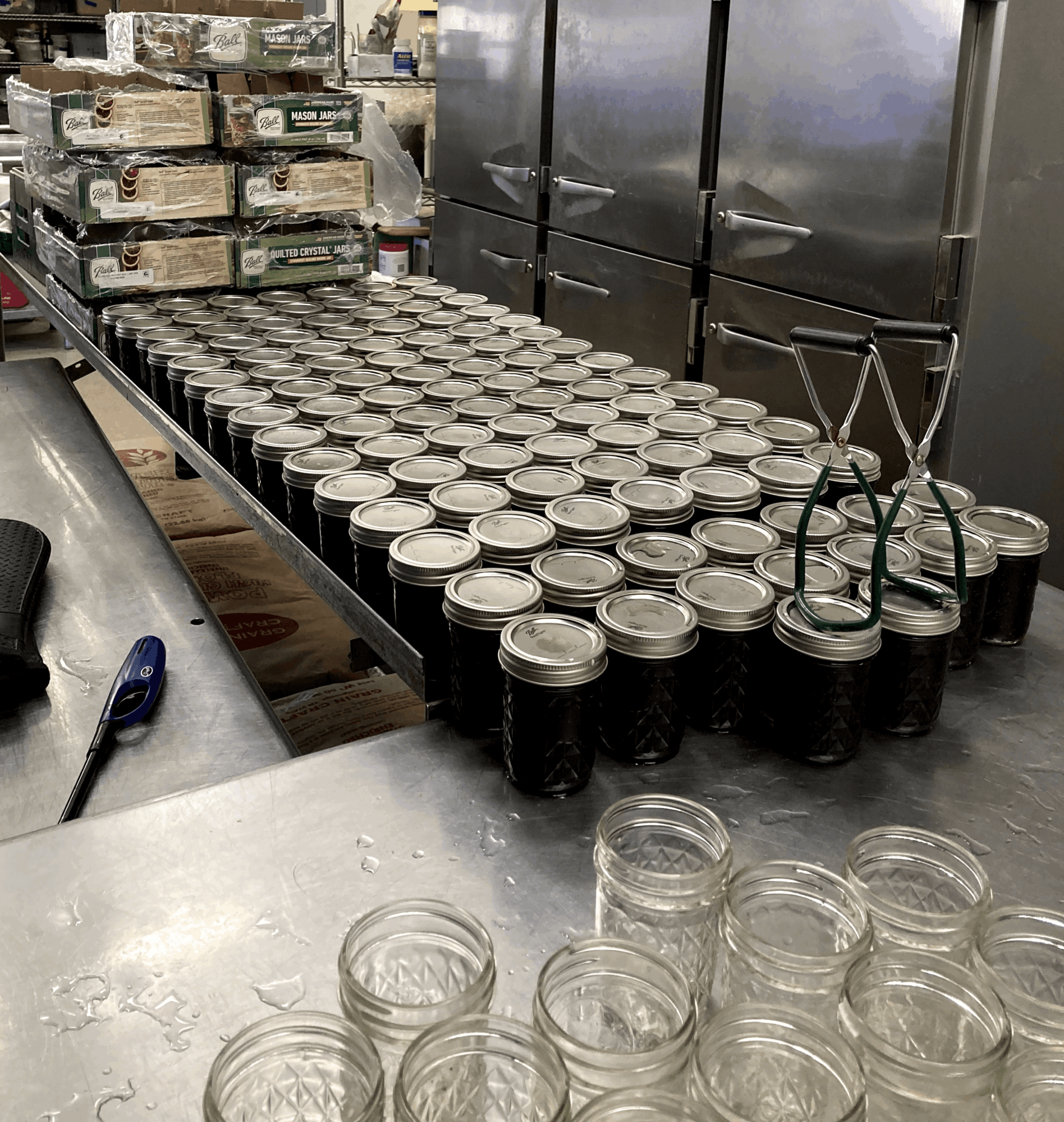
Building it has meant learning just about every part of food production from the ground up. We’ve worked through licensing, recipe approvals, food safety requirements, sourcing, production, packaging, farmers markets, wholesale relationships, and all of the less glamorous behind-the-scenes pieces that come with starting a food business. Along the way, we’ve developed products like Oregon berry jams, marinara, sauerkraut, and other preserved foods using locally grown primary ingredients.
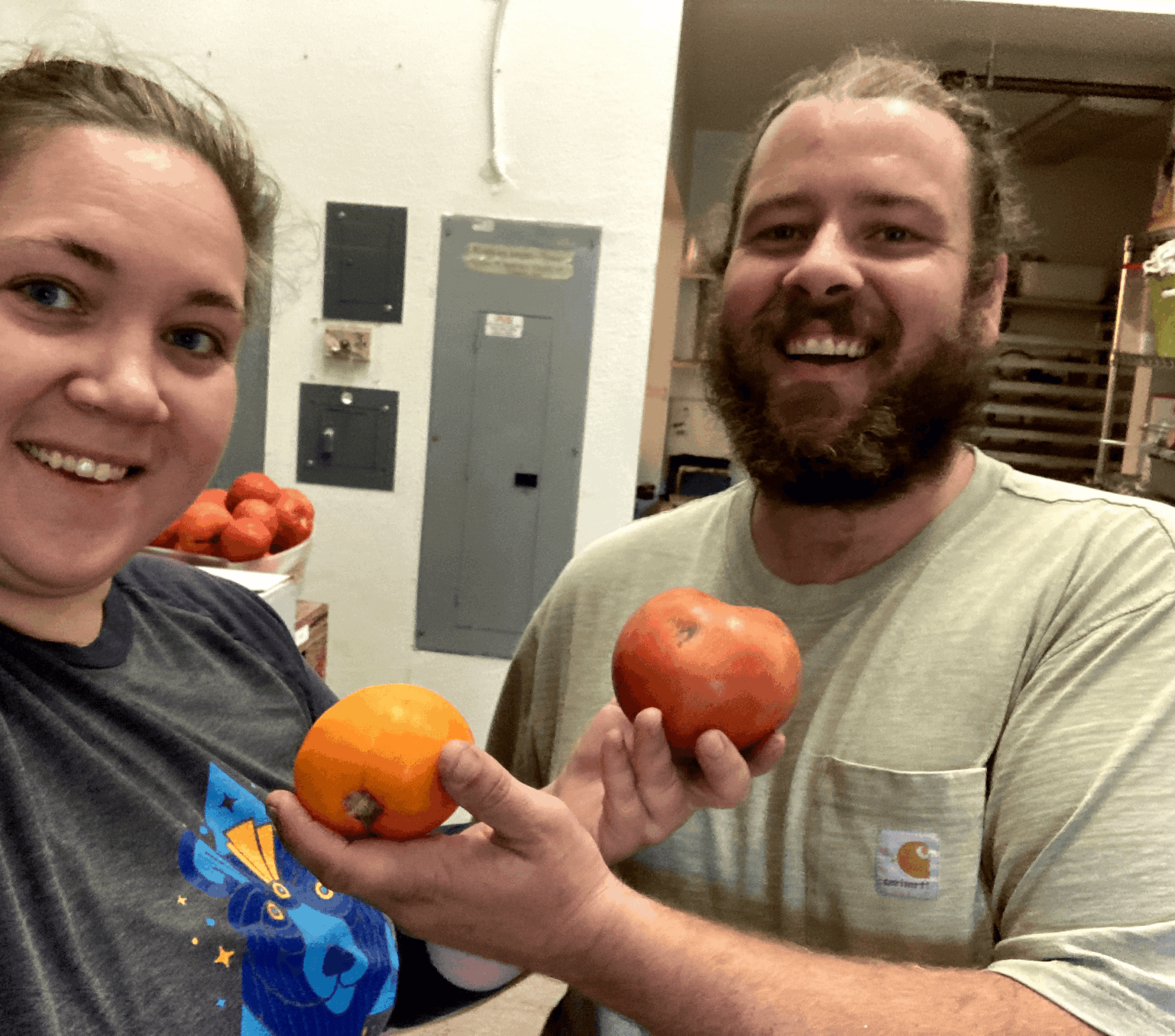
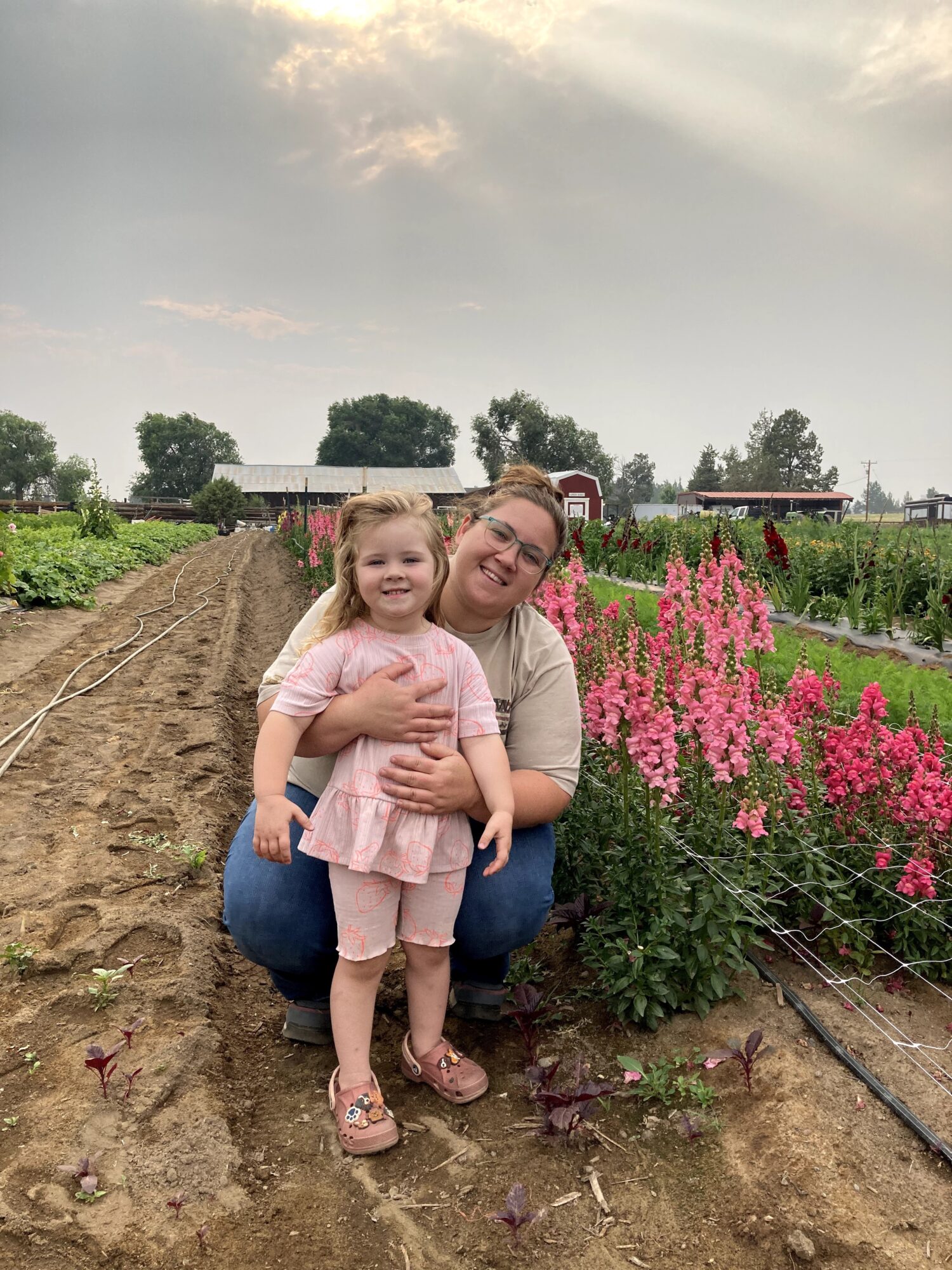
What started as an idea has become a real proof of concept. We now work directly with local farms, sell our products in the community, and continue developing ways to preserve more of what is grown here.
Cascades Cannery is also a nonprofit, which is an important part of the bigger vision. We want the products we sell to help support a system that benefits local agriculture, reduces food waste, and makes preserved local food more accessible to the community.
We’re still very much in the building stage, and there is a lot ahead of us, but it has been incredibly rewarding to see something that once existed mostly as an idea become a working food-production organization with real farmers, real products, and growing community support.
Would you say it’s been a smooth road, and if not what are some of the biggest challenges you’ve faced along the way?
No, definitely not. There have been a lot of moments where we’ve had to learn as we go, adjust quickly, and keep moving forward even when the path wasn’t very clear.
One of the biggest challenges has been building something that sits at the intersection of food production, agriculture, and nonprofit work. Each of those areas comes with its own rules, costs, and learning curve. We’ve had to navigate licensing, recipe approvals, kitchen space, food safety requirements, funding, packaging, production, and sales, often all at the same time.
There have also been plenty of moments where the vision felt much bigger than the resources we had available. We’ve had to be very intentional about what we take on, what has to wait, and where our limited time and funding can have the most impact.
But I think that has also been one of the most valuable parts of the process. We’ve learned how to be resourceful, how to build strong relationships, and how to keep refining the model as we go. Every challenge has made the organization a little stronger and a little clearer in what we’re here to do.
Can you tell our readers more about what you do and what you think sets you apart from others?
I handle most of the creative side of Cascades Cannery, from our logos, labels, and marketing to my favorite part, recipe development. The kitchen has always been my creative outlet, and I love coming up with new recipes, working with what is in season, and figuring out how to turn simple ingredients into something memorable.
Getting to share that creativity by feeding people is probably what I am most proud of. There is something incredibly rewarding about standing at our market booth, watching someone sample something I created from scratch, and seeing their eyes light up when the flavor hits. Those moments never get old.
What sets me apart is probably my stubbornness to succeed. If I believe in something, I have a hard time giving up on it. I will keep experimenting, learning, adjusting, and finding another way forward until I figure it out. That persistence has shaped so much of the work I do with Cascades Cannery.
Let’s talk about our city – what do you love? What do you not love?
What I love most about Bend is the community. There are so many people here doing interesting things, growing food, making things, starting businesses, and genuinely trying to support one another. I also love how easy it is to feel connected to the seasons here. You notice when spring finally shows up, when the farmers markets start filling up, and when everything suddenly shifts into fall.
What I like least is probably how hard Bend has become for regular people to afford. The growth has brought a lot of great things, but it has also made housing and everyday life more expensive, and I think that puts pressure on the people who actually make the community what it is. I would hate to see Bend become so polished and expensive that it loses some of the scrappy, local character that made people fall in love with it in the first place.
Contact Info:
- Website: https://cascadescannery.org
- Instagram: @cascadescannery
- Facebook: @cascadescannery
- Twitter: @cascadescannery
- Youtube: @cascadescannery