


Today we’d like to introduce you to Rennie Morrell.
Hi Rennie, so excited to have you with us today. What can you tell us about your story?
I took a winding path to where I am today, but the common thread has always been service, problem-solving, and community.
I served 22 years in the U.S. Navy, retiring as a Lieutenant Commander in 1995. I enlisted at age 18 looking for opportunity and I found it. I finished my undergrad degree at the University of South Carolina and was commissioned as a Navy Ensign in 1983. My Navy career gave me a deep foundation in leadership, training, administration, and systems thinking. After retiring, I earned an MBA from the University of San Diego and later worked as an organizational behavior consultant for a technology company in Minneapolis. My husband, Jim, and I eventually made Sisters our permanent home in 2000, drawn by the beauty, independence, and strong sense of community here.
Over time, I have become increasingly aware of a quiet but serious need in our rural community: many older adults, veterans, people with disabilities, and medically vulnerable neighbors had no reliable way to get to medical appointments. In a rural area like Sisters Country, transportation can determine whether someone receives care, stays independent, or becomes isolated.
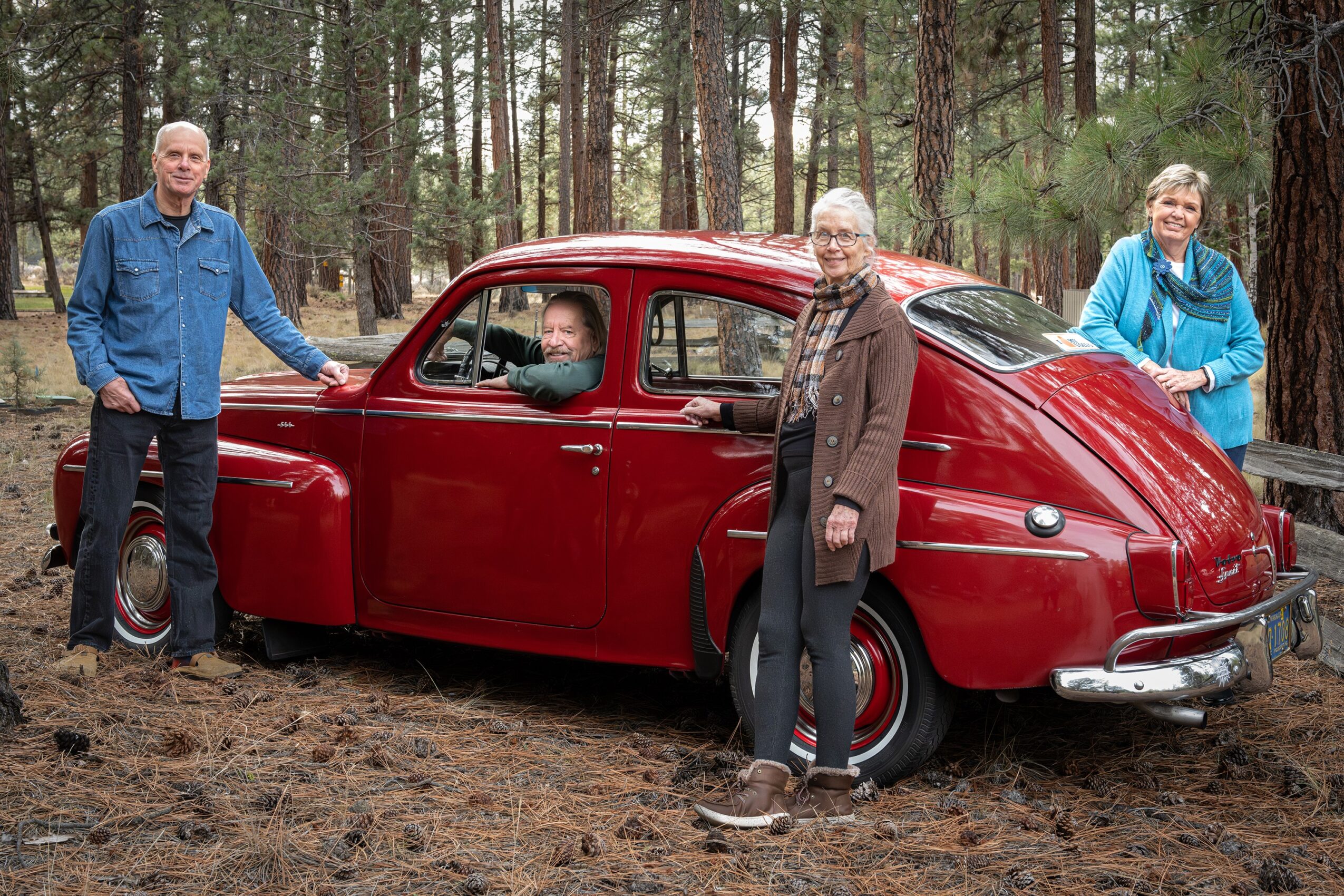
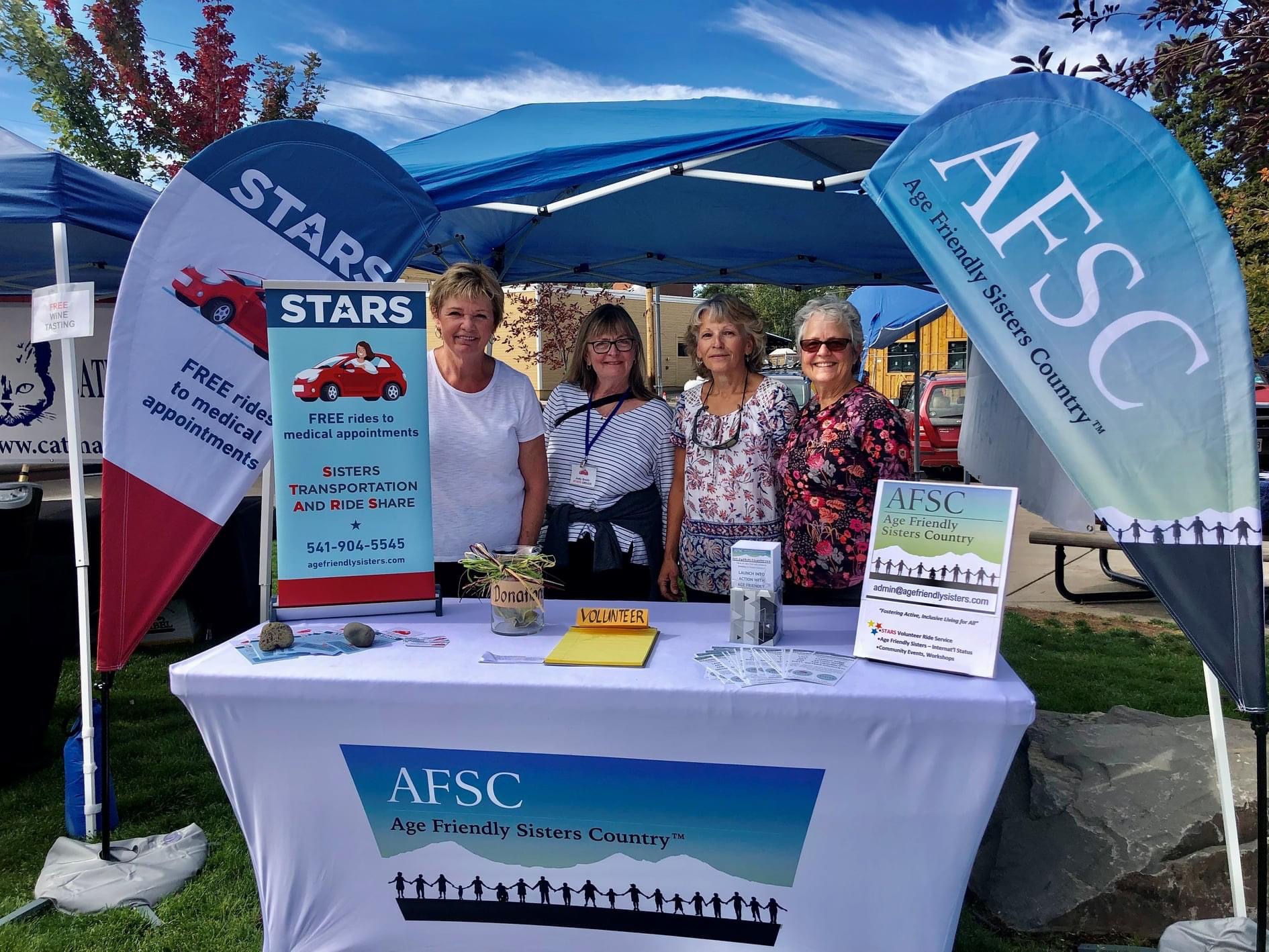
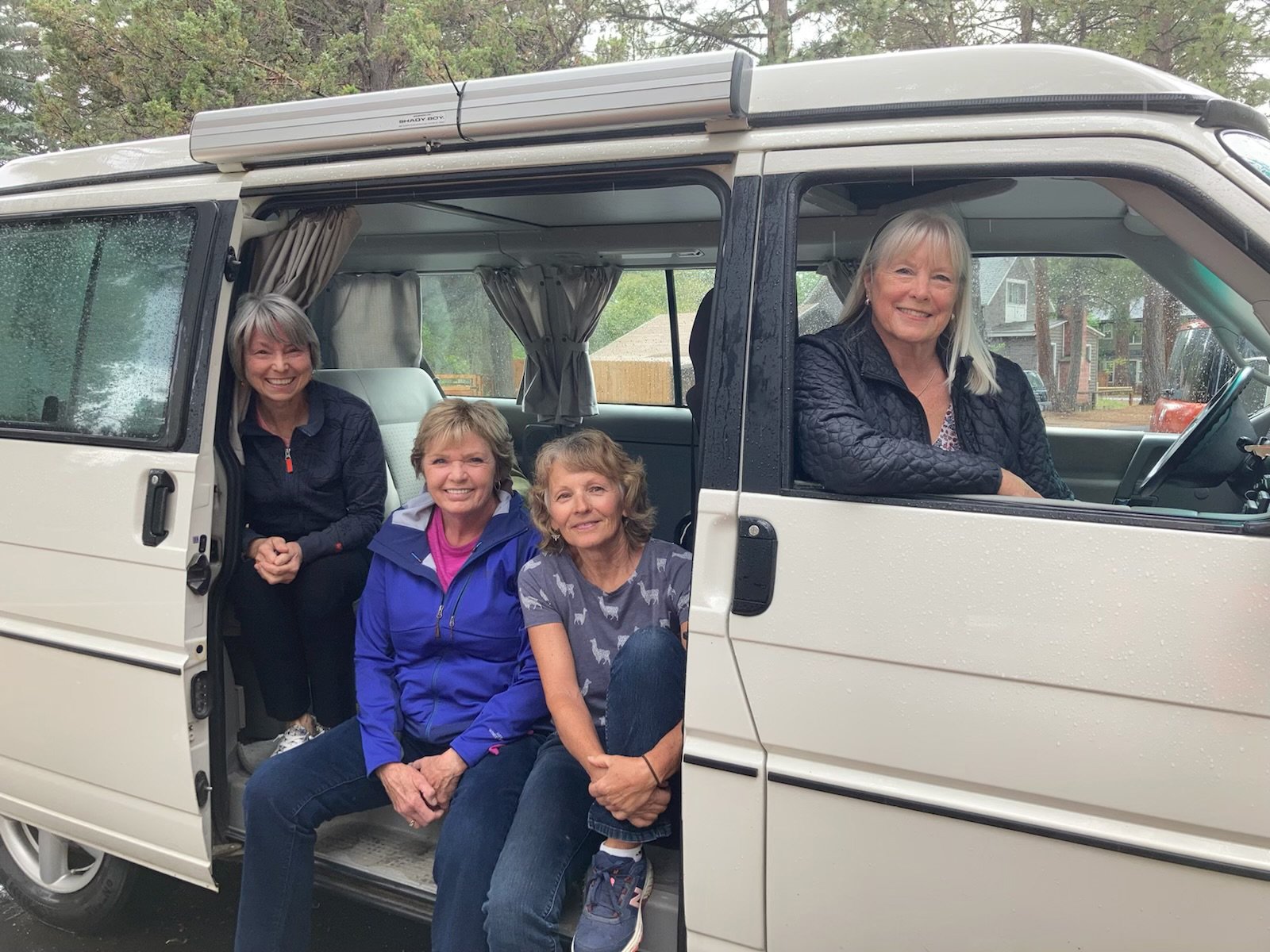
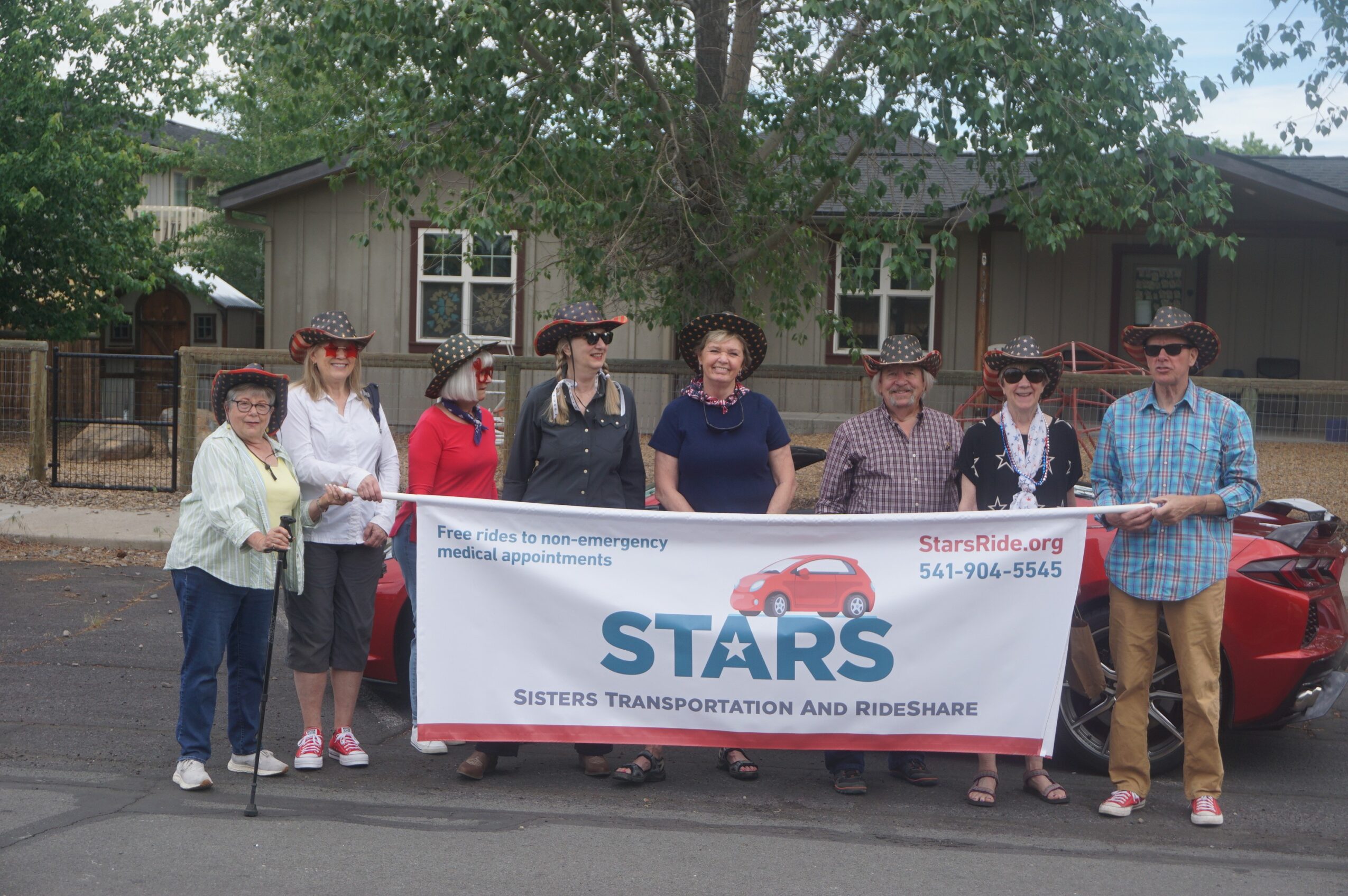
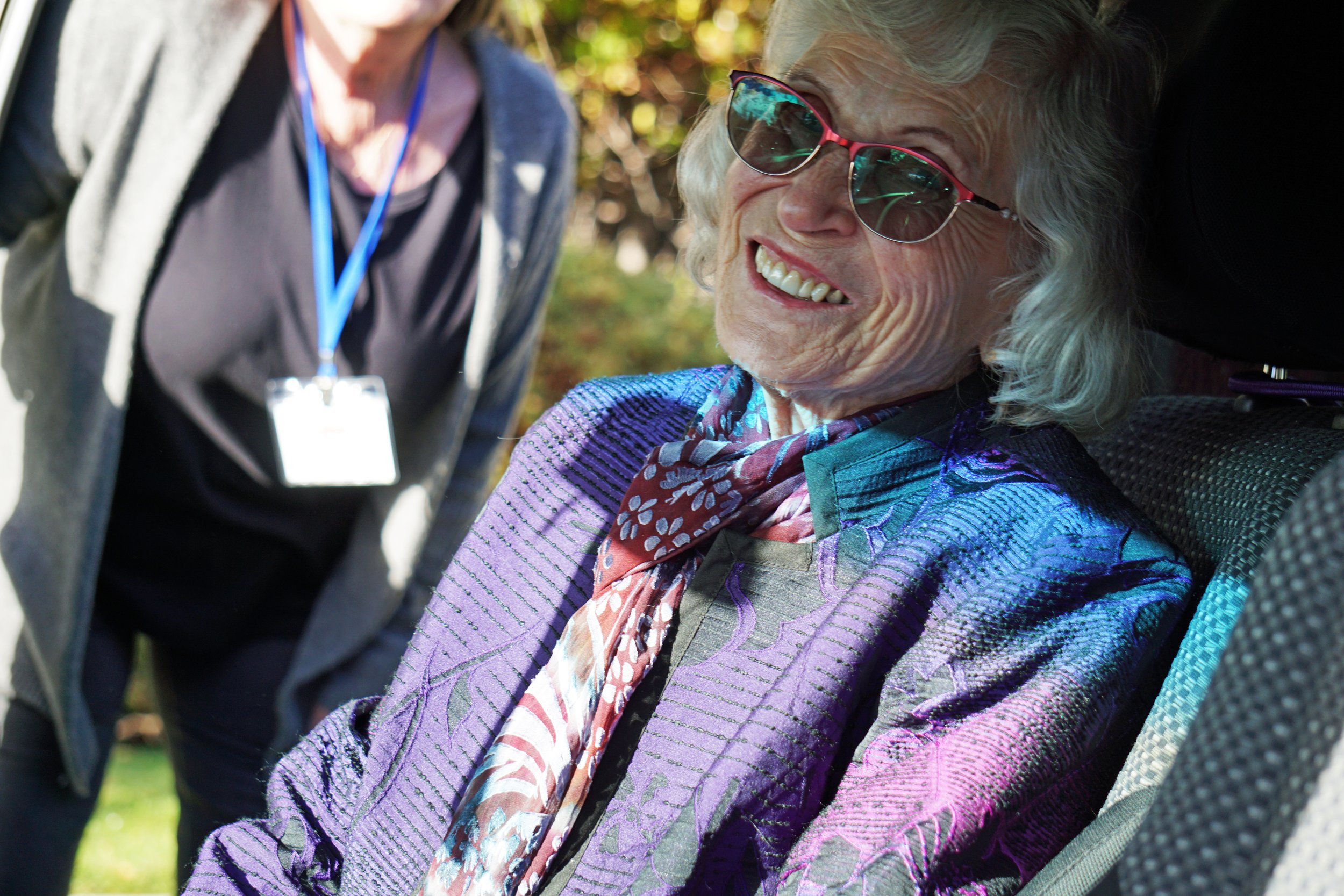
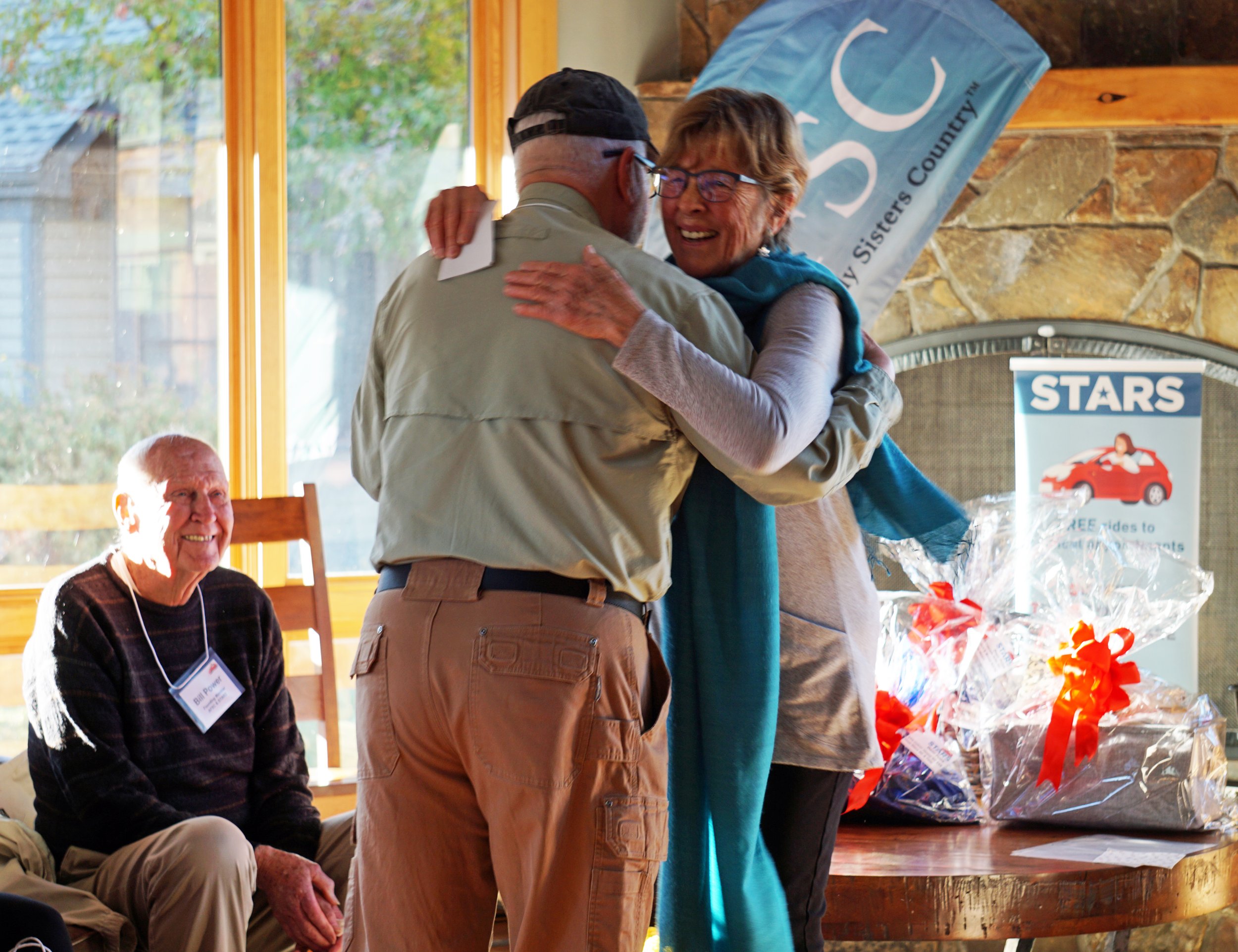
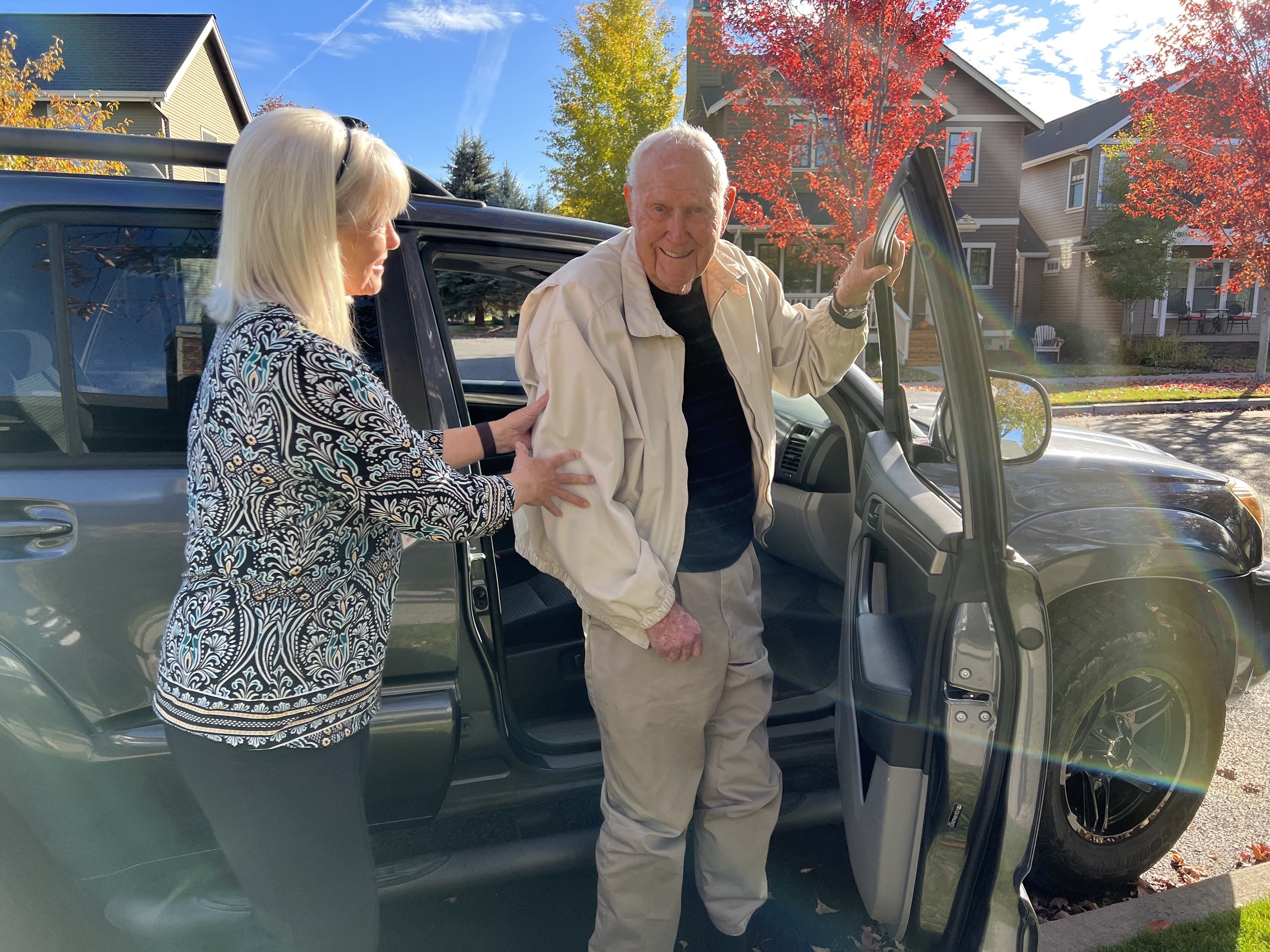
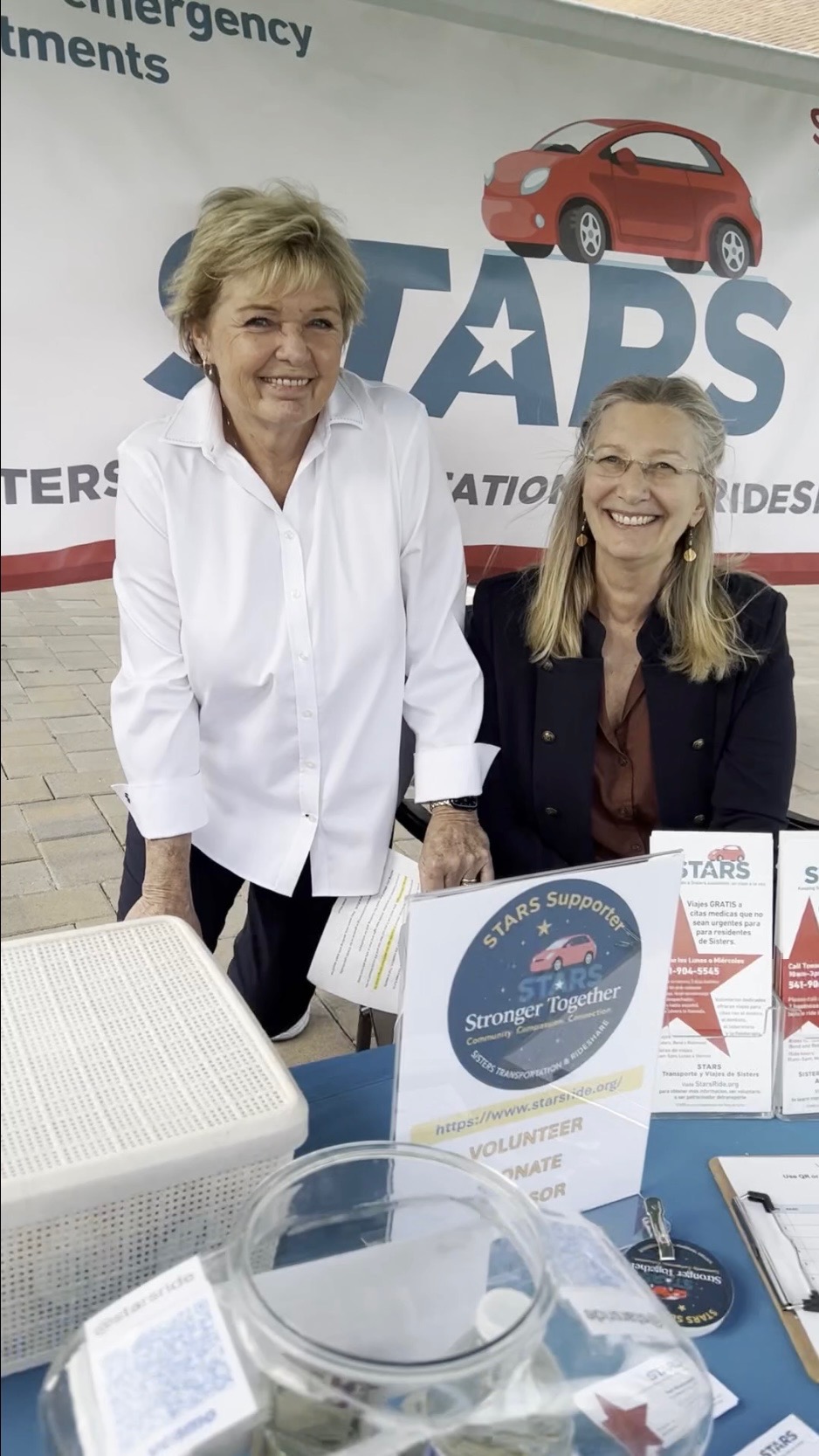
That need led to the creation of Sisters Transportation and Rideshare, or STARS. A small group of concerned residents came together to build a very well-known and respected organization in Oregon and beyond. What began as a community response has grown into an independent nonprofit providing free, door-to-door, round-trip rides for people who cannot drive or do not have affordable transportation options. We rely on volunteer drivers, technology, and a “neighbor helping neighbor” spirit to connect people with the care they need. Our 50 plus volunteers tell us they do this because they want STARS to be around for them.
Today, STARS has provided thousands of rides and tens of thousands of miles of transportation, but what matters most are the individual stories: the person who gets to chemotherapy, the veteran who reaches a VA appointment, the older adult who no longer has to choose between asking for help or missing care. I help start STARS because I believed our community could solve this problem together, and I have stayed with it because I have seen how much difference one ride can make. Passengers tell us they do not know what they would do without us and I hope they never have to find out.
STARS has also had a profound impact on my own life. When I first joined the community effort to improve services in Sisters, my dad was in the final stage of his life, more than 3,300 miles away. I often felt helpless because my life was here in Oregon, and I could not be with him full time. That longing to serve him, even from a distance, became part of what moved me to pour my energy and heart into helping my own community.
I lost my dad in 2020, but STARS is part of his legacy to me. He poured so much love, joy, and encouragement into my life, and I try to honor that by serving others in a way that would make him proud. In many ways, every ride STARS provides reflects my dad’s love because we are able to let people know they are seen, cared for, and not alone.
Would you say it’s been a smooth road, and if not what are some of the biggest challenges you’ve faced along the way?
Everyone has struggles and my life has been no different. My parents were textile workers in the south and that meant there were no resources for college, so I had to figure it out on my own. As with many of my best decisions, my idea to join the Navy came simply from a sign that caught my eye. Within a week of seeing it, I was signed up for Navy boot camp. I like to say that my successes have all been from good luck and intuition with a good dose of persistence and determination. I went to night school and eventually was selected for a very competitive degree completion program. It is difficult to recall old struggles as my current concerns are about STARS.
Like many community-based nonprofits, STARS began with a clear need and a lot of heart, but not a lot of infrastructure. We were trying to solve a very real rural transportation gap with volunteers, limited funding, and a growing list of neighbors who needed help getting medical care. Building something reliable from the ground up meant creating systems, earning trust, recruiting and supporting volunteer drivers, learning technology, and proving that this service was not just “nice to have,” but essential.
One of the biggest challenges has been sustainability. STARS provides rides at no cost to riders, and that is central to our mission. But free service still has real costs: mileage reimbursement, insurance, technology, administration, outreach, and coordination. As demand has grown, so has the need for stable funding. We have been fortunate to have generous donors, volunteers, grantors, and community partners, but building long-term financial stability is ongoing work.
Another struggle has been helping people understand the depth of the need. In a rural community, transportation barriers are often invisible until they happen to you or someone you love. Many older adults, veterans, people with disabilities, and medically vulnerable residents want to remain independent, but they may not be able to drive safely or afford other options. Without transportation, a medical appointment can become a crisis.
Personally, the work with STARS has also stretched me. I have poured a great deal of my heart into STARS, and there have been times when the responsibility felt heavy. But every time a rider tells us they made it to treatment, or a volunteer says the ride meant as much to them as it did to the passenger, I am reminded why the struggle is worth it.
The road has not been smooth, but it has been full of purpose, generosity, and proof that a small rural community can come together to take care of its own.
Can you tell our readers more about what you do and what you think sets you apart from others?
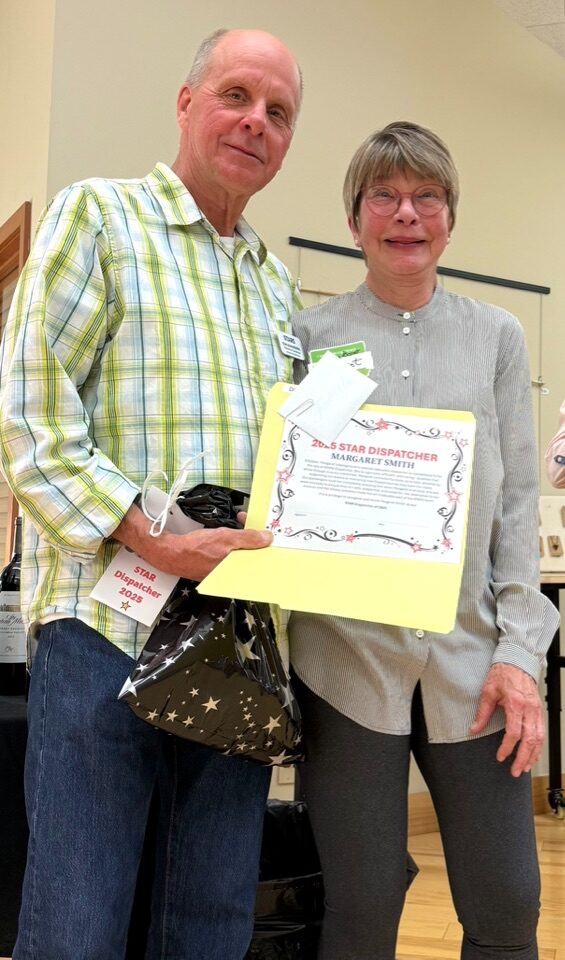
My work now centers on STARS and at its simplest, STARS gives people rides. But what we really do is protect independence, reduce isolation, and help people stay connected to the care they need. In a rural community, the loss of driving can change everything. A doctor’s appointment in Bend or Redmond may be routine for one person and nearly impossible for another. STARS helps close that gap. And I help our all-volunteer organization do that. I am a leader, cheerleader and task master. I never meet an idea I am not willing to mull over, and I am part of a great team of people who have the same heart for STARS as I. I am very proud of all we have accomplished since we completed our first ride in 2020.
I specialize in turning a good idea into something that works. I am probably known for being persistent, practical, and willing to do the behind-the-scenes work that makes our wheels go round. I am always busy building procedures, learning technology, recruiting volunteers, tracking data, writing grants, creating partnerships, and making sure riders and volunteers feel valued. I care deeply about both the heart of the work and the structure that allows it to continue.
Outside of my volunteer life, I am happiest when I am moving, learning, or connecting with people.
Living in Sisters makes it almost impossible not to love the outdoors. Hiking has been one of my favorite ways to clear my head, enjoy the beauty of Central Oregon, and remember why this place is so special. Even when life gets busy, time outside helps me reset.
I am also a lifelong reader. I love books because they let me keep learning, travel through other people’s experiences, and see the world from perspectives different from my own. Reading has always been both an escape and a way to stay curious.
For me, hiking, reading, and volunteering all feed the same part of my spirit: the desire to keep growing, stay connected, and be useful in the world.
What does success mean to you?
I define success by impact and earned trust.
I love the idea of sharing knowledge that makes something better for other people. It means seeing a need, stepping toward it, and helping create a solution that lasts beyond me. Success for STARS is the older adult who gets to a medical appointment without fear, the veteran who feels respected, the volunteer who discovers new purpose, and the family member who knows their loved one is not alone.
When riders trust us with their care, when volunteers trust the mission, and when the community believes STARS is worthy of support, that is a real success to me. Trust is earned slowly, through reliability, compassion, and doing what you say you will do.
On a personal level, success means living in a way that honors the people who shaped me, especially my dad. It means serving with humility, staying curious, and leaving my community a little stronger than I found it. Integrity is a huge issue for me, and I work every day to preserve mine and that of STARS.
To me, success is not about being the most impressive. It is about doing something meaningful and doing it well enough that others can carry it forward.
Contact Info:
- Website: https://www.starsride.org/
- Instagram: starsride_sisters
- Facebook: https://www.facebook.com/sistersrideshare
- Youtube: https://www.youtube.com/@STARSRIDES